
Have you ever wondered what foods can help you live a long and healthy life? Look no further, because in this article, we will uncover the best foods for longevity and healthy aging. By incorporating these foods into your diet, you can enhance your overall well-being and increase your chances of aging gracefully. From nutrient-rich fruits and vegetables to heart-healthy fats and lean proteins, we will explore the delicious options that can support a vibrant and fulfilling life. So grab a pen and paper, because you’ll want to note down these essential foods to nourish your body and promote a long and thriving journey through the years.
Leafy Green Vegetables
Kale
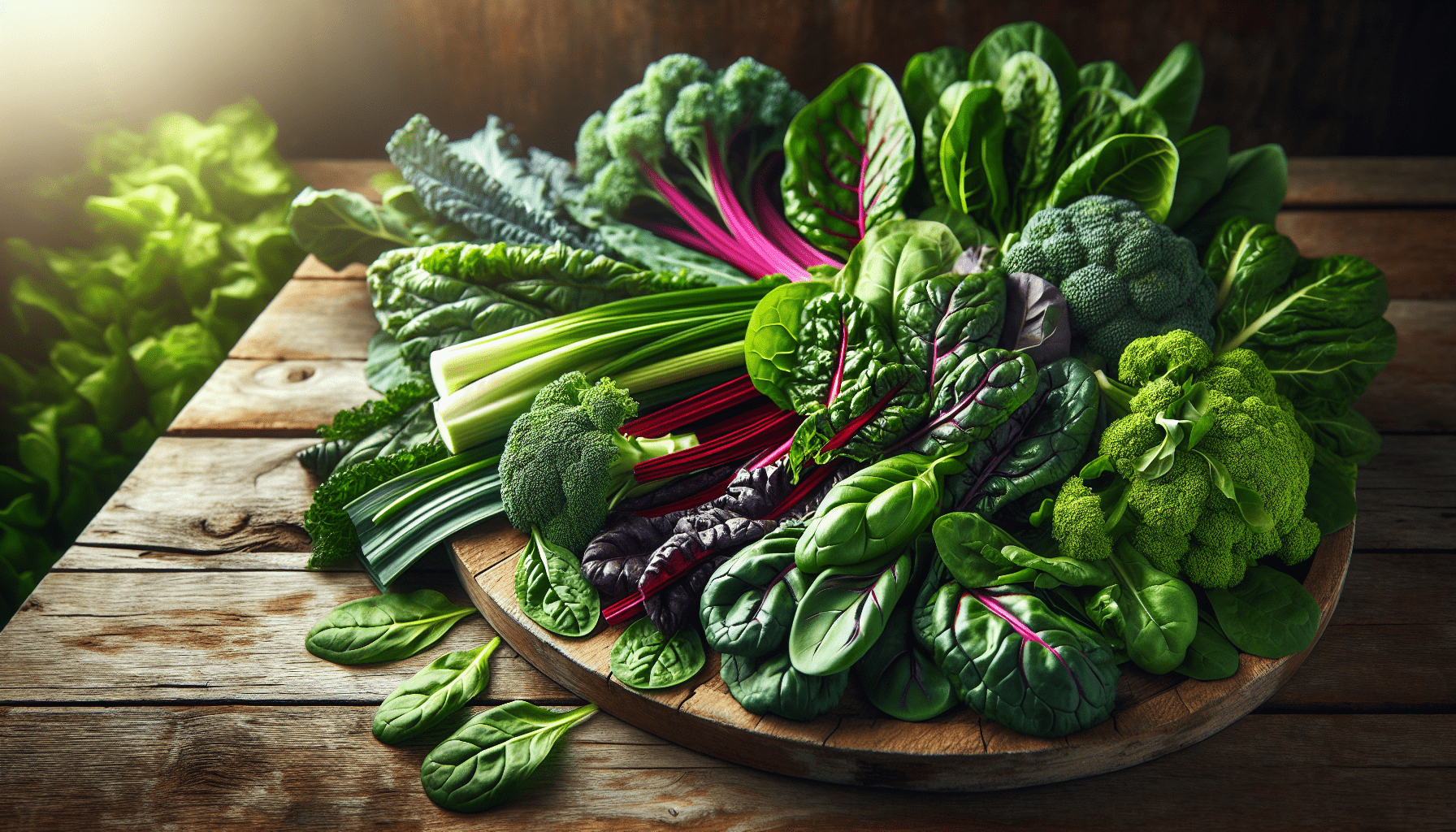
Kale is one of the most nutrient-dense leafy green vegetables you can consume. Packed with vitamins A, C, and K, as well as minerals like potassium and calcium, kale offers a range of health benefits. It is also high in fiber, which promotes healthy digestion and can help manage weight. Additionally, kale contains antioxidants that protect your cells from damage caused by harmful free radicals. Whether you prefer it in salads, smoothies, or cooked dishes, incorporating kale into your diet can contribute to your overall health and well-being.
Spinach
Spinach is another leafy green vegetable that is worth including in your diet. Not only is it low in calories, but it is also rich in vitamins A, C, and K, as well as minerals like iron and magnesium. Spinach is known for its high antioxidant content, which helps fight inflammation and protects against chronic diseases. Its fiber content aids in digestion and promotes a healthy gut. Whether you enjoy it in salads, stir-fries, or smoothies, spinach can provide numerous benefits for your body.
Swiss Chard
Swiss chard is a colorful and versatile leafy green vegetable that deserves a spot on your plate. Packed with vitamins A, K, and C, as well as minerals like magnesium and potassium, Swiss chard offers a range of health benefits. It contains antioxidants that help protect your cells from damage, and its high fiber content supports digestive health. Whether you sauté it with garlic, add it to soups, or use it as a base for a nutritious salad, Swiss chard is a great addition to a balanced diet.
Collard Greens
Collard greens are nutrient-packed leafy green vegetables that are beneficial for your health. They are an excellent source of vitamins A, K, and C, as well as minerals like calcium and manganese. Collard greens are rich in antioxidants, which protect your cells against oxidative stress and inflammation. Their high fiber content aids in digestion and supports a healthy gut. Whether you enjoy them steamed, sautéed, or added to soups, collard greens are a nutritious choice for your meals.
Broccoli
Broccoli is a cruciferous vegetable that offers a wide array of health benefits. Packed with vitamins A, C, and K, as well as minerals like calcium and folate, broccoli is a nutrient powerhouse. It contains compounds that have been shown to have cancer-fighting properties and anti-inflammatory effects. Broccoli is also rich in fiber, which promotes healthy digestion and helps maintain a healthy weight. Whether you enjoy it raw, steamed, or roasted, adding broccoli to your meals can contribute to your overall well-being.
Berries
Blueberries
Blueberries are a delicious and nutritious fruit that can contribute to your longevity and healthy aging. Packed with antioxidants, vitamins, and fiber, blueberries offer a range of health benefits. The antioxidants in blueberries help protect your cells from damage caused by harmful free radicals and reduce inflammation in your body. Their high fiber content supports healthy digestion and helps regulate blood sugar levels. Whether you enjoy them fresh, frozen, or in smoothies, incorporating blueberries into your diet can have a positive impact on your health.
Strawberries
Strawberries are not only sweet and refreshing but also incredibly good for you. Loaded with vitamins C and K, as well as antioxidants and fiber, strawberries are a nutritional powerhouse. The antioxidants in strawberries protect your cells from oxidative stress and inflammation, which are associated with aging and chronic diseases. The fiber content of strawberries promotes healthy digestion and can help manage weight. Whether you enjoy them on their own, in salads, or blended into a delicious smoothie, strawberries are a delightful and nutritious addition to your diet.
Raspberries
Raspberries are a delectable fruit that offers numerous health benefits. Bursting with vitamins C and K, as well as antioxidants and fiber, raspberries are a fantastic choice for a healthy diet. The antioxidants in raspberries help protect your cells from oxidative damage and reduce inflammation in your body. Their fiber content supports a healthy digestive system and can aid in weight management. Whether you enjoy them fresh, frozen, or as a topping for yogurt and oatmeal, raspberries are a tasty and nutritious treat.
Blackberries
Blackberries are not only delicious but also loaded with vitamins, antioxidants, and fiber. These small, dark fruits are packed with nutrients that contribute to your overall health and well-being. The antioxidants in blackberries protect your cells from free radical damage and promote cellular health. Their fiber content supports healthy digestion and can help regulate blood sugar levels. Whether you enjoy them as a snack, in smoothies, or as a topping for desserts, blackberries are a delightful and nutritious addition to your diet.
Cranberries
Cranberries are a unique fruit that offers various health benefits. Rich in vitamins C and E, as well as antioxidants and fiber, cranberries are an excellent addition to a balanced diet. The antioxidants in cranberries help protect your cells from oxidative stress and reduce inflammation in your body. Their fiber content supports healthy digestion and can contribute to weight management. Additionally, cranberries contain compounds that are beneficial for urinary tract health. Whether you enjoy them dried, fresh, or in sauces, incorporating cranberries into your meals can support your overall health.
Nuts and Seeds
Almonds
Almonds are a highly nutritious nut that can contribute to your longevity and healthy aging. Packed with healthy fats, fiber, protein, vitamins, and minerals, almonds offer a range of health benefits. The monounsaturated fats in almonds are heart-healthy and can help lower cholesterol levels. Their fiber content supports healthy digestion and can aid in weight management. Almonds are also rich in antioxidants, which protect your cells from damage and reduce inflammation in your body. Whether you snack on them, use them as a topping, or make almond butter, almonds are a delicious and nutritious addition to your diet.
Walnuts
Walnuts are a nutritious nut that can contribute to your overall well-being. Rich in omega-3 fatty acids, fiber, protein, vitamins, and minerals, walnuts offer a plethora of health benefits. The omega-3 fatty acids in walnuts are crucial for heart health and can help reduce inflammation in your body. Walnuts are also high in antioxidants, which protect your cells from oxidative stress. Additionally, their fiber content supports healthy digestion and can aid in weight management. Whether you eat them as a snack, sprinkle them on salads, or incorporate them into baked goods, walnuts are a tasty and nutritious choice.
Flaxseeds
Flaxseeds are tiny powerhouses of nutrition that can benefit your longevity and healthy aging. Packed with fiber, omega-3 fatty acids, protein, vitamins, and minerals, flaxseeds offer a range of health benefits. The fiber in flaxseeds supports healthy digestion and can help manage cholesterol levels. Flaxseeds are also rich in omega-3 fatty acids, which promote heart health, reduce inflammation, and support brain function. Additionally, flaxseeds contain lignans, which have been found to have anti-cancer properties. Whether you grind them and add them to smoothies, yogurt, or baked goods, incorporating flaxseeds into your diet can have a positive impact on your health.
Chia Seeds
Chia seeds are tiny yet mighty seeds that can contribute to your longevity and healthy aging. Packed with fiber, protein, omega-3 fatty acids, vitamins, and minerals, chia seeds offer a plethora of health benefits. The fiber in chia seeds supports healthy digestion and can help stabilize blood sugar levels. Chia seeds are also rich in omega-3 fatty acids, which are essential for heart health and can reduce inflammation in your body. These seeds are also high in antioxidants, which help protect your cells from free radical damage. Whether you sprinkle them on top of yogurt, mix them into smoothies, or use them as an egg substitute in baking, chia seeds are a nutritious addition to your diet.
Pumpkin Seeds
Pumpkin seeds, also known as pepitas, are a nutritious seed that can support your overall well-being. Packed with fiber, protein, vitamins, minerals, and antioxidants, pumpkin seeds offer various health benefits. The fiber in pumpkin seeds supports healthy digestion and can help manage cholesterol levels. Pumpkin seeds are also rich in antioxidants, which protect your cells from damage caused by free radicals. Additionally, they are a good source of magnesium, iron, and zinc, which are essential minerals for various bodily functions. Whether you enjoy them roasted, sprinkled on salads, or added to granola, pumpkin seeds are a delicious and nutritious addition to your diet.
Fish
Salmon
Salmon is a fatty fish that is well-known for its health benefits. Rich in omega-3 fatty acids, protein, vitamins, and minerals, salmon is a nutritious choice for your diet. The omega-3 fatty acids in salmon promote heart health, reduce inflammation, and support brain function. Salmon is also a good source of high-quality protein, which is important for repairing and building tissues. Additionally, it contains vitamins D and B12, as well as minerals like selenium and potassium. Whether you grill it, bake it, or enjoy it smoked, incorporating salmon into your diet can contribute to your overall health and well-being.
Sardines
Sardines are a small fatty fish that packs a nutritional punch. Rich in omega-3 fatty acids, protein, vitamins, and minerals, sardines offer numerous health benefits. The omega-3 fatty acids in sardines promote heart health, reduce inflammation, and support brain function. Sardines are also a good source of vitamin D, calcium, and selenium, which are important for bone health and immune function. Additionally, they provide a good amount of high-quality protein. Whether you eat them canned, grilled, or added to salads, sardines are a delicious and nutritious addition to your diet.
Mackerel
Mackerel is a fatty fish that is prized for its delicious flavor and health benefits. Packed with omega-3 fatty acids, protein, vitamins, and minerals, mackerel is a nutritional powerhouse. The omega-3 fatty acids in mackerel are essential for heart health, reducing inflammation, and supporting brain function. Mackerel is also a good source of vitamin D, which is important for bone health and immune function. Additionally, it provides minerals like selenium and magnesium. Whether you bake it, grill it, or enjoy it smoked, incorporating mackerel into your diet can contribute to your overall well-being.
Trout
Trout is a freshwater fish that is not only tasty but also highly nutritious. Rich in omega-3 fatty acids, protein, vitamins, and minerals, trout offers various health benefits. The omega-3 fatty acids in trout promote heart health, reduce inflammation, and support brain function. Trout is also a good source of high-quality protein, which is important for tissue repair and growth. Additionally, it provides vitamins like B12 and selenium. Whether you grill it, bake it, or pan-fry it, incorporating trout into your diet can have a positive impact on your health.
Tuna
Tuna is a popular fish that offers numerous health benefits. Packed with omega-3 fatty acids, protein, vitamins, and minerals, tuna is a nutritious choice for your meals. The omega-3 fatty acids in tuna promote heart health, reduce inflammation, and support brain function. Tuna is also a good source of high-quality protein, which is important for repairing and building tissues. Additionally, it contains vitamins like B12 and D, as well as minerals like selenium and potassium. Whether you enjoy it raw in sushi, grilled, or canned, incorporating tuna into your diet can contribute to your overall well-being.
Whole Grains
Quinoa
Quinoa is a versatile and nutritious whole grain that deserves a spot in your pantry. Packed with fiber, protein, vitamins, minerals, and antioxidants, quinoa offers a range of health benefits. The fiber in quinoa supports healthy digestion and can help manage blood sugar levels. Quinoa is also a good source of plant-based protein, making it an excellent choice for vegetarians and vegans. Additionally, it provides vitamins like B vitamins and minerals like magnesium and iron. Whether you use it as a base for salads, as a side dish, or in baked goods, quinoa is a delicious and nutritious addition to your meals.
Brown Rice
Brown rice is a whole grain that is a healthier alternative to white rice. Packed with fiber, vitamins, minerals, and antioxidants, brown rice offers various health benefits. The fiber in brown rice supports healthy digestion and can help manage blood sugar levels. Brown rice is also a good source of vitamins and minerals, including B vitamins and magnesium. Additionally, it contains antioxidants that protect your cells from damage. Whether you enjoy it as a side dish, in stir-fries, or in rice bowls, incorporating brown rice into your diet can contribute to your overall well-being.
Oats
Oats are a nutritious whole grain that can support your longevity and healthy aging. Packed with fiber, vitamins, minerals, and antioxidants, oats offer a range of health benefits. The soluble fiber in oats supports healthy digestion and can help manage cholesterol levels. Oats are also a good source of plant-based protein, making them a filling and satisfying choice for your meals. Additionally, they provide vitamins like B vitamins and minerals like magnesium and iron. Whether you enjoy them as a warm bowl of oatmeal, in granola bars, or in baked goods, oats are a delicious and nutritious addition to your diet.
Barley
Barley is a whole grain that has been consumed for centuries and offers numerous health benefits. Packed with fiber, vitamins, minerals, and antioxidants, barley is a nutritious choice for your meals. The fiber in barley supports healthy digestion and can help manage cholesterol levels. Barley is also a good source of vitamins like B vitamins and minerals like selenium and manganese. Additionally, it contains antioxidants that protect your cells from damage. Whether you enjoy it in soups, salads, or as a side dish, incorporating barley into your diet can contribute to your overall well-being.
Buckwheat
Buckwheat is a gluten-free whole grain that is highly nutritious and can support your overall health. Packed with fiber, vitamins, minerals, and antioxidants, buckwheat offers various health benefits. The fiber in buckwheat supports healthy digestion and can help manage blood sugar levels. Buckwheat is also a good source of plant-based protein, making it an excellent choice for vegetarians and vegans. Additionally, it contains antioxidants that protect your cells from damage. Whether you enjoy it as a base for salads, in porridge, or in baking, incorporating buckwheat into your diet can have a positive impact on your health.
Legumes
Chickpeas
Chickpeas, also known as garbanzo beans, are a nutritious legume that can contribute to your longevity and healthy aging. Packed with fiber, protein, vitamins, and minerals, chickpeas offer a range of health benefits. The fiber in chickpeas supports healthy digestion and can help manage blood sugar levels. Chickpeas are also a good source of plant-based protein, making them a filling and satisfying choice for your meals. Additionally, they provide vitamins like B vitamins and minerals like iron and folate. Whether you enjoy them in hummus, as a salad topper, or in curries, chickpeas are a delicious and nutritious addition to your diet.
Lentils
Lentils are a versatile and nutritious legume that deserves a spot on your plate. Packed with fiber, protein, vitamins, and minerals, lentils offer a range of health benefits. The fiber in lentils supports healthy digestion and can help manage blood sugar levels. Lentils are also a good source of plant-based protein, making them an excellent choice for vegetarians and vegans. Additionally, they provide vitamins like B vitamins and minerals like iron and folate. Whether you use them in soups, stews, salads, or as a meat substitute in dishes, lentils are a nutritious and delicious addition to your meals.
Black Beans
Black beans are a nutrient-dense legume that can contribute to your overall health and well-being. Packed with fiber, protein, vitamins, and minerals, black beans offer numerous health benefits. The fiber in black beans supports healthy digestion and can help manage blood sugar levels. Black beans are also a good source of plant-based protein, making them a filling and satisfying choice for your meals. Additionally, they provide vitamins like folate and minerals like iron and magnesium. Whether you incorporate them into chili, add them to salads, or use them as a filling for tacos, black beans are a nutritious and flavorful addition to your diet.
Kidney Beans
Kidney beans are a versatile legume that can provide numerous health benefits. Packed with fiber, protein, vitamins, and minerals, kidney beans are a nutritious choice for your meals. The fiber in kidney beans supports healthy digestion and can help manage blood sugar levels. Kidney beans are also a good source of plant-based protein, making them a filling and satisfying choice for your meals. Additionally, they provide vitamins like folate and minerals like iron and magnesium. Whether you use them in chili, soups, or salads, kidney beans are a delicious and nutritious addition to your diet.
Edamame
Edamame, which are young soybeans, are a nutritious and delicious legume that can contribute to your overall well-being. Packed with fiber, protein, vitamins, and minerals, edamame offers various health benefits. The fiber in edamame supports healthy digestion and can help manage blood sugar levels. Edamame is also a good source of plant-based protein, making it an excellent choice for vegetarians and vegans. Additionally, it provides vitamins like folate and minerals like iron and calcium. Whether you enjoy them as a snack, in salads, or in stir-fries, edamame is a nutritious and satisfying addition to your diet.
Turmeric
Curcumin
Curcumin is the active compound found in turmeric, a spice commonly used in Asian cuisine. It is known for its vibrant yellow color and potent health benefits. Curcumin possesses powerful anti-inflammatory properties that can support overall health and well-being. It has been shown to reduce inflammation in the body, which is linked to various chronic diseases and aging. Furthermore, curcumin has been studied for its potential effects on brain health, heart health, and joint health. While curcumin can be consumed through turmeric spice, it is often more beneficial to take a curcumin supplement to ensure a higher concentration of the compound.
Anti-inflammatory Properties
One of the key benefits of turmeric is its potent anti-inflammatory properties. Chronic inflammation in the body is associated with aging and various chronic diseases, including heart disease, diabetes, and certain types of cancer. The active compound curcumin in turmeric has been shown to inhibit the molecules involved in inflammation, thereby reducing inflammation in the body. Incorporating turmeric into your diet or taking a curcumin supplement may help support a healthy inflammatory response in your body and contribute to your overall well-being.
Brain Health
Turmeric and its active compound curcumin have been studied for their potential effects on brain health. Curcumin has been found to cross the blood-brain barrier and has shown promise in reducing oxidative stress and inflammation in the brain. Additionally, it may increase levels of brain-derived neurotrophic factor (BDNF), a protein that supports the growth and survival of neurons. Studies suggest that curcumin may have potential benefits for cognitive function, memory, and mood. While more research is needed, incorporating turmeric into your diet or taking a curcumin supplement may have positive effects on brain health.
Heart Health
Maintaining a healthy heart is crucial for longevity and healthy aging. Turmeric has been studied for its potential benefits to heart health. The active compound curcumin has been shown to improve several risk factors for heart disease. It may help reduce levels of LDL cholesterol, known as the “bad” cholesterol, and decrease triglyceride levels. Curcumin has also been found to have anti-inflammatory and antioxidant effects, which can support heart health. Incorporating turmeric into your diet or taking a curcumin supplement may help promote a healthy heart and contribute to overall cardiovascular well-being.
Joint Health
As we age, maintaining healthy joints becomes increasingly important. Turmeric and its active compound curcumin have been studied for their potential effects on joint health. Curcumin possesses anti-inflammatory properties that can help reduce joint inflammation and alleviate symptoms associated with arthritis and other joint conditions. Studies have shown that curcumin may help improve joint flexibility, reduce joint pain, and support overall joint health. Adding turmeric to your diet or taking a curcumin supplement may provide relief and promote healthy joints as you age.
Green Tea
Antioxidants
Green tea is known for its high antioxidant content, making it a powerful beverage for your health. Antioxidants help protect your cells from damage caused by harmful molecules called free radicals. The antioxidants in green tea, such as catechins, can help neutralize free radicals and reduce oxidative stress in your body. This can have numerous benefits for your overall health and may contribute to longevity and healthy aging.
Catechins
Catechins are a type of antioxidant found in abundance in green tea. These compounds have been studied for their potential health benefits. Catechins are believed to have an anti-inflammatory effect, which can help reduce inflammation in the body. Additionally, they may help boost metabolism and aid in weight management. Consuming green tea regularly can provide a good source of catechins and contribute to your overall well-being.
Metabolic Health
Green tea has been shown to have potential benefits for metabolic health. The catechins in green tea have been found to enhance fat oxidation, which can help increase your metabolism and promote weight loss. Additionally, green tea has been shown to improve insulin sensitivity and help regulate blood sugar levels. Maintaining a healthy metabolism and blood sugar levels is essential for longevity and healthy aging.
Cognitive Function
Green tea has been suggested to have positive effects on cognitive function. The caffeine content in green tea can have a stimulating effect on the brain and may help improve focus, attention, and overall cognitive performance. The catechins in green tea have also been studied for their potential neuroprotective properties, which may help protect against age-related cognitive decline and neurodegenerative diseases. Drinking green tea regularly may support cognitive function and contribute to healthy aging.
Weight Management
Maintaining a healthy weight is important for longevity and overall well-being. Green tea has been studied for its potential benefits in weight management. The catechins in green tea have been found to increase fat oxidation and boost metabolism, which can help promote weight loss. Furthermore, the caffeine content in green tea can act as a mild appetite suppressant, helping to reduce calorie intake. Incorporating green tea into your routine can be a helpful addition to a balanced diet and exercise regimen for weight management.
Yogurt
Probiotics
Yogurt is a fermented dairy product that is a rich source of beneficial bacteria known as probiotics. Probiotics are live microorganisms that can provide a range of health benefits when consumed. These beneficial bacteria help maintain a healthy balance of gut bacteria, supporting digestive health and boosting the immune system. Incorporating yogurt into your diet can provide a good source of probiotics and contribute to your overall well-being.
Gut Health
Maintaining a healthy gut is crucial for your overall health. The probiotics found in yogurt help promote a diverse and balanced gut microbiota, which can support digestion and nutrient absorption. A healthy gut microbiome is also involved in immune function and can help protect against certain diseases. Consuming yogurt regularly can contribute to a healthy gut and support your overall well-being.
Bone Health
Yogurt is a good source of calcium, a mineral essential for strong and healthy bones. Calcium is necessary for maintaining bone density and preventing conditions like osteoporosis. Consuming an adequate amount of calcium, along with vitamin D, is crucial for bone health. Incorporating yogurt into your diet can provide a delicious and nutritious way to meet your calcium needs and support bone health.
Digestive System
The probiotics in yogurt can have a positive impact on the digestive system. These beneficial bacteria help maintain a healthy balance of gut bacteria, which can support digestion and prevent gastrointestinal issues like constipation and diarrhea. Consuming yogurt regularly can provide a good source of probiotics and contribute to a healthy digestive system.
Immune System
A healthy immune system is essential for longevity and overall well-being. The probiotics found in yogurt can have a positive impact on immune function. Probiotics help regulate immune responses in the body, enhancing the body’s ability to fight off infections and reduce the risk of certain diseases. Incorporating yogurt into your diet can provide a delicious and nutritious way to support your immune system.
Dark Chocolate
Flavanols
Dark chocolate is a decadent treat that offers various health benefits when consumed in moderation. Dark chocolate contains a high concentration of flavanols, which are a type of antioxidant. Flavanols have been found to have numerous health benefits, including improving heart health, reducing inflammation, and enhancing brain function. Consuming dark chocolate with a high cocoa content can provide a delicious and nutritious way to incorporate flavanols into your diet.
Heart Health
Maintaining a healthy heart is crucial for longevity and overall well-being. The flavanols in dark chocolate have been found to have positive effects on heart health. They can help improve blood flow, reduce blood pressure, and decrease the risk of cardiovascular diseases. However, it is important to choose dark chocolate with a high cocoa content and consume it in moderation to reap these benefits.
Improved Brain Function
Dark chocolate and its flavanols have been studied for their potential effects on brain function. Flavanols have been found to increase blood flow to the brain, which can enhance cognitive function and improve memory and attention. Additionally, they may have neuroprotective properties, helping to protect brain cells from damage. Consuming dark chocolate with a high cocoa content can provide a delightful way to support brain health.
Reduced Inflammation
Chronic inflammation in the body is associated with various chronic diseases and aging. The flavanols in dark chocolate possess anti-inflammatory properties that can help reduce inflammation in the body. By neutralizing harmful free radicals and reducing oxidative stress, dark chocolate can contribute to a healthier inflammatory response. Choosing dark chocolate with a high cocoa content can provide an enjoyable way to incorporate anti-inflammatory compounds into your diet.
Lower Blood Pressure
High blood pressure is a risk factor for heart disease and other cardiovascular conditions. The flavanols in dark chocolate have been found to have potential benefits for reducing blood pressure. They can help relax blood vessels, improve blood flow, and promote a healthy vascular system. However, it is important to choose dark chocolate with a high cocoa content and consume it in moderation to reap these blood pressure-lowering benefits.