
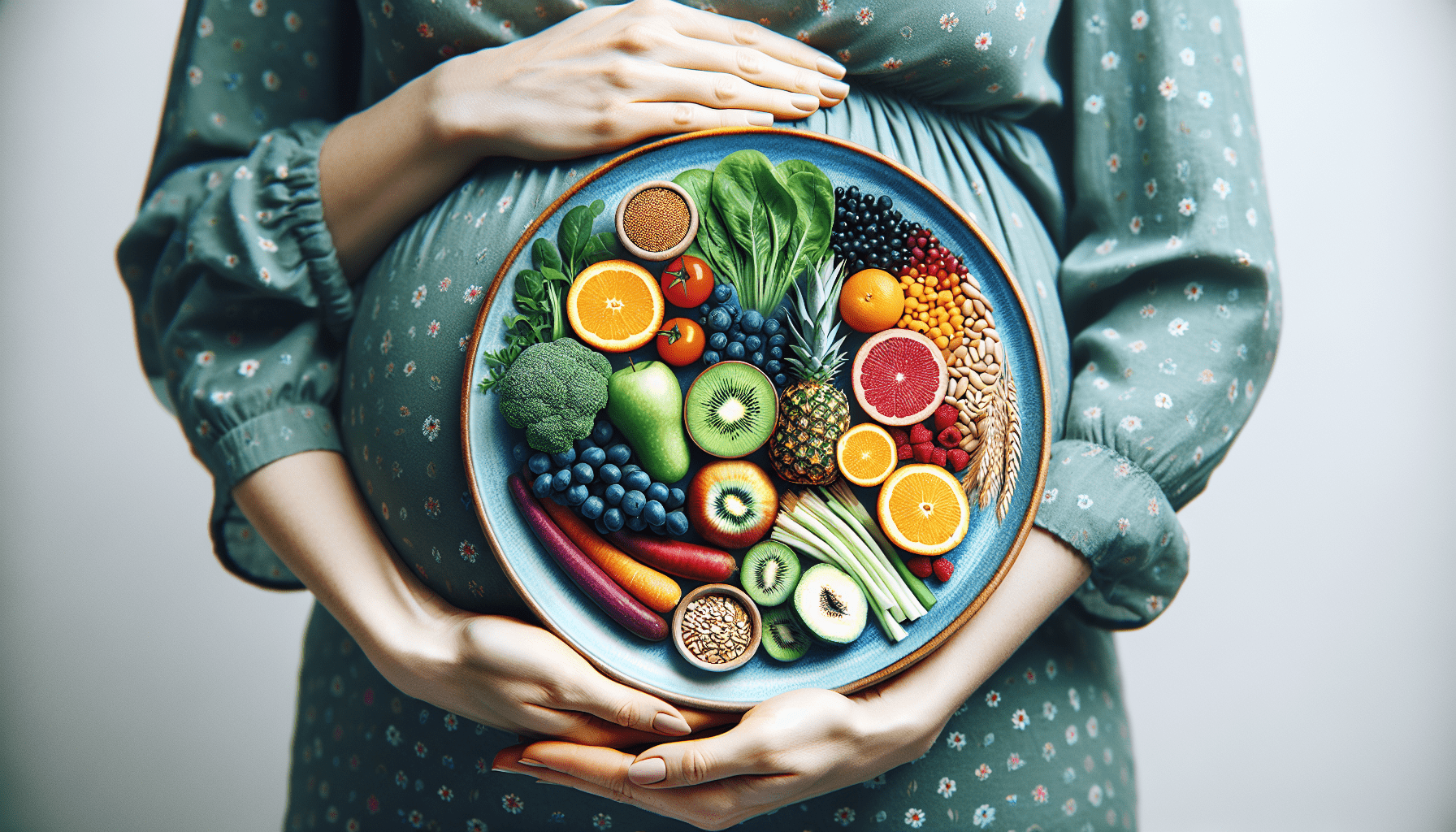
Congratulations on your pregnancy! Maintaining a healthy diet during this precious time is of utmost importance for both you and your baby’s well-being. In this article, we will explore some practical tips and guidelines to help you nourish your body with essential nutrients, support your baby’s development, and ensure a smooth and healthy pregnancy journey. So let’s dive in and discover how to maintain a healthy diet during pregnancy!
Consult with a healthcare provider
When it comes to maintaining a healthy diet during pregnancy, one of the most important steps you can take is to consult with a healthcare provider. They will be able to provide personalized guidance and recommendations based on your individual needs and medical history.
Schedule regular prenatal visits
Regular prenatal visits are crucial for monitoring the progress of your pregnancy and ensuring the health and well-being of both you and your baby. During these visits, your healthcare provider will be able to assess your dietary needs, answer any questions you may have, and provide you with valuable information and resources to help you maintain a healthy diet throughout your pregnancy.
Discuss dietary needs with a healthcare provider
It’s important to discuss your dietary needs with a healthcare provider to ensure that you are receiving all the necessary nutrients for a healthy pregnancy. They can provide you with specific recommendations based on your individual needs, such as increased intake of certain vitamins and minerals, and help you create a well-rounded meal plan that will support the growth and development of your baby.
Get guidance on calorie intake
During pregnancy, your calorie needs will increase to support the growth and development of your baby. However, it’s important to get guidance from a healthcare provider on the appropriate calorie intake for your individual circumstances. Consuming too few calories can hinder proper fetal development, while consuming too many calories can lead to excessive weight gain. Your healthcare provider can help you determine the right amount of calories to consume based on factors such as your pre-pregnancy weight, activity level, and overall health.
Eat a balanced diet
Eating a balanced diet is essential for maintaining a healthy pregnancy and providing your baby with the nutrients they need to grow and develop. Here are some key tips for achieving a balanced diet during pregnancy:
Include fruits and vegetables
Fruits and vegetables are packed with essential vitamins, minerals, and fiber that are crucial for a healthy pregnancy. Aim to incorporate a variety of fruits and vegetables into your diet to ensure that you are getting a wide range of nutrients. Try to include fruits and vegetables of different colors, as this will provide you with a diverse array of vitamins and minerals.
Choose whole grains
Whole grains, such as brown rice, whole wheat bread, and quinoa, are a great source of fiber and other important nutrients, such as iron and B vitamins. They can help regulate your digestion, prevent constipation, and provide sustained energy throughout the day. Make sure to choose whole grain options whenever possible, as they contain more nutrients and fiber than refined grains.
Incorporate lean proteins
Protein is an essential nutrient that plays a crucial role in the development of your baby’s organs, muscles, and tissues. Opt for lean sources of protein, such as poultry, fish, legumes, and tofu. These options are not only rich in protein but also low in saturated fats, making them a healthy choice for both you and your baby.
Include dairy products
Dairy products, such as milk, yogurt, and cheese, are excellent sources of calcium, which is essential for the development of your baby’s bones and teeth. If you are lactose intolerant or have a dairy allergy, there are plenty of non-dairy alternatives available, such as almond milk or soy yogurt, that can provide you with the same essential nutrients.
Consume healthy fats
While it’s important to limit your intake of unhealthy fats, such as saturated and trans fats, it’s equally important to consume healthy fats during pregnancy. Healthy fats, such as those found in avocados, nuts, seeds, and fatty fish like salmon, provide essential fatty acids that are crucial for the development of your baby’s brain and nervous system.
Stay hydrated
Staying hydrated is vital during pregnancy as it supports your overall health and helps maintain the proper functioning of your body and organs. Here are some key tips for staying hydrated during pregnancy:
Drink plenty of water
Water should be your go-to beverage during pregnancy. It helps to maintain the balance of bodily fluids, regulate body temperature, and support the delivery of nutrients to your baby. Aim to drink at least 8-10 cups (64-80 ounces) of water per day, or more if you are physically active or in a hot climate.
Limit caffeine intake
While it’s safe to consume moderate amounts of caffeine during pregnancy, it’s important to be mindful of your intake. High levels of caffeine can increase the risk of miscarriage and may lead to low birth weight. It’s recommended to limit your caffeine intake to no more than 200 milligrams per day, which is equivalent to about one 12-ounce cup of coffee.
Avoid certain foods
During pregnancy, there are certain foods that should be avoided due to the potential risks they can pose to both you and your baby. Here are some foods to avoid during pregnancy:
Raw or undercooked meats
Raw or undercooked meats, including poultry, beef, and pork, should be avoided during pregnancy as they may contain harmful bacteria such as Salmonella, E. coli, or Listeria. These bacteria can cause foodborne illnesses, which can be particularly dangerous during pregnancy.
Raw eggs or foods with raw eggs
Raw eggs or foods that contain raw eggs, such as homemade mayonnaise, Caesar salad dressing, or cookie dough, should be avoided during pregnancy. Raw eggs may be contaminated with Salmonella, which can cause foodborne illnesses and pose a risk to your baby’s health.
Unpasteurized dairy products
Unpasteurized dairy products, such as raw milk, cheese made from raw milk, and certain types of soft cheeses like brie or feta, should be avoided during pregnancy. These products may contain harmful bacteria, such as Listeria, which can lead to foodborne illnesses and potentially harm your baby.
Certain types of fish
Some types of fish contain high levels of mercury, which can be harmful to your baby’s developing nervous system. Avoid consuming shark, swordfish, king mackerel, and tilefish, as these fish tend to have higher mercury levels. Instead, choose fish that are low in mercury, such as salmon, trout, and shrimp, and limit your consumption to 2-3 servings per week.
Processed or high-sugar foods
It’s important to limit your intake of processed or high-sugar foods during pregnancy, as they provide little nutritional value and can contribute to excessive weight gain. Instead, opt for whole, unprocessed foods that are rich in nutrients and provide the energy your body needs for a healthy pregnancy.
Manage portion sizes
During pregnancy, it’s important to listen to your body’s hunger cues and manage your portion sizes to ensure that you are consuming the right amount of food for both you and your baby. Here are some tips for managing portion sizes:
Eat smaller, more frequent meals
Instead of eating three large meals a day, consider eating smaller, more frequent meals throughout the day. This can help regulate your blood sugar levels, prevent overeating, and keep you satisfied without feeling overly full or uncomfortable.
Listen to hunger cues
Pay attention to your body’s hunger cues and eat when you are truly hungry, rather than relying on external cues or eating out of boredom. It’s important to nourish your body and provide it with the energy it needs, but also to avoid overeating or consuming unnecessary calories.
Avoid overeating
While it’s important to consume adequate calories and nutrients during pregnancy, overeating can lead to excessive weight gain and potential health risks. Aim to eat until you are satisfied, but not overly full, and be mindful of portion sizes to ensure that you are maintaining a healthy balance.
Take prenatal vitamins
Prenatal vitamins are an important supplement to support your body’s nutritional needs during pregnancy. Here are a few key points to consider when it comes to prenatal vitamins:
Discuss with a healthcare provider
It’s important to discuss your prenatal vitamin needs with a healthcare provider to ensure that you are taking the right supplement for your individual circumstances. Your healthcare provider can recommend a prenatal vitamin that contains the appropriate amounts of key nutrients, such as folic acid, iron, and calcium, to support a healthy pregnancy.
Ensure sufficient intake of key nutrients
Prenatal vitamins are designed to fill any nutritional gaps in your diet and provide the necessary nutrients for a healthy pregnancy. While a prenatal vitamin can help support your overall health, it’s important to remember that it should not replace a balanced diet. It’s still important to focus on consuming a variety of nutrient-dense foods to ensure you are getting all the necessary nutrients for a healthy pregnancy.
Control weight gain
During pregnancy, it’s normal and expected to gain weight as your baby grows. However, it’s important to control weight gain and avoid excessive weight gain, as this can increase the risk of complications during pregnancy and delivery. Here are some tips for controlling weight gain during pregnancy:
Follow appropriate weight gain guidelines
Your healthcare provider can provide you with appropriate weight gain guidelines based on your pre-pregnancy weight, overall health, and individual circumstances. Following these guidelines can help you maintain a healthy rate of weight gain throughout your pregnancy.
Avoid excessive weight gain
Excessive weight gain during pregnancy can increase the risk of gestational diabetes, high blood pressure, and other complications. Focus on consuming a balanced diet, staying active, and listening to your body’s hunger and fullness cues to ensure that you are gaining weight at a healthy rate.
Participate in safe pregnancy exercises
Regular physical activity during pregnancy can help control weight gain, improve mood and well-being, and promote overall health. Engage in safe exercises that are suitable for pregnancy, such as walking, swimming, prenatal yoga, or low-impact aerobics, and ensure that you consult with a healthcare provider before starting any new exercise routine.
Handle food safely
Proper food handling and storage are essential during pregnancy to prevent foodborne illnesses. Here are some key guidelines for handling food safely:
Wash fruits and vegetables
Thoroughly wash fruits and vegetables under running water before consuming them to remove any dirt, bacteria, or pesticides. Use a produce brush to scrub firm produce such as melons or cucumbers. Avoid using soap or detergents on fruits and vegetables, as they can leave behind residues.
Cook food thoroughly
Cooking food thoroughly is important to kill any harmful bacteria or parasites that may be present. Use a food thermometer to ensure that meat, poultry, and fish are cooked to the appropriate temperature. It’s recommended to cook poultry to an internal temperature of 165°F (74°C), ground meat to 160°F (71°C), and fish to 145°F (63°C).
Store and handle leftovers properly
Refrigerate or freeze leftovers promptly to prevent the growth of bacteria. Store leftovers in shallow containers to allow for quick cooling. When reheating leftovers, ensure that they are heated to an internal temperature of 165°F (74°C) to kill any bacteria that may have grown.
Deal with common pregnancy symptoms
During pregnancy, you may experience certain symptoms that can affect your appetite and overall well-being. Here are some common pregnancy symptoms and tips for managing them:
Nausea and vomiting
Nausea and vomiting, often referred to as morning sickness, can be a common symptom during the first trimester of pregnancy. To manage nausea, try eating smaller, more frequent meals throughout the day and avoiding foods or smells that trigger your symptoms. Ginger, lemon, and peppermint can also help alleviate nausea.
Constipation
Pregnancy hormones can cause the muscles in your digestive system to relax, leading to constipation. To prevent or relieve constipation, consume a diet high in fiber, drink plenty of water, and engage in regular physical activity. If needed, your healthcare provider may recommend a mild stool softener.
Heartburn
Heartburn, or acid reflux, is a common symptom during pregnancy due to hormonal changes and the growing baby putting pressure on your stomach. To manage heartburn, eat smaller, more frequent meals, avoid spicy or greasy foods, and try propping yourself up with pillows when sleeping to keep stomach acid from flowing into your esophagus.
Food cravings
Food cravings are common during pregnancy and can sometimes be intense. While it’s okay to indulge in cravings occasionally, it’s important to maintain a balanced diet and not rely solely on unhealthy or high-calorie foods. Try finding healthier alternatives that still satisfy your cravings, such as frozen fruit instead of ice cream or dark chocolate instead of milk chocolate.
Seek support
Pregnancy can be an exciting and sometimes challenging time, so it’s important to seek support from others who understand what you’re going through. Here are some ways to seek support during pregnancy:
Join prenatal classes or groups
Prenatal classes or support groups can provide you with a valuable opportunity to connect with other expectant parents who are going through a similar experience. These classes often cover topics such as nutrition, birth preparation, and postpartum care, and can provide you with knowledge and support throughout your pregnancy journey.
Find a support network
Reach out to family and friends who have had experience with pregnancy and parenting. They can offer advice, support, and reassurance during your pregnancy journey. Additionally, online forums and social media groups dedicated to pregnancy can provide a sense of community and a platform to ask questions and share experiences.
Talk to other pregnant women
Connecting with other pregnant women can be a great way to share experiences, exchange tips, and find a sense of solidarity. Whether it’s attending prenatal yoga classes, joining online communities, or participating in local pregnancy-related events, finding opportunities to connect with other expectant mothers can be beneficial for your emotional well-being.
In conclusion, maintaining a healthy diet during pregnancy is essential for the well-being of both you and your baby. By consulting with a healthcare provider, eating a balanced diet, staying hydrated, avoiding certain foods, managing portion sizes, taking prenatal vitamins, controlling weight gain, handling food safely, dealing with common pregnancy symptoms, and seeking support, you can ensure that you are providing your baby with the best possible start in life. Congratulations on your pregnancy, and best of luck on this exciting journey!