
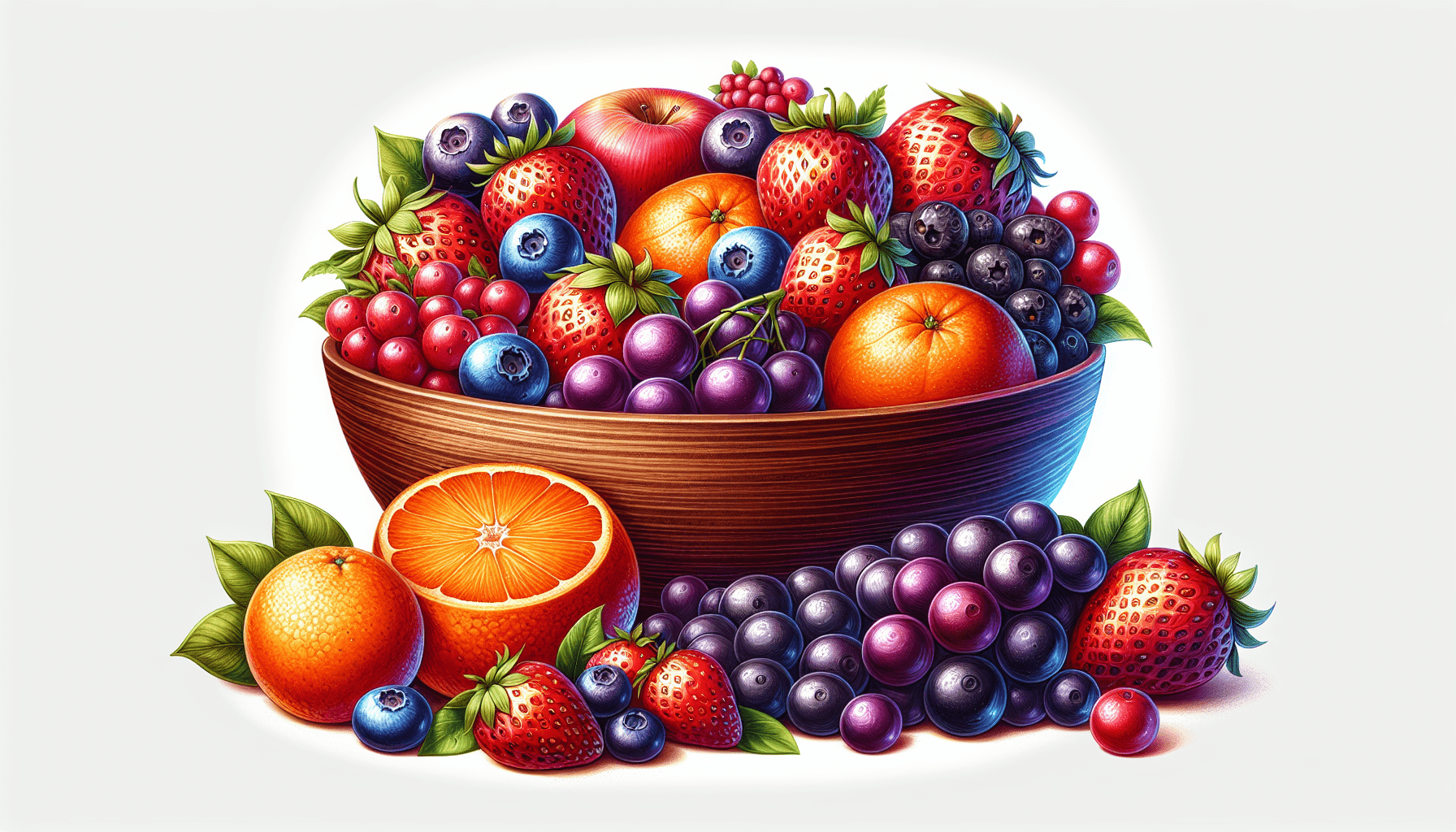
Looking to shed a few pounds but can’t resist the temptation of snacking? Look no further! This guide is here to help you master the art of healthy snacking for successful weight management. We all know how difficult it can be to resist those mid-afternoon cravings, but with these useful tips and tricks, you’ll be able to satisfy your hunger while still staying on track towards your weight loss goals. Say goodbye to mindless munching and hello to nutritious and guilt-free snacks that will keep you feeling satisfied and energized throughout the day. It’s time to snack smarter and achieve that healthy lifestyle you’ve been dreaming of!
Understanding the Importance of Healthy Snacking
Healthy snacking plays a crucial role in weight management. Many people assume that snacking leads to weight gain, but when done right, snacking can actually support your weight loss goals. By choosing the right snacks and practicing portion control, you can keep your hunger at bay, maintain your energy levels, and prevent overeating during meals.
Effects of Snacking on Weight Management
Snacking can have both positive and negative effects on weight management. When you choose unhealthy snacks that are high in calories, sugar, and unhealthy fats, it can lead to weight gain. On the other hand, when you opt for nutrient-dense snacks, it can help regulate your metabolism, curb cravings, and support weight loss. The key is to choose snacks that are low in calories but high in nutrients, as it helps keep you satisfied without adding excessive calories to your daily intake.
Benefits of Healthy Snacking for Weight Management
Incorporating healthy snacks into your daily routine offers several benefits for weight management. Firstly, it prevents extreme hunger, which can lead to overeating and poor food choices. When you go for long periods without eating, you’re more likely to reach for unhealthy options and consume larger portions. Snacking helps stabilize your blood sugar levels, providing a steady source of energy and preventing the sudden drops that can trigger cravings.
Additionally, healthy snacks can keep you feeling full between meals, reducing the temptation to overindulge during your main meals. This controlled approach to eating helps regulate your calorie intake and promotes sustainable weight loss. Lastly, snacking on nutritious foods can provide your body with essential vitamins, minerals, and antioxidants, nourishing your overall health and well-being.
Choosing Nutrient-Dense Snacks
When it comes to healthy snacking for weight management, choosing nutrient-dense snacks is essential. Nutrient-dense foods are those that provide a high amount of nutrients relative to their calorie content. This means you get more vitamins, minerals, and antioxidants without excessive calories, helping you reach your weight loss goals while staying nourished.
Identifying Nutrient-Dense Foods
To identify nutrient-dense snacks, focus on whole foods that are minimally processed. Fresh fruits and vegetables, lean proteins, whole grains, and healthy fats are excellent choices. These foods are rich in nutrients, fiber, and antioxidants, keeping you satisfied while promoting optimal health. Consider selecting a variety of colors in your fruits and vegetables to ensure you’re getting a wide range of vitamins and minerals.
Reading Food Labels
Reading food labels is crucial in determining the nutritional value of processed snacks. Look for snacks that are low in added sugars, unhealthy fats, and sodium. Pay attention to serving sizes and be mindful of portion control. Even if a snack claims to be “healthy,” it’s important to check the ingredients and nutritional facts to make informed choices.
Avoiding Processed Foods
Processed snacks often contain added sugars, unhealthy fats, and high amounts of sodium. These empty calories can contribute to weight gain and negatively impact your overall health. Opt for whole foods whenever possible, such as raw nuts, fresh fruits, and homemade snacks. When you do choose packaged snacks, read the labels carefully and look for options that are minimally processed and low in unhealthy ingredients.
Incorporating Fruits and Vegetables
Fruits and vegetables are excellent choices for healthy snacking. They’re low in calories, high in fiber, and packed with essential vitamins and minerals. Consider slicing some fresh fruits like apples, grapes, or berries to snack on throughout the day. Baby carrots, cucumber slices, or cherry tomatoes make great options when you’re craving something crunchy. Aim to include a mix of different fruits and vegetables to get a wide range of nutrients.
Including Protein-Rich Foods
Protein-rich snacks can help keep you feeling full and satisfied between meals. They also support muscle growth and repair, which is essential for weight management. Greek yogurt, cottage cheese, hard-boiled eggs, or a handful of nuts are excellent sources of protein. Pairing protein-rich snacks with fruits or vegetables can provide a well-rounded snack that keeps you energized and satiated.
Exploring Whole Grains
Whole grains are packed with fiber, which aids in digestion and keeps you feeling full. Replace refined grains like white bread, crackers, or pretzels with healthier alternatives such as whole grain crackers, rice cakes, or whole wheat bread. Whole grain snacks can provide sustained energy and help control cravings, making them ideal for weight management.
Opting for Healthy Fats
While it’s important to be mindful of portion sizes, healthy fats have their place in a balanced diet. Avocados, nuts, and seeds are great options for healthy fat sources. These snacks can keep you feeling full and satisfied, while also providing essential fatty acids that support overall health. Just remember to practice portion control, as healthy fats are more calorie-dense than proteins or carbohydrates.
Portion Control for Snacks
Portion control plays a significant role in healthy snacking for weight management. Even though you’re choosing nutritious snacks, consuming them in excessive amounts can still hinder your progress. By understanding serving sizes, using portion control tools, practicing mindful eating, and avoiding mindless snacking, you can ensure that your snacks contribute to your weight management goals.
Understanding Serving Sizes
Understanding serving sizes is essential to prevent overeating. Many people underestimate portion sizes, leading to excessive calorie intake. Take the time to familiarize yourself with serving sizes by checking food labels, using measuring cups or spoons, and practicing mindful portioning. By being aware of what constitutes a serving, you can make informed decisions about how much you’re consuming.
Using Portion Control Tools
Various portion control tools can help ensure you’re eating the right amount of snacks. Measuring cups, food scales, and portion control containers are all helpful devices that can prevent you from mindlessly overeating. These tools allow you to accurately measure your snacks and maintain portion sizes consistently.
Practicing Mindful Eating
Mindful eating involves paying full attention to the eating experience, savoring each bite, and being aware of your body’s hunger and fullness cues. When you practice mindful eating, you’re more likely to recognize when you’re satisfied and avoid overeating. Take the time to sit down and enjoy your snack without distractions, such as television or your phone. By focusing on the present moment and savoring each bite, you can better control your portion sizes and avoid mindless snacking.
Avoiding Mindless Snacking
Mindless snacking often occurs when we’re not paying attention to our hunger levels or when we’re using food as a form of distraction or comfort. To avoid mindless snacking, create a designated eating area, such as the dining table, where you consume your snacks consciously. Avoid snacking while watching TV or working on the computer, as these activities can lead to mindless overeating. By being intentional and present with your snacks, you can better manage your portions and maintain a healthier relationship with food.
Timing Your Snacks Wisely
Snack timing is another important factor to consider when it comes to healthy snacking for weight management. The timing of your snacks can impact your energy levels, digestion, and overall calorie intake. By understanding the importance of meal timing, choosing the right snack time, planning snacks around physical activity, and avoiding late-night snacking, you can optimize your snack routine for better weight management.
The Importance of Meal Timing
Maintaining a consistent eating schedule is crucial for weight management. Eating at regular intervals helps regulate your metabolism and keeps your energy levels steady throughout the day. Aim to have three balanced meals a day and consider incorporating snacks between meals to prevent extreme hunger and overeating. By spacing out your meals and snacks evenly, you can avoid energy crashes and maintain better control over your food choices.
Choosing the Right Snack Time
Choosing the right time to have your snacks can help support your weight management goals. It’s best to have your snacks when you start feeling hungry, but not overly hungry. Pay attention to your body’s natural hunger cues and opt for a snack when you start feeling a slight dip in energy or a growling stomach. By preemptively satisfying your hunger with a well-balanced snack, you can successfully avoid overeating during your main meals.
Planning Snacks around Physical Activity
If you engage in physical activity, planning your snacks around your workout routine can be beneficial. Consuming a snack before exercise can provide you with the necessary fuel to perform at your best. Choose a snack that contains carbohydrates for quick energy, such as a banana or a granola bar. After your workout, replenish your energy stores and support muscle recovery by having a protein-rich snack, like Greek yogurt or a handful of nuts. By fueling your body appropriately before and after exercise, you can optimize your performance and enhance your weight management efforts.
Avoiding Late-Night Snacking
Late-night snacking can be a common pitfall for many individuals trying to manage their weight. Eating close to bedtime can interfere with your body’s natural digestion process and lead to poor sleep quality. Additionally, people tend to opt for unhealthy snacks during late-night snacking, such as chips, cookies, or ice cream. To avoid late-night snacking, establish a cut-off time for eating, ideally two to three hours before bed. If you feel the urge to snack, choose a small portion of a nutrient-dense option, such as a slice of fruit or a handful of raw nuts.
Managing Emotional Eating
Emotional eating is a common challenge when it comes to weight management. It involves using food as a coping mechanism for emotional stress, boredom, or other negative emotions. By understanding your emotional triggers, exploring alternative coping mechanisms, and seeking support when needed, you can effectively manage emotional eating and make healthier choices.
Identifying Emotional Triggers
Emotional eating often occurs as a response to specific triggers or feelings. It’s important to identify your individual emotional triggers, such as stress, sadness, loneliness, or boredom. Pay attention to the situations or emotions that lead you to seek comfort in food. Keeping a journal can be helpful in recognizing patterns and triggers. By understanding your emotional triggers, you can develop strategies to cope with them in a healthier way.
Exploring Alternative Coping Mechanisms
Instead of turning to food, explore alternative coping mechanisms to deal with emotional stress. Engaging in physical activity, practicing relaxation techniques, journaling, or talking to a friend can provide relief from emotional distress without resorting to unhealthy snacking. Experiment with different activities and find what works best for you to help manage your emotions more effectively.
Finding Support or Professional Help
If emotional eating is a persistent challenge, seeking support from friends, family, or a professional can be beneficial. Share your struggles with trusted individuals who can provide encouragement and guidance. Additionally, consider speaking with a therapist or counselor who can help address the underlying emotional triggers and provide tools for managing emotions in a healthy way.
Healthy Snack Ideas
When it comes to healthy snacking for weight management, there are plenty of delicious and nutritious options to choose from. Here are some ideas to inspire you:
Fresh Fruit and Vegetable Slices
Sliced fruits and vegetables are refreshing, low in calories, and packed with nutrients. Enjoy a mix of colorful fruits like strawberries, blueberries, or watermelon. Crunch on sliced bell peppers, cucumbers, or celery for a satisfying snack.
Greek Yogurt with Berries
Greek yogurt is an excellent source of protein and calcium. Top it with fresh berries for added natural sweetness and antioxidants. Consider adding a sprinkle of granola or chopped nuts for added texture.
Nuts and Seeds
Nuts and seeds provide healthy fats, fiber, and protein. Enjoy a handful of almonds, walnuts, or pumpkin seeds for a satisfying snack that keeps you full. Opt for unsalted or lightly salted varieties to keep sodium intake in check.
Hummus with Whole Grain Crackers
Hummus is a flavorful and protein-rich dip. Pair it with whole grain crackers for a balanced snack. You can also add cucumber or carrot sticks for an extra crunchy element.
Hard-Boiled Eggs
Hard-boiled eggs are a convenient and protein-packed snack. Prepare a batch of eggs in advance and enjoy them as a quick and easy snack whenever hunger strikes.
Homemade Trail Mix
Create your own trail mix by combining a variety of nuts, seeds, and dried fruits. This customizable snack is packed with nutrients and can be portioned into small containers for on-the-go snacking.
Low-Fat Cheese with Whole Grain Crackers
Low-fat cheese paired with whole grain crackers offers a satisfying combination of protein, calcium, and fiber. Look for reduced-fat cheese options and whole grain crackers with minimal added sugars.
Smoothies with Spinach and Protein Powder
Whip up a nutrient-packed smoothie by blending spinach with your favorite fruits and a scoop of protein powder. This combination provides vitamins, minerals, and a protein boost to keep you full and energized.
Roasted Chickpeas
Roasted chickpeas are a crunchy and protein-rich snack option. Toss chickpeas in olive oil, spices, and roast them until crispy. They make a delicious alternative to traditional chips.
Edamame
Edamame is a soybean snack that’s high in protein and fiber. Steam or boil edamame pods and sprinkle them with a pinch of sea salt for a nutritious and satisfying snack.
Smart Snacking on the Go
Staying on track with healthy snacking can sometimes be a challenge when you’re constantly on the go. However, with proper preparation and planning, you can make smart snack choices wherever you are. Here are some tips for smart snacking on the go:
Preparation and Planning
Spend some time each week planning and preparing your snacks in advance. Wash and cut fruits and vegetables, portion out nuts or trail mix into small bags, and prepare homemade snacks that can be easily packed. By having pre-portioned snacks ready to grab, you’ll be less likely to reach for unhealthy options in moments of hunger.
Packing Portable Snacks
Invest in portable containers or small zip-top bags to pack your snacks. Opt for leak-proof containers for fruits with high water content to prevent any messes. Keep your snacks at hand in your bag or car, so you’re always prepared when hunger strikes.
Choosing Healthy Options at Convenience Stores
When you’re in need of a snack and find yourself at a convenience store, it’s still possible to make healthier choices. Look for options like fresh fruit cups, single-serve containers of Greek yogurt or hummus, or mixed nuts. Avoid sugary snacks, chips, or candy bars, and opt for nutrient-dense options whenever possible.
Making Healthier Fast Food Choices
If you find yourself needing a quick snack while on the road or in a rush, there are healthier fast food choices available. Look for options like grilled chicken wraps, side salads, or fruit cups. Choose water or unsweetened beverages instead of sugary sodas or milkshakes. While fast food should not be your go-to option, it’s possible to make more mindful choices when it’s your only option.
Snack Substitutions for Weight Management
Making smart snack substitutions can help support your weight management goals. By replacing sugary snacks with fruits, choosing whole foods over processed snacks, switching to baked or air-fried options, opting for low-fat or Greek yogurt, and replacing soda with sparkling water, you can make healthier choices without sacrificing flavor.
Replacing Sugary Snacks with Fruits
When you have a craving for something sweet, reach for a piece of fresh fruit instead of a sugary snack. Fruits are naturally sweet and packed with vitamins, minerals, and fiber. Satisfy your sweet tooth with options like berries, melons, or citrus fruits.
Choosing Whole Foods over Processed Snacks
Processed snacks like chips, cookies, and crackers are often high in added sugars, unhealthy fats, and sodium. Opt for whole food alternatives that provide more nutritional value. For example, choose a handful of raw nuts instead of chips or snack on sliced vegetables with hummus instead of processed crackers.
Switching to Baked or Air-Fried Options
If you enjoy crunchy snacks like chips or French fries, consider switching to baked or air-fried versions. These alternatives are typically lower in fat and calories compared to their deep-fried counterparts. Look for baked vegetable chips or make your own sweet potato fries in the oven for a healthier snack option.
Opting for Low-Fat or Greek Yogurt
If you’re a fan of creamy snacks, choose low-fat or Greek yogurt instead of full-fat options. Greek yogurt is higher in protein and lower in fat compared to regular yogurt, making it a more satiating choice. Add some fresh fruit or a drizzle of honey for extra flavor.
Replacing Soda with Sparkling Water
Sodas and sweetened beverages are loaded with sugar and empty calories. Replace these sugary drinks with sparkling water or infused water for a more refreshing and hydrating option. You can add a slice of lemon or cucumber to enhance the flavor without the added sugars.
Avoiding Common Snacking Traps
There are common snacking traps that can hinder your weight management efforts. By being aware of these pitfalls and taking proactive steps, you can minimize their impact and stay on track with your healthy snacking goals.
Mindless Eating While Watching TV
Mindless snacking often occurs when you’re engrossed in a movie or television show. The distraction makes it easy to eat mindlessly and consume more calories than you realize. To avoid this trap, practice portion control and choose healthier snack options. Opt for a small bowl or plate of your snack instead of eating straight from the bag. Also, consider engaging in activities that keep your hands occupied, such as knitting or coloring while watching TV, to prevent mindless snacking.
Snacking out of Boredom
Boredom can lead to mindless snacking as well. When you’re looking for something to do or eat out of boredom, it’s important to recognize the difference between physical hunger and emotional hunger. Before reaching for a snack, ask yourself if you’re genuinely hungry or if you’re just seeking stimulation. Find alternative activities to combat boredom, such as going for a walk, doing a puzzle, or calling a friend.
Mindlessly Grazing in the Kitchen
The proximity of snacks in the kitchen can make it tempting to mindlessly graze throughout the day. To avoid constant snacking, designate specific times and areas for eating. Create a snack station in your kitchen that contains your pre-portioned snacks, and only visit it during designated snack times. By separating the act of snacking from other activities, you can better manage your calorie intake and maintain control over your eating habits.
Snacking as a Reward or Punishment
Using food as a reward or punishment can create an unhealthy relationship with snacking. Rewarding yourself with food after achieving a goal or punishing yourself by depriving yourself of snacks can lead to emotional eating and negative associations with food. Instead, find non-food incentives or rewards for your accomplishments. Treat yourself to a massage, buy a new book, or plan a fun outing with friends to celebrate your achievements.
Compensating for Unhealthy Snacks
One common snacking trap is the idea of compensating for unhealthy snacks by restricting calories in other meals. This approach can disrupt your body’s natural hunger and fullness cues and lead to an unhealthy relationship with food. Instead, focus on consistently making nutritious snack choices and creating a balanced overall diet. By practicing portion control and choosing nutrient-dense snacks, you can sustainably reach your weight management goals without resorting to compensatory behaviors.
Staying Motivated and Consistent
Staying motivated and consistent is key to successful weight management. Here are some strategies to help you stay on track:
Setting Realistic Goals
Set realistic and achievable goals for your weight management journey. By breaking your goals down into smaller, actionable steps, you can celebrate small victories along the way and stay motivated. Remember that sustainable weight loss takes time, and focusing on overall health and well-being is more important than a quick fix.
Celebrating Non-Scale Victories
Weight management is not solely about the number on the scale. Celebrate non-scale victories, such as fitting into a smaller clothing size, feeling more energized, or noticing improvements in your overall health. Acknowledge and appreciate these achievements to stay motivated on your journey.
Tracking Progress
Keep track of your progress to stay accountable and recognize your achievements. Use a journal, app, or online tracker to record your food intake, exercise, and other relevant factors. This can help you identify patterns, make adjustments when necessary, and see the progress you’ve made over time.
Finding Healthy Snack Inspiration
Discovering new and exciting snack ideas can keep your snacking routine enjoyable and prevent it from becoming monotonous. Look for healthy snack recipes, browse through cookbooks or online resources, and experiment with different combinations of fruits, vegetables, and proteins. By incorporating variety into your snacking routine, you’re more likely to stay engaged and satisfied.
Rewarding Yourself with Non-Food Items
Instead of using food as a reward, consider treating yourself to non-food items when you achieve milestones in your weight management journey. Buy yourself a new workout outfit, schedule a spa day, or plan a weekend getaway. These non-food incentives can help you stay motivated and reinforce positive behaviors.
In conclusion, healthy snacking plays a significant role in weight management. By choosing nutrient-dense snacks, practicing portion control, timing your snacks wisely, managing emotional eating, and making smart snack substitutions, you can successfully support your weight management goals. Remember to stay motivated, celebrate your achievements, and enjoy the journey towards a healthier lifestyle. Happy snacking!