After an intense workout, it’s crucial to replenish your body with the right nutrients to aid in recovery and promote muscle growth. In this article, we will explore various ways you can nourish your body post-workout, from choosing the right foods to staying hydrated. By incorporating these tips into your routine, you can optimize your recovery process and enhance your overall fitness journey. So, let’s dive in and discover how you can fuel your body effectively after a workout!
Choosing the Right Post-Workout Fuel
Importance of post-workout nutrition
After a strenuous workout, your body needs proper nutrition to help it recover and replenish energy stores. Post-workout nutrition plays a crucial role in repairing damaged muscles, restoring glycogen stores, and promoting muscle growth. It is important to fuel your body with the right nutrients to optimize your recovery and achieve your fitness goals.
Carbohydrates for replenishing glycogen stores
Carbohydrates are the body’s primary source of energy, and consuming them after a workout is essential for replenishing glycogen stores that get depleted during exercise. Glycogen is stored in your muscles and liver and serves as a readily available energy source. Including carbohydrates in your post-workout meal helps restore these glycogen stores, providing the energy needed for future workouts and preventing muscle fatigue.
Protein for muscle repair and growth
Protein plays an integral role in repairing damaged muscle tissue and promoting muscle growth. When you exercise, your muscles undergo micro-tears, and consuming protein after a workout helps repair and rebuild these muscles, making them stronger and more resistant to future damage. Including an adequate amount of protein in your post-workout meal ensures that your body has the necessary building blocks for muscle repair and growth.
Healthy fats for joint health and inflammation control
While carbohydrates and protein are often the focus in post-workout nutrition, healthy fats should not be overlooked. Including sources of healthy fats, such as avocados, nuts, and seeds, in your post-workout meal can have numerous benefits. Healthy fats promote joint health, help reduce inflammation in the body, and support the absorption of fat-soluble vitamins. Adding a small amount of healthy fats to your post-workout meal can contribute to overall recovery and enhance your exercise performance.
Timing Your Post-Workout Meal
The importance of timing
Timing is crucial when it comes to post-workout nutrition. After a workout, your body is in a highly receptive state, and the nutrients you consume have a greater impact on your recovery. Consuming a balanced meal or snack within the optimal time frame can help maximize muscle repair, replenish glycogen stores, and kick-start the recovery process.
The anabolic window
Many people believe in the concept of an “anabolic window,” which refers to a specific period after exercise when your body is primed for nutrient uptake and muscle repair. While the exact duration of this window varies among individuals, it is generally believed to occur within 30-60 minutes post-workout. During this time, your body is more efficient at utilizing the nutrients you consume, making it an ideal opportunity to fuel up.
Eating within 30-60 minutes
To make the most of the anabolic window, it is recommended to consume a post-workout meal or snack within 30-60 minutes after exercise. This time frame allows for optimal nutrient absorption and replenishment of energy stores. Aim for a balanced meal that includes carbohydrates, protein, and healthy fats to provide the necessary nutrients your body needs to recover and rebuild.
If unable to eat immediately after
In some cases, it may not be possible to eat immediately after your workout due to time constraints or other reasons. If this is the case, try to consume a small snack or drink containing carbohydrates and protein as soon as possible. This can be a protein shake, a piece of fruit with nut butter, or a handful of nuts. While it may not be as ideal as a complete meal, it can still provide your body with the necessary nutrients to kick-start the recovery process.

Hydrating and Replenishing Electrolytes
The role of hydration in recovery
Proper hydration is essential for overall health, but it becomes even more crucial after a workout. During exercise, your body loses fluid through sweat, and staying hydrated post-workout helps replace those losses and maintain proper bodily functions. Dehydration can lead to decreased exercise performance, muscle cramps, and other negative effects on recovery.
Importance of electrolytes
Electrolytes are minerals that play a vital role in various bodily functions, including muscle contractions and nerve impulses. When you sweat, you not only lose water but also electrolytes like sodium, potassium, and magnesium. Replenishing these electrolytes is important for maintaining fluid balance, muscle function, and overall hydration.
Best hydrating fluids
Water is a fundamental choice for hydration, but there are also other fluids that can help replenish electrolytes and hydrate your body more effectively. Sports drinks, coconut water, and electrolyte-enhanced beverages can be useful in providing both water and essential electrolytes after a workout. If you prefer a natural option, you can make your own electrolyte-rich drink by mixing water, a pinch of sea salt, lemon juice, and a touch of honey.
Including electrolyte-rich foods in your meals
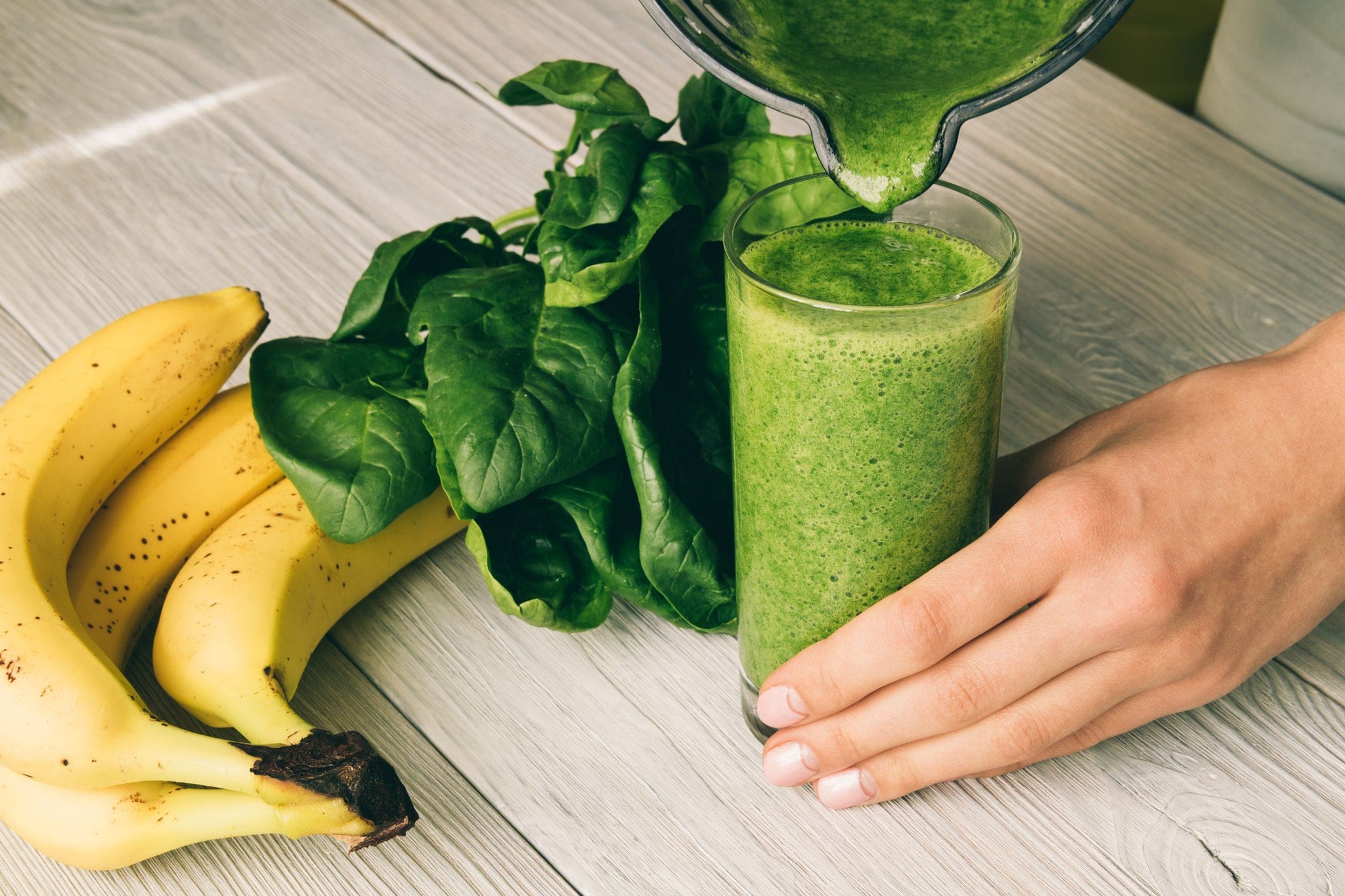
In addition to hydrating fluids, incorporating electrolyte-rich foods into your post-workout meals can further support your body’s recovery and electrolyte balance. Foods such as bananas, oranges, spinach, yogurt, and nuts are rich in essential electrolytes like potassium and magnesium. Including these foods in your meals ensures a well-rounded approach to hydration and replenishment of electrolytes.
Including Whole Foods in Your Post-Workout Diet
Benefits of whole foods
Whole foods, as opposed to processed foods, are an excellent choice for post-workout nutrition. They provide a wide range of vitamins, minerals, fiber, and other beneficial compounds that support overall health and aid in recovery. Whole foods also tend to be less processed, meaning they retain more of their natural nutrients and can better fuel your body after a workout.
Lean proteins like chicken, fish, and tofu
Protein is a crucial nutrient for muscle repair and growth, and consuming lean sources of protein is important for post-workout nutrition. Options like chicken, fish, tofu, and legumes provide high-quality protein with minimal amounts of saturated fat. These lean protein sources supply essential amino acids that your body needs to rebuild muscles and promote optimal recovery.
Healthy carbohydrates like fruits and vegetables
When it comes to carbohydrates, opting for healthy sources like fruits and vegetables is key. These carbohydrate-rich foods provide essential vitamins, minerals, and fiber, along with a steady release of energy. Fruits like berries and bananas, as well as vegetables like sweet potatoes and leafy greens, are excellent choices that can help replenish glycogen stores and support your recovery.
Nutrient-dense snacks like nuts and seeds
Including nutrient-dense snacks in your post-workout diet can supply additional essential nutrients and support your overall recovery. Nuts and seeds, such as almonds, walnuts, chia seeds, and flaxseeds, are rich in healthy fats, protein, fiber, and various vitamins and minerals. These snacks can provide a satisfying crunch while supplying your body with the necessary nutrients to repair and rebuild.
Building a Balanced Post-Workout Plate
Protein serving size and sources
A balanced post-workout plate should include an adequate amount of protein to support muscle repair and growth. The ideal serving size of protein will vary depending on individual factors such as body weight, fitness goals, and activity level. Generally, aim for 20-30 grams of protein per meal as a starting point. Lean options like grilled chicken, salmon, Greek yogurt, or plant-based protein sources like lentils or quinoa can provide the necessary protein to support your recovery.
Carbohydrate serving size and options
Just like with protein, the serving size of carbohydrates will depend on your individual needs and goals. Including a moderate portion of carbohydrates in your post-workout meal is crucial for replenishing glycogen stores and providing energy for future workouts. Opt for complex carbohydrates like whole grains, fruits, and vegetables, rather than simple carbohydrates, as they provide a more sustained release of energy.
Incorporating healthy fats
Don’t forget to include a small amount of healthy fats in your post-workout plate. Fats are important for nutrient absorption, joint health, and hormone regulation. Adding a tablespoon of olive oil to your salad or including half an avocado in your post-workout meal can provide the necessary healthy fats without overwhelming the overall balance of the plate.
Including a variety of fruits and vegetables
Filling your plate with a variety of colorful fruits and vegetables is essential for providing a wide range of vitamins, minerals, and antioxidants. Each fruit and vegetable possesses its unique profile of beneficial compounds, so incorporating a diverse selection ensures that you receive a broad spectrum of nutrients to support your recovery and overall health.
Supplementing Your Post-Workout Diet
The role of supplements
Supplements can be a convenient way to complement your post-workout diet and ensure you’re meeting your nutritional needs. While whole foods should always form the basis of your nutrition, certain supplements can provide additional support for muscle recovery, strength, and endurance.
Protein shakes and bars
Protein shakes and bars are popular post-workout supplements that provide a quick and convenient source of protein. They can be particularly useful if you are in a rush or have difficulty eating a full meal immediately after your workout. Look for high-quality protein powder or bars that contain minimal added sugars and additives.
BCAAs for muscle recovery
Branched-chain amino acids (BCAAs) are a popular supplement known for their role in muscle recovery and reducing muscle soreness. BCAAs, specifically leucine, isoleucine, and valine, are essential amino acids that can stimulate muscle protein synthesis. Adding BCAAs to your post-workout routine may aid in muscle repair and enhance recovery.
Creatine for strength and endurance
Creatine is a well-researched supplement that can enhance strength, power, and exercise performance. It works by increasing the production of adenosine triphosphate (ATP), the primary energy source for muscle contractions. Supplementing with creatine post-workout may help with recovery and support your long-term fitness goals.

Listening to Your Body’s Signals
Recognizing hunger and satiety cues
Being in tune with your body’s hunger and satiety cues is important when it comes to post-workout nutrition. Listen to your body and consume food when you genuinely feel hungry. Equally, pay attention to your body’s signals of fullness and stop eating when you feel satisfied. This intuitive approach to eating ensures that you provide your body with the necessary nutrients without overeating.
Personalized post-workout nutrition needs
Post-workout nutrition needs can vary greatly depending on factors such as body composition, activity level, and training goals. It’s essential to recognize that everyone’s body is unique, and what works for one person may not work for another. Experiment with different ratios and types of nutrients to find the post-workout nutrition approach that best supports your individual needs.
Adjusting portion sizes as needed
As you become more familiar with your body’s signals and post-workout nutrition needs, you can adjust your portion sizes accordingly. If you find that you feel overly full or lack energy after your post-workout meal, consider reducing the portion size. On the other hand, if you consistently feel hungry or lack energy, you may need to increase the portion sizes to better fuel your body’s recovery.
Seeking professional advice if necessary
If you have specific dietary restrictions, health concerns, or struggle with creating a personalized post-workout nutrition plan, it’s recommended to seek professional advice. Registered dietitians or nutritionists can assess your individual needs and provide tailored guidance to help you optimize your post-workout nutrition routine.
Rest and Recovery
The importance of rest days
While nutrition plays a vital role in recovery, rest is equally important. Rest days allow your body to repair and rebuild, reducing the risk of injury and improving overall performance. Incorporating regular rest days into your workout routine ensures that your body has adequate time to heal and adapt to the stress of exercise.
Sleep and its impact on recovery
Quality sleep is essential for optimal recovery. During sleep, your body repairs damaged tissues, restores energy levels, and regulates hormones. Aim for 7-9 hours of uninterrupted sleep each night to support your post-workout recovery and overall well-being.
Active recovery exercises
Active recovery exercises are low-intensity activities that promote blood flow, reduce muscle soreness, and aid in recovery. Engaging in activities such as yoga, walking, swimming, or light stretching on your rest days can help alleviate muscle tension and enhance your overall recovery process.
Giving your body time to heal
Above all, remember to listen to your body and give it the time it needs to heal. Pushing through intense workouts without giving your body proper rest and recovery can lead to burnout, fatigue, and increased risk of injury. Be mindful of any signs of overtraining, such as chronic fatigue, decreased performance, or prolonged muscle soreness, and adjust your routine accordingly.
Avoiding Common Post-Workout Mistakes
Skipping post-workout nutrition
One common mistake people make is skipping post-workout nutrition altogether. It’s crucial to provide your body with the necessary nutrients it needs to recover and replenish energy stores. Even if you don’t have a full meal available, try to consume a small snack or drink containing carbohydrates and protein.
Overconsumption of unhealthy foods
Another mistake many individuals make is overindulging in unhealthy foods after a workout, thinking they have earned it. While it’s perfectly okay to enjoy treats in moderation, filling your post-workout plate with processed foods, sugary snacks, or excessive amounts of fats can hinder your recovery and affect your progress. Strive for a balanced approach and focus on fueling your body with nutrient-dense foods.
Relying solely on supplements
While supplements can be beneficial, it’s important to remember that they should not replace a well-balanced, whole foods-based diet. Supplements should complement your nutrition, not replace it. Focus on incorporating whole foods rich in essential nutrients into your post-workout routine, and use supplements as an additional support if needed.
Ignoring hydration
Hydration is often overlooked, but it is a critical aspect of post-workout recovery. Ignoring proper hydration can lead to decreased exercise performance, muscle cramps, and hinder your overall recovery. Make sure to drink enough water throughout the day, especially before, during, and after your workouts.
Keeping Consistency in Your Post-Workout Routine
Making post-workout nutrition a habit
Consistency is key when it comes to post-workout nutrition. To ensure you fuel your body optimally after each workout, make it a habit. Set a routine for yourself, whether it’s preparing meals in advance, having grab-and-go snacks on hand, or scheduling time for a post-workout meal. By making it a habit, you are more likely to stick to your post-workout nutrition plan.
Meal prepping for convenience
Meal prepping can be a game-changer when it comes to post-workout nutrition. By preparing your meals in advance, you eliminate decision fatigue and ensure you have nutritious options readily available. Dedicate a specific day or time each week to plan and prepare your post-workout meals, making it easier to stay on track and avoid reaching for unhealthy choices.
Adjusting your routine as needed
As your fitness goals, training intensity, and body composition change, your post-workout nutrition needs may also evolve. Be open to adjusting your routine and experimenting with different approaches. What worked for you initially may not be best for your current stage of fitness. Regularly assess your progress and make adjustments as needed to ensure optimal recovery and performance.
Tracking progress and adjustments
Keeping track of your post-workout nutrition, along with your workout performance and overall well-being, can help you identify what works best for your body. Consider keeping a journal or using a tracking app to monitor your energy levels, recovery times, and any changes in your physique or strength. By tracking your progress and adjustments, you can fine-tune your post-workout routine to achieve the best possible outcomes.
In conclusion, nourishing your body with the right post-workout fuel is essential for optimal recovery and achieving your fitness goals. Remember the importance of carbohydrates, protein, and healthy fats in replenishing energy stores, promoting muscle repair, and supporting overall recovery. Prioritize timing your post-workout meal within the anabolic window to maximize nutrient uptake and kick-start the recovery process. Hydrate properly and replenish electrolytes to support hydration and muscle function. Incorporate whole foods rich in essential nutrients and customize your portion sizes to meet your specific needs. Consider supplemental support, but always prioritize whole foods as the foundation of your nutrition. Listen to your body’s signals and give it the rest and recovery it needs. Avoid common post-workout mistakes, stay consistent with your routine, and track your progress to make adjustments as necessary. By prioritizing your post-workout nutrition, you will fuel your body for success and optimize your fitness journey.