
Are you struggling to maintain a healthy diet and control your portions? Look no further! This article serves as your ultimate guide to understanding portion control. Discover practical tips and tricks that will help you make mindful decisions when it comes to eating. From visual cues to using smaller plates, we’ve got you covered. Say goodbye to overeating and hello to a balanced and satisfying meal. Let’s embark on this journey towards better portion control together!

What is Portion Control?
Definition
Portion control refers to the practice of managing the amount of food we consume in a single sitting. It involves being mindful of serving sizes and not exceeding them. By controlling the size of our portions, we can ensure that we are not overeating and maintain a healthy balance in our diet.
Importance
Portion control plays a crucial role in maintaining a healthy lifestyle. It helps prevent overeating, which can lead to weight gain and obesity. By keeping our portions in check, we can also ensure that we are consuming a balanced diet and getting all the essential nutrients our body needs.
Benefits
Practicing portion control offers numerous benefits for our overall well-being. Firstly, it helps with weight management. By eating smaller portions, we can create a calorie deficit, which can contribute to weight loss or maintenance. Secondly, portion control ensures we are getting a proper balance of macronutrients (carbohydrates, proteins, and fats) and essential vitamins and minerals. Lastly, it promotes healthy digestion, as consuming smaller and well-balanced portions can prevent discomfort and digestive issues.
Understanding Serving Sizes
Difference between Portion and Serving Size
While the terms “portion” and “serving size” are often used interchangeably, they have different meanings. A portion refers to the amount of food an individual chooses to eat, while a serving size is a standardized amount of food set by health authorities or food manufacturers. Understanding the difference between the two is crucial for practicing portion control effectively.
How to Determine Serving Sizes
Determining serving sizes can be challenging, as various factors, such as age, sex, and activity level, can influence our individual requirements. A general rule of thumb is to refer to nutritional labels and use measuring tools such as cups and spoons. Additionally, online resources and portion control guides can provide valuable information on proper serving sizes for different food groups.
Common Serving Size Guidelines
Common serving size guidelines are designed to help individuals make informed decisions about portion control. For example, a standard serving size of carbohydrates like pasta or rice is about half a cup, while a serving of protein, such as chicken or fish, is roughly the size of a deck of cards. When it comes to fruits and vegetables, one serving is generally equivalent to one medium-sized piece or half a cup of chopped produce. It is essential to familiarize yourself with these guidelines to ensure you are consuming appropriate portion sizes.
Why is Portion Control Important?
Weight Management
One of the primary reasons why portion control is important is that it aids in weight management. When we consume larger portions than our body needs, the excess calories can be stored as fat, leading to weight gain. By practicing portion control, we can create a calorie deficit and achieve a healthier weight.
Nutritional Balance
Portion control is also crucial for maintaining a balanced diet. By controlling our portion sizes, we can ensure that we are consuming the right amount of macronutrients (carbohydrates, proteins, and fats) and essential vitamins and minerals. This balance is essential for overall health and well-being.
Health Benefits
In addition to weight management and nutritional balance, portion control offers various health benefits. It can help regulate blood sugar levels, lower cholesterol, and reduce the risk of chronic diseases such as heart disease and diabetes. By practicing portion control, we can improve our overall health and decrease the likelihood of developing these conditions.
Challenges in Portion Control
Food Labels
One of the challenges in portion control is deciphering food labels. Many packaged foods provide serving sizes that may differ from what individuals typically consider as a portion. It is essential to carefully read and understand food labels to accurately determine the serving size and make informed choices.
Eating Out
Eating out at restaurants or ordering takeout can present challenges when it comes to portion control. Restaurants often serve larger portions than necessary, which can lead to overeating. It is crucial to be mindful of portion sizes, share meals if possible, or request smaller portions when dining out.
Social Pressures
Social pressures can also make portion control challenging. In social settings, such as parties or family gatherings, there may be pressure to consume larger portions, indulge in unhealthy foods, or go for seconds. It is important to prioritize our health and well-being by sticking to moderate portion sizes and making healthier choices.

Tips for Portion Control
Use Smaller Plates and Bowls
One effective strategy for portion control is to use smaller plates and bowls. By using smaller dishware, we can trick our minds into perceiving a larger portion, even when the quantity remains the same. This can help us feel satisfied with smaller amounts of food.
Measure and Weigh Food
Measuring and weighing food is an excellent way to ensure accurate portion control. Using measuring cups and spoons can help us portion out appropriate amounts of ingredients. A food scale is also a valuable tool for measuring ingredients, especially when cooking or baking.
Practice Mindful Eating
Mindful eating is a practice that involves being fully present during meals and paying attention to the taste, texture, and satisfaction levels of the food. By practicing mindful eating, we can become more aware of our hunger and fullness cues, which can prevent overeating and promote portion control.
Portion Control for Different Food Groups
Grains and Starches
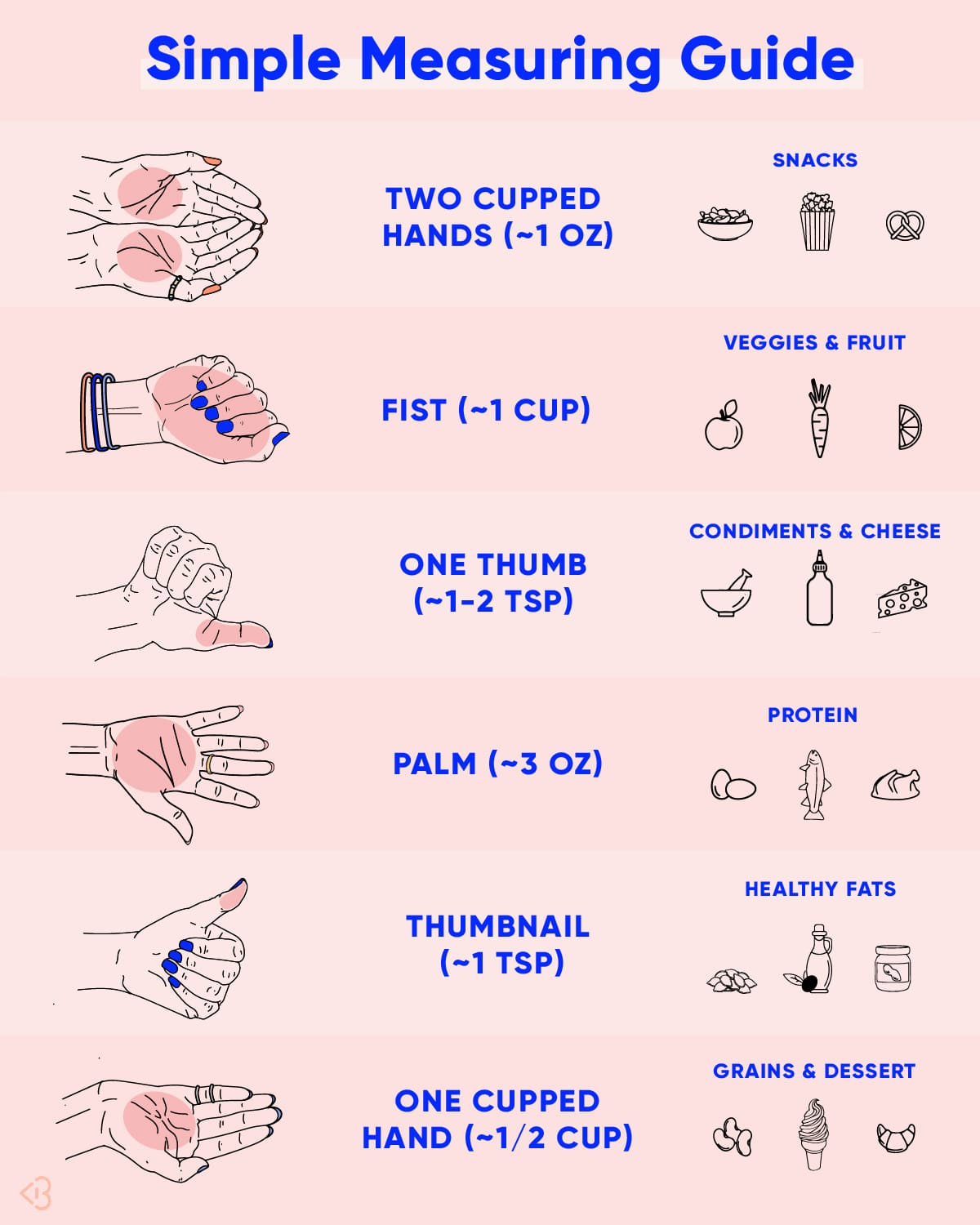
When it comes to grains and starches, such as rice, pasta, or bread, it is important to pay attention to portion sizes. A typical serving size of these foods is about half a cup, which should be measured before cooking. Opting for whole grains whenever possible is also advisable for added nutritional benefits.
Proteins
Proteins, such as chicken, fish, or tofu, are essential for building and repairing body tissues. A standard portion size for protein is roughly the size of a deck of cards or the palm of your hand. It is recommended to include a variety of lean proteins in your diet and to remove any visible fat before cooking.
Fruits and Vegetables
Fruits and vegetables are packed with essential vitamins, minerals, and fiber. One serving of fruits or vegetables is generally equivalent to one medium-sized piece or half a cup of chopped produce. Aim to incorporate a variety of colorful fruits and vegetables into your meals for maximum nutritional benefits.
Fats and Oils
While fats and oils are necessary for our bodies, they are high in calories, so it is important to pay attention to portion sizes. A general guideline for fats and oils is one teaspoon for cooking or one tablespoon for dressings and spreads. Choosing healthier fats, such as avocados or olive oil, is recommended.
Dairy Products
Dairy products like milk, cheese, and yogurt are excellent sources of calcium and other essential nutrients. A serving size for dairy is typically one cup of milk or yogurt, or 1.5 ounces of cheese. Opt for low-fat or non-fat dairy options and be mindful of portion sizes to maintain a balanced diet.
Portion Control Strategies for Specific Situations
Snacking
Snacking can often lead to mindless eating and overindulgence. To practice portion control while snacking, it is helpful to pre-portion snacks into smaller containers or bags. This ensures that you are not consuming more than intended and helps with portion awareness.
Eating at Restaurants
When eating at restaurants, it can be challenging to control portion sizes. One strategy is to share a meal with a dining partner or ask for a take-out container at the beginning of the meal to save leftovers for later. Additionally, paying attention to hunger and fullness cues can prevent overeating and promote portion control.
Cooking at Home
Cooking at home gives you full control over portion sizes. Use measuring tools to portion out ingredients accurately and be mindful of recipe serving sizes. It is also helpful to prepare extra vegetables and include them in your meals to increase the volume without adding excessive calories.
Common Portion Control Mistakes to Avoid
Eating Straight from Packaging
One common mistake in portion control is eating directly from packaging. This can lead to mindless eating and make it difficult to keep track of portion sizes. Instead, measure out your desired portion onto a plate or bowl, which allows for better portion awareness.
Ignoring Liquid Calories
Liquid calories, such as those from sugary drinks or alcohol, are often overlooked in portion control efforts. These calories can add up quickly and sabotage your goals. Be mindful of your beverage choices and opt for water, unsweetened tea, or other low-calorie options whenever possible.
Mindless Eating
Eating while distracted, such as watching TV or working, can lead to mindless eating and overconsumption. Be mindful of your eating habits and try to eat without distractions. Focus on the taste and enjoyment of your food, and pay attention to your body’s hunger and fullness cues.

Tools and Resources for Portion Control
Food Scale
A food scale is a useful tool for accurately measuring portion sizes, especially when it comes to ingredients used in cooking and baking. It allows for precise measurements and helps ensure that you are not unintentionally consuming larger portions than intended.
Measuring Cups and Spoons
Measuring cups and spoons are essential tools for portion control. They allow you to measure out precise amounts of ingredients and ensure accurate portion sizes. Having a set of measuring cups and spoons in your kitchen can greatly assist in practicing portion control.
Portion Control Plates
Portion control plates are designed with portion guidelines marked directly on the plate. These plates help visually guide you in portioning out appropriate amounts of different food groups. Using portion control plates can be a helpful way to maintain portion sizes without the need for measuring tools.
Conclusion
Incorporating portion control into your daily life is crucial for maintaining a healthy lifestyle. By being mindful of serving sizes, practicing portion control promotes weight management, nutritional balance, and overall health benefits. Despite the challenges, there are various strategies and tools available to help you achieve portion control and make informed choices about your food intake. Remember to use smaller plates and bowls, measure and weigh your food, and engage in mindful eating. By making portion control a priority, you can enhance your overall well-being and maintain a balanced diet.
