Are you curious about how healthcare policy is shaping the future of telemedicine? Well, look no further. This article will explore the relationship between healthcare policy and the rapidly expanding field of telemedicine. Discover how policy decisions are impacting the accessibility, affordability, and overall quality of healthcare through the use of telemedicine, and gain insights into what this means for the future of healthcare delivery. So, grab a cup of coffee, sit back, and let’s dive into this fascinating topic.
Current healthcare policy landscape
The role of government in healthcare policy
In the current healthcare policy landscape, the role of government is crucial in shaping and regulating the healthcare industry. Governments around the world, at both the national and local levels, establish and implement policies that govern healthcare practices, delivery systems, and financing. They play a pivotal role in ensuring that healthcare is accessible, affordable, and of high quality for their citizens. Government agencies, such as the Department of Health and Human Services in the United States, are responsible for setting standards, coordinating healthcare delivery, and developing regulations that govern healthcare providers and facilities. The government’s involvement in healthcare policy seeks to protect public health, address healthcare disparities, and promote the overall well-being of individuals and communities.
Key healthcare policy issues
Various healthcare policy issues are at the forefront of the current healthcare landscape. These issues include healthcare access and affordability, healthcare quality and outcomes, and healthcare system sustainability. Accessibility to healthcare services remains a significant challenge for many individuals, particularly those in rural or underserved areas. Issues such as long wait times, lack of healthcare providers, and geographic barriers can limit access to necessary medical care. Affordability is another critical issue, with the rising costs of healthcare services and insurance premiums placing a burden on individuals and families. Policymakers are continuously seeking ways to address these issues and ensure that healthcare remains accessible and affordable for all.
Quality of care and patient outcomes are areas of focus in healthcare policy. Policymakers aim to establish standards and regulations that promote high-quality care while ensuring patient safety. Additionally, healthcare policies prioritize improving health outcomes for individuals, focusing on preventive care, chronic disease management, and reducing healthcare-associated infections and medical errors.
Sustainability of the healthcare system is another key policy issue. Healthcare costs continue to rise, straining healthcare budgets and overall economic stability. Policymakers explore ways to control costs, increase efficiency, and promote value-based care models that prioritize quality and outcomes rather than volume of services. These policy initiatives are aimed at ensuring the long-term viability of healthcare delivery systems while maintaining the highest standards of care.
Telemedicine’s current position in healthcare policy
Telemedicine, also known as telehealth, is an innovative approach that utilizes technology to deliver healthcare services remotely. It encompasses a wide range of services, including virtual consultations, remote monitoring, and electronic transmission of medical information. While telemedicine has been available for several years, its current position in healthcare policy has evolved significantly, particularly in light of the COVID-19 pandemic.
Prior to the pandemic, telemedicine was gaining recognition as a potential solution to address healthcare access and affordability issues. However, its adoption and integration into healthcare policy varied across different regions and healthcare systems. Some areas had favorable policies and reimbursement structures in place to support telemedicine, while others faced regulatory barriers and limited reimbursement options.
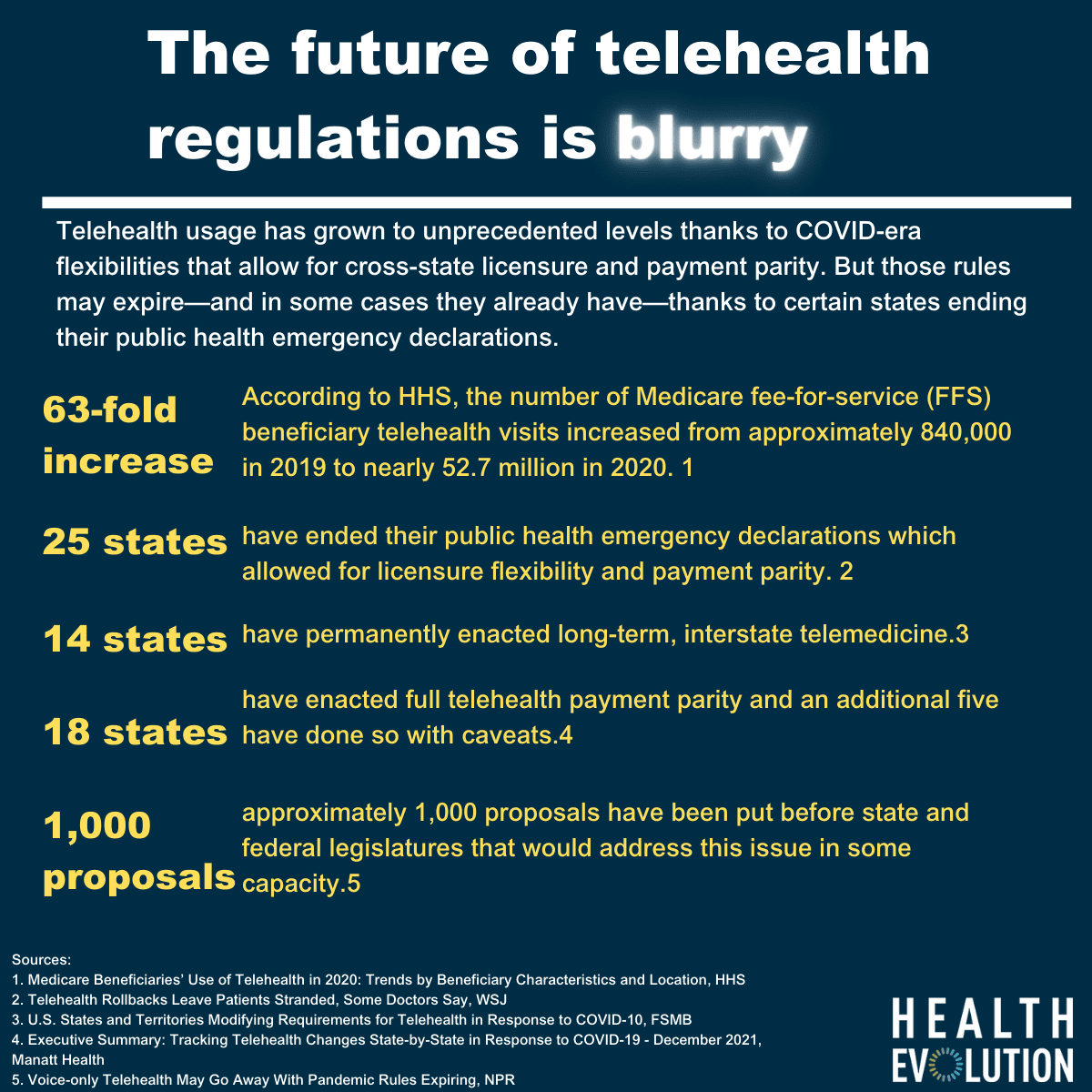
The pandemic acted as a catalyst for the widespread adoption and integration of telemedicine into healthcare policy. With social distancing measures and a need to reduce in-person healthcare visits, telemedicine became a critical tool for ensuring continuous access to care while mitigating the risk of viral transmission. Governments and regulatory bodies quickly implemented policy changes and adaptations to enable the use of telemedicine on a larger scale. These changes included expanding reimbursement options, easing licensing restrictions, and promoting telemedicine as a viable alternative to in-person care. As a result, telemedicine has now become an integral part of healthcare policy, with its use expected to continue even beyond the pandemic.
Understanding telemedicine
Definition and scope of telemedicine
Telemedicine refers to the use of telecommunications technology to provide healthcare services remotely. It encompasses a broad range of services, including virtual consultations, remote patient monitoring, electronic transmission of medical images and data, and even virtual reality-based procedures. Telemedicine allows healthcare professionals to evaluate, diagnose, and treat patients without the need for in-person visits. It can be conducted through various means, including video conferencing, phone calls, secure messaging, and mobile applications.
The scope of telemedicine extends to various healthcare specialties and settings. It can be utilized in primary care, specialty care, mental health services, rehabilitation, and even emergency medicine. Telemedicine can be particularly beneficial in addressing healthcare disparities by providing access to care for individuals in rural or remote areas who may have limited access to healthcare facilities or specialists.
Different types of telemedicine services
Telemedicine encompasses several types of services that can be delivered remotely. These services include:
- Virtual consultations: Patients can connect with healthcare providers through video conferencing or phone calls, allowing for remote diagnosis, evaluation, and treatment. Virtual consultations can take place in real-time or as scheduled appointments.
- Remote patient monitoring: Devices and sensors can be used to monitor patients’ vital signs, such as blood pressure, heart rate, glucose levels, and oxygen levels. The data can be transmitted electronically to healthcare providers for review and analysis, allowing for proactive interventions and remote monitoring of chronic conditions.
- Store-and-forward: This telemedicine service involves the electronic transmission of medical images, test results, and other relevant medical information from one healthcare provider to another. It enables specialists to review and provide consultations without the need for in-person visits.
- Mobile health (mHealth) applications: These smartphone applications allow patients to access healthcare information, track their health data, receive reminders for medications and appointments, and communicate with healthcare providers.
- Remote surgical procedures: With advancements in technology, telemedicine has even been utilized to perform surgical procedures remotely. Surgeons can use robotic systems and high-speed internet connections to conduct surgeries from a different location while controlling robotic arms and instruments.
These telemedicine services offer flexibility, convenience, and the potential for improved coordination of care, ultimately enhancing the overall patient experience.
Benefits and drawbacks of telemedicine
Telemedicine brings several benefits to patients, healthcare providers, and healthcare systems as a whole. Some of the significant benefits of telemedicine include:
- Increased accessibility: Telemedicine eliminates geographical barriers and allows patients to receive care regardless of their location. It is particularly beneficial for individuals living in rural or underserved areas who may have limited access to healthcare services.
- Enhanced convenience: Patients can receive healthcare services from the comfort of their homes, reducing the need for travel, long wait times, and time away from work or other commitments.
- Improved care coordination: Telemedicine allows for better coordination of care between healthcare providers, as medical information can be easily shared and accessed electronically. This enhances continuity of care and reduces the likelihood of medical errors or duplicative tests.
- Cost savings: Telemedicine has the potential to reduce healthcare costs for both patients and healthcare systems. With remote consultations, patients can avoid transportation expenses, and healthcare facilities can reduce overhead costs associated with in-person visits.
- Better disease management: Telemedicine enables regular monitoring and follow-up for patients with chronic conditions, ensuring timely interventions and proactive management. This can lead to improved health outcomes and reduced hospitalizations.
While telemedicine offers numerous benefits, there are also some drawbacks to consider. These include:
- Technological barriers: Not all individuals have access to the necessary technology or internet connection required for telemedicine. This creates a digital divide that may limit the adoption and utilization of telemedicine services, particularly among disadvantaged populations.
- Limitations in diagnosis and treatment: Some medical conditions may require in-person evaluation, physical examinations, or diagnostic tests that cannot be adequately conducted through telemedicine. Healthcare providers must carefully evaluate which conditions are suitable for remote care and when in-person visits are necessary.
- Limited personal interaction: Telemedicine may lack the personal touch and face-to-face interaction that occurs during in-person visits. This can potentially impact the patient-provider relationship and hinder the development of trust and rapport.
Overall, telemedicine’s benefits outweigh its drawbacks, and the continued advancement of technology and policy support is expected to address many of these limitations.
The impact of telemedicine on healthcare policy
Increasing healthcare access through telemedicine
Telemedicine has a significant impact on increasing healthcare access, particularly for individuals living in remote or underserved areas. By eliminating geographical barriers, telemedicine allows patients to receive medical care from healthcare providers who may be located in a different city, state, or even country. This increased accessibility ensures that patients have access to a wider range of specialists and healthcare services that may not be available locally.
Moreover, telemedicine reduces the need for travel and physical presence at healthcare facilities, making it especially beneficial for patients with mobility issues, transportation constraints, or those who reside in areas with limited healthcare infrastructure. Individuals who previously faced challenges in accessing healthcare services can now receive timely and convenient care through telemedicine.
Policymakers recognize the potential of telemedicine in improving healthcare access and have introduced various initiatives to promote its utilization. These initiatives include legislation to improve reimbursement for telemedicine services, easing licensing restrictions to enable cross-border telemedicine, and supporting the development of telemedicine infrastructure in underserved areas. By providing policy support and incentives, governments are striving to ensure that telemedicine becomes an integral part of healthcare delivery, enabling equitable access to care for all individuals.
Reducing healthcare costs with telemedicine
Telemedicine has the potential to significantly reduce healthcare costs for both patients and healthcare systems. By providing remote consultations, telemedicine eliminates the need for patients to travel to healthcare facilities, reducing transportation costs and minimizing time away from work. Additionally, telemedicine decreases the demand for physical infrastructure, such as waiting rooms and examination rooms, thereby reducing overhead costs for healthcare facilities. These savings can be substantial, particularly for healthcare systems that experience high patient volumes or serve geographically dispersed populations.
Moreover, telemedicine offers opportunities for cost-effective disease management and preventive care. By remotely monitoring patients with chronic conditions, healthcare providers can detect early warning signs, intervene proactively, and prevent costly hospitalizations and emergency room visits. Telemedicine also enables remote medication management, reducing medication-related errors and unnecessary hospital readmissions.
From a healthcare system standpoint, telemedicine’s potential to reduce healthcare costs is particularly attractive in light of the rising healthcare expenditures. Governments and policymakers are recognizing the cost-saving benefits of telemedicine and are developing policies to facilitate its integration into healthcare systems. These policies include expanding reimbursement options for telemedicine services, incentivizing the use of remote consultations, and promoting the adoption of telemedicine technologies in healthcare facilities.
Quality of care and patient outcomes with telemedicine
Telemedicine’s impact on the quality of care and patient outcomes is an important consideration in healthcare policy. When implemented and utilized effectively, telemedicine can enhance the overall quality of care by improving access to timely medical advice, facilitating care coordination, and enabling proactive disease management.
One significant advantage of telemedicine is the ability to provide care to patients in remote or underserved areas, who may otherwise have limited access to healthcare services. By leveraging telemedicine technologies, healthcare providers can reach patients who require specialized care, ensuring that they receive the right treatment at the right time. This improved access to specialized care can lead to better diagnostic accuracy, appropriate treatments, and improved patient outcomes.
Telemedicine also enhances care coordination by enabling seamless communication and information sharing among healthcare providers. Through secure electronic platforms, healthcare professionals can exchange medical records, test results, and other relevant information, ensuring that all providers involved in a patient’s care have complete and up-to-date information. This coordinated approach reduces the likelihood of medical errors, improves treatment planning, and enhances the overall patient experience with healthcare teams.
Improved patient outcomes can also be achieved through proactive disease management facilitated by telemedicine. With remote monitoring devices, patients with chronic conditions can track their health data and transmit it to their healthcare providers regularly. Healthcare professionals can then review the data, identify trends or abnormalities, and intervene proactively. Early interventions and timely adjustments to treatment plans can prevent complications, reduce hospitalizations, and improve long-term health outcomes.
Policymakers recognize the potential of telemedicine to enhance the quality of care and patient outcomes. Consequently, they are developing policies that encourage the use of telemedicine technologies, promote care coordination through electronic health records, and establish quality standards for telemedicine services. These policy initiatives ensure that telemedicine is integrated into healthcare systems in a manner that improves patient outcomes and upholds the highest standards of care delivery.
Regulatory challenges for telemedicine
State licensing and telemedicine
One of the regulatory challenges for telemedicine stems from state licensing requirements for healthcare professionals. In traditional healthcare, providers must be licensed in the state where they practice, ensuring they meet the regulatory standards and qualifications set by that state’s medical board. However, telemedicine presents unique challenges as it allows healthcare professionals to provide care across state lines without physically being present in the state.
This issue creates legal and regulatory complexities, as the licensing requirements and scope of practice can vary from state to state. Healthcare professionals who wish to provide telemedicine services across state lines must navigate through a complex web of regulations, potentially requiring them to obtain multiple licenses. This can be a significant barrier to the widespread adoption and utilization of telemedicine, particularly for healthcare professionals practicing in multiple states or providing specialized care to patients in underserved areas.
Addressing this regulatory challenge requires policymakers to develop streamlined licensure processes that facilitate the practice of telemedicine across state lines. Some states have implemented legislation or entered into reciprocity agreements to alleviate the licensing burden for telemedicine providers. Additionally, professional organizations and advocacy groups are actively working to harmonize licensing requirements and promote interstate telemedicine practice through the development of model legislation and telemedicine policy guidelines.
Reimbursement policies for telemedicine services
Reimbursement for telemedicine services remains a significant regulatory challenge. In traditional healthcare models, healthcare providers are reimbursed based on the services rendered during in-person visits, where specific billing and coding protocols are established. However, telemedicine introduces a different paradigm, requiring healthcare systems and insurance providers to adapt their reimbursement policies to accommodate virtual care delivery.
Historically, reimbursement for telemedicine services has been limited, with many insurance plans providing limited coverage or not covering virtual visits at all. The lack of reimbursement parity between in-person visits and telemedicine visits has been a significant barrier to the widespread adoption and utilization of telemedicine services. The financial viability of telemedicine for healthcare providers and the affordability for patients heavily depend on the reimbursement policies implemented by payers.
In response to the increasing utilization of telemedicine, policymakers have introduced reforms to reimbursement policies, aiming to incentivize the use of telemedicine and ensure that it is financially sustainable. Many states have enacted legislation requiring insurance plans to provide reimbursement parity for telemedicine services, ensuring that healthcare providers receive fair compensation for the care they provide remotely. Additionally, public payers, such as Medicare and Medicaid, have expanded their coverage and reimbursement options for telemedicine, particularly during the COVID-19 pandemic. These policy changes encourage healthcare providers to adopt telemedicine and facilitate its integration into existing healthcare systems.
Digital healthcare data privacy and security
The privacy and security of healthcare data present significant regulatory challenges in telemedicine. Telemedicine involves the electronic transmission and storage of personal health information, making it susceptible to privacy breaches and cyber-attacks. Healthcare data, such as medical records, test results, and patient communications, must be protected and kept confidential to maintain patient trust and comply with legal and regulatory requirements.
Policymakers and regulatory bodies have recognized the need for strong privacy and security measures to ensure the confidentiality and integrity of healthcare data in telemedicine. Laws and regulations, such as the Health Insurance Portability and Accountability Act (HIPAA) in the United States, establish standards for the protection of patient health information and govern its use and disclosure in telemedicine practices.
Telemedicine platforms and healthcare providers must implement robust cybersecurity measures to safeguard patient data from unauthorized access or breaches. This includes secure data transmission protocols, encrypted communication channels, and stringent access controls. Telemedicine providers must also educate healthcare professionals and patients on best practices for data privacy and security, including password hygiene, secure internet connections, and cautious sharing of personal information.
As telemedicine continues to expand, policymakers must continue to prioritize data privacy and security in healthcare regulations. By establishing clear guidelines and standards, promoting adherence to existing privacy laws, and fostering collaboration between technology providers and healthcare organizations, policymakers can mitigate the risks associated with digital healthcare data and instill confidence in patients and healthcare professionals alike.
Telemedicine during the COVID-19 pandemic
Telemedicine’s role in healthcare during a pandemic
The COVID-19 pandemic has highlighted the importance of telemedicine in the healthcare ecosystem. As the virus spread rapidly, it became crucial to limit in-person interactions to reduce the risk of transmission. In this context, telemedicine emerged as a vital tool to provide medical care while maintaining physical distancing and preventing the spread of the virus.
Telemedicine became instrumental in screening and triaging patients suspected of having COVID-19. By utilizing telehealth platforms, healthcare providers could assess patients’ symptoms remotely and determine the appropriate course of action. This enabled healthcare organizations to efficiently allocate resources and direct patients to appropriate testing or treatment facilities, reducing unnecessary emergency room visits or potential exposure to the virus.
Furthermore, telemedicine played a critical role in ensuring continuity of care for patients with chronic conditions, who may have been particularly vulnerable during the pandemic. By providing remote monitoring and virtual consultations, healthcare providers could maintain regular contact with these patients, monitor their health status, and adjust treatment plans as needed. This proactive approach helped prevent complications, hospitalizations, and disease exacerbations, while minimizing patients’ exposure to the virus.
Telemedicine also addressed mental health needs during the pandemic, as many individuals experienced increased stress, anxiety, and isolation. Mental health professionals were able to provide counseling and therapy remotely, ensuring that individuals had access to the support they needed to cope with the pandemic’s psychological impact.
Policy changes and adaptations to enable telemedicine use
The COVID-19 pandemic prompted policymakers to swiftly adapt healthcare policies and regulations to enable the widespread use of telemedicine. Recognizing the imperative to maintain access to care while reducing the risk of viral transmission, governments at various levels introduced policy changes and initiatives to facilitate telemedicine utilization.
One of the key policy changes was the expansion of reimbursement options for telemedicine services. Governments and insurance providers expanded coverage and reimbursement for virtual visits, ensuring that healthcare providers were adequately compensated for providing care remotely. These changes were essential in incentivizing healthcare professionals to adopt telemedicine and ensuring that telemedicine services remained financially viable.
Moreover, licensing restrictions were temporarily eased to facilitate the practice of telemedicine across state lines. Many states introduced emergency measures to allow out-of-state healthcare providers to provide telemedicine services without obtaining additional licenses or meeting strict regulatory requirements. This flexibility enabled healthcare professionals to quickly respond to the increased demand for telemedicine while ensuring that patients had access to care, regardless of geographic location.
The technical requirements for telemedicine were also addressed through policy changes. Governments and regulatory bodies recognized that not all patients have access to the necessary technology for virtual visits. To bridge this digital divide, policies were introduced to support remote patient monitoring devices, expand broadband internet access in underserved areas, and provide financial assistance to patients who required technology for telemedicine.
Additionally, policymakers developed guidelines and best practices for the appropriate use of telemedicine during the pandemic. These guidelines addressed issues such as privacy and security, informed consent, clinical decision-making, and emergency preparedness. By ensuring that telemedicine services adhered to ethical, legal, and quality standards, policymakers sought to uphold patient safety and trust in telemedicine during a time of crisis.
Lessons learned from the pandemic for future telemedicine policies
The COVID-19 pandemic has provided valuable insights and lessons for shaping future telemedicine policies. Some of the key lessons learned include:
-
Telemedicine is an essential tool in healthcare emergencies: The pandemic demonstrated the critical role of telemedicine in maintaining access to care during emergencies. Policymakers should recognize telemedicine as an integral part of healthcare systems’ disaster preparedness plans and ensure that policies and regulations facilitate its rapid deployment and utilization during crises.
-
Reimbursement policies must support sustainable telemedicine models: The expansion of reimbursement policies during the pandemic highlighted the need for sustainable reimbursement models for telemedicine. Policymakers should carefully evaluate and adjust reimbursement rates to ensure that telemedicine remains financially viable for healthcare providers, while also considering the cost savings and potential value-based care models that telemedicine can provide.
-
Equitable access to telemedicine needs to be prioritized: The pandemic revealed disparities in access to telemedicine services, particularly among marginalized and underserved populations. Policymakers must prioritize addressing these disparities in future telemedicine policies. Initiatives should include addressing the digital divide, expanding telemedicine infrastructure in underserved areas, and providing education and resources to ensure equitable access to telemedicine for all individuals.
-
Privacy and security regulations must keep pace with technology: The rapid adoption of telemedicine highlighted the importance of robust privacy and security measures. Policymakers should actively collaborate with technology providers, healthcare organizations, and regulatory bodies to develop agile policies and standards that address emerging privacy and security challenges in telemedicine.
Overall, the COVID-19 pandemic has served as a catalyst for telemedicine’s integration into healthcare policy and has provided valuable lessons for shaping policies that promote access, quality, and affordability of telemedicine services in the future.
Potential future policy directions for telemedicine
Expanding telemedicine services and coverage
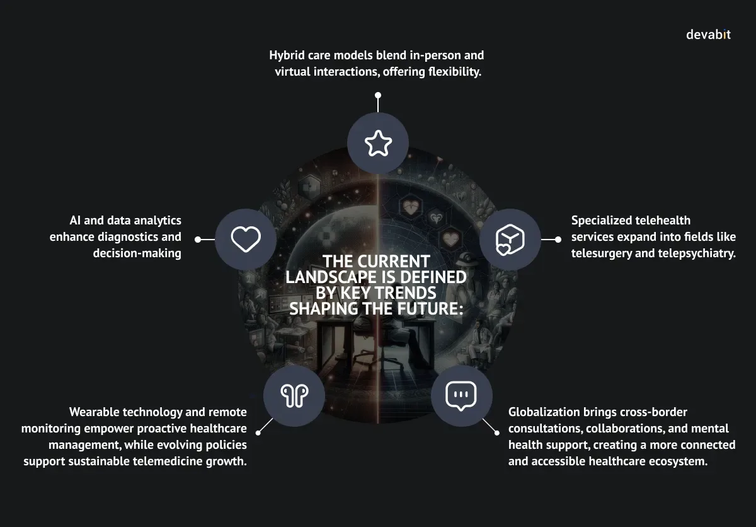
One potential future policy direction for telemedicine is the expansion of services and coverage. Policymakers can work to ensure that telemedicine is integrated into a broader range of healthcare specialties and settings. By expanding telemedicine services, individuals can access care for a wide array of health concerns remotely, further improving healthcare access and convenience.
To facilitate the expansion of telemedicine services, policymakers can collaborate with healthcare professionals and technology developers to identify areas where telemedicine can be effectively utilized. This may involve exploring telemedicine applications in specialized fields, such as radiology, pathology, and dermatology, where remote consultations, diagnosis, and follow-up care can be valuable. Additionally, policymakers can incentivize the adoption of telemedicine technologies by offering financial support or grants to healthcare organizations and providers who invest in telemedicine infrastructure.
In terms of coverage, policymakers should continue to assess and update reimbursement policies to ensure adequate financial support for telemedicine services. By expanding coverage options, individuals could access telemedicine services without financial barriers, increasing the affordability and utilization of remote healthcare.
Incorporating telemedicine into value-based care models
Telemedicine aligns well with value-based care models, which prioritize quality and outcomes over the volume of services provided. Policymakers can encourage the integration of telemedicine into value-based care models, promoting the delivery of patient-centered, coordinated, and cost-effective care.
By incentivizing the use of telemedicine within value-based care models, policymakers can encourage healthcare providers to leverage remote consultations, virtual monitoring, and other telemedicine services that align with the principles of value-based care. This integration can enhance care coordination, proactive disease management, and patient engagement, ultimately improving health outcomes and reducing healthcare costs.
Policymakers can develop reimbursement models and performance metrics that incentivize the use of telemedicine within value-based care contracts. For example, healthcare providers could be rewarded for achieving specific outcomes, such as reduced hospital readmissions or improved chronic disease management, through the use of telemedicine services. Aligning reimbursement with the value and outcomes delivered through telemedicine can drive its adoption and integration into existing healthcare systems.
Addressing equity and access disparities in telemedicine
Addressing equity and access disparities in telemedicine remains a crucial future policy direction. Policymakers should prioritize initiatives that ensure equitable access to telemedicine services for all individuals, regardless of socioeconomic status, geographic location, or technological literacy.
To address equity disparities, policymakers can implement programs and funding that support the expansion of telemedicine infrastructure in underserved areas. This may involve providing financial support for healthcare organizations to invest in telehealth equipment, broadband infrastructure, and training initiatives. Telemedicine adoption and utilization programs can also be developed to educate underserved populations about the benefits and utilization of telemedicine services.
Additionally, policymakers should collaborate with healthcare providers, insurance providers, and technology companies to bridge the digital divide and ensure that individuals have access to the technology required for telemedicine. This may involve providing financial assistance or subsidies for devices, internet access, and technical support services.
By addressing equity and access disparities, policymakers can maximize the potential of telemedicine to improve healthcare outcomes, reduce healthcare disparities, and enhance the overall well-being of individuals and communities.
Policy implications for healthcare providers
Adapting to telemedicine regulations and reimbursement models
Telemedicine regulations and reimbursement models have significant implications for healthcare providers. Policymakers must ensure that regulations are flexible, adaptable, and promote the effective use of telemedicine to provide optimal patient care. Healthcare providers must navigate through these regulations, understand their requirements, and adapt their practices accordingly.
Healthcare providers should stay informed about changes in telemedicine regulations and reimbursement policies to ensure compliance and maximize the benefits of telemedicine. This may involve attending continuing education programs, joining professional organizations, or seeking legal and regulatory guidance. Additionally, healthcare providers should collaborate with their peers to share best practices and experiences in telemedicine implementation and utilization.
In terms of reimbursement models, healthcare providers need to understand the reimbursement options available for telemedicine services and ensure appropriate documentation and coding. Providers should work closely with insurance companies and billing departments to ensure proper claim submission for telemedicine services. By actively engaging in discussions with payers and advocating for fair reimbursement, healthcare providers can ensure the financial viability of telemedicine as a sustainable healthcare delivery model.
Integration of telemedicine into existing healthcare workflows
To effectively incorporate telemedicine into existing healthcare workflows, healthcare providers must evaluate their current processes and identify areas where telemedicine can be integrated seamlessly. This may involve conducting workflow analyses, identifying patient populations that can benefit from telemedicine services, and determining the most appropriate telemedicine modalities for specific needs.
Healthcare providers should invest in telemedicine technologies that integrate with electronic health records (EHR) systems, ensuring seamless access to patient information and efficient delivery of care. By integrating telemedicine platforms with existing EHR systems, healthcare providers can streamline documentation, improve care coordination, and enhance the overall patient experience.
Furthermore, healthcare organizations should provide training and support to healthcare providers to ensure proper utilization of telemedicine technologies and workflows. This may involve training programs, webinars, or digital resources that educate healthcare providers on telemedicine best practices, effective virtual communication, and the utilization of remote monitoring devices. By equipping healthcare providers with the necessary skills and knowledge, healthcare organizations can optimize the integration of telemedicine into existing workflows and maximize its benefits.
Training and education for healthcare providers in telemedicine
Training and education are crucial elements for healthcare providers to effectively utilize telemedicine technologies and provide high-quality care remotely. Policymakers should prioritize the development and implementation of training programs that equip healthcare providers with the necessary skills and knowledge to practice telemedicine effectively.
Training programs can cover a range of topics, including telemedicine technology use, virtual communication skills, clinical decision-making in remote settings, and privacy and security best practices. These programs can be delivered through online courses, workshops, or collaborations with telemedicine experts and professional organizations.
Continuing education opportunities and professional certifications in telemedicine can also be developed to ensure that healthcare providers remain up-to-date and competent in telemedicine practices. By recognizing telemedicine as a specialty, policymakers can promote a culture of continuous learning, quality improvement, and innovation in telemedicine among healthcare professionals.
Training and education initiatives should be tailored to the specific needs of different healthcare professionals, considering the unique challenges they may encounter when providing care remotely. By equipping healthcare providers with the knowledge and skills necessary for telemedicine, policymakers can enhance the quality of care delivered through remote consultations and promote the successful integration of telemedicine into healthcare systems.
Patient perspectives on telemedicine
Acceptance and satisfaction with telemedicine
From a patient’s perspective, telemedicine offers several benefits that contribute to high levels of acceptance and satisfaction. Telemedicine provides convenience by eliminating the need for travel and reducing waiting times, allowing patients to access healthcare from the comfort of their own homes. This can be particularly beneficial for individuals with mobility issues, transportation challenges, or busy schedules.
The increased accessibility afforded by telemedicine positively impacts patient satisfaction. Patients in rural or underserved areas can connect with healthcare providers who may not be physically present in their area, ensuring that they receive specialized care without the need for long-distance travel. Telemedicine also enables individuals to seek medical advice promptly without delay, potentially preventing the progression of illnesses and improving health outcomes.
Moreover, telemedicine enhances patient-provider relationships by providing face-to-face interactions through video consultations. Patients appreciate the personal touch that telemedicine enables, as they can see and interact with their healthcare providers, ask questions, and receive immediate feedback. Telemedicine also allows patients to maintain continuity of care with their preferred healthcare providers, fostering trust and rapport over time.
Studies have consistently shown high levels of patient satisfaction with telemedicine services. Patients often report positive experiences, noting convenience, reduced time commitments, and improved access to care as the key factors contributing to their satisfaction. As telemedicine continues to evolve and become more mainstream, patient acceptance and satisfaction are expected to increase further.
Barriers to telemedicine adoption from a patient’s perspective
While telemedicine offers numerous benefits, there are also barriers to adoption that patients may experience. Some of the common barriers include:
-
Technological barriers: Individuals who lack access to internet connectivity, smartphones, or computers may face challenges in utilizing telemedicine services. This can arise from financial constraints, lack of technical literacy, or living in areas with limited broadband infrastructure. Policymakers must address these technological barriers and ensure that telemedicine is accessible to all individuals, regardless of their technological capabilities or geographic location.
-
Limited examination capabilities: Certain medical conditions require physical examinations or diagnostic tests that cannot be conducted remotely. Patients may feel hesitant or uncertain about the adequacy of a telemedicine visit for their specific health concern. Healthcare providers must ensure that patients are well-informed about the limitations and appropriateness of telemedicine for their condition, setting realistic expectations and providing clear guidance on when in-person visits are necessary.
-
Connectivity and technical difficulties: Patients may encounter connectivity issues or experience difficulty with unfamiliar telemedicine platforms. These technical challenges can frustrate patients and hinder their ability to fully engage in telemedicine visits. To address this barrier, policymakers should promote user-friendly telemedicine platforms, provide technical support to patients, and explore opportunities to expand broadband access in underserved areas.
-
Privacy and security concerns: The transmission of sensitive health information electronically may raise privacy and security concerns for some patients. Policymakers must ensure that appropriate safeguards and guidelines are in place to protect patient confidentiality and address data security risks. Educating patients about the privacy measures in place and ensuring their informed consent can help address these concerns and build patient trust in telemedicine.
By actively addressing these barriers, policymakers can promote telemedicine adoption and enhance patient experiences with remote healthcare.
Improving patient engagement in telemedicine
Patient engagement is a critical factor in the success of telemedicine. Policymakers, healthcare providers, and technology developers must collaborate to develop strategies that maximize patient engagement and encourage active participation in telemedicine visits.
To improve patient engagement, policymakers can prioritize educational initiatives that help patients understand the benefits, limitations, and appropriate utilization of telemedicine. This may involve developing patient resources, brochures, or videos that explain telemedicine concepts and provide guidance on what to expect during virtual visits.
Furthermore, policymakers should encourage the integration of patient engagement tools into telemedicine platforms. These tools can include features such as secure messaging, patient portals, and online appointment scheduling. By empowering patients to actively participate in their care, policymakers promote shared decision-making, patient self-management, and improved health outcomes.
Healthcare providers play a pivotal role in facilitating patient engagement in telemedicine. Providers can create a patient-centered approach by actively involving patients in treatment decisions, setting goals, and collaboratively developing care plans. Effective communication is crucial in telemedicine, and healthcare providers must ensure that patients have opportunities to ask questions, express concerns, and provide input during virtual visits.
Moreover, technology developers should design telemedicine platforms with user-friendly interfaces and intuitive navigation, making it easier for patients to engage with the technology. Enhancing the user experience can positively impact patient engagement and increase the likelihood of continued telemedicine utilization.
By considering patient perspectives and addressing the barriers to engagement, policymakers can create an environment that promotes patient involvement and satisfaction in telemedicine, ultimately improving healthcare outcomes and patient experiences.

The ethical considerations of telemedicine
Digital divide and equity in telemedicine access
One of the ethical considerations of telemedicine is the potential for a digital divide and inequitable access to care. Telemedicine relies on technology and internet connectivity, which may not be equally accessible to all individuals. Socioeconomic disparities, geographic location, and technological literacy can create barriers that hinder equitable access to telemedicine services.
Policymakers have an ethical obligation to address these disparities and ensure that telemedicine is accessible to all individuals, regardless of their socioeconomic or geographic background. Initiatives can include expanding broadband infrastructure in underserved areas, providing financial assistance to individuals who cannot afford the necessary technology, and implementing digital literacy programs to empower disadvantaged populations.
By actively addressing the digital divide, policymakers can uphold the ethical principle of justice and ensure that telemedicine benefits all individuals, regardless of their technological capabilities or circumstances.
Maintaining patient confidentiality and privacy in telemedicine
Patient confidentiality and privacy are critical ethical considerations in telemedicine. As healthcare providers transmit and store patient health information electronically, ensuring the privacy and security of this information is of utmost importance. Patients must have confidence that their personal health information is protected and that telemedicine platforms and healthcare organizations adhere to strict privacy standards.
Policymakers are responsible for implementing regulations and standards that govern the privacy and security practices in telemedicine. Laws such as the Health Insurance Portability and Accountability Act (HIPAA) in the United States establish guidelines for the protection and handling of patient health information in telemedicine.
Telemedicine providers must implement robust security measures to protect patient data from unauthorized access or breaches. Compliance with privacy regulations, such as maintaining encryption, implementing access controls, and conducting regular security audits, is essential in upholding patient trust and ethical obligations.
Patients must be informed about the privacy measures in place and have the opportunity to provide informed consent before engaging in telemedicine services. Policy initiatives can focus on enhancing patient education and awareness regarding telemedicine privacy practices, ensuring that patients have clear information on how their health information will be handled and protected.
By taking proactive measures to safeguard patient confidentiality and privacy, policymakers demonstrate their commitment to patient welfare, trust, and the ethical principles of autonomy and beneficence.
Ensuring appropriate care and decision-making through telemedicine
Maintaining appropriate care and decision-making is another ethical consideration in telemedicine. Healthcare providers must ensure that telemedicine services meet the same standards of care as in-person visits and that clinical decisions are made based on the best interest of the patient.
Healthcare professionals must adhere to ethical guidelines, diagnostic standards, and clinical protocols when providing telemedicine services. They must have the necessary competencies and training to assess patients remotely and make accurate diagnoses and treatment decisions. Ongoing professional development and clinical supervision can ensure that healthcare providers maintain the necessary skills and knowledge to practice telemedicine effectively and ethically.
Patient-provider communication plays a crucial role in ensuring appropriate care and decision-making in telemedicine. Healthcare providers must establish effective communication channels and provide patients with opportunities to ask questions, express concerns, and provide relevant medical history during virtual visits. They must also empower patients to actively participate in treatment decisions and ensure that patients’ preferences and values are given due consideration.
Additionally, healthcare providers must use clinical judgment to determine when an in-person visit is necessary or when a remote consultation is appropriate. They must effectively communicate this decision to patients, ensuring that patients understand the limitations of telemedicine and the circumstances under which in-person care is required.
Policymakers can support appropriate care and decision-making in telemedicine by establishing guidelines and standards that uphold the ethical principles of non-maleficence, autonomy, and beneficence. These guidelines can address issues such as clinical decision support, informed consent, and the appropriate use of remote monitoring technologies. By implementing ethical standards, policymakers ensure that telemedicine is practiced in a manner that upholds the highest standards of patient care and safety.
Global perspectives on telemedicine policy
Telemedicine policies and initiatives around the world
Telemedicine policies and initiatives vary across countries and regions, reflecting the unique healthcare systems, cultural contexts, and socioeconomic considerations in each jurisdiction. While many countries recognize the potential of telemedicine to improve healthcare access and delivery, the level of telemedicine integration into healthcare policy varies.
In the United States, telemedicine policies have evolved at the federal and state levels. Federal agencies, such as the Centers for Medicare and Medicaid Services (CMS), have expanded reimbursement options for telemedicine services, particularly during the COVID-19 pandemic. Individual states have introduced legislation to support telemedicine utilization by easing licensing restrictions, ensuring reimbursement parity, and promoting the adoption of telemedicine technologies. However, differences in state regulations and reimbursement policies continue to present challenges for nationwide telemedicine adoption.
In other countries, telemedicine policies reflect the specific needs and healthcare systems of each jurisdiction. For example, in Canada, telemedicine initiatives have focused on addressing healthcare access in remote and indigenous communities. In Australia, telemedicine policies have evolved to support the unique healthcare challenges faced by individuals living in rural and remote areas. European countries, such as the United Kingdom and the Netherlands, have implemented telemedicine programs that aim to improve access, reduce healthcare costs, and enhance the quality of care.
Developing countries also recognize the potential of telemedicine in overcoming healthcare access barriers. Countries like India have implemented telemedicine initiatives to provide healthcare services to individuals in rural areas who have limited access to healthcare facilities. These initiatives leverage telemedicine technologies and mobile health (mHealth) applications to bridge the healthcare gap and improve health outcomes.
With telemedicine gaining momentum globally, international organizations, such as the World Health Organization (WHO), promote telemedicine policy guidelines and facilitate knowledge exchange between countries. These organizations recognize the importance of collaboration, standardization, and best practice sharing to ensure that telemedicine policies align with global health needs and priorities.
International collaboration and standardization of telemedicine guidelines
International collaboration and standardization efforts play a crucial role in shaping telemedicine policies and guidelines. As telemedicine expands across borders, it is important to have common standards and guidelines to ensure interoperability and consistent quality of care.
International organizations, such as the World Medical Association and the International Telecommunication Union, have developed guidelines and policies for telemedicine that provide a framework for countries to align their policies and practices. These guidelines cover various aspects of telemedicine, including ethics, clinical practice, legal considerations, and technology standards. Policymakers can use these guidelines as a reference point when developing their own telemedicine policies and regulations.
Collaborative efforts between countries also facilitate knowledge exchange and sharing of best practices. Countries can learn from each other’s experiences, successes, and challenges in implementing telemedicine policies. International conferences, forums, and working groups provide platforms for policymakers, healthcare professionals, and technology developers to collaborate and share insights on telemedicine policy development and implementation.
Standardization of telemedicine technologies and practices is another area where international collaboration is crucial. By establishing common technical standards and interoperability frameworks, different telemedicine systems can seamlessly communicate and exchange data across borders. Standardization efforts also enhance data security, privacy, and patient safety. Global cooperation in this area ensures that telemedicine technologies and platforms can be easily and securely utilized by healthcare providers and patients in multiple jurisdictions.
Collaboration and standardization efforts contribute to a harmonized global approach to telemedicine, enabling healthcare systems worldwide to efficiently adopt and integrate telemedicine into their policy frameworks. By working together, policymakers can maximize the potential of telemedicine to improve healthcare access, quality, and outcomes on an international scale.
Lessons from global telemedicine policy experiences
Global telemedicine policy experiences provide valuable insights and lessons for policymakers. By examining the successes and challenges faced by different countries, policymakers can streamline their own policy development and implementation processes.
One key lesson is the importance of collaboration between stakeholders, including healthcare professionals, technology developers, regulatory bodies, and patients. Successful telemedicine policies are often the result of multidisciplinary collaboration, where different perspectives and expertise are combined to develop comprehensive and effective policies. Policymakers must actively engage all stakeholders in the policy development process, ensuring that diverse perspectives are considered and integrated into the final policy framework.
Flexibility and adaptability are also crucial in telemedicine policy development. Telemedicine technologies and practices evolve rapidly, necessitating dynamic policy frameworks that can adapt to new advancements and changing healthcare needs. Policymakers should develop policies with built-in mechanisms for regular review and updates to ensure that they remain relevant and effective.
Furthermore, successful telemedicine policies recognize the importance of infrastructure development and investment. Policies should address the technological requirements, such as broadband connectivity and telemedicine platforms, to ensure that healthcare providers and patients can access telemedicine services effectively. Policymakers should allocate resources and establish partnerships to support telemedicine infrastructure development, particularly in underserved areas.
Finally, patient-centeredness and cultural sensitivity are key considerations in global telemedicine policy. Policies should align with patients’ needs, expectations, and cultural contexts to ensure high acceptance and utilization of telemedicine services. Policymakers should actively involve patients and patient advocacy groups in policy development processes, seeking their input and feedback to shape patient-centered policies that address diverse healthcare needs and preferences.
By learning from global telemedicine policy experiences, policymakers can develop informed, context-specific policies that enhance healthcare access, quality, and outcomes in their own jurisdictions.