

As you journey through life, aging gracefully and maintaining good health becomes a top priority. Did you know that a key factor to achieving healthy aging lies within your gut? The gut microbiome plays a crucial role in maintaining both physical and mental well-being as you age. It is a complex ecosystem of bacteria, fungi, and other microorganisms that reside in your digestive tract, playing a vital role in digestion, immune function, and even mood regulation. In this article, we will explore the fascinating connection between healthy aging and the gut microbiome, uncovering the secrets to maintaining vitality and well-being as you grow older.

What is the Gut Microbiome?
The gut microbiome refers to the vast community of microorganisms that reside in your gastrointestinal tract. It is often described as a “mini ecosystem” within your body, consisting of bacteria, viruses, fungi, and other microbes. These microorganisms play a crucial role in maintaining and promoting your overall health and well-being.
Definition
The gut microbiome is a complex and dynamic network of microorganisms that live in your digestive system. It is estimated that there are trillions of microorganisms in your gut, with more than 1,000 different species. These microbes work together in harmony to carry out essential functions and help keep your body functioning optimally.
Composition
The gut microbiome is composed of various types of microorganisms, with bacteria being the most prevalent. These bacteria can be classified into different families, such as Firmicutes, Bacteroidetes, and Actinobacteria, which play distinct roles in maintaining your gut health. Additionally, the gut microbiome also includes viruses, fungi, and yeasts, each with its own unique contribution to your overall well-being.
Functions
The gut microbiome performs a multitude of functions that are crucial for your health. One of its primary roles is aiding in the digestion and absorption of nutrients from the food you eat. The beneficial bacteria in your gut help break down complex carbohydrates, fiber, and proteins that your body alone cannot digest.
Furthermore, the gut microbiome plays a vital role in maintaining a healthy immune system. It helps educate your immune system, teaching it to recognize and respond to harmful pathogens while preventing unnecessary immune responses to harmless substances.
Additionally, the gut microbiome produces important compounds, such as short-chain fatty acids, vitamins, and neurotransmitters. These substances have diverse effects on your body, including regulating inflammation, supporting brain health, and influencing mood.
The Impact of Aging on the Gut Microbiome
As you age, the composition and diversity of your gut microbiome undergo significant changes. These alterations can have a profound impact on your overall health and may contribute to age-related diseases and conditions.
Changes in Gut Microbiome with Age
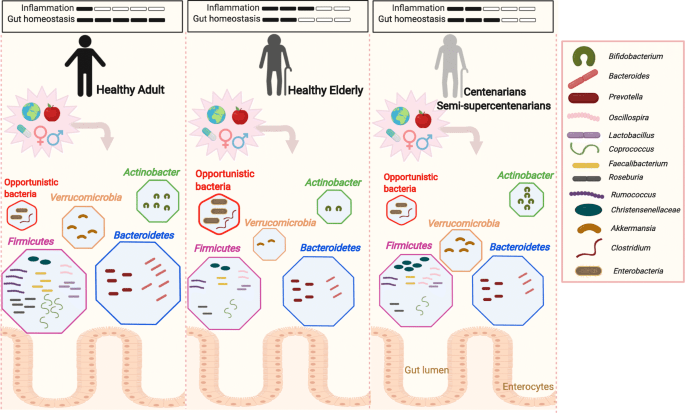
Studies have shown that the gut microbiome of older adults tends to have a lower diversity of microorganisms compared to younger individuals. This decrease in diversity is thought to be associated with a decline in overall gut health.
Additionally, there tends to be an increase in potentially harmful bacteria in the gut of older adults. This shift in the microbial population can disrupt the delicate balance of the gut microbiome and lead to various health issues.
Factors Influencing Gut Microbiome Changes
Several factors can influence the changes that occur in the gut microbiome with age. Diet plays a crucial role, as older adults often have different eating habits that may impact their gut health. Medications, such as antibiotics or proton pump inhibitors, can also disrupt the balance of the gut microbiome.
Other factors, including hormonal changes, inflammation, and a sedentary lifestyle, can also contribute to changes in the gut microbiome during the aging process. Understanding and addressing these factors are essential for promoting a healthy gut microbiome as you age.
Role of Gut Microbiome in Healthy Aging
Maintaining a healthy gut microbiome is essential for healthy aging. The gut microbiome influences various aspects of your well-being, including nutrient absorption, immune function, brain health, and the development of chronic diseases.
Nutrient Absorption and Metabolism
The gut microbiome plays a critical role in the digestion and absorption of nutrients. It helps break down complex carbohydrates and fibers, producing short-chain fatty acids that provide energy for your body. Additionally, certain microbes assist in synthesizing vitamins, such as B vitamins and vitamin K, which are essential for overall health.
With age, the gut microbiome may become less efficient in digesting and absorbing nutrients, leading to potential deficiencies. Maintaining a diverse and balanced gut microbiome through a healthy diet and lifestyle can support optimal nutrient absorption and metabolism.
Inflammation and Immune Function
Chronic inflammation is a common feature of aging and can contribute to the development of age-related diseases. The gut microbiome plays a vital role in modulating inflammation and supporting immune function.
A healthy gut microbiome helps maintain a balanced immune response, preventing excessive inflammation. It also stimulates the production of immune cells and compounds that protect against harmful pathogens. By promoting a healthy gut microbiome, you can help reduce chronic inflammation and support your immune system as you age.
Brain Health and Cognitive Decline
Emerging research suggests a strong connection between the gut microbiome and brain health. The gut and brain communicate through the gut-brain axis, a bidirectional pathway that influences various aspects of mental health and cognitive function.
The gut microbiome produces neurotransmitters, such as serotonin and dopamine, which play essential roles in mood regulation. Additionally, the gut microbiome influences the integrity of the blood-brain barrier, a protective barrier that prevents harmful substances from entering the brain.
Maintaining a healthy gut microbiome through proper diet and lifestyle choices may contribute to better cognitive function and reduce the risk of cognitive decline as you age.
Effects on Chronic Diseases
The gut microbiome has been linked to several chronic diseases that are associated with aging. For example, imbalances in the gut microbiome have been observed in individuals with cardiovascular disease, type 2 diabetes, osteoporosis, and age-related macular degeneration.
Promoting a healthy gut microbiome may help mitigate the risk factors associated with these conditions. By improving nutrient absorption, reducing inflammation, and supporting immune function, a balanced gut microbiome can contribute to better overall health and a lower risk of age-related chronic diseases.
Protecting and Promoting a Healthy Gut Microbiome
Maintaining a healthy gut microbiome requires conscious effort and lifestyle choices. Several strategies can help protect and promote the diversity and balance of your gut microbiome.
Maintaining a Balanced Diet
One of the most important factors in nurturing a healthy gut microbiome is maintaining a balanced diet rich in whole foods. Incorporate a variety of fruits, vegetables, whole grains, lean proteins, and healthy fats into your meals. These provide essential nutrients and dietary fibers that nourish the beneficial bacteria in your gut.
Prebiotics and Probiotics
Prebiotics are non-digestible fibers that serve as food for beneficial bacteria in your gut. Include prebiotic-rich foods, such as onions, garlic, bananas, and asparagus, to support the growth of good bacteria.
Probiotics, on the other hand, are live bacteria that can be beneficial when consumed. Yogurt, kefir, sauerkraut, and other fermented foods are excellent sources of probiotics and can help maintain a healthy balance in your gut microbiome.
Reducing Stress and Managing Mental Health
Stress and mental health can have a significant impact on your gut microbiome. Chronic stress can disrupt the balance of your gut microbiome and impair immune function. Engaging in stress-reducing activities, such as meditation, yoga, or hobbies, can help promote a healthy gut microbiome.
Taking care of your mental health is equally important. Seek support from loved ones, engage in activities you enjoy, and prioritize self-care practices to maintain a positive mental state.
Exercising Regularly
Regular exercise has been shown to positively influence the gut microbiome. Physical activity helps promote diversity in the gut microbiome and stimulates the production of beneficial short-chain fatty acids.
Make it a habit to engage in moderate-intensity exercises, such as walking, cycling, or swimming, for at least 30 minutes a day. This will not only benefit your gut microbiome but also contribute to overall health and well-being.

Dietary Factors Affecting the Gut Microbiome
Certain dietary patterns have been found to have a significant impact on the diversity and composition of the gut microbiome. Making thoughtful choices about what you eat can help support a healthy gut microbiome as you age.
The Mediterranean Diet
The Mediterranean diet, characterized by high consumption of fruits, vegetables, whole grains, legumes, and healthy fats like olive oil, has long been associated with numerous health benefits. This dietary pattern is also linked to a more diverse and beneficial gut microbiome.
The abundance of fiber and polyphenols in the Mediterranean diet provides nourishment for beneficial gut bacteria, promoting a balanced microbiome. Aim to incorporate Mediterranean-style meals into your diet regularly.
Fiber and Plant-Based Foods
Fiber-rich foods, such as whole grains, legumes, fruits, and vegetables, are essential for gut health. These foods provide prebiotic fibers that feed beneficial bacteria in the gut and promote their growth.
Plant-based diets that prioritize the consumption of fruits, vegetables, and whole grains can help support a healthy gut microbiome. Make sure to include a variety of plant-based foods in your diet to maximize the benefits to your gut health.
Sugar and Processed Foods
High consumption of sugar and processed foods has been linked to an unhealthy gut microbiome. These foods provide little nutritional value and can promote the growth of harmful bacteria in the gut.
Limit your intake of sugary drinks, sweets, and processed snacks. Instead, opt for whole, unprocessed foods that are rich in nutrients and support a healthy gut microbiome.
Alcohol and its Impact
Excessive alcohol consumption can disrupt the balance of the gut microbiome. It can lead to an overgrowth of harmful bacteria and compromise the integrity of the gut lining.
Moderate alcohol consumption is generally considered acceptable, but excessive or chronic alcohol intake should be avoided to maintain a healthy gut microbiome. Be mindful of your alcohol consumption and prioritize moderation.
The Gut-Brain Axis and Healthy Aging
The gut-brain axis is a bidirectional communication pathway between the gut and the brain. This connection plays a crucial role in maintaining mental health and overall well-being.
Communication between Gut and Brain
The gut and the brain communicate through various means, including the vagus nerve, neurotransmitters, and immune system signals. These communication pathways allow the gut microbiome to influence brain function and vice versa.
Changes in the gut microbiome can affect the production of neurotransmitters, such as serotonin and dopamine, which are crucial for mood regulation and mental health. Conversely, stress and emotions can influence gut function and alter the composition of the gut microbiome.
Impact on Mental Health and Well-being
An imbalance in the gut microbiome has been associated with mental health conditions such as anxiety, depression, and even neurodegenerative disorders like Alzheimer’s disease. By promoting a healthy gut microbiome, you can support optimal mental health and overall well-being.
Maintaining a balanced diet, managing stress, and engaging in activities that promote relaxation, such as mindfulness or deep breathing exercises, can all contribute to a healthy gut-brain axis.
Strategies for Improving Gut-Brain Communication
To improve the communication between your gut and brain, consider incorporating the following strategies into your routine:
- Practice stress management techniques, such as meditation, yoga, or journaling.
- Consume foods rich in omega-3 fatty acids, such as fatty fish or flaxseeds, which have been shown to support brain health.
- Ensure you are getting enough sleep, as sleep deprivation can disrupt the gut-brain axis.
- Engage in regular exercise, as physical activity has been linked to improved brain health and gut-brain communication.

Age-Related Diseases and the Gut Microbiome
The gut microbiome has been implicated in the development and progression of several age-related diseases. Understanding the role of the gut microbiome in these conditions can provide insights into potential interventions.
Cardiovascular Disease
Imbalances in the gut microbiome have been associated with an increased risk of cardiovascular disease. Certain bacteria and their byproducts can promote the development of plaques in the arteries, leading to atherosclerosis.
Promoting a healthy gut microbiome through a balanced diet and lifestyle can help mitigate the risk factors associated with cardiovascular disease and support heart health.
Type 2 Diabetes
The gut microbiome has a significant influence on glucose metabolism, and disturbances in its composition have been linked to insulin resistance and the development of type 2 diabetes.
Maintaining a healthy gut microbiome through dietary interventions, such as consuming prebiotic-rich foods and reducing the intake of added sugars, may help support proper glucose regulation and reduce the risk of developing type 2 diabetes.
Osteoporosis
Recent studies have suggested a potential link between the gut microbiome and bone health. The gut microbiome influences the absorption of minerals, such as calcium and magnesium, which are essential for bone health.
Promoting a healthy gut microbiome through a balanced diet, adequate intake of calcium and vitamin D, and regular exercise can help support strong bones and reduce the risk of osteoporosis.
Age-Related Macular Degeneration
Age-related macular degeneration (AMD) is a leading cause of vision loss in older adults. Imbalances in the gut microbiome have been associated with the development and progression of AMD.
A diet rich in antioxidants, such as fruits, vegetables, and leafy greens, can support a healthy gut microbiome and help reduce the risk of AMD. Regular eye exams and a healthy lifestyle also play crucial roles in maintaining good eye health as you age.
The Role of Antibiotics in Gut Microbiome Health
While antibiotics are powerful tools for fighting bacterial infections, their use can disrupt the delicate balance of the gut microbiome.
Impact of Antibiotic Use
Antibiotics not only kill harmful bacteria but can also affect beneficial bacteria in the gut. This disruption can lead to a decrease in microbial diversity, making the gut more susceptible to colonization by potentially harmful microorganisms.
Frequent or prolonged antibiotic use is associated with an increased risk of developing antibiotic-resistant bacteria and antibiotic-associated diarrhea. It is crucial to only use antibiotics when necessary and under the guidance of a healthcare professional.
Strategies for Preserving Gut Health during Antibiotic Use
To mitigate the negative impact of antibiotics on the gut microbiome, consider these strategies:
- Take a probiotic supplement containing beneficial bacteria during antibiotic treatment, but separate the timing of probiotic and antibiotic doses.
- Consume prebiotic-rich foods to provide nourishment for beneficial bacteria.
- Follow a balanced diet rich in fiber and whole foods to support gut health.
- Discuss antibiotic alternatives or shorter treatment courses with your healthcare provider when appropriate.
Gut Microbiome and Longevity
Emerging research suggests a link between the gut microbiome composition and longevity. Understanding and leveraging the potential of the gut microbiome may have implications for healthy aging.
Association between Gut Microbiome Composition and Longevity
Studies have shown that centenarians, individuals who live to be 100 years or older, have a distinct gut microbiome composition compared to younger individuals. They tend to have higher microbial diversity and a higher abundance of certain beneficial bacteria.
While more research is needed to fully understand the relationship between the gut microbiome and longevity, these findings indicate that a healthy gut microbiome may be associated with a longer and healthier life.
Potential of Modifying Gut Microbiome for Longevity
Manipulating the gut microbiome to promote longevity is an area of ongoing research. Strategies such as probiotic and prebiotic supplementation, fecal microbial transplantation, and targeted dietary interventions are being explored as potential ways to modify the gut microbiome for improved healthspan and lifespan.
However, it is essential to approach these interventions with caution and under the guidance of healthcare professionals. More research is needed to fully understand the complex interplay between the gut microbiome and aging before widespread interventions can be recommended.
Future Directions in Gut Microbiome Research
The field of gut microbiome research is rapidly evolving, providing exciting opportunities for advancements in understanding and interventions for healthy aging.
Advances in Microbiome Research
Technological advancements, such as high-throughput DNA sequencing, have revolutionized the study of the gut microbiome. These tools allow researchers to identify and characterize the thousands of microbial species that make up the gut microbiome.
Advances in bioinformatics and data analysis are also enabling researchers to decipher the complex interactions within the gut microbiome and its impact on health and disease.
Therapeutic Potential for Aging-related Health Issues
As our understanding of the gut microbiome expands, there is growing potential for developing targeted interventions to mitigate age-related health issues. Strategies such as personalized dietary recommendations, targeted probiotic or prebiotic treatments, and microbiome-based therapies are being explored for conditions such as cardiovascular disease, metabolic disorders, and neurodegenerative diseases.
While these interventions are still in the early stages of development, they hold promise for improving healthy aging and addressing age-related diseases in the future.
In conclusion, the gut microbiome plays a vital role in healthy aging and overall well-being. Understanding the composition, functions, and changes of the gut microbiome with age is crucial for promoting optimal health as you grow older. By maintaining a balanced diet, considering prebiotics and probiotics, managing stress, and engaging in regular exercise, you can support a healthy gut microbiome and contribute to healthy aging. Continued research in the field of gut microbiome research holds promise for future interventions and therapies that can enhance healthy aging.
