
Welcome to the fascinating world of healthy aging and the crucial role that hormone balance plays in this process. As you navigate through the inevitable changes that come with getting older, understanding the impact of hormones on your overall health and well-being is key. From maintaining energy levels to supporting cognitive function and emotional stability, hormones play a vital role in your body’s ability to age gracefully. In this article, we will explore the importance of hormone balance in promoting healthy aging and provide valuable tips on how to support your body’s natural hormonal equilibrium. Get ready to embrace aging with vitality and vigor!

Have You Ever Wondered Why Hormone Balance is Essential for Healthy Aging?
Hey there! If you’re curious about the impact of hormone balance on the aging process, you’ve come to the right place. In this article, we’ll dive into the role that hormones play in healthy aging and why maintaining balance is crucial for your overall well-being. Let’s explore this fascinating topic together!
Understanding Hormones and Their Functions
Before we delve into the importance of hormone balance for healthy aging, let’s first understand what hormones are and the vital roles they play in the body.
Hormones are chemical messengers produced by various glands in the endocrine system, such as the thyroid, adrenal, and pituitary glands. They travel through the bloodstream to target tissues and organs, where they regulate essential functions like metabolism, growth, reproduction, and mood.
The Endocrine System: The Body’s Messaging System
Think of the endocrine system as a complex network of communication channels within your body. Just like how emails and text messages deliver information to specific recipients, hormones travel through the bloodstream to relay messages to different organs and tissues.
The Importance of Hormonal Balance
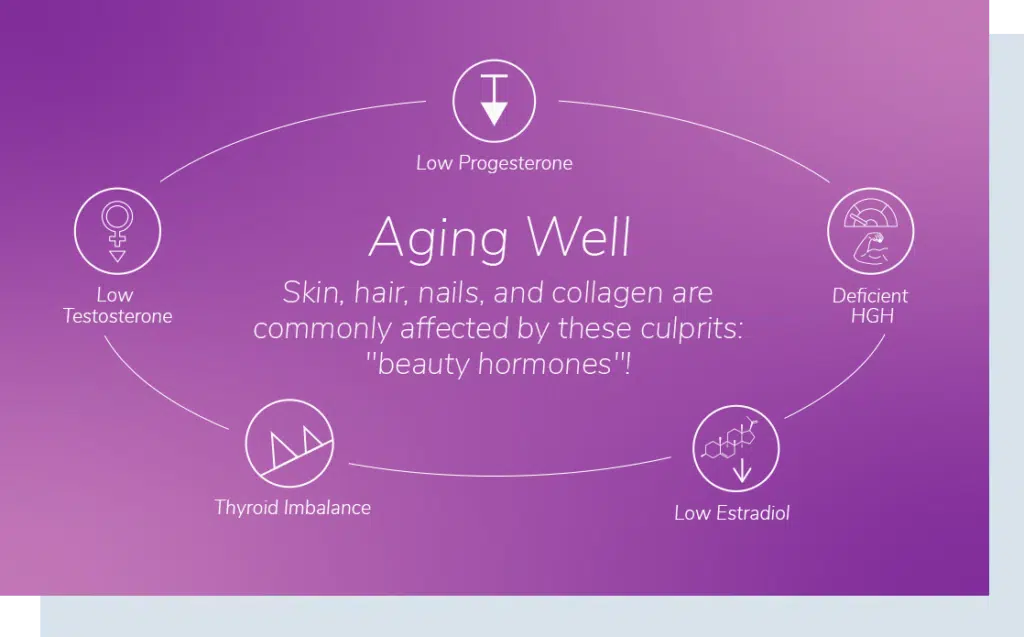
Maintaining hormonal balance is crucial for overall health and well-being. When hormones are in harmony, they help regulate a wide range of bodily functions, including metabolism, energy levels, mood, sleep, and reproductive health. However, when the delicate balance is disrupted, it can lead to various health issues and accelerate the aging process.

The Impact of Hormone Imbalance on Aging
As we age, our hormone levels naturally decline, leading to imbalances that can affect our physical and mental health. Understanding how hormone imbalance impacts the aging process is essential for maintaining optimal health and well-being as you grow older.
Effects of Declining Hormone Levels
The decline in hormone levels as we age can have a significant impact on various aspects of our health. For example, low levels of estrogen in postmenopausal women can lead to bone loss and an increased risk of osteoporosis, while declining testosterone levels in men can result in a decrease in muscle mass and energy levels.
Common Symptoms of Hormone Imbalance
Recognizing the signs of hormone imbalance is crucial for addressing issues early on and preventing further complications. Common symptoms of hormone imbalance include fatigue, weight gain, mood swings, insomnia, low libido, and memory loss. If you’re experiencing any of these symptoms, it’s essential to consult with a healthcare provider to determine the root cause.
Strategies for Achieving Hormone Balance
Achieving hormone balance is a multi-faceted process that involves adopting healthy lifestyle habits, addressing underlying health conditions, and considering hormone replacement therapy. By taking proactive steps to balance your hormones, you can support healthy aging and improve your overall quality of life.
Nutrition and Diet
A balanced diet rich in whole foods, fruits, vegetables, lean proteins, and healthy fats is essential for supporting optimal hormone production and function. Additionally, incorporating foods that are rich in specific nutrients like omega-3 fatty acids, vitamin D, and zinc can help promote hormonal balance and overall health.
Regular Exercise
Physical activity is another key factor in maintaining hormone balance and promoting healthy aging. Regular exercise can help improve insulin sensitivity, boost metabolism, and reduce stress levels, all of which can contribute to hormonal equilibrium. Aim for a combination of cardiovascular, strength training, and flexibility exercises to support overall well-being.
Stress Management
Chronic stress can disrupt hormonal balance and negatively impact your physical and mental health. Incorporating stress management techniques like mindfulness meditation, yoga, deep breathing exercises, and spending time in nature can help reduce stress levels and support hormonal equilibrium.
Hormone Replacement Therapy
In some cases, hormone replacement therapy (HRT) may be recommended to address hormone imbalances that cannot be managed through lifestyle interventions alone. HRT involves taking synthetic or bio-identical hormones to help restore hormonal balance and alleviate symptoms associated with menopause, low testosterone, thyroid disorders, and other hormonal imbalances.

The Role of Hormone Balance in Healthy Aging
Achieving and maintaining hormone balance is essential for healthy aging and overall well-being. By prioritizing your hormone health through lifestyle modifications, proper nutrition, regular exercise, stress management, and, when necessary, hormone replacement therapy, you can support optimal aging and enjoy a higher quality of life as you grow older.
Longevity and Quality of Life
Optimal hormone balance can contribute to longevity and a higher quality of life as you age. By addressing hormone imbalances and supporting healthy hormone levels, you can reduce the risk of chronic diseases, maintain physical and mental vitality, and enjoy a greater sense of well-being in your later years.
Prevention of Age-Related Health Issues
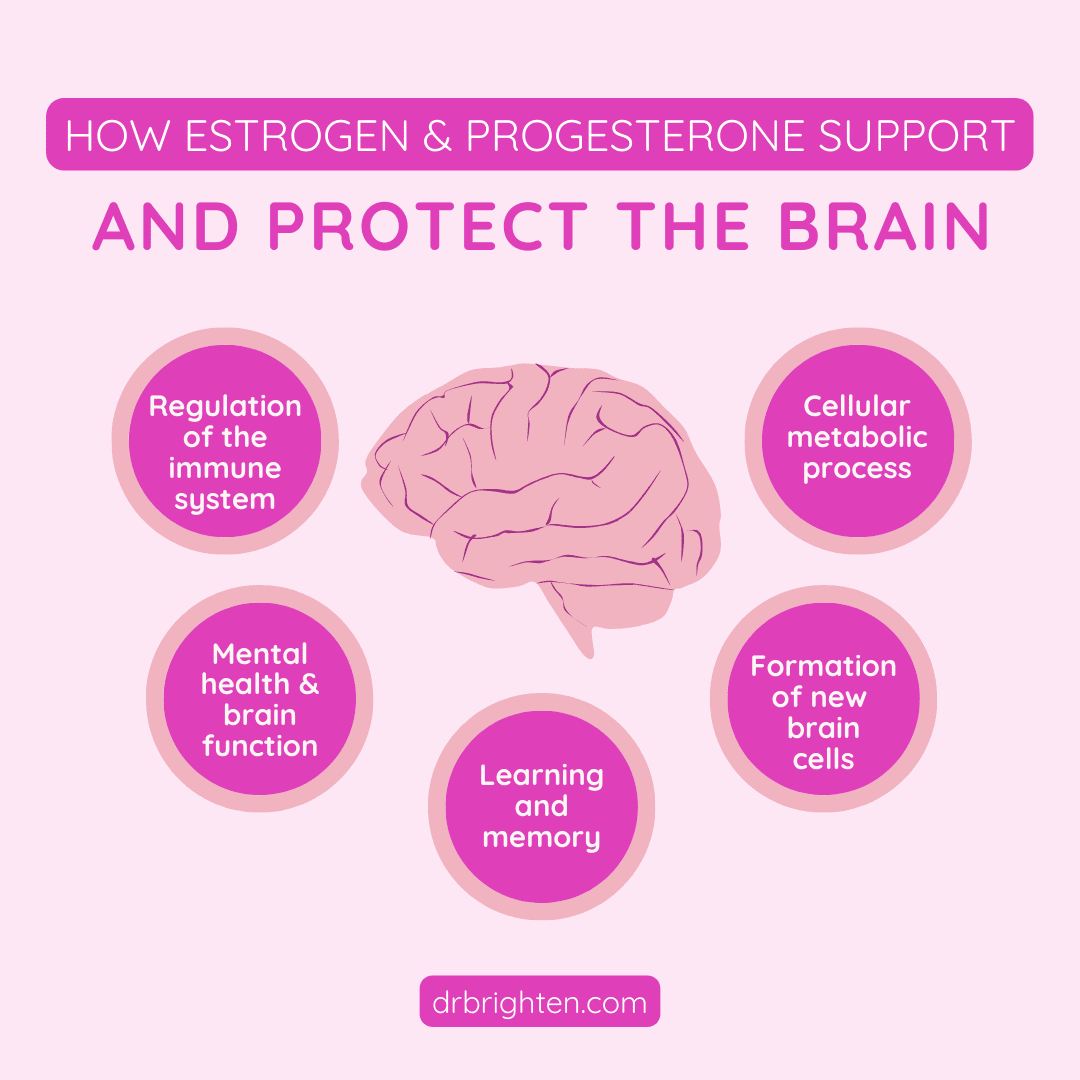
Maintaining hormone balance can help prevent or delay the onset of age-related health issues such as osteoporosis, heart disease, diabetes, cognitive decline, and certain types of cancer. By proactively supporting your hormone health, you can minimize the impact of aging on your overall health and well-being.
Conclusion: Embracing Healthy Aging Through Hormone Balance
As you can see, hormone balance plays a critical role in healthy aging and overall well-being. By understanding the importance of maintaining optimal hormone levels, adopting healthy lifestyle habits, and seeking appropriate medical interventions when needed, you can support your body’s natural aging process and enjoy a higher quality of life as you grow older.
Remember, aging is a natural part of life, and while we can’t stop the clock, we can take proactive steps to age gracefully and maintain our health and vitality for years to come. By prioritizing your hormone health and embracing healthy aging practices, you can set yourself up for a fulfilling and vibrant life well into your golden years. Cheers to healthy aging and balanced hormones!