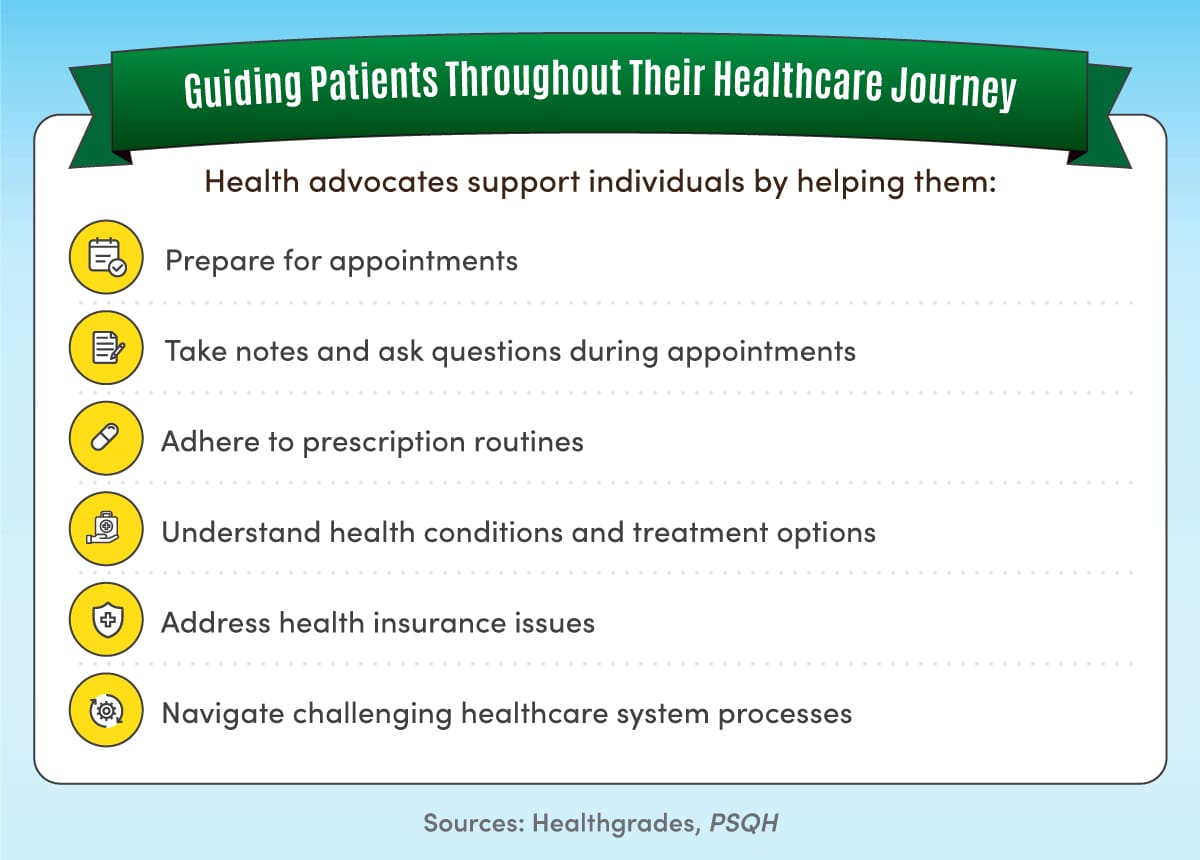
Hey there! We are here to share with you the top ways to advocate for health policy change. Whether you’re a student, a healthcare professional, or simply someone passionate about improving healthcare access and quality, there are simple and effective ways you can make a difference. From staying informed on current policies to reaching out to lawmakers and joining advocacy groups, we’ll show you how to become a powerful advocate for positive change in the healthcare system. Let’s work together to create a healthier future for all! Have you ever felt frustrated with the current health policies in place and wished there was a way to make a difference? Well, you’re in luck! In this article, we will explore the top ways you can advocate for health policy change. Whether you’re a healthcare professional, a patient, or simply someone who cares about healthcare reform, there are many effective strategies you can use to make your voice heard and drive positive change. Let’s dive in!
Understanding the Importance of Health Policy Change
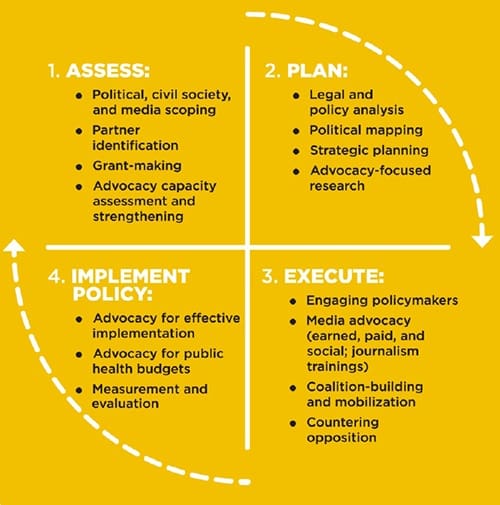
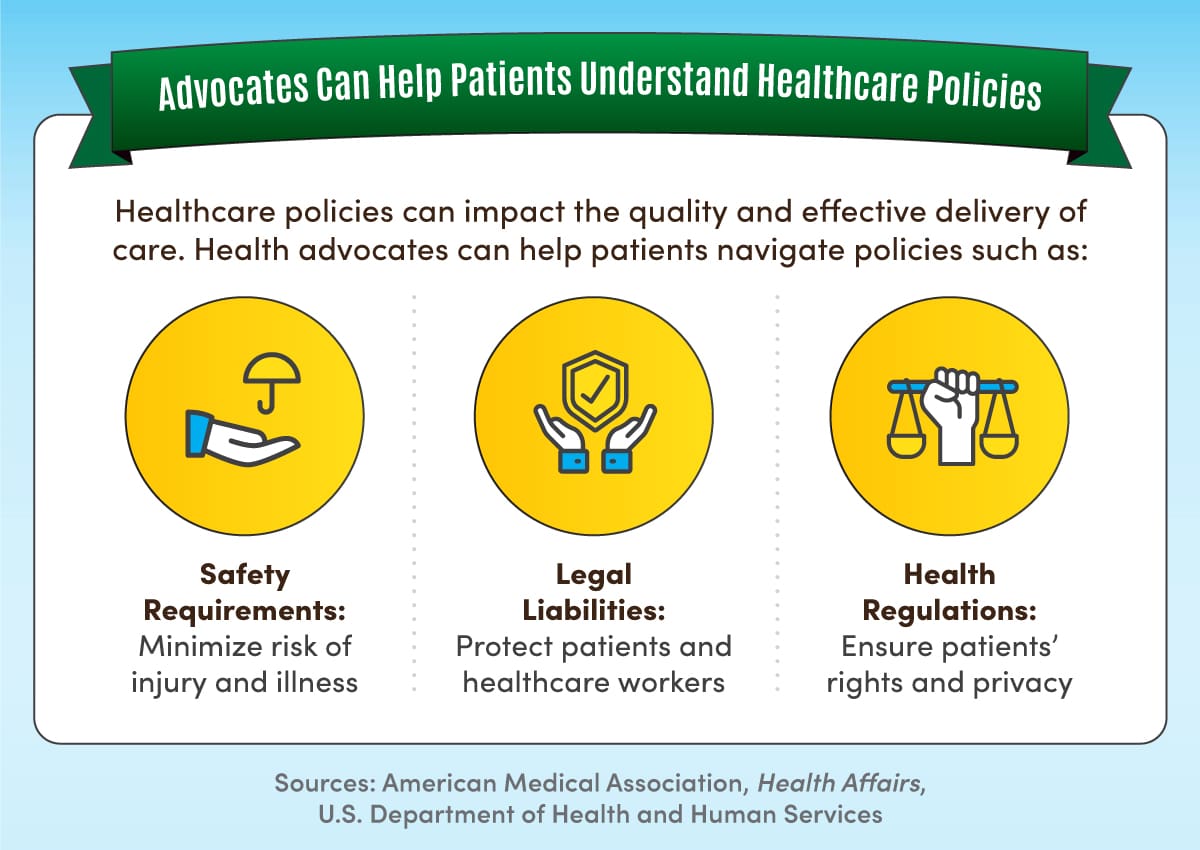
Before we delve into how to advocate for health policy change, it’s crucial to understand why it’s so important. Health policies are regulations and guidelines set by governments and other organizations to promote and protect the health of individuals and communities. These policies can have a significant impact on access to healthcare, quality of care, health outcomes, and overall well-being.
Why Health Policy Change Matters
Health policy change is essential because it can address systemic issues in healthcare, improve health equity, and enhance the overall effectiveness and efficiency of healthcare systems. By advocating for better health policies, you can help ensure that everyone has access to affordable, high-quality healthcare and that health disparities are reduced.
Educating Yourself on Health Policy Issues
To effectively advocate for health policy change, it’s essential to educate yourself on current health policy issues and their implications. Stay informed about healthcare legislation, regulations, and initiatives at the local, state, and national levels. Understand how these policies impact different populations and healthcare providers.
Ways to Stay Informed
- Follow reputable health policy news sources and organizations.
- Attend conferences, webinars, and workshops on health policy topics.
- Join advocacy groups and networks focused on healthcare reform.
By staying informed and educated, you can better understand the complexities of health policy issues and make informed decisions about how to advocate for change.
Building Relationships with Stakeholders
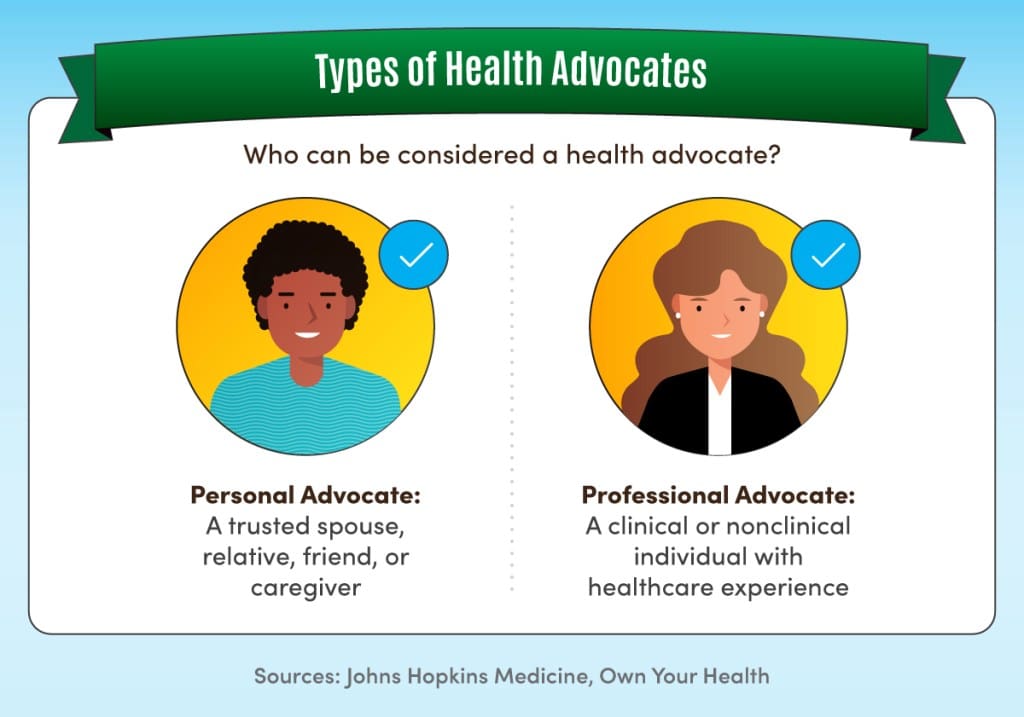
One of the most effective ways to advocate for health policy change is by building relationships with stakeholders who have the power to influence policy decisions. This includes policymakers, government officials, healthcare providers, advocacy organizations, and community leaders. By developing strong relationships with these key stakeholders, you can amplify your voice and increase your influence on health policy issues.
How to Build Relationships with Stakeholders
- Attend meetings, forums, and events where policymakers and other stakeholders are present.
- Reach out to policymakers and schedule meetings to discuss health policy issues.
- Collaborate with advocacy organizations and community groups to amplify your advocacy efforts.
By building relationships with stakeholders who have the power to shape health policies, you can increase your chances of successfully advocating for the changes you want to see.
Engaging in Grassroots Advocacy Campaigns
Grassroots advocacy campaigns are an effective way to mobilize communities and advocate for health policy change at the local level. By organizing grassroots advocacy efforts, you can raise awareness about health policy issues, engage community members in advocacy activities, and put pressure on policymakers to take action.
Tips for Engaging in Grassroots Advocacy Campaigns
- Organize community events, town halls, and rallies to raise awareness about health policy issues.
- Utilize social media and other digital platforms to spread the word and mobilize support for your advocacy campaign.
- Collect signatures for petitions, write letters to policymakers, and encourage community members to contact their elected officials about health policy issues.
By engaging in grassroots advocacy campaigns, you can harness the power of community organizing to drive meaningful change in health policy.
Using Data and Evidence in Your Advocacy Efforts
Data and evidence are powerful tools in advocating for health policy change. By utilizing data from research studies, surveys, and reports, you can make a compelling case for why a particular health policy change is needed. Data-driven advocacy can help you demonstrate the impact of current policies, identify areas for improvement, and propose evidence-based solutions to address health policy issues.
How to Use Data and Evidence in Your Advocacy Efforts
- Gather and analyze data on health outcomes, disparities, and access to care in your community.
- Use data to create compelling infographics, reports, and presentations to support your advocacy efforts.
- Present data to policymakers, stakeholders, and the media to highlight the need for health policy change.
By leveraging data and evidence in your advocacy efforts, you can make a strong, fact-based argument for why health policy change is necessary and drive greater support for your advocacy efforts.
Collaborating with Healthcare Providers and Organizations
Healthcare providers and organizations play a crucial role in advocating for health policy change. By collaborating with healthcare professionals, hospitals, clinics, and advocacy organizations, you can amplify your advocacy efforts, leverage their expertise, and build a coalition of partners who share your commitment to improving health policy.
How to Collaborate with Healthcare Providers and Organizations
- Partner with healthcare providers to advocate for policy changes that will improve patient care and outcomes.
- Collaborate with hospitals and clinics to address systemic issues in healthcare delivery and access to care.
- Work with advocacy organizations to coordinate advocacy campaigns, share resources, and build a united front for health policy reform.
By collaborating with healthcare providers and organizations, you can tap into their knowledge, resources, and networks to advance your advocacy goals and drive meaningful change in health policy.
Advocating for Health Policy Change at the Legislative Level
Advocating for health policy change at the legislative level is critical for driving systemic change in healthcare. By engaging with lawmakers, testifying at hearings, and advocating for policy changes through the legislative process, you can directly influence the development and implementation of health policies that reflect the needs and priorities of the community.
How to Advocate for Health Policy Change at the Legislative Level
- Contact your elected officials to express your support for or opposition to specific health policies.
- Attend legislative hearings, committee meetings, and advocacy days to voice your concerns and recommendations.
- Work with advocacy groups and coalitions to lobby for legislative changes that align with your advocacy goals.
By advocating for health policy change at the legislative level, you can play a direct role in shaping the future of healthcare and driving impactful reforms that benefit individuals and communities.
Conclusion
Advocating for health policy change is an essential way to drive positive reforms in healthcare, improve health outcomes, and address systemic issues in the healthcare system. Whether you’re a healthcare professional, a patient, or simply someone who cares about healthcare reform, there are many effective strategies you can use to advocate for the changes you want to see. By staying informed, building relationships with stakeholders, engaging in grassroots advocacy campaigns, using data and evidence, collaborating with healthcare providers and organizations, and advocating for change at the legislative level, you can make a meaningful impact and drive positive change in health policy. So, roll up your sleeves, raise your voice, and start advocating for the health policy changes that matter to you!