
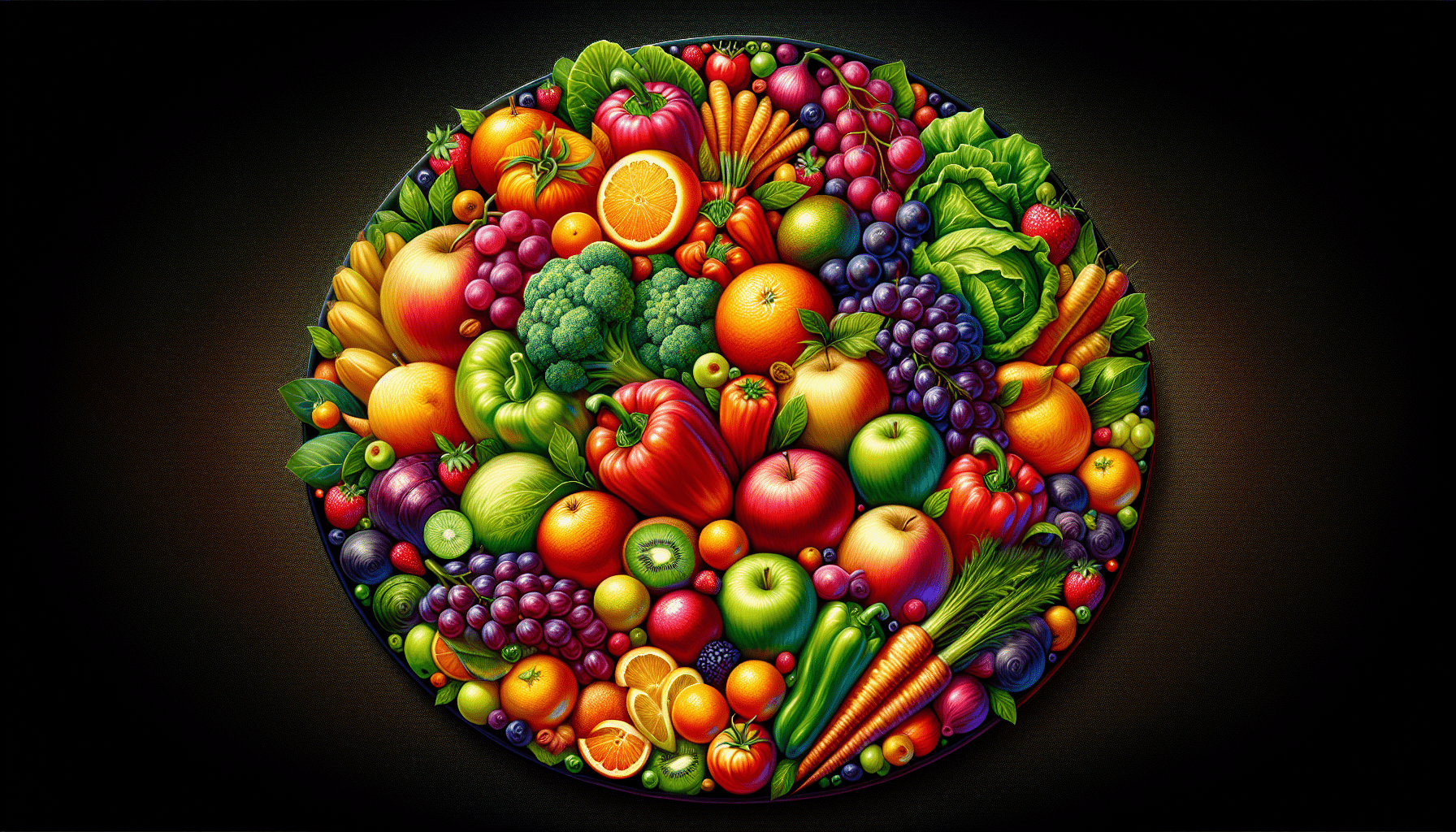
Are you tired of feeling sluggish and unmotivated? Want to make a positive change in your life? Look no further! This article is your ultimate guide to cultivating healthy eating habits that will not only improve your overall well-being but also boost your energy levels and mood. Get ready to discover the key to unlocking a better lifestyle through simple yet effective changes in your diet. Buckle up and prepare to embark on a journey towards a healthier and happier you!
Importance of Healthy Eating Habits
Enhances overall well-being
Maintaining healthy eating habits plays a crucial role in enhancing your overall well-being. When you fuel your body with nutrient-rich foods, you provide it with the necessary vitamins, minerals, and antioxidants that support optimal functioning. This, in turn, leads to improved energy levels, enhanced cognitive function, and a strengthened immune system. By prioritizing healthy eating habits, you can experience increased vitality and vitality in all aspects of your life.
Reduces the risk of chronic diseases
One of the most significant benefits of healthy eating habits is their ability to reduce the risk of chronic diseases. A balanced diet consisting of whole grains, lean proteins, fruits, and vegetables helps to prevent conditions such as heart disease, diabetes, and certain types of cancer. By choosing nutrient-dense foods over processed options, you can lower your cholesterol levels, maintain healthy blood pressure, and keep your weight in check. These habits are essential for minimizing the likelihood of developing long-term health issues.
Boosts energy levels
Are you constantly feeling tired and sluggish? It might be time to take a closer look at your eating habits. Healthy eating plays a vital role in boosting your energy levels. Instead of relying on sugary snacks and caffeinated beverages for quick energy boosts, opt for nutrient-rich foods that provide sustained energy throughout the day. Incorporating whole grains, lean proteins, and fruits and vegetables into your meals can help regulate your blood sugar levels and prevent energy crashes. By fueling your body with the right foods, you can experience increased productivity, improved focus, and a greater sense of vitality.
Balanced and Varied Diet
Include all food groups in your meals
Creating a balanced and varied diet is key to maintaining optimal health. It is essential to include all food groups in your meals to ensure you are getting a wide range of nutrients. Aim to incorporate carbohydrates, proteins, healthy fats, fruits, and vegetables into each of your meals. Carbohydrates provide your body with energy, while proteins help build and repair tissues. Healthy fats are crucial for brain function and nutrient absorption. Fruits and vegetables are packed with essential vitamins and minerals. By including all food groups, you ensure that your body receives the necessary nutrients to function at its best.
Portion control
In addition to including all food groups, practicing portion control is essential for maintaining a balanced diet. Even if you are consuming nutrient-dense foods, overeating can lead to weight gain and other health issues. It is important to listen to your body’s hunger and fullness cues and eat until you are satisfied, not overly stuffed. Using smaller plates and measuring out appropriate serving sizes can help with portion control. By being mindful of your portions, you can maintain a balanced diet and prevent overeating.
Incorporate fruits and vegetables
Fruits and vegetables are the backbone of a healthy diet. They are packed with vitamins, minerals, and fiber that support overall well-being. Aim to incorporate a variety of fruits and vegetables into your meals to ensure you are getting a wide range of nutrients. Choose colorful options like leafy greens, berries, and citrus fruits that are rich in antioxidants. You can add them to smoothies, salads, stir-fries, or enjoy them as snacks. By prioritizing the consumption of fruits and vegetables, you are providing your body with essential nutrients that promote good health.
Moderation in Food Choices
Limit consumption of processed foods
Processed foods are often high in added sugars, unhealthy fats, and sodium. These ingredients can contribute to weight gain, heart disease, and other chronic health conditions. It is important to limit your consumption of processed foods and opt for whole, unprocessed options whenever possible. Choose fresh fruits and vegetables, lean proteins, whole grains, and healthy fats. By reducing your intake of processed foods, you can improve your diet and overall health.
Reduce intake of sugary drinks and snacks
Sugary drinks and snacks can quickly add empty calories to your diet and contribute to weight gain. It is important to reduce your intake of sugary beverages such as soda, energy drinks, and fruit juices. Instead, choose water, herbal teas, or infused water to quench your thirst. When it comes to snacks, opt for nutritious options like fresh fruits, vegetables with hummus, nuts, or yogurt. These alternatives provide essential nutrients without the added sugars.
Choose lean proteins
Proteins are essential for building and repairing tissues and are an important component of a healthy diet. When selecting proteins, opt for lean options such as chicken, turkey, fish, and legumes. These choices are low in saturated fats and provide necessary amino acids. Avoid processed meats and opt for fresh, unprocessed options. By choosing lean proteins, you can maintain a balanced diet and support muscle growth and repair.
Mindful Eating
Eat slowly and chew thoroughly
In today’s fast-paced world, we often rush through our meals without fully appreciating the food in front of us. However, practicing mindful eating can have numerous benefits for our health. Make an effort to eat slowly and chew your food thoroughly. This allows your body to properly process and digest the nutrients from your meal. Additionally, savoring each bite can help you feel more satisfied with your food, preventing overeating.
Avoid distractions while eating
Eating while distracted, such as watching TV or scrolling through your phone, can lead to mindless overeating. Instead, create a peaceful and distraction-free environment during mealtimes. Sit down at a table, turn off electronic devices, and focus on the taste and texture of your food. By giving your full attention to your meal, you can better gauge your body’s hunger and fullness cues.
Listen to your body’s hunger and fullness cues
Your body is equipped with natural hunger and fullness cues that can guide you in making better food choices. Pay attention to these signals and eat when you are hungry, stopping when you are comfortably full. By listening to your body, you can avoid overeating and maintain a healthier relationship with food.
Meal Planning and Preparation
Plan your meals in advance
Meal planning is an effective way to ensure you are making healthy choices throughout the week. Set aside time each week to plan your meals and make a grocery list. Aim to include a variety of nutrient-dense foods, incorporating different colors and flavors into your meals. By planning in advance, you can avoid impulsive food choices and set yourself up for success in maintaining healthy eating habits.
Cook at home more often
Cooking at home gives you full control over the ingredients in your meals. By preparing your meals from scratch, you can avoid the added sugars, unhealthy fats, and preservatives often found in pre-packaged or restaurant meals. Experiment with new recipes, use flavorful herbs and spices, and enjoy the process of creating nourishing meals. Cooking at home not only allows you to make healthier choices, but it also saves you money in the long run.
Use healthier cooking methods
The cooking methods you choose can greatly impact the nutritional value of your food. Opt for healthier cooking methods such as grilling, baking, steaming, or sautéing. These methods require less oil and help retain the natural flavors and nutrients of your food. Avoid deep-frying or battering foods, as these cooking methods can add unnecessary calories and unhealthy fats. By using healthier cooking methods, you can create delicious and nutritious meals.
Hydration
Drink adequate water
Staying hydrated is essential for overall health and well-being. Water helps regulate body temperature, aids in digestion, and keeps your joints lubricated. Aim to drink adequate water throughout the day, especially during and after physical activity. Carry a refillable water bottle with you wherever you go to remind yourself to stay hydrated. By making water your beverage of choice, you can avoid the added sugars and calories found in sugary drinks.
Limit sugary beverages
Sugary beverages such as soda, fruit juices, and energy drinks can contribute to weight gain and increase your risk of developing chronic diseases. It is important to limit your consumption of these beverages and opt for healthier alternatives. If you crave flavor, infuse your water with fruits or herbs for a refreshing twist. Herbal teas are also a great option, as they provide hydration along with additional health benefits.
Incorporate herbal teas
Herbal teas offer a multitude of health benefits and can be a hydrating and delicious alternative to sugary beverages. Whether it’s chamomile for its calming effects, green tea for its antioxidant properties, or mint tea for digestive support, incorporating herbal teas into your routine can promote overall well-being. Enjoy a cup of tea in the morning, afternoon, or evening as part of your hydration plan.
Smart Snacking
Choose nutritious snacks
Snacking can be a healthy part of your diet if you choose nutritious options. Instead of reaching for sugary or processed snacks, opt for nutrient-dense choices. Fresh fruits, vegetables with hummus, Greek yogurt, nuts, or seeds are excellent choices that provide essential vitamins, minerals, and fiber. These snacks will help keep you satisfied between meals without adding excessive calories.
Avoid mindless snacking
Mindless snacking can quickly lead to overeating and weight gain. Instead of mindlessly reaching for snacks when bored or stressed, focus on mindful eating habits. Ask yourself if you are truly hungry or if you are simply craving food out of habit or emotion. Take a moment to assess your hunger and choose snacks that align with your nutritional goals.
Opt for homemade snacks
Making your snacks at home allows you to control the ingredients and ensure they are healthy and nutritious. Experiment with homemade energy balls, granola bars, or vegetable chips. By opting for homemade snacks, you can avoid the excess sugars, unhealthy fats, and preservatives often found in store-bought options.
Reading Food Labels
Check for hidden sugars and unhealthy fats
Food labels can be a valuable tool in making informed food choices. When reading food labels, pay attention to hidden sugars and unhealthy fats. Look for ingredients like high-fructose corn syrup, fructose, sucrose, and trans fats, and aim to limit your consumption of such foods. By being mindful of the ingredients, you can make healthier choices and reduce your intake of harmful substances.
Look for whole ingredients
Opt for foods that have simple and whole ingredients. Foods that are minimally processed and have recognizable ingredients are generally healthier choices. Avoid foods that have a long list of artificial additives, preservatives, and chemicals. By choosing whole ingredients, you can ensure that you are getting the nutrients your body needs without unnecessary additives.
Understand serving sizes
Understanding serving sizes is important for portion control and managing your calorie intake. Food labels provide information on serving sizes, and it’s crucial to pay attention to them. Sometimes, what appears to be a single serving may actually be multiple servings. Familiarize yourself with the serving size recommendations and adjust your portions accordingly. By understanding serving sizes, you can make more accurate decisions about how much you should be eating.
Mindset and Attitude
Adopt a positive attitude towards food
Maintaining a positive attitude towards food is crucial for establishing healthy eating habits. Instead of viewing food as the enemy or associating guilt with eating, foster a positive relationship with food. Understand that food is fuel for your body and provides the nutrients necessary for your overall well-being. Embrace a balanced approach to eating and focus on nourishing your body with wholesome foods.
Avoid restrictive diets
Restrictive diets often lead to a cycle of deprivation and overindulgence. Instead of following extreme or fad diets, focus on nourishing your body with a variety of wholesome foods. Rigid dieting can be unsustainable and may deprive your body of essential nutrients. Embrace moderation and balance in your eating habits for long-term success.
Practice self-compassion
It’s important to approach your healthy eating journey with self-compassion. Remember that nobody is perfect, and it’s okay to indulge occasionally or have off days. Instead of punishing yourself for making less healthy choices, acknowledge that balance is key. Practice self-care, understanding, and forgiveness when it comes to your eating habits. By fostering a compassionate attitude towards yourself, you can maintain a healthy and sustainable relationship with food.
Enjoyment and Moderation
Allow for occasional indulgences
Leading a healthy lifestyle does not mean that you have to completely eliminate indulgent foods or treats from your diet. Allowing yourself to enjoy occasional indulgences can actually enhance your overall well-being. Depriving yourself of your favorite foods entirely can lead to feelings of restriction and create an unhealthy relationship with food. Instead, practice moderation and savor your favorite treats in smaller portions. By incorporating occasional indulgences into your diet, you can maintain a balanced and sustainable approach to eating.
Practice mindful indulgence
When indulging in your favorite foods, practice mindful eating. Slow down, savor each bite, and fully appreciate the flavors and textures. By being present in the moment, you can fully enjoy your indulgence and feel satisfied. Avoid distractions and listen to your body’s cues of satisfaction, choosing to stop eating when you have had enough.
Avoid guilt and enjoy food
Guilt should have no place in your relationship with food. Enjoying a meal or treat should be a pleasurable experience, not one filled with guilt or shame. Remember that one less healthy meal or indulgence does not define your overall eating habits. Embrace a positive mindset and give yourself permission to enjoy food without judgment. By focusing on the enjoyment of food, you can maintain a healthy relationship with eating and foster a positive approach to overall well-being.
In conclusion, adopting healthy eating habits is essential for enhancing your overall well-being. By prioritizing a balanced and varied diet, practicing moderation, embracing mindful eating, planning and preparing meals, staying hydrated, making smart snack choices, reading food labels, cultivating a positive mindset, and indulging in moderation, you can establish a sustainable and enjoyable approach to healthy eating. Remember that healthy eating is not about restriction or deprivation, but about nourishing your body and mind with wholesome foods in a way that promotes long-term well-being.