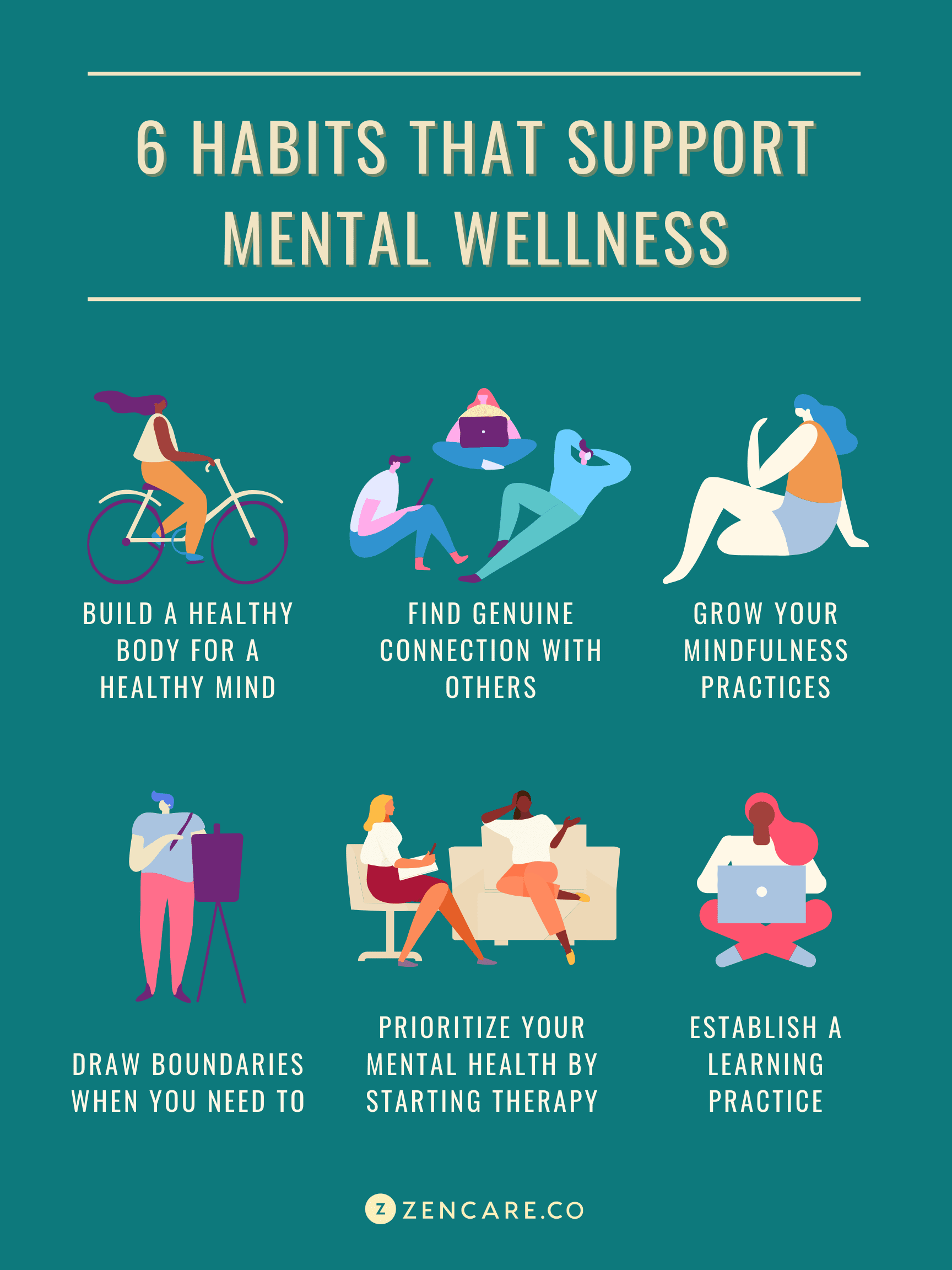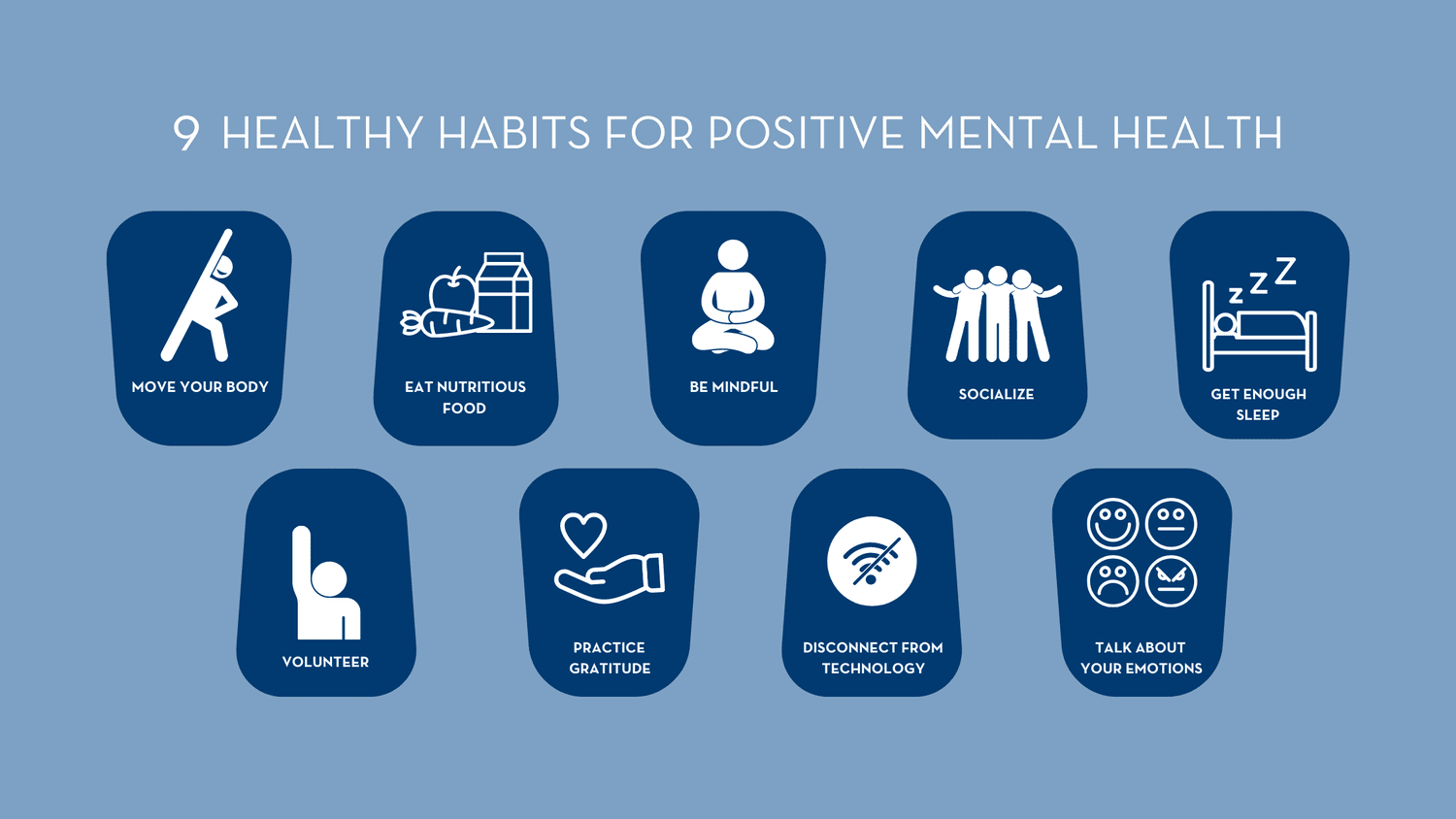
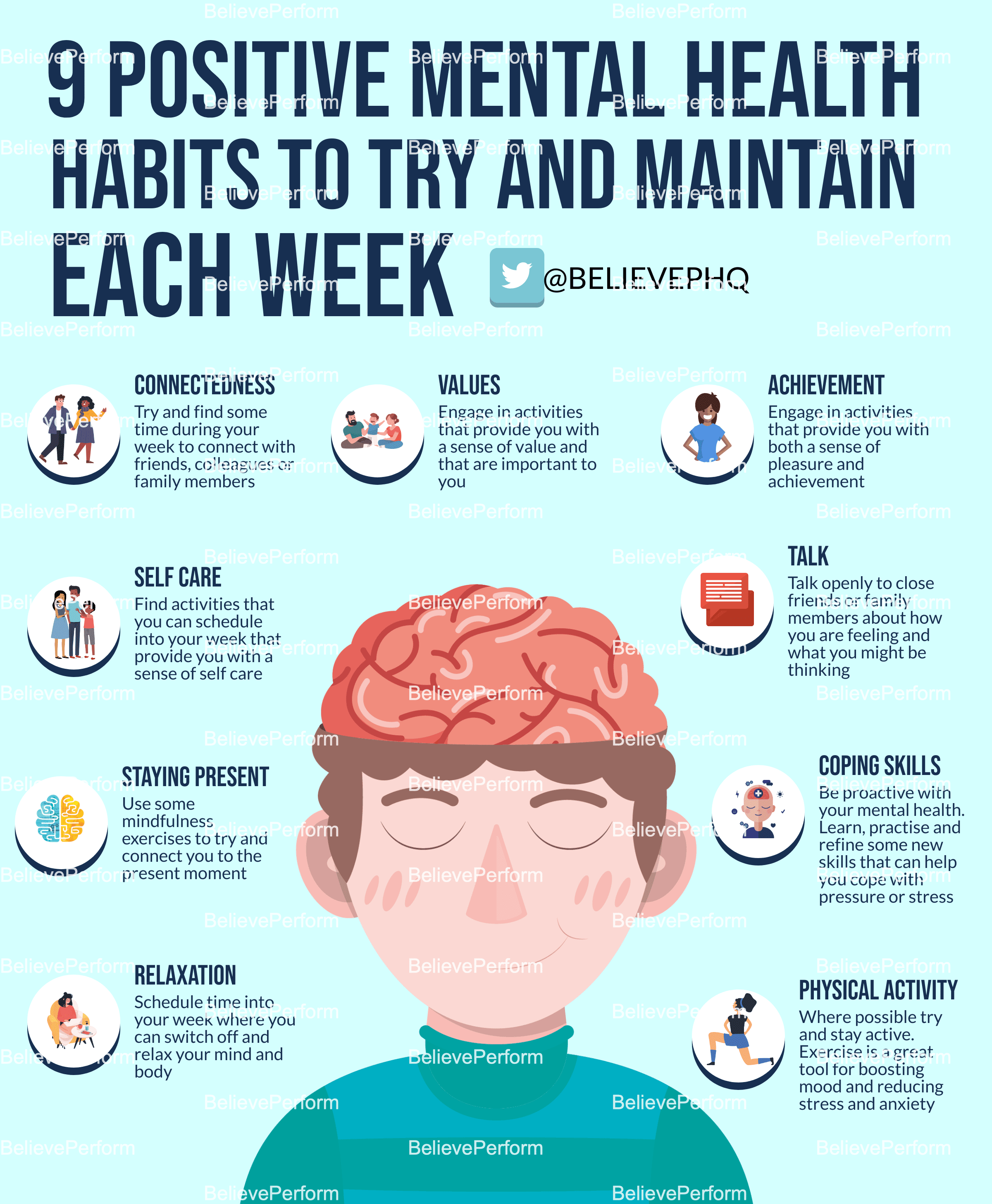
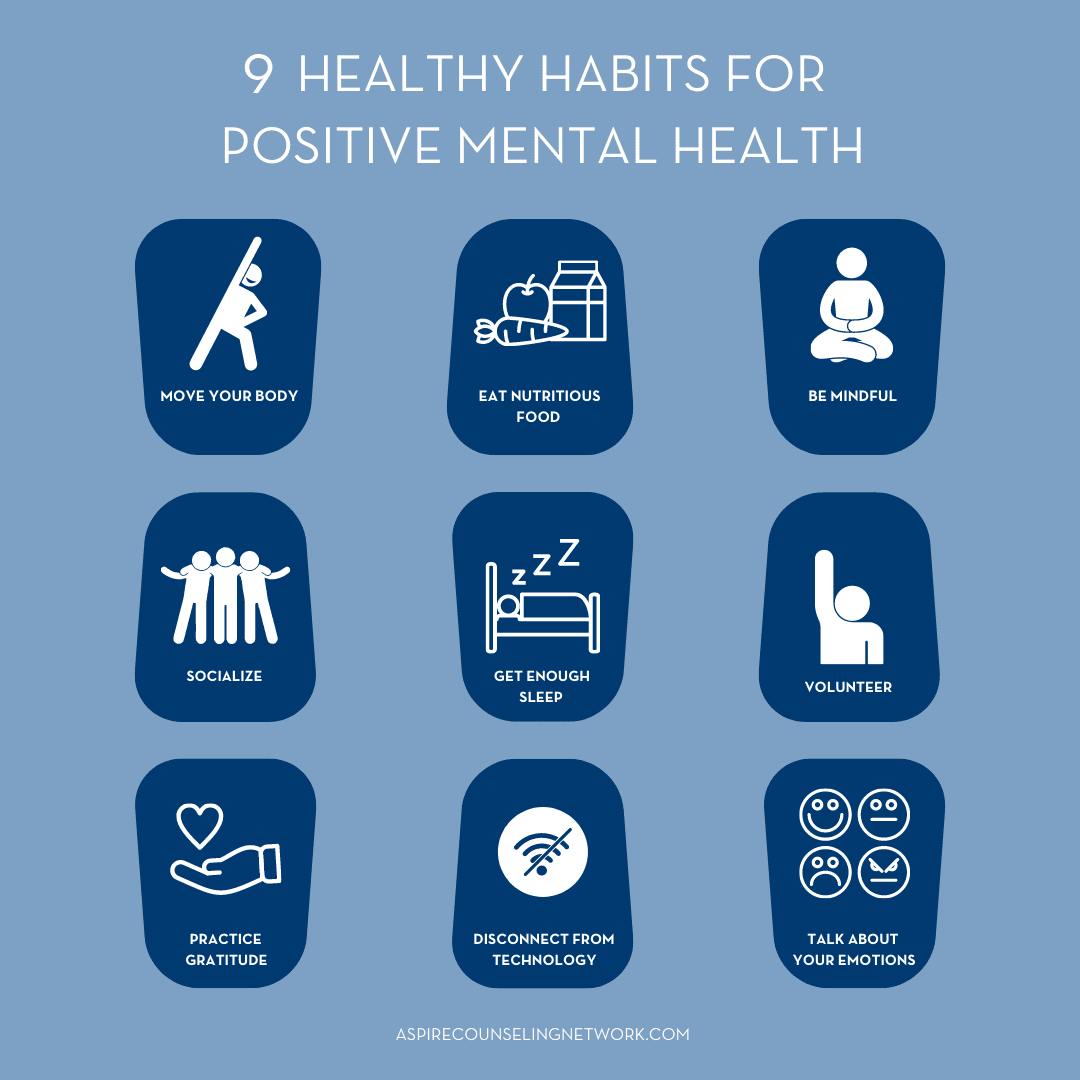
Welcome to an article full of helpful tips on how to take care of your mental well-being. By incorporating simple and effective healthy habits into your daily routine, you can improve your overall mood and outlook on life. From practicing mindfulness and gratitude to getting regular exercise and enough sleep, these habits can help keep your mind in a positive state. Embracing self-care and seeking support when needed are also key components to maintaining a healthy mind. Let’s explore these habits together and start prioritizing your mental well-being today. Have you ever wondered what you can do to maintain your mental well-being? In today’s fast-paced world, it’s important to prioritize your mental health. By incorporating healthy habits into your daily routine, you can improve your overall well-being and quality of life. Here are some tips and strategies to help you maintain your mental health:
Exercise Regularly
Exercise is not only good for your physical health but also plays a crucial role in maintaining your mental well-being. Physical activity releases endorphins, which are known as the “feel-good” hormones that help reduce stress, anxiety, and depression. Make it a priority to engage in some form of exercise at least three to five times a week. Whether it’s going for a run, practicing yoga, or taking a dance class, find an activity that you enjoy and make it a regular part of your routine.
Eat a Balanced Diet
What you eat can have a significant impact on your mental health. Consuming a balanced diet rich in fruits, vegetables, whole grains, lean proteins, and healthy fats can help improve your mood and overall well-being. Avoid processed foods, sugary snacks, and excessive caffeine, as they can negatively affect your mental health. Remember to stay hydrated throughout the day by drinking plenty of water.
Get Sufficient Sleep
Sleep plays a vital role in maintaining your mental health. Lack of sleep can lead to irritability, mood swings, and difficulty concentrating. Aim to get seven to nine hours of quality sleep each night. Establish a bedtime routine that helps you unwind and relax before going to bed. Avoid electronic devices at least an hour before bedtime, as the blue light emitted can disrupt your sleep patterns.
Practice Mindfulness and Meditation
Mindfulness and meditation are powerful tools for maintaining mental well-being. These practices help you stay present, reduce stress, and improve your overall mental clarity. Spend a few minutes each day practicing mindfulness or meditation. Focus on your breath, observe your thoughts without judgment, and cultivate a sense of inner peace and calm. You can also try guided meditation apps or classes to help you get started.
Stay Connected
Social connections are essential for maintaining your mental health. Make an effort to cultivate and nurture relationships with friends, family, and loved ones. Surround yourself with positive and supportive people who uplift and inspire you. Stay connected through phone calls, video chats, or in-person visits. Join clubs, groups, or organizations that share your interests and values. Having a strong social support system can help you navigate life’s challenges more effectively.
Set Boundaries
Setting boundaries is crucial for protecting your mental well-being. Learn to say no to commitments, tasks, or activities that drain your energy or cause you stress. Prioritize self-care by making time for yourself and engaging in activities that bring you joy and relaxation. Establish healthy boundaries in your relationships by communicating your needs, expectations, and limits clearly and assertively. Respect others’ boundaries as well to create healthy and balanced interactions.

Practice Gratitude
Cultivating a sense of gratitude can significantly impact your mental well-being. Take time each day to reflect on what you’re grateful for and appreciate the positive aspects of your life. Keep a gratitude journal where you write down three things you’re thankful for each day. Practice mindfulness by savoring the present moment and acknowledging the blessings in your life. Gratitude can help shift your perspective from negativity to positivity and enhance your overall well-being.
Seek Professional Help
If you’re struggling with your mental health, don’t hesitate to seek professional help. Counseling, therapy, or psychiatric support can provide you with the tools, resources, and guidance you need to address your mental health concerns. Reach out to a mental health professional, psychologist, or psychiatrist for support. Remember that it’s okay to ask for help and prioritize your mental well-being. You don’t have to navigate these challenges alone.
Conclusion
Maintaining your mental well-being is essential for living a fulfilling and balanced life. By incorporating healthy habits into your daily routine, you can improve your overall mental health and quality of life. Remember to exercise regularly, eat a balanced diet, get sufficient sleep, practice mindfulness and meditation, stay connected, set boundaries, practice gratitude, and seek professional help when needed. Prioritize your mental health and well-being, as they are invaluable assets that deserve your attention and care. Start implementing these healthy habits today and watch as your mental well-being flourishes.