Maintaining a healthy heart is essential for every woman, and adopting certain habits can greatly contribute to overall heart health. In this article, we will explore some effective ways to prioritize your heart’s well-being. From incorporating regular exercise into your routine to making smart dietary choices, these simple yet significant habits can make a significant difference in promoting a strong and healthy heart. So, let’s dive in and discover the empowering steps you can take to ensure optimal heart health for women.
Regular Physical Activity
Benefits of Exercise
Regular physical activity plays a crucial role in maintaining a healthy heart. Engaging in exercise not only helps to keep your heart strong and efficient, but it also offers a myriad of other benefits for your overall well-being. When you exercise, your heart rate increases, which improves blood circulation throughout your body. This increased circulation promotes the delivery of oxygen and nutrients to your organs, including your heart, and helps in removing waste products. Regular exercise also helps in lowering blood pressure and reducing the risk of developing chronic conditions such as heart disease, diabetes, and obesity.
Types of Exercise
To reap the maximum benefits, it’s essential to incorporate a variety of exercises into your routine. There are three main types of exercise that you should focus on:
-
Aerobic Exercise: This includes activities like brisk walking, jogging, swimming, or cycling. Aerobic exercise increases your heart rate, improves your cardiovascular fitness, and helps burn calories.
-
Strength Training: Incorporating strength training exercises into your routine is vital for building and maintaining muscle mass. Aim for two or more days of strength training per week, focusing on major muscle groups.
-
Flexibility and Balance Exercises: Stretching exercises, yoga, and Pilates improve flexibility and balance, reducing the risk of falls and injuries.
Strive for a well-rounded exercise regimen that combines aerobic exercises, strength training, and flexibility exercises to optimize your heart health.
Exercise Recommendations
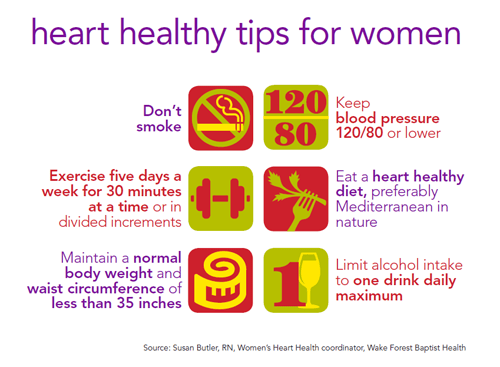
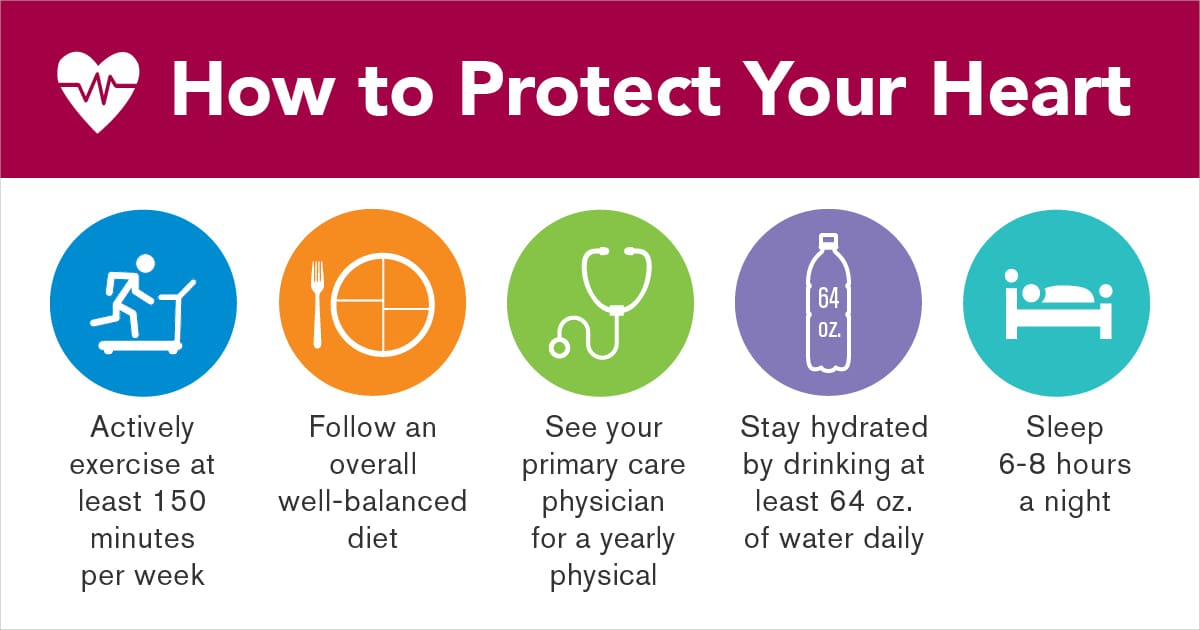
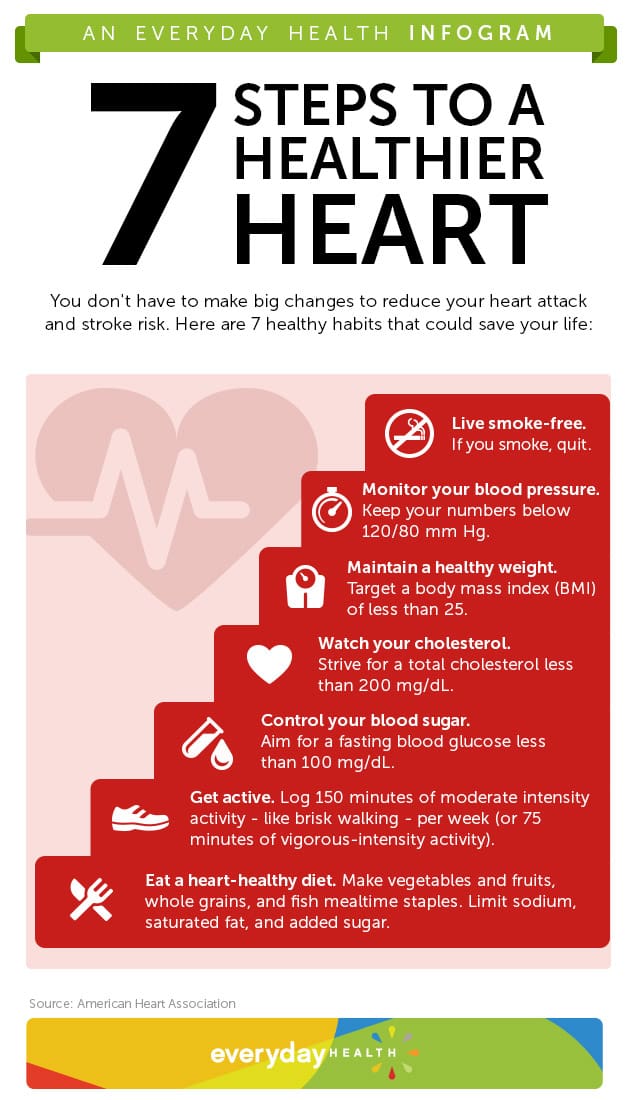
The American Heart Association (AHA) recommends at least 150 minutes (2.5 hours) of moderate-intensity aerobic exercise or 75 minutes of vigorous-intensity aerobic exercise per week. It is also recommended to incorporate strength training exercises at least two days a week. Remember, you can break down your exercise sessions into smaller increments throughout the day if needed. Aim for consistency and gradually increase the duration and intensity of your workouts over time, as your fitness level improves.
Healthy Diet
Choosing Nutrient-rich Foods
Maintaining a healthy diet is essential for your heart health. Opting for nutrient-rich foods ensures you obtain the necessary vitamins, minerals, and antioxidants that support a healthy cardiovascular system. Focus on incorporating the following into your diet:
-
Fruits and Vegetables: Aim for a variety of colorful fruits and vegetables, as they are rich in vitamins, minerals, and fiber. They also contain antioxidants that help protect your heart.
-
Whole Grains: Choose whole grain products like brown rice, quinoa, whole wheat bread, and oats. These are rich in fiber and can help lower cholesterol levels.
-
Lean Proteins: Opt for lean sources of protein such as skinless poultry, fish, legumes, and tofu. These are low in saturated fats and are excellent alternatives to red meat.
-
Healthy Fats: Include unsaturated fats from sources like avocados, nuts, seeds, and olive oil. These fats can help improve cholesterol levels and reduce inflammation.
-
Low-Fat Dairy: If you consume dairy products, choose low-fat or non-fat options to reduce your intake of saturated fats.
Reducing Sodium Intake
Excessive sodium intake can lead to high blood pressure, which is a major risk factor for heart disease. To reduce your sodium intake, focus on the following:
-
Reading Food Labels: Pay attention to the sodium content listed on food labels. Choose lower-sodium options whenever possible.
-
Cooking at Home: Preparing meals at home allows you to have control over the amount of salt added to your food. Use herbs, spices, and other seasonings to enhance the flavor instead.
-
Limiting Processed Foods: Processed foods often contain high amounts of sodium. Try to prioritize fresh, whole foods when planning your meals.
-
Rinsing Canned Goods: Rinse canned vegetables, beans, and other foods before consuming them to remove excess sodium.
Limiting Saturated and Trans Fats
Saturated and trans fats can raise your cholesterol levels and increase the risk of heart disease. To limit your intake of these unhealthy fats, consider the following:
-
Minimizing Red Meat: Reducing the amount of red meat in your diet can help lower your intake of saturated fats. Opt for leaner sources of protein instead.
-
Choosing Healthy Cooking Oils: Use oils like olive oil, canola oil, or avocado oil for cooking instead of solid fats like butter or lard.
-
Avoiding Trans Fats: Trans fats are often found in processed snacks, baked goods, and fried foods. Read labels carefully and choose products that are free of trans fats.
By making mindful choices about the foods you eat, you can promote a healthy heart and overall well-being.
Maintaining a Healthy Weight
Body Mass Index (BMI)
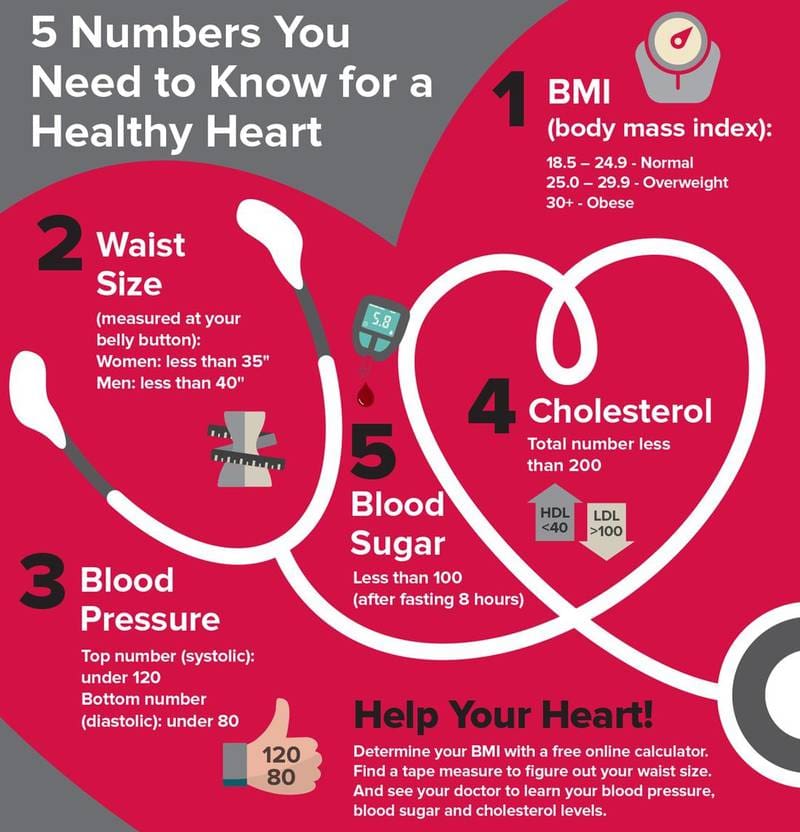
Maintaining a healthy weight is crucial for your heart health. One way to determine if you are within a healthy weight range is by calculating your Body Mass Index (BMI). BMI is a simple calculation based on your height and weight that helps estimate body fat and assess potential health risks. Use a reliable BMI calculator to determine your BMI and consult with your healthcare provider to interpret the results. A BMI between 18.5 and 24.9 is generally considered healthy.
Weight Management Strategies
If you find that your BMI is not within the healthy range, there are numerous strategies you can adopt to manage your weight effectively:
-
Balanced Diet: Focus on consuming a well-balanced diet consisting of nutrient-rich foods in appropriate portions. Avoid crash diets or extreme calorie restriction, as they are not sustainable and can harm your health.
-
Portion Control: Keep an eye on your portion sizes, as consuming more calories than your body needs can lead to weight gain. Use smaller plates and practice intuitive eating to gauge your hunger and fullness cues.
-
Regular Exercise: Engaging in regular physical activity not only helps with weight management but also offers a host of cardiovascular benefits. Strive to incorporate a combination of aerobic, strength training, and flexibility exercises into your routine.
-
Mindful Eating: Pay attention to your body’s hunger and fullness signals. Practice mindful eating by savoring each bite, eating slowly, and being aware of your food choices.
Importance of Balanced Lifestyle
Maintaining a healthy weight is not just about diet and exercise; it’s also about adopting a balanced lifestyle. Aim to lead a well-rounded life that includes:
-
Adequate Sleep: Prioritize sleep and aim for 7-9 hours of quality sleep each night. Sufficient rest contributes to overall well-being and weight management.
-
Stress Management: Find healthy ways to manage stress, as chronic stress can affect your weight and overall health. Engage in activities like yoga, meditation, deep breathing exercises, or hobbies that bring you joy.
-
Mental Health Support: Seek professional help if you struggle with emotional eating or have underlying mental health concerns. A therapist or counselor can provide valuable guidance and support.
Remember, maintaining a healthy weight is a lifelong journey, and small, sustainable changes are key to long-term success.
Managing Stress Levels
Effects of Stress on Heart Health
Stress has a significant impact on heart health. Chronic stress can lead to an increase in blood pressure, heart rate, and inflammation, putting additional strain on the cardiovascular system. Long-term exposure to stress hormones can also contribute to the development of unhealthy habits such as overeating, smoking, or excessive alcohol consumption, further increasing the risk of heart disease.
Stress Management Techniques
Taking proactive steps to manage stress is essential for maintaining a healthy heart. Some effective stress management techniques to consider include:
-
Exercise: Physical activity is not only beneficial for your physical health but also your mental well-being. Regular exercise releases endorphins, reduces stress hormones, and improves mood.
-
Relaxation Techniques: Engage in relaxation techniques such as deep breathing exercises, meditation, or yoga. These practices help activate the body’s relaxation response and promote a sense of calm.
-
Time Management: Prioritize your tasks and allocate time for activities that bring you joy and relaxation. Effective time management can reduce stress and improve overall productivity.
Prioritizing Self-Care
Self-care involves taking deliberate actions to nurture your physical, mental, and emotional well-being. Prioritizing self-care can help reduce stress levels and maintain a healthy heart. Consider implementing the following self-care practices:
-
Engage in Activities You Enjoy: Make time for hobbies, socializing, or any activities that bring you happiness and relaxation. Doing what you love can significantly reduce stress and improve overall well-being.
-
Practice Mindfulness: Cultivate mindfulness by being fully present in the moment. Whether it’s engaging in a mindful walk, enjoying a warm bath, or practicing gratitude, incorporating mindfulness into your daily life can help reduce stress.
-
Build a Support Network: Surround yourself with loved ones who uplift and support you. Strong social connections can provide emotional support and act as a buffer against stress.
Remember, managing stress is not only beneficial for your heart health but also improves your overall quality of life.
Avoiding Tobacco and Alcohol
Negative Impact on Heart Health
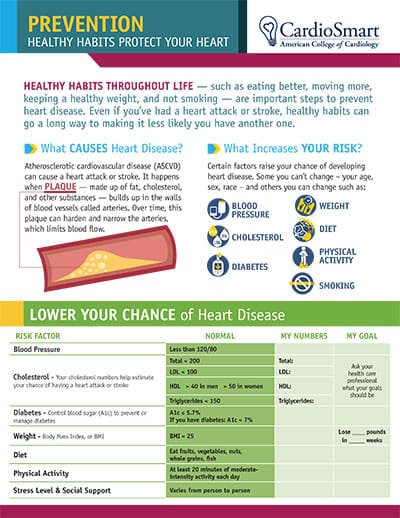
Tobacco and excessive alcohol consumption have detrimental effects on heart health. Smoking is a leading cause of cardiovascular disease and increases the risk of heart attack, stroke, and coronary artery disease. The chemicals in tobacco smoke damage blood vessels, promote inflammation, and accelerate the buildup of plaque in the arteries. Similarly, excessive alcohol consumption can raise blood pressure, contribute to weight gain, and increase the risk of developing heart disease.
Tips for Quitting Smoking
Quitting smoking is one of the best things you can do for your heart health. Here are a few tips to help you kick the habit:
-
Seek Support: Reach out to friends, family, or support groups for encouragement and guidance. Consider enlisting the help of a healthcare professional or attending smoking cessation programs.
-
Nicotine Replacement Therapy: Nicotine replacement therapy, such as patches, gum, or prescription medications, can help ease withdrawal symptoms and cravings.
-
Find Healthy Alternatives: Replace the habit of smoking with healthier activities like exercise, deep breathing exercises, or engaging in a hobby that keeps your hands busy.
-
Stay Positive and Persistent: Quitting smoking can be challenging, but remember that each attempt brings you closer to success. Stay positive, persevere through setbacks, and celebrate small victories along the way.
Moderation in Alcohol Consumption
While moderate alcohol consumption has been linked to certain health benefits, excessive drinking can be detrimental to your heart health. If you choose to drink, it is essential to do so in moderation. The Centers for Disease Control and Prevention (CDC) defines moderate drinking as up to one drink per day for women. It’s important to note that alcohol recommendations may vary based on individual circumstances and should be discussed with your healthcare provider. If you struggle with controlling your alcohol intake, seek professional help to address any underlying issues.
By avoiding tobacco and practicing moderation in alcohol consumption, you can significantly reduce the risk of heart disease and improve your overall cardiovascular health.
Regular Health Check-ups
Importance of Preventive Exams
Regular health check-ups are vital for maintaining optimal heart health. These preventive exams help identify potential risk factors and allow for early intervention and management. During your check-ups, your healthcare provider may perform various tests, including blood pressure measurements, cholesterol screenings, and discuss your medical history. These exams provide an opportunity to detect any potential issues and make necessary lifestyle modifications.
Screenings for Heart Disease Risk Factors
In addition to regular check-ups, certain screenings are specifically designed to assess heart disease risk factors. These screenings may include:
-
Blood Pressure Measurement: High blood pressure is a significant risk factor for heart disease. Regular blood pressure measurements can help detect and monitor hypertension.
-
Lipid Profile: A lipid profile measures different types of cholesterol and triglycerides in your blood. Abnormal levels may indicate an increased risk of heart disease.
-
Fasting Blood Sugar: Elevated blood sugar levels can indicate prediabetes or diabetes, which can impact heart health. Fasting blood sugar tests help assess your risk for these conditions.
-
Body Composition Analysis: Body composition analysis provides insights into your body fat percentage, muscle mass, and visceral fat. Excessive body fat, especially around the midsection, can increase the risk of heart disease.
Consult with your healthcare provider to determine the appropriate timing and frequency of these screenings based on your individual risk factors and medical history.
Monitoring Blood Pressure and Cholesterol
Apart from screenings during regular check-ups, monitoring your blood pressure and cholesterol levels at home is crucial. Home monitoring allows you to take an active role in your heart health and track changes more frequently. Purchase a reliable blood pressure monitor and cholesterol testing kit, and work with your healthcare provider to establish target ranges for these measurements. Regular tracking will help identify and address any concerning patterns or fluctuations promptly.
By staying proactive with regular health check-ups and monitoring, you can actively manage your heart health and make informed decisions for your well-being.
Maintaining Healthy Relationships
Social Support and Heart Health
Maintaining healthy relationships and fostering social connections significantly contribute to heart health. Strong social support has been linked to better cardiovascular outcomes and reduced risk of heart disease. Social interaction helps reduce stress, provides emotional support, and encourages positive lifestyle behaviors.
Strong Emotional Bonds
Cultivating strong emotional bonds with friends, family, or a partner can have a profound impact on your heart health. Emotional intimacy, trust, and open communication foster healthy relationships. Make an effort to prioritize quality time with your loved ones, engage in meaningful conversations, and express your emotions openly.
Communication and Conflict Resolution
Effective communication and conflict resolution skills are paramount in maintaining healthy relationships and reducing stress. Practice active listening, empathize with others’ perspectives, and find constructive ways to resolve conflicts. Seeking couples or family therapy can be beneficial if you encounter persistent relationship challenges or difficulties in communication.
Remember, creating and nurturing healthy relationships is a powerful way to boost your heart health and overall happiness.
Getting Enough Sleep
Importance of Sleep for Heart Health
Adequate sleep is vital for maintaining a healthy heart. During sleep, your body repairs and rejuvenates itself, including your cardiovascular system. Sufficient and quality sleep supports healthy blood pressure, improves insulin sensitivity, and helps regulate various hormones. Chronic sleep deprivation has been associated with an increased risk of heart disease, high blood pressure, and obesity.
Establishing a Bedtime Routine
Creating a bedtime routine can help promote healthy sleep patterns and improve the quality of your sleep. Consider incorporating the following practices:
-
Consistent Sleep Schedule: Establish a regular sleep schedule by going to bed and waking up at the same time every day, even on weekends.
-
Sleep-Friendly Environment: Create a serene and comfortable sleep environment by keeping your bedroom dark, quiet, and at a moderate temperature. Invest in a supportive mattress and pillows to ensure optimal comfort.
-
Relaxation Techniques: Engage in relaxing activities before bed, such as reading, taking a warm bath, or practicing deep breathing exercises. These practices signal to your body that it’s time to wind down and prepare for sleep.
Creating a Relaxing Sleep Environment
To promote restful sleep, it’s essential to create a sleep-friendly environment. Consider the following tips:
-
Limit Screen Time: Avoid using electronic devices before bed, as the blue light emitted can interfere with your body’s production of the sleep hormone, melatonin.
-
Minimize Noise: Use earplugs or a white noise machine to block any disruptive noises that may disturb your sleep.
-
Limit Stimulants: Avoid consuming caffeine or other stimulants close to bedtime, as they can interfere with falling asleep.
Prioritizing sufficient and quality sleep is an essential pillar of heart health and should not be overlooked.
Limiting Stressful Triggers
Identifying Stressful Situations
Identifying stressful triggers in your life is crucial for effectively managing stress. Stressful situations can vary from person to person, but common triggers may include work pressure, relationship conflicts, financial concerns, or major life changes. Gain self-awareness and recognize situations, environments, or people that tend to increase your stress levels.
Setting Boundaries
Setting healthy boundaries in different aspects of your life is essential for managing stress effectively. Boundaries help protect your time, energy, and emotional well-being. Consider the following boundary-setting strategies:
-
Prioritize Self-Care: Make self-care a non-negotiable and allocate time for activities that promote relaxation and reduce stress.
-
Learn to Say No: Recognize when your plate is full and graciously decline additional commitments or requests that can overwhelm you.
-
Delegate and Share Responsibilities: Share responsibilities at home and work by delegating tasks to lighten your load. Seek help when needed, as it is not a sign of weakness.
Managing Time Effectively
Time management plays a significant role in reducing stress and achieving a balanced lifestyle. Consider the following tips to manage your time effectively:
-
Prioritize Tasks: Focus on important tasks and prioritize them accordingly. Set realistic goals and break larger tasks into smaller, manageable steps.
-
Avoid Procrastination: Procrastination can lead to unnecessary stress. Allocate dedicated time blocks for specific tasks and utilize productivity techniques such as the Pomodoro Technique.
-
Take Breaks: Allow for regular short breaks throughout your day to recharge and prevent burnout. Use this time to engage in activities that help you relax and destress, such as stretching, deep breathing, or walking.
By identifying stressful triggers, setting boundaries, and managing your time effectively, you can minimize stress levels and promote a healthier, more balanced lifestyle.
Educating Yourself
Understanding Heart Disease in Women
Educating yourself about heart disease is crucial, particularly since symptoms of heart disease can differ for women compared to men. Women often experience atypical symptoms such as shortness of breath, nausea, fatigue, or discomfort in the jaw, neck, or back. Familiarize yourself with these differences and be proactive in seeking medical attention if you experience any concerning symptoms.
Recognizing Symptoms of Heart Attack
Knowing the signs and symptoms of a heart attack is vital for early intervention and treatment. Common symptoms include chest pain or discomfort, shortness of breath, lightheadedness, nausea, or pain radiating to the arms, back, neck, or jaw. If you experience any of these symptoms or suspect a heart attack, call emergency services immediately.
Enlisting Professional Help
If you have concerns about your heart health or need guidance on adopting a heart-healthy lifestyle, enlisting the help of healthcare professionals is essential. Schedule regular appointments with your primary care physician and consult with specialists such as cardiologists or registered dietitians who can provide personalized recommendations and support.
By educating yourself, you empower yourself to take charge of your heart health and make informed decisions to protect your well-being.
Incorporating healthy habits into your daily routine is crucial for women’s heart health. By engaging in regular physical activity, maintaining a healthy diet, managing stress levels, avoiding tobacco and excessive alcohol, scheduling regular health check-ups, nurturing healthy relationships, prioritizing sleep, and practicing self-care, you can significantly reduce your risk of heart disease and improve your overall well-being. Remember, small, consistent steps in the right direction can make a significant impact on the health of your heart. So start implementing these healthy habits today and reap the benefits for years to come.