
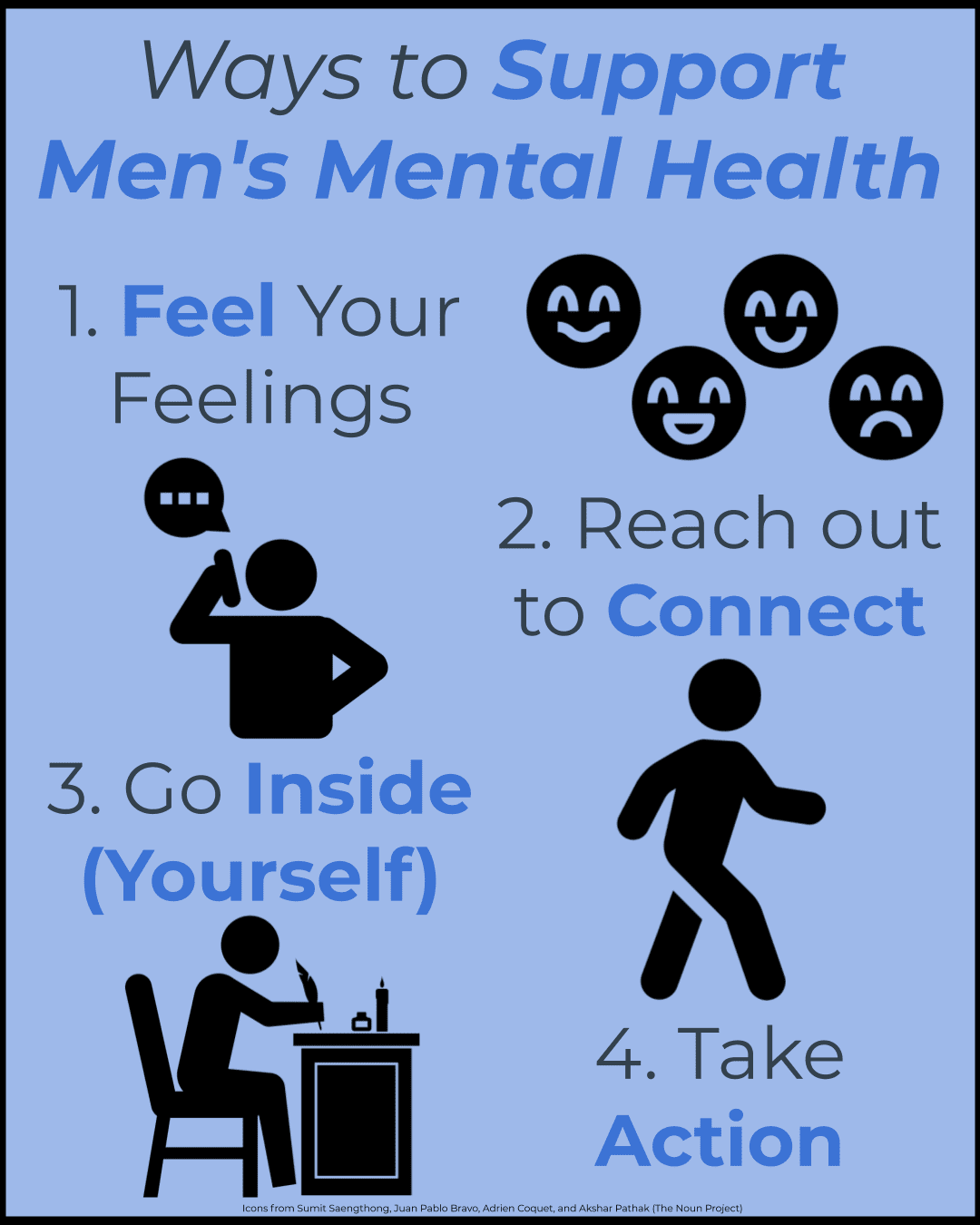
Are you a man who is looking for support and guidance on how to improve your mental health? Look no further! This beginner’s guide will provide you with valuable information and resources to help you navigate the journey towards better mental well-being. From understanding common mental health issues among men to exploring different types of support available, this guide is packed with practical tips and advice tailored specifically for you. So, let’s embark on this journey together and take the first step towards a healthier mind.
Importance of Men’s Mental Health Support
Men’s mental health support is a topic that is gaining increasing recognition and importance in society today. It is crucial to recognize the need for support, break the stigma of seeking help, and understand the impact of mental health on men.
Recognizing the need for support
Recognizing the need for support is the first step towards prioritizing men’s mental health. It is essential to be aware of the signs and symptoms of mental health challenges and understand that seeking help is not a sign of weakness but a sign of strength. Some common signs of mental health issues in men include persistent sadness, irritability, changes in sleep patterns, increased anger or aggression, and a loss of interest in activities once enjoyed.
Breaking the stigma of seeking help
One of the biggest obstacles men face concerning their mental health is the stigma surrounding seeking help. Society often promotes the notion that men should be stoic, strong, and never show vulnerability. However, it is important to break this stigma and create an environment where seeking help for mental health challenges is seen as a courageous act. By encouraging open conversations about mental health, we can help men feel more comfortable reaching out for support.
Understanding the impact of mental health on men
Mental health challenges can have a significant impact on men’s overall well-being and daily lives. Untreated or undiagnosed mental health issues can lead to difficulties in personal relationships, work performance, and overall quality of life. By understanding the impact of mental health on men, we can emphasize the importance of seeking support and taking proactive steps towards improving mental well-being.
Finding the Right Support System
Finding the right support system is crucial for men’s mental health. This involves identifying supportive friends and family, exploring professional options, and researching online communities and resources.
Identifying supportive friends and family
Having a supportive network of friends and family members can make a world of difference in managing mental health challenges. It is important to identify individuals who are understanding, non-judgmental, and willing to provide emotional support. Opening up to trusted friends and family members not only helps alleviate the burden but also strengthens relationships and fosters a sense of belonging.
Exploring professional options
Professional help from therapists and counselors can provide valuable guidance and support for men’s mental health. When seeking professional help, it is important to consider factors such as the therapist’s qualifications, approach, and experience. Taking the time to research and interview potential therapists can help ensure a good fit and a productive therapeutic relationship.
Researching online communities and resources
In today’s digital age, the internet can be a valuable resource for men seeking mental health support. Online communities and resources provide a platform to connect with individuals going through similar experiences, share stories, and gain insights into different coping strategies. However, it is essential to approach online resources with caution and verify the credibility of the information and support provided.
Types of Mental Health Support
Various forms of mental health support are available for men. These include therapy and counseling, support groups, and self-help books and resources.
Therapy and counseling
Therapy and counseling provide individuals with a safe and confidential space to explore their thoughts, emotions, and experiences. Different therapeutic approaches, such as cognitive-behavioral therapy (CBT) or psychodynamic therapy, offer specific tools and techniques to address different mental health challenges. Through regular sessions with a therapist, men can gain insights, develop coping strategies, and work towards improved mental well-being.
Support groups
Support groups offer a space for individuals facing similar mental health challenges to come together and share their experiences, challenges, and triumphs. These groups can provide a sense of community, reduce feelings of isolation, and offer practical advice and support. Support groups can be specific to certain mental health conditions or more general, focusing on men’s mental health in general.
Self-help books and resources
Self-help books and resources can be a valuable tool in men’s mental health support. These resources provide knowledge, strategies, and techniques for managing mental health challenges independently. From books focusing on anxiety or depression to mindfulness apps and online courses, there are a wide variety of self-help resources available to suit different interests and preferences.
Choosing a Therapist or Counselor
Choosing the right therapist or counselor is essential for a successful therapeutic journey. This involves understanding different therapy approaches, considering personal preferences, and evaluating qualifications and experience.
Understanding different therapy approaches
There are numerous therapy approaches available, each with its own focus and techniques. Some common approaches include cognitive-behavioral therapy (CBT), psychodynamic therapy, and mindfulness-based therapy. It is important to familiarize yourself with different approaches to find one that aligns with your needs and goals.
Considering personal preferences
Every person has unique needs and preferences when it comes to therapy. For example, some individuals may prefer a therapist of the same gender or someone who specializes in a particular area. It is important to consider personal preferences and ensure a good fit with the therapist in terms of communication style, cultural understanding, and therapeutic goals.
Evaluating qualifications and experience
When choosing a therapist or counselor, it is crucial to evaluate their qualifications, experience, and licensing. Look for therapists who have specific experience working with men’s mental health or the specific mental health challenges you are facing. Asking for recommendations, reading online reviews, and scheduling initial consultations can help in making an informed decision.
Joining Support Groups
Joining support groups can be a beneficial addition to one’s mental health support system. This involves finding local support groups, exploring online support communities, and evaluating group dynamics.
Finding local support groups
Local support groups offer the opportunity to connect with individuals in your community who may be facing similar mental health challenges. These groups often meet regularly, providing a platform for sharing experiences, gaining insights, and receiving support from others who can relate. Resources such as community centers, mental health organizations, or online directories can help in finding local support groups.
Exploring online support communities
Online support communities provide the flexibility to connect with individuals from different geographical locations and backgrounds. These communities can be beneficial for men who may feel more comfortable seeking support virtually. Social media platforms, dedicated online forums, and mental health websites often host online support communities where individuals can connect, share, and receive support.
Evaluating group dynamics
When joining a support group, it is important to evaluate the group dynamics and ensure it is a safe and supportive environment. Factors to consider include the group’s size, facilitator’s expertise, and the level of respect and empathy demonstrated among members. If a particular group does not feel like the right fit, don’t hesitate to explore other options until you find the right support system for you.
Self-Help Strategies for Men’s Mental Health
In addition to seeking professional help and joining support groups, there are also self-help strategies that men can incorporate into their daily lives to support their mental health.
Engaging in regular physical activity
Regular physical activity has been proven to have a positive impact on mental well-being. Engaging in activities such as walking, jogging, swimming, or playing sports releases endorphins, which can boost mood and reduce symptoms of stress and anxiety. Aim for at least 30 minutes of moderate exercise most days of the week to reap the mental health benefits.
Practicing self-care and stress management
Self-care is essential for maintaining good mental health. This involves prioritizing activities that bring joy and relaxation, such as hobbies, reading, spending time with loved ones, or taking a hot bath. Additionally, learning and practicing stress management techniques like deep breathing exercises, meditation, or mindfulness can help reduce symptoms of anxiety and promote overall well-being.
Developing healthy coping mechanisms
Developing healthy coping mechanisms is key to managing mental health challenges effectively. This could include strategies such as journaling, creative outlets like painting or playing music, or engaging in relaxation techniques. Find what works best for you and incorporate these coping mechanisms into your daily routine to build resilience and improve mental well-being.
Coping with Specific Mental Health Challenges
Men may face specific mental health challenges such as anxiety, depression, and anger/aggression. Understanding how to cope with these challenges is essential to maintaining good mental health.
Dealing with anxiety
Anxiety can be overwhelming and interfere with daily life. To cope with anxiety, it can be helpful to practice deep breathing exercises, challenge negative thoughts, engage in relaxation techniques, and address the underlying causes through therapy. Developing a routine, incorporating regular exercise, and seeking support from loved ones can also be beneficial for managing anxiety.
Managing depression
Depression can make it difficult to find motivation or enjoy life. In managing depression, it is important to seek professional help through therapy or medication if necessary. Engaging in activities that bring joy, setting small achievable goals, having a support system, and practicing self-care can also contribute to managing depression.
Addressing anger and aggression
Anger and aggression can be challenging to navigate, but it is essential to find healthy ways to address and manage these emotions. Seeking therapy can provide tools and techniques to understand and control anger. Engaging in physical activities like boxing or martial arts, practicing relaxation techniques, and learning effective communication skills can also be helpful in addressing anger and aggression.
Recognizing Signs of Mental Health Crisis
It is crucial to be able to recognize signs of a mental health crisis in oneself or others. This involves understanding warning signs, knowing when to seek immediate help, and creating a crisis plan.
Understanding warning signs
Warning signs of a mental health crisis can vary but may include severe mood swings, changes in behavior or personality, talking about harming oneself or others, withdrawal from social activities, or sudden changes in sleep or eating patterns. Recognizing these signs and taking them seriously can be vital in preventing further escalation.
Knowing when to seek immediate help
In certain situations, it is important to seek immediate help during a mental health crisis. This includes when an individual or someone else is in immediate danger, has made threats of self-harm or harm to others, or is experiencing severe distress. In these cases, reaching out to emergency services or a mental health crisis hotline is essential.
Creating a crisis plan
Having a crisis plan in place can provide a sense of security and preparedness. This plan may involve identifying emergency contacts, knowing which helplines to call, and having a list of coping strategies or calming techniques that have worked in the past. Sharing this plan with trusted friends, family members, or therapists can ensure a support network is aware of how to help during a crisis.
Supporting Men’s Mental Health as a Friend or Family Member
Friends and family members play a crucial role in supporting men’s mental health. This involves educating oneself about mental health, creating a safe and non-judgmental environment, and encouraging seeking professional help.
Educating oneself about mental health
Educating oneself about mental health can help break down stereotypes and stigmas surrounding mental health challenges in men. By learning about different conditions, symptoms, and available resources, friends and family members can better support their loved ones and offer informed guidance if necessary.
Creating a safe and non-judgmental environment
Creating a safe and non-judgmental environment is essential in fostering open conversations about mental health. This involves actively listening, validating emotions, and refraining from judgment or criticism. Encouraging open dialogue and expressing genuine care and concern can help men feel more comfortable discussing their mental health challenges.
Encouraging seeking professional help
Encouraging men to seek professional help is crucial in supporting their mental health. As friends and family members, it is important to let them know that seeking therapy or counseling is a positive step towards better mental well-being. Offering assistance in finding resources, accompanying them to appointments, or providing emotional support along the way can make a significant difference.
Taking the First Step Towards Help
Taking the first step towards seeking help is often the most challenging but crucial step. This involves acknowledging the need for support, overcoming barriers, and making the initial appointment.
Acknowledging the need for support
Acknowledging the need for support is a powerful and courageous act. It is important to recognize that everyone experiences mental health challenges at some point and that seeking help is a sign of strength and self-care. By acknowledging the need for support, men can take proactive steps towards improving their mental well-being.
Overcoming barriers to seeking help
Many barriers may prevent men from seeking help, including stigma, fear of judgment, concerns about masculinity, or lack of awareness of available resources. Overcoming these barriers requires self-reflection, challenging societal norms, and seeking out supportive environments. It may also involve reaching out to trusted individuals who can provide guidance and support.
Making the initial appointment
Making the initial appointment with a therapist or counselor can be a pivotal moment on the path to mental well-being. It is important to research and locate a professional who aligns with individual needs, preferences, and goals. Taking the step to schedule that first appointment demonstrates a commitment to one’s mental health and sets the stage for a journey towards healing and growth.
In conclusion, men’s mental health support is of utmost importance in today’s society. By recognizing the need for support, breaking the stigma, and understanding the impact of mental health on men, individuals can prioritize their mental well-being. Finding the right support system, whether through supportive friends and family, professional options, or online communities and resources, is essential. Types of mental health support, such as therapy, support groups, and self-help resources, offer valuable tools for managing mental health challenges. By choosing a therapist or counselor, joining support groups, and implementing self-help strategies, men can take proactive steps towards improved mental well-being. Recognizing signs of a mental health crisis and knowing how to support men’s mental health as a friend or family member are equally important. Finally, taking the first step towards help involves acknowledging the need for support, overcoming barriers, and making that initial appointment. Through this comprehensive guide, men can navigate the journey of mental well-being and find the necessary support to live healthy, fulfilling lives.