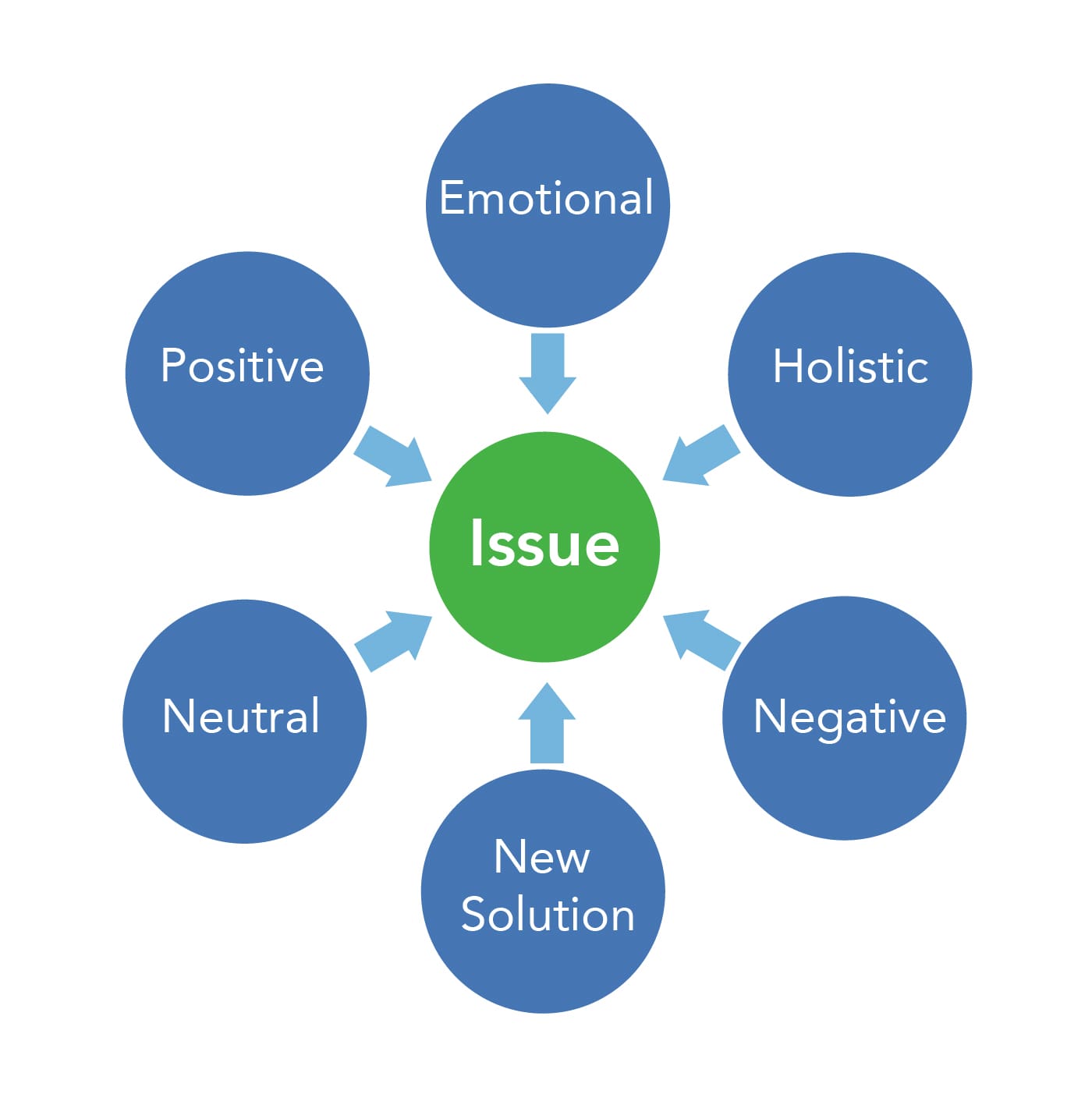
Are you feeling stuck in a creative rut? Looking for new ways to spark innovation in your work or personal life? In this article, we will explore holistic approaches to enhancing creativity and innovation. By taking a more comprehensive and interconnected view of these processes, you can unlock your creative potential and discover new, innovative solutions. From exploring the power of mindfulness and meditation to fostering a supportive and collaborative environment, we will delve into various strategies that can help you tap into your creative side and embrace innovation in all areas of your life. So, get ready to unleash your imagination and embark on a journey of discovery and growth!
Holistic Approaches to Enhancing Creativity and Innovation
Creativity and innovation are essential for success in today’s rapidly changing world. To foster a culture of creativity within an organization, it is important to adopt a holistic approach that encompasses various aspects of an individual’s life and work environment. By incorporating mindfulness techniques, designing an inspiring workspace, encouraging divergent thinking, allowing for unstructured time, promoting cross-disciplinary collaboration, fostering continuous learning, embracing risk-taking and failure, removing barriers to creativity, embracing diversity, and nurturing emotional intelligence, organizations can create an environment that nurtures and enhances creativity and innovation.
1. Mindfulness Techniques
Mindfulness is a practice that involves paying attention to the present moment and cultivating a heightened sense of awareness. By incorporating mindfulness techniques into your daily routine, you can enhance your creativity and innovation.
1.1 Meditation
Meditation is a powerful tool that can help calm your mind, reduce stress, and improve focus. By setting aside a few minutes every day for meditation, you can clear your mind of clutter and gain mental clarity, which can ultimately enhance your creativity and innovation.
1.2 Deep Breathing Exercises
Deep breathing exercises are another effective mindfulness technique that can help you relax and reduce stress. By focusing on your breath and taking deep, slow breaths, you can calm your mind and improve your ability to think creatively and generate innovative ideas.
1.3 Yoga and Tai Chi
Yoga and tai chi are ancient practices that combine physical movement with mindfulness. These practices can help improve your physical and mental well-being, reduce stress, and increase your ability to think creatively. By incorporating yoga or tai chi into your daily routine, you can enhance your creativity and innovation.
1.4 Visualization
Visualization is a technique that involves creating vivid mental images of desired outcomes. By visualizing success and imagining innovative solutions to problems, you can stimulate your imagination and enhance your creativity. Incorporating visualization exercises into your daily routine can help you think outside the box and generate innovative ideas.
2. Environment Design
Creating an environment that inspires and stimulates creativity is crucial for enhancing innovation. By designing a workspace that promotes creativity, you can create an environment that fosters new ideas and innovative thinking.
2.1 Creating a Stimulating Workspace
A stimulating workspace is one that is visually appealing, clutter-free, and designed to inspire creativity. Incorporate elements such as natural light, plants, and artwork to create a visually appealing and inspiring environment. Ensure that your workspace is organized and free from distractions, allowing you to focus and think creatively.
2.2 Incorporating Nature Elements
Bringing nature elements into your workspace can have a positive impact on your creativity and innovation. Consider incorporating plants, natural materials, or even a nature-inspired color scheme to create a calming and inspiring environment. Exposure to nature has been shown to boost creativity and improve problem-solving abilities.
2.3 Using Colors and Lighting Strategically
Colors and lighting can significantly impact your mood and creativity. Choose colors that promote a sense of calmness and inspiration, such as blues and greens. Use adjustable lighting to create the right ambiance for different tasks and activities. By strategically using colors and lighting, you can create an environment that enhances your creativity and innovation.

3. Divergent Thinking
Divergent thinking is a cognitive process that involves generating multiple unique ideas and solutions to a problem. By encouraging divergent thinking within your organization, you can foster a culture of innovation and creativity.
3.1 Encouraging Brainstorming Sessions
Brainstorming sessions are an excellent way to stimulate divergent thinking and generate innovative ideas. Create a safe and supportive environment where everyone feels comfortable sharing their ideas. Encourage participants to think freely, without any judgment or criticism. By embracing brainstorming sessions, you can tap into the collective creativity of your team and uncover new and innovative solutions.
3.2 Promoting Open-mindedness
Open-mindedness is essential for embracing diverse perspectives and generating new ideas. Encourage your team members to approach problems with an open mind, valuing different viewpoints and perspectives. Create a culture where diverse opinions are valued and respected. By promoting open-mindedness, you can foster a creative and innovative environment.
3.3 Embracing Different Perspectives
Different perspectives bring fresh ideas and new insights to the table. Encourage your team members to embrace diversity and actively seek out different perspectives when approaching a problem. By integrating different viewpoints, you can enhance the creativity and innovation within your organization.
4. Unstructured Time
Allowing for unstructured time is essential for fostering creativity and innovation. Providing opportunities for leisure, play, and downtime can help recharge your creative energy and encourage innovative thinking.
4.1 Allowing for Leisure and Play
Engaging in leisure activities and play can help stimulate your imagination and promote creative thinking. Set aside time in your schedule for activities that you enjoy and allow your mind to wander freely. Engaging in leisure and play can help you approach problems from different angles and generate innovative solutions.
4.2 Providing Freedom for Exploration
Giving yourself the freedom to explore new ideas and interests is crucial for nurturing creativity and innovation. Set aside time for self-directed exploration and encourage your team members to explore new interests that are outside of their immediate work responsibilities. By providing freedom for exploration, you can ignite creativity and uncover new opportunities for innovation.
4.3 Encouraging Breaks and Downtime
Taking regular breaks and allowing for downtime is essential for maintaining productivity and creativity. Encourage yourself and your team members to take short breaks throughout the day to recharge and refresh. Schedule regular periods of downtime where you can disengage from work-related tasks and allow your mind to rest. By prioritizing breaks and downtime, you can enhance your creativity and innovation.

5. Cross-Disciplinary Collaboration
Collaboration across different disciplines is vital for generating fresh ideas and fostering innovation. By bringing together individuals with diverse backgrounds and expertise, you can tap into a wealth of knowledge and creativity.
5.1 Creating Diverse Teams
Creating teams that consist of individuals from diverse backgrounds and areas of expertise can promote creativity and innovation. Each team member brings their unique experiences and perspectives, which can drive creativity and push boundaries. By intentionally creating diverse teams, you can foster cross-disciplinary collaboration and promote innovative thinking.
5.2 Fostering Knowledge Sharing
Encourage knowledge sharing across different departments and teams within your organization. Provide opportunities for individuals to share their expertise, insights, and innovative ideas with others. By fostering knowledge sharing, you can leverage the collective intelligence of your organization and drive innovation.
5.3 Encouraging Interactions Across Departments
Break down silos within your organization by encouraging interactions and collaboration across different departments. Create opportunities for individuals from different departments to work together on projects or participate in cross-functional teams. By encouraging interactions across departments, you can promote creative problem-solving and innovation.
6. Continuous Learning
Continuous learning is essential for staying ahead in a rapidly evolving world. By providing opportunities for training and development, access to resources, and promoting self-directed learning, you can enhance creativity and innovation within your organization.
6.1 Offering Training and Development Programs
Invest in training and development programs that promote creativity and innovation. Provide opportunities for employees to enhance their skills and knowledge in areas that are relevant to their work and interests. By offering training and development programs, you can empower your employees to think creatively and drive innovation.
6.2 Providing Access to Resources
Ensure that your employees have access to the resources they need to foster their creativity and innovation. This can include access to books, online courses, industry research, and other relevant materials. By providing access to resources, you can support continuous learning and drive innovation.
6.3 Encouraging Self-directed Learning
Empower your employees to take ownership of their learning and development. Encourage self-directed learning by providing autonomy and support. Encourage individuals to explore new topics, experiment with new ideas, and seek out opportunities for growth. By encouraging self-directed learning, you can foster a culture of innovation and drive creativity.
7. Risk-Taking and Failure
Taking risks and embracing failure are essential components of the creative process. By cultivating a culture of experimentation, celebrating failures as learning opportunities, and encouraging calculated risks, you can foster innovation and creativity within your organization.
7.1 Cultivating a Culture of Experimentation
Encourage your team members to take risks and experiment with new ideas and approaches. Create a safe environment where failure is seen as a stepping stone to success rather than a sign of incompetence. By cultivating a culture of experimentation, you can encourage creative problem-solving and innovation.
7.2 Celebrating Failures as Learning Opportunities
Shift the perspective on failure within your organization by celebrating failures as opportunities for growth and learning. Encourage team members to share their failures and the lessons they’ve learned from them. By celebrating failures and reframing them as learning experiences, you can foster a culture of innovation and creativity.
7.3 Encouraging Calculated Risks
Encourage your team members to take calculated risks in their work. Help them assess the potential risks and rewards of different ideas and approaches. By encouraging calculated risks, you can empower your team members to think creatively and push the boundaries of what is possible.
8. Removing Barriers to Creativity
Hierarchical structures and judgmental environments can stifle creativity and innovation. By breaking down hierarchical structures, encouraging autonomy and ownership, and creating a safe and non-judgmental environment, you can remove barriers to creativity and foster innovation.
8.1 Breaking Down Hierarchical Structures
Hierarchical structures can hinder creativity by creating barriers between team members and limiting the flow of ideas. Create a more egalitarian work environment by breaking down hierarchical structures and fostering collaboration at all levels. Encourage open communication and empower individuals to contribute their ideas and insights, regardless of their position within the organization.
8.2 Encouraging Autonomy and Ownership
Give your team members the autonomy and ownership to make decisions and take ownership of their work. Encourage them to take initiative and pursue innovative ideas. By providing autonomy and ownership, you can empower individuals to think creatively and take risks in their work.
8.3 Creating a Safe and Non-judgmental Environment
Create a safe and non-judgmental environment where all ideas are welcomed and considered. Encourage open and respectful communication, and ensure that constructive feedback is provided in a supportive manner. By creating a safe and non-judgmental environment, you can foster a culture of creativity and innovation.
9. Embracing Diversity
Diversity is a key driver of creativity and innovation. By valuing different perspectives and experiences, promoting inclusivity and diversity in hiring practices, and emphasizing the importance of diverse voices, you can enhance creativity and innovation within your organization.
9.1 Valuing Different Perspectives and Experiences
Value the different perspectives and experiences that each individual brings to the table. Encourage your team members to share their unique insights and viewpoints. By valuing different perspectives and experiences, you can foster a creative and innovative environment where diverse ideas can thrive.
9.2 Promoting Inclusivity and Diversity in Hiring Practices
Promote inclusivity and diversity in your hiring practices. Ensure that job descriptions are inclusive and attract a diverse pool of candidates. Foster a culture that values diversity and actively seeks out individuals from underrepresented groups. By promoting inclusivity and diversity in hiring practices, you can bring in fresh perspectives and enhance creativity and innovation.
9.3 Emphasizing the Importance of Diverse Voices
Emphasize the importance of diverse voices within your organization. Encourage team members to actively seek out and listen to different perspectives. Ensure that diverse voices are included in decision-making processes and that everyone has an equal opportunity to contribute their ideas. By emphasizing the importance of diverse voices, you can foster a culture of innovation and creativity.
10. Emotional Intelligence
Emotional intelligence plays a crucial role in fostering creativity and innovation. By developing self-awareness and empathy, encouraging effective communication, and nurturing a supportive and respectful culture, you can enhance creativity and innovation within your organization.
10.1 Developing Self-Awareness and Empathy
Developing self-awareness and empathy is key to understanding your own emotions and the emotions of others. By developing self-awareness, you can better understand how your emotions affect your creative thinking and problem-solving abilities. Empathy allows you to understand and connect with the perspectives and experiences of others, fostering a culture of respect and collaboration.
10.2 Encouraging Effective Communication
Effective communication is essential for fostering creativity and innovation. Encourage open and honest communication within your organization, ensuring that everyone has the opportunity to express their ideas and concerns. Promote active listening and provide constructive feedback to support effective communication. By encouraging effective communication, you can enhance collaboration and inspire creative thinking.
10.3 Nurturing a Supportive and Respectful Culture
Create a culture that is supportive and respectful of all individuals within your organization. Nurture an environment where everyone feels valued and heard. Encourage teamwork and collaboration, and create opportunities for individuals to support and uplift one another. By nurturing a supportive and respectful culture, you can enhance creativity and innovation.
In conclusion, enhancing creativity and innovation requires a holistic approach that considers various aspects of an individual’s life and work environment. By incorporating mindfulness techniques, designing an inspiring workspace, encouraging divergent thinking, allowing for unstructured time, promoting cross-disciplinary collaboration, fostering continuous learning, embracing risk-taking and failure, removing barriers to creativity, embracing diversity, and nurturing emotional intelligence, organizations can create an environment that nurtures and enhances creativity and innovation. By adopting these holistic approaches, organizations can unlock the full creative potential of their employees and drive innovation in today’s ever-changing world.