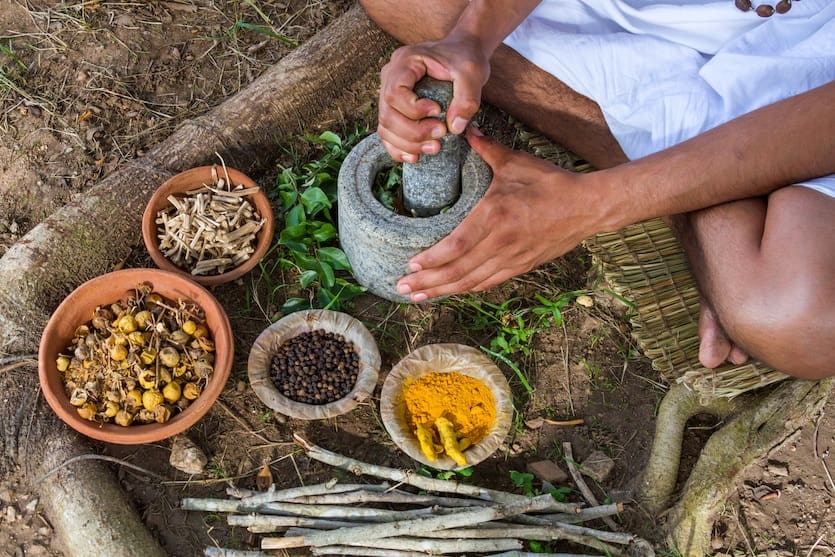
Ayurvedic medicine is an ancient holistic healing system that originated in India thousands of years ago. This approach to wellness focuses on creating balance and harmony within the body, mind, and spirit to achieve optimal health. In this article, you will gain a deeper understanding of the fundamental principles and practices of Ayurvedic medicine. From the concept of doshas to the importance of diet and lifestyle, you will uncover the essence of this ancient tradition and how it can positively impact your well-being. Get ready to embark on a journey of self-discovery and learn how to align your life with the wisdom of Ayurveda.
What is Ayurvedic Medicine?
Ayurvedic medicine, also known as Ayurveda, is a holistic and ancient healing system that originated in India thousands of years ago. Ayurveda is based on the belief that good health is achieved when there is a balance between the mind, body, and spirit. It focuses on the concept of promoting wellness by treating the root cause of a disease rather than just the symptoms. Ayurveda encompasses a wide range of practices, including herbal medicine, dietary guidelines, yoga, meditation, and various therapies, to restore and maintain balance in the body.
Origin and History
Ayurveda has its origins in the ancient Indian texts called the Vedas, specifically the Atharva Veda. The principles and practices of Ayurvedic medicine were codified by ancient sages and scholars, with the most well-known being Charaka and Sushruta. These texts, known as Charaka Samhita and Sushruta Samhita, respectively, serve as the foundational texts of Ayurveda. Ayurvedic medicine has been passed down through generations and has evolved over time, integrating knowledge from various civilizations and cultures that have come into contact with India.
Principles and Philosophy
The principles and philosophy of Ayurvedic medicine are rooted in the belief that every individual is unique and comprised of a combination of the five elements: ether, air, fire, water, and earth. These elements combine to form three primary energies or doshas – Vata, Pitta, and Kapha. According to Ayurveda, illness arises when there is an imbalance in these doshas. The goal of Ayurvedic medicine is to restore harmony and balance to the doshas, thereby promoting good health and preventing disease.
The Three Doshas
Vata
Vata is composed of the elements air and ether. It governs bodily functions related to movement, such as circulation, breathing, and nerve impulses. Individuals with a predominant Vata dosha tend to have a slender frame, dry skin, and are generally active and creative. When Vata is imbalanced, it can lead to issues such as anxiety, insomnia, and constipation. Balancing Vata often involves nourishing and grounding practices, such as warm oil massages, a regular routine, and a warm, soothing diet.
Pitta
Pitta is primarily made up of the fire and water elements. It governs digestion, metabolism, and transformation in the body. People with a dominant Pitta dosha are often of medium build, have a warm body temperature, and display qualities of determination and focus. An imbalance in Pitta can result in conditions such as heartburn, inflammation, and irritability. Balancing Pitta involves keeping cool, both internally and externally, through practices like meditation, avoiding spicy foods, and engaging in calming activities.
Kapha
Kapha is composed of the elements water and earth, and it governs structure and stability in the body. Those with a predominant Kapha dosha usually have a heavier build, oily skin, and a calm and nurturing disposition. When Kapha is out of balance, it can manifest as weight gain, lethargy, and congestion. Balancing Kapha requires stimulating and invigorating practices, such as regular exercise, a light and warm diet, and incorporating spices with heating properties into meals.

Concept of Balance in Ayurveda
Importance of Balance
In Ayurveda, balance is considered crucial for overall well-being and good health. When the body is in a state of equilibrium, it is better equipped to resist diseases and maintain optimal functioning. Achieving balance involves understanding one’s unique constitution, or Prakriti, and making conscious choices to support and restore harmony in the body, mind, and spirit. This includes adopting appropriate dietary and lifestyle practices, engaging in regular exercise, managing stress, and following daily and seasonal routines.
Effects of Imbalance
Imbalance in the doshas can lead to various physical, mental, and emotional ailments. For example, an excess of Vata can result in dry skin, anxiety, and digestive issues, while an excess of Pitta may cause heartburn, inflammation, and anger. Imbalances in Kapha can contribute to weight gain, sluggishness, and respiratory congestion. Recognizing and addressing these imbalances through Ayurvedic practices can help alleviate symptoms, restore balance, and promote overall well-being.
Ayurvedic Diagnosis
Pulse Reading (Nadi Pariksha)
One of the unique diagnostic techniques used in Ayurveda is pulse reading, known as Nadi Pariksha. Ayurvedic practitioners can assess the state of the doshas and overall health by examining the quality of the pulse. They look for specific qualities such as rhythm, speed, and strength, which provide valuable insights into the imbalances within the body. Through pulse reading, an Ayurvedic practitioner can identify the doshas that are out of balance and tailor a treatment plan accordingly.
Tongue Examination (Jihva Pariksha)
Another diagnostic tool in Ayurveda is tongue examination, known as Jihva Pariksha. The tongue is believed to reflect the overall health of the body and can provide valuable information about the doshic imbalances present. An Ayurvedic practitioner will examine the color, coating, and texture of the tongue, as well as any markings or changes. This examination helps in identifying the underlying causes of an imbalance and guides the treatment plan.
Observation (Darshan)
Apart from pulse reading and tongue examination, observation plays a significant role in Ayurvedic diagnosis. An Ayurvedic practitioner will observe the physical appearance of an individual, including their skin, hair, eyes, and nails. They also consider the individual’s body type, posture, and general behavior. These visual cues provide important clues about the state of the doshas and help in determining the most appropriate treatment approach.

Ayurvedic Treatment Approaches
Herbal Medicine (Dravyaguna)
Herbal medicine, known as Dravyaguna in Ayurveda, is an integral part of its treatment approach. Ayurvedic practitioners use a wide variety of herbs and plants to create customized formulations that address specific health concerns and imbalances. These herbal remedies are believed to work in harmony with the body, promoting healing and balance. Ayurvedic herbal medicine can be taken orally, applied topically, or administered through other means such as nasal drops or enemas.
Dietary Guidelines (Ahara)
Diet plays a vital role in Ayurvedic treatment, and dietary guidelines, known as Ahara, form an important component of Ayurvedic therapies. According to Ayurveda, different foods have different qualities and effects on the doshas. By understanding an individual’s constitution and the imbalances present, an Ayurvedic practitioner can recommend a personalized diet that helps restore balance and promotes overall well-being. This may involve including foods that pacify or reduce certain doshas while avoiding foods that aggravate them.
Panchakarma Therapies
Panchakarma is a set of purification and detoxification therapies that play a significant role in Ayurvedic treatment. These therapies aim to remove toxins from the body, balance the doshas, and rejuvenate the system. Panchakarma treatments often include procedures such as oil massages, steam therapy, therapeutic vomiting, medicated enemas, and nasal cleansing. These therapies, performed under the guidance of a trained Ayurvedic practitioner, help in eliminating toxins, improving digestion, and revitalizing the body and mind.
Role of Lifestyle in Ayurveda
Daily Routine (Dinacharya)
Lifestyle practices and routines are emphasized in Ayurveda as they play a vital role in maintaining balance and promoting overall well-being. Following a regular daily routine, known as Dinacharya, helps ensure that the body and mind are in harmony with the natural rhythms of the day. This includes practices such as waking up early, tongue scraping, oil pulling, exercise or yoga, meditation, and going to bed at a consistent time. These simple yet powerful habits contribute to overall health and vitality.
Seasonal Practices
Ayurveda recognizes the importance of adapting to the changing seasons. Seasonal practices, known as Ritucharya, help individuals maintain balance and harmony throughout the year. As each season has its own qualities and impact on the doshas, adjusting one’s diet, lifestyle, and self-care practices can help prevent imbalances and support optimal well-being. For example, in the winter season when Vata is dominant, warming foods, oil massage, and nurturing practices are recommended.
Yoga and Meditation
Yoga and meditation are integral components of Ayurveda and are considered powerful tools for promoting physical, mental, and spiritual well-being. Yoga, with its various postures (asanas), breath control (pranayama), and meditation techniques, helps balance the doshas, strengthen the body, improve flexibility, and calm the mind. Regular practice of yoga and meditation can enhance overall health, reduce stress, and promote a sense of inner peace and harmony.

Ayurvedic Herbs and Spices
Popular Ayurvedic Herbs and their Benefits
Ayurveda harnesses the power of various herbs and plants to promote healing, balance, and vitality. Some popular Ayurvedic herbs and their benefits include:
- Ashwagandha: Known for its adaptogenic properties, it helps reduce stress, improve energy levels, and support cognition.
- Triphala: A combination of three fruits, it aids digestion, detoxifies the body, and supports healthy bowel movements.
- Turmeric: A powerful anti-inflammatory herb, it supports joint health, boosts immunity, and promotes healthy skin.
- Brahmi: Enhances cognitive functions, improves memory, and is known as a rejuvenating herb for the nervous system.
Common Ayurvedic Spices and their Uses
Ayurveda also taps into the benefits of various spices to enhance both flavor and health. Some common Ayurvedic spices and their uses include:
- Cumin: Supports digestion, enhances metabolism, and aids in the absorption of nutrients.
- Cardamom: Helps balance the doshas, improves digestion, and freshens breath.
- Ginger: Considered a universal medicine, it aids digestion, reduces inflammation, and promotes respiratory health.
- Cinnamon: Supports healthy blood sugar levels, aids digestion, and has warming properties.
Ayurvedic Massage and Bodywork
Abhyanga
Abhyanga is a form of Ayurvedic massage using warm herbal oils. It involves the application of oil to the entire body in a rhythmic and soothing manner. Abhyanga not only nourishes and moisturizes the skin but also helps improve circulation, release toxins, and deeply relax the body and mind. This rejuvenating massage is often accompanied by the use of specific herbs or oils chosen based on an individual’s dosha and imbalances.
Marma Therapy
Marma points are vital energy points located throughout the body. Marma therapy is a technique in Ayurveda that involves gentle pressure or massage on these points to stimulate the flow of prana (life energy) and promote healing. By accessing and balancing these energy points, Marma therapy can help relieve pain, reduce stress, and enhance overall well-being. Marma therapists are trained to identify these points and apply the appropriate techniques for optimal results.
Shirodhara
Shirodhara is a deeply relaxing therapy wherein a continuous stream of warm oil is poured on the forehead, specifically targeting the third eye area. This therapy aims to calm the mind, promote mental clarity, and balance the doshas. Shirodhara is often recommended for individuals experiencing stress, anxiety, insomnia, or an overactive mind. The rhythmic flow of oil on the forehead induces a state of relaxation and helps harmonize the mind and body.
Ayurveda for Common Ailments
Digestive Issues
Ayurveda offers effective remedies for common digestive issues such as indigestion, bloating, and constipation. By identifying the underlying imbalances, an Ayurvedic practitioner can recommend dietary modifications, herbal remedies, and lifestyle practices that support healthy digestion. This may include incorporating digestive spices into meals, following a regular eating schedule, and practicing mindful eating habits.
Stress and Anxiety
Ayurveda recognizes the impact of stress and anxiety on overall health and offers holistic approaches to manage these conditions. Yoga, meditation, soothing herbal remedies, and lifestyle modifications are recommended to reduce stress levels, promote relaxation, and restore balance. Ayurvedic practitioners may also suggest incorporating stress-reducing practices such as breathing exercises and self-care routines into one’s daily life.
Skin Problems
Ayurvedic medicine provides comprehensive solutions for various skin problems, including acne, eczema, and psoriasis. By addressing the underlying doshic imbalances, Ayurvedic practitioners can recommend herbal formulations, dietary guidelines, and natural skincare practices that promote healthy and radiant skin. Ayurvedic facial therapies and specific herbal remedies can also be tailored to the individual’s skin type and condition.
Understanding Ayurvedic Practitioners
Qualifications and Training
Ayurvedic practitioners, also known as Ayurvedic doctors or Vaidyas, undergo extensive training in the principles and practices of Ayurvedic medicine. In India, this training typically requires a five-year bachelor’s degree in Ayurvedic medicine and surgery (BAMS). Ayurvedic practitioners are educated in the foundational texts of Ayurveda, diagnosis methods, treatment approaches, and herbology. Additionally, they may specialize in specific areas such as Panchakarma, women’s health, or pulse diagnosis.
Choosing an Ayurvedic Practitioner
When choosing an Ayurvedic practitioner, it is essential to consider their qualifications, experience, and reputation. Seek out practitioners who have completed formal education and training in Ayurveda from recognized institutions. It may also be beneficial to read reviews, speak to previous clients, and ask for recommendations from trusted sources. It is important to establish a good rapport with the practitioner, as Ayurvedic treatment often involves an ongoing therapeutic relationship based on trust and open communication.
In conclusion, Ayurvedic medicine is a comprehensive and ancient healing system that focuses on achieving balance and harmony within the mind, body, and spirit. With its holistic approach and emphasis on personalized treatments, Ayurveda offers a wealth of knowledge and practices to promote overall well-being. Through understanding the three doshas, the importance of balance, and various treatment approaches such as herbal medicine, dietary guidelines, and lifestyle practices, one can embark on a journey to enhance their health and vitality with Ayurveda.