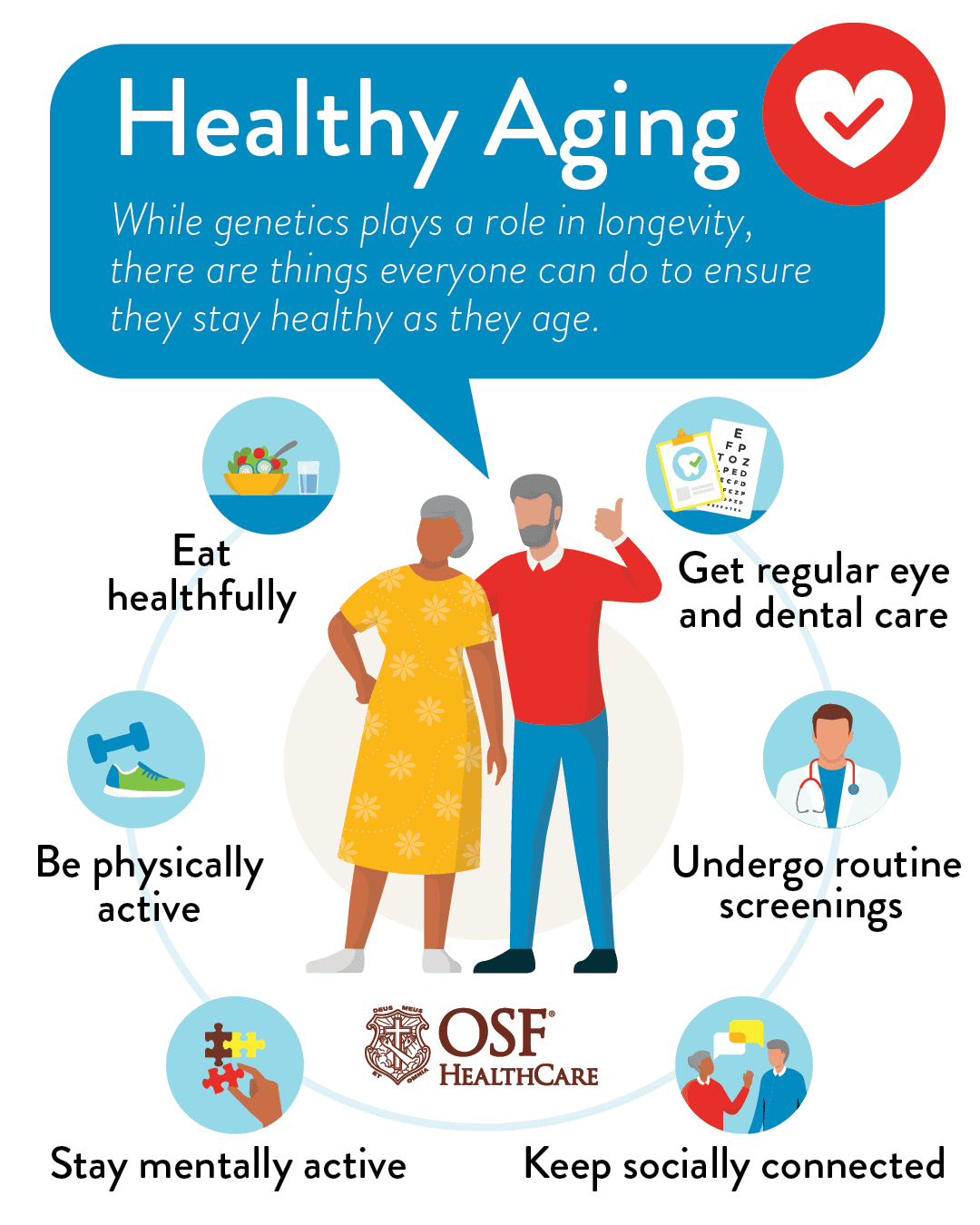
In this article, you will discover some essential tips for supporting men’s health in aging populations. With the passage of time, it becomes increasingly important to prioritize health and well-being. By implementing these tips, you can make a positive impact on the lives of the men around you, whether they are your fathers, brothers, husbands, or friends. From exercise and nutrition to mental well-being and regular check-ups, these tips will empower you to contribute to the overall health and happiness of the men in your life. So, let’s dive in and explore these essential tips together!
1. Regular Physical Activity
Regular physical activity is crucial for maintaining and improving men’s health as they age. Engaging in exercise offers numerous benefits, both physically and mentally. Exercise can help prevent or manage chronic diseases, reduce the risk of heart disease, lower blood pressure, strengthen bones and muscles, and improve overall mood and mental well-being.
There are various types of exercises that are particularly beneficial for aging men. Cardiovascular exercises, such as brisk walking, swimming, or cycling, help improve heart health and stamina. Strength training exercises, using weights or resistance bands, promote muscle growth and can help prevent age-related muscle loss. Flexibility exercises, like yoga or stretching, enhance joint mobility and reduce the risk of injuries.
Incorporating physical activity into your daily routine doesn’t have to be complicated. Start by setting realistic goals and gradually increase the intensity and duration of your workouts. Find activities that you enjoy, as this will make it easier to stay motivated. Consider exercising with a friend or joining a fitness class to make it more enjoyable and increase accountability. Remember to listen to your body and consult with a healthcare professional if you have any health concerns before starting a new exercise regimen.
2. Healthy Diet
Maintaining a healthy diet is essential for promoting optimal health in aging men. Proper nutrition plays a vital role in preventing chronic diseases, maintaining a healthy weight, supporting brain function, and providing the body with essential nutrients and energy.
To promote men’s health in aging populations, it is important to include a variety of nutrient-rich foods in your diet. Focus on consuming plenty of fruits, vegetables, whole grains, lean proteins, and healthy fats. Foods rich in antioxidants, such as berries and leafy greens, can help protect against cell damage and reduce the risk of chronic diseases. Include sources of lean protein, such as chicken, fish, beans, or tofu, to support muscle health and repair.
It’s also important to limit your intake of processed foods, sugary snacks, and beverages high in added sugars. These can contribute to weight gain, increase the risk of conditions like diabetes and heart disease, and negatively impact overall health.
To maintain a healthy diet, plan and prepare your meals in advance, prioritize portion control, and avoid skipping meals. Stay hydrated by drinking plenty of water throughout the day and reduce your consumption of alcoholic beverages.
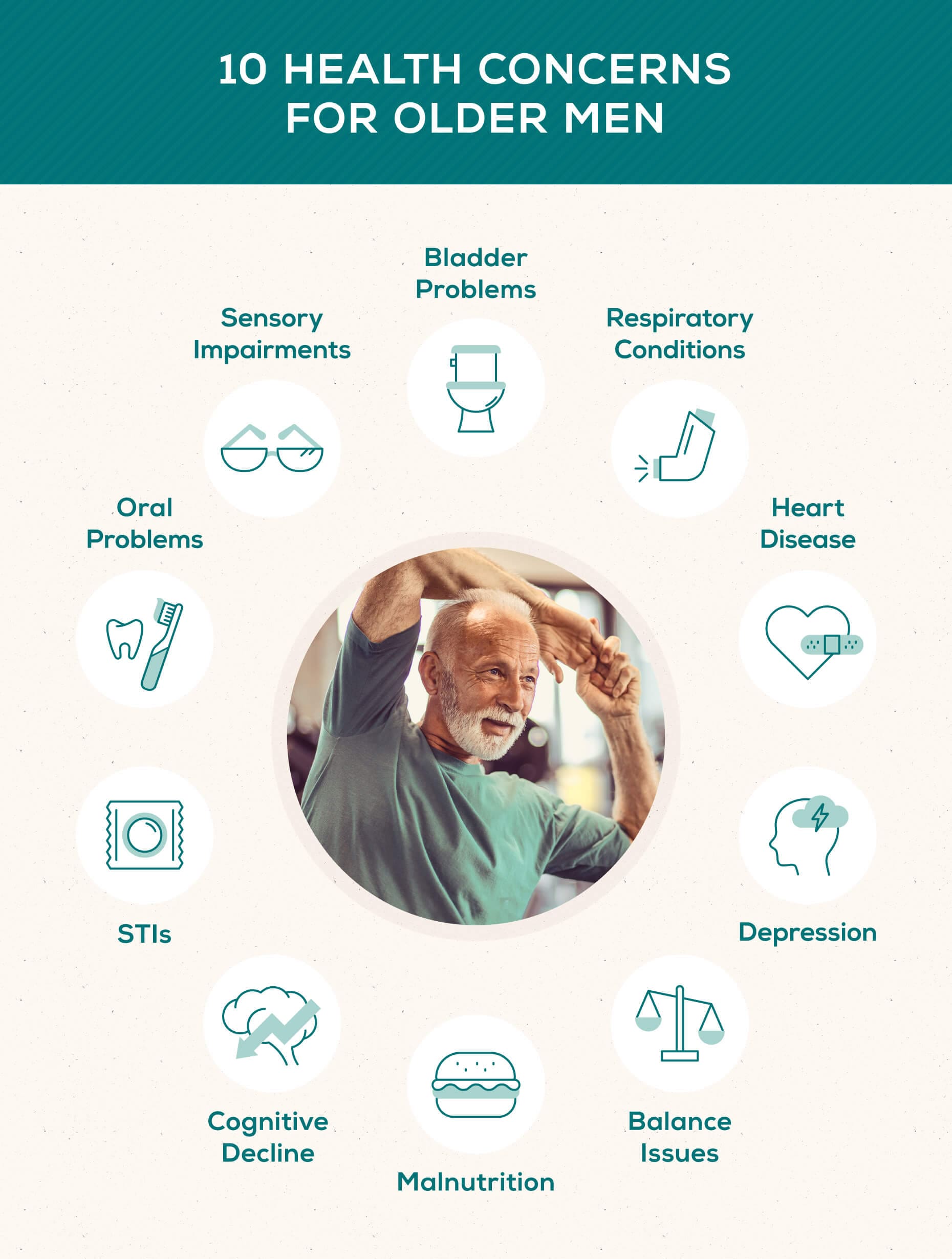
3. Regular Health Check-ups
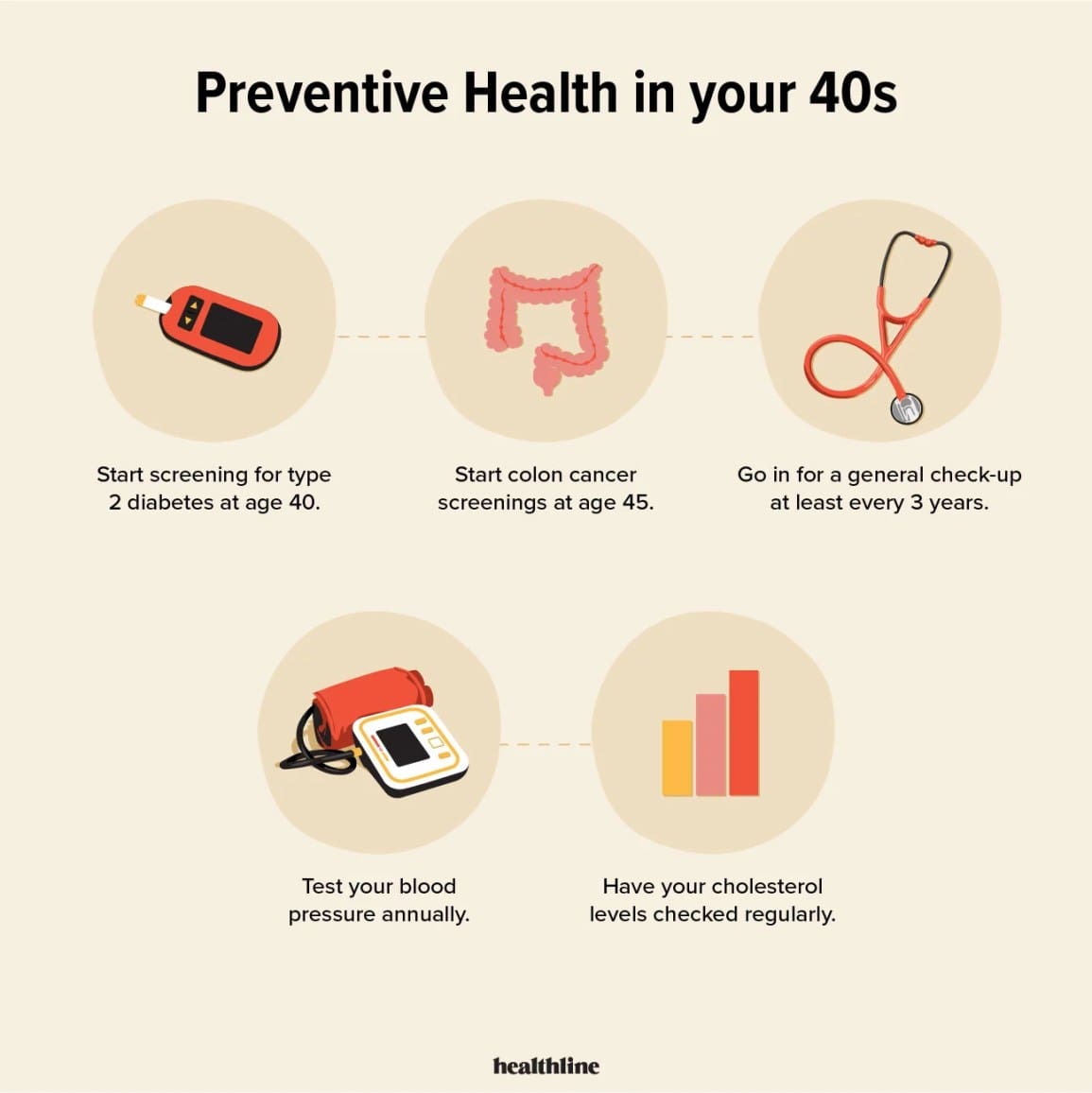
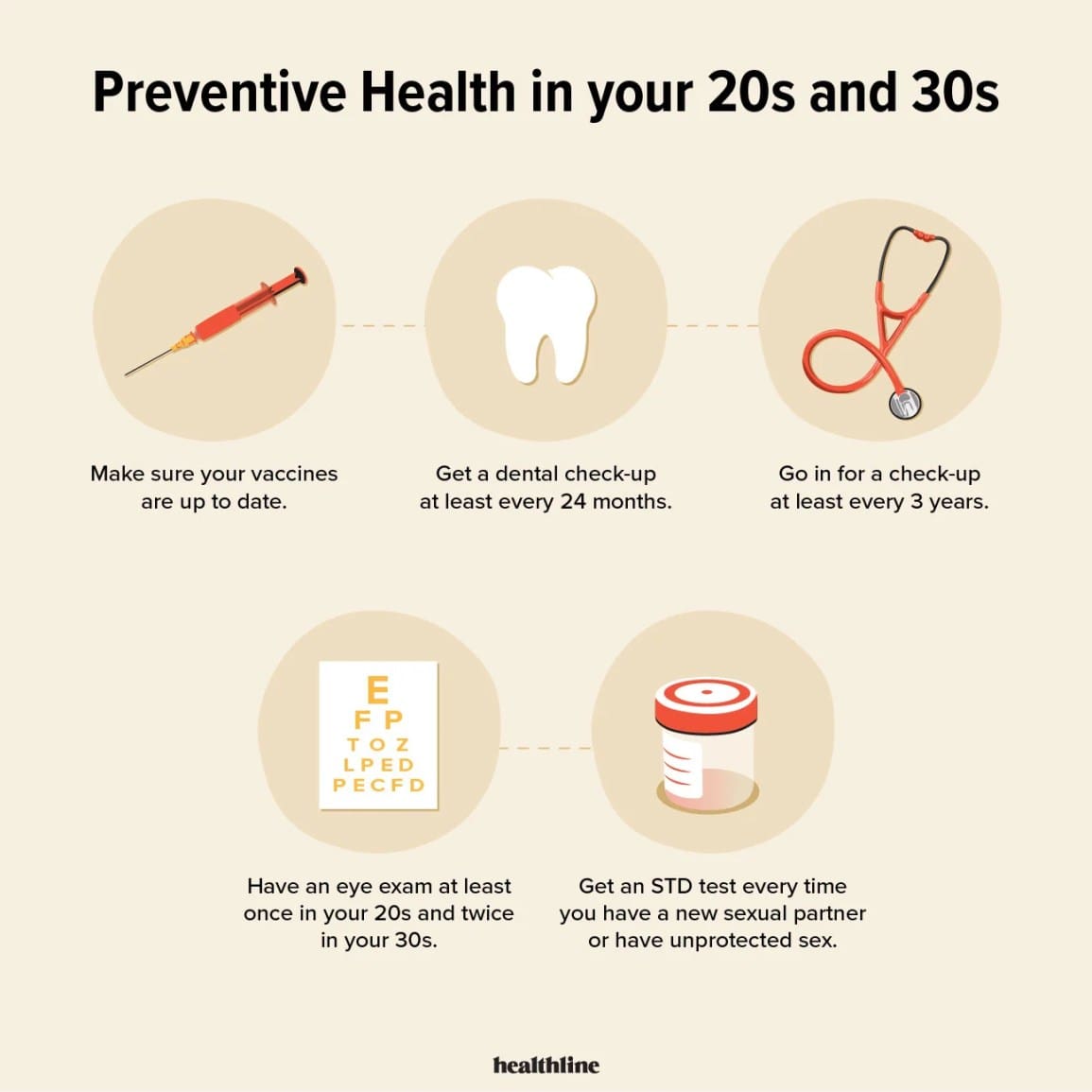
Regular check-ups with healthcare professionals are crucial for monitoring and maintaining men’s health as they age. These appointments allow for early detection and management of potential health issues, which can significantly improve outcomes.
It is important to understand the importance of regular check-ups. Health screenings and examinations can help detect conditions such as high blood pressure, cholesterol levels, diabetes, and various cancers. Depending on your age and medical history, recommended screenings may include blood tests, prostate exams, colonoscopies, eye exams, and cardiovascular assessments.
To ensure you stay on top of your health, make it a priority to schedule and attend routine check-ups as recommended by your healthcare provider. Be proactive and communicate any concerns or symptoms you may be experiencing during these appointments. By being proactive about your health, you can catch and address potential issues early, leading to better overall health outcomes.
4. Mental Health Support
Recognizing and addressing mental health challenges is vital for men’s well-being as they age. It’s important to understand that mental health is just as important as physical health, and seeking support when needed can greatly improve overall quality of life.
Maintaining social connections and emotional well-being is key to promoting good mental health. Engage in activities that bring you joy and provide a sense of purpose. Stay connected with friends and loved ones and prioritize building and maintaining strong relationships. Sharing your thoughts and feelings with trusted individuals can also help alleviate stress and promote mental well-being.
If you find yourself struggling with mental health challenges, don’t hesitate to seek professional help. Mental health professionals can offer guidance, support, and evidence-based treatments to address conditions like depression, anxiety, and stress. Remember, seeking help is a sign of strength, and there is no shame in taking steps to prioritize your mental well-being.
5. Managing Chronic Conditions
As men age, the risk of developing chronic conditions increases. Chronic diseases such as heart disease, diabetes, arthritis, and respiratory disorders can significantly impact quality of life if not properly managed. It’s important to adopt strategies to manage and prevent these conditions.
First and foremost, it is crucial to stay proactive in managing chronic conditions. Adhere to your healthcare provider’s recommended treatment plan, including taking prescribed medications consistently and attending regular check-ups. Make lifestyle changes such as maintaining a healthy diet and engaging in regular physical activity to help manage chronic conditions and prevent further complications.
Educate yourself about your specific condition, its symptoms, and potential triggers. By understanding your own health, you can better manage chronic conditions and make informed decisions about treatment and lifestyle choices.
In addition to medical interventions, support groups and online communities can provide a valuable source of information and emotional support for those managing chronic conditions. Sharing experiences, learning from others, and exchanging coping strategies can make managing chronic illnesses feel less isolating and overwhelming.
6. Prostate Health
Concerns related to prostate health become more prevalent as men age. Understanding prostate health issues and taking preventive measures is essential for maintaining overall well-being.
Regular screenings and preventive measures are integral in promoting prostate health. Discuss with your healthcare provider the most appropriate age to begin prostate cancer screenings, which often involve a digital rectal exam (DRE) and a prostate-specific antigen (PSA) blood test. Early detection and intervention significantly improve the chances of successful treatment.
In addition to screenings, lifestyle choices can help promote prostate health. Maintaining a healthy weight, consuming a diet rich in fruits, vegetables, and lean proteins, and avoiding excessive consumption of red and processed meats are essential. Regular physical activity also plays a role in reducing the risk of prostate issues.
Remember to consult with your healthcare provider about the best ways to promote and maintain prostate health based on your individual circumstances.
7. Sexual Health
Changes in sexual health are a normal part of the aging process for men. It’s important to understand these changes and take steps to maintain sexual well-being.
Physical exercise, maintaining a healthy diet, and managing chronic conditions are essential for promoting overall sexual health. Regular physical activity improves blood flow and circulation, which can positively impact sexual function. Consuming a balanced diet rich in nutrients supports hormonal balance and overall well-being, which can positively influence sexual health.
If you experience sexual health concerns, don’t hesitate to seek professional help. Healthcare professionals specializing in sexual health can provide guidance and interventions tailored to your specific needs. They can address issues such as erectile dysfunction, low libido, or hormonal imbalances.
Remember that open communication with your partner is crucial for maintaining a healthy and fulfilling sexual relationship. Discuss any concerns, changes, or challenges you may be experiencing together, and explore ways to adapt and find new avenues for intimacy and connection.
8. Sleep Quality
Quality sleep is vital for men’s health at all stages of life. As men age, sleep patterns can change, and it becomes increasingly important to prioritize good sleep habits.
Sleep plays a crucial role in the body’s rest and repair processes, hormonal balance, and cognitive function. Poor sleep quality can lead to numerous health issues, including increased risk of chronic diseases, cognitive decline, and mood disturbances.
To improve sleep quality, establish a regular sleep schedule and stick to it. Create a relaxing bedtime routine that includes activities such as reading, taking a warm bath, or practicing relaxation techniques like deep breathing or meditation. Ensure your sleep environment is comfortable, quiet, and free from distractions. Avoid stimulating activities, electronics, and heavy meals close to bedtime.
If you experience persistent sleep difficulties, such as insomnia or sleep apnea, it’s important to consult with a healthcare provider. They can help identify the underlying causes and recommend appropriate interventions, such as lifestyle changes, sleep aids, or specialized treatments.
9. Fall Prevention
Falls are a significant concern for aging men, as they can lead to serious injuries and impairments. Taking steps to prevent falls and minimize injury risks is crucial for maintaining independence and overall well-being.
Understanding the risks associated with falls is the first step in prevention. Medication side effects, vision and balance issues, muscle weakness, and environmental hazards can all contribute to fall risks. Review your medications with your healthcare provider to minimize side effects that may affect balance or coordination. Regular eye exams can identify vision issues that may impact mobility. Engage in exercises that promote balance, strength, and flexibility to improve overall stability.
Creating a safe home environment is paramount in fall prevention. Remove clutter and ensure pathways are clear of tripping hazards. Install handrails and grab bars in bathrooms and along staircases. Use non-slip mats in bathrooms and ensure adequate lighting throughout the home.
Additionally, consider utilizing assistive devices such as canes or walkers if needed. It’s essential to wear appropriate footwear with good traction to prevent slips and falls.
If you have experienced falls in the past or are concerned about your fall risk, consult with a healthcare provider who can conduct a comprehensive fall risk assessment and provide guidance on specific interventions.
10. Encouraging Social Engagement
Social engagement plays a vital role in men’s health as they age. Maintaining social connections and participating in meaningful activities can positively impact mental and physical well-being.
Social interaction has been shown to reduce the risk of depression and cognitive decline, improve self-esteem, and provide a sense of purpose and belonging. Engage in activities that interest you and allow for social interaction, such as joining clubs or community organizations, volunteering, or participating in group exercise classes.
Initiatives and programs specifically designed for seniors can provide valuable opportunities for social engagement. Look for local community centers, senior centers, or recreational programs that offer activities tailored to older adults. These programs often provide a supportive and inclusive environment where you can meet like-minded individuals and build new connections.
Staying socially active in later life may require some effort, but the benefits are well worth it. Prioritize social engagement as an integral part of your overall health and well-being.
By incorporating these essential tips into your life, you can support your health and well-being as you age. Remember, making small lifestyle changes and seeking appropriate support when needed can have a significant impact on your overall quality of life. Take charge of your health and embrace aging with a proactive and positive mindset.