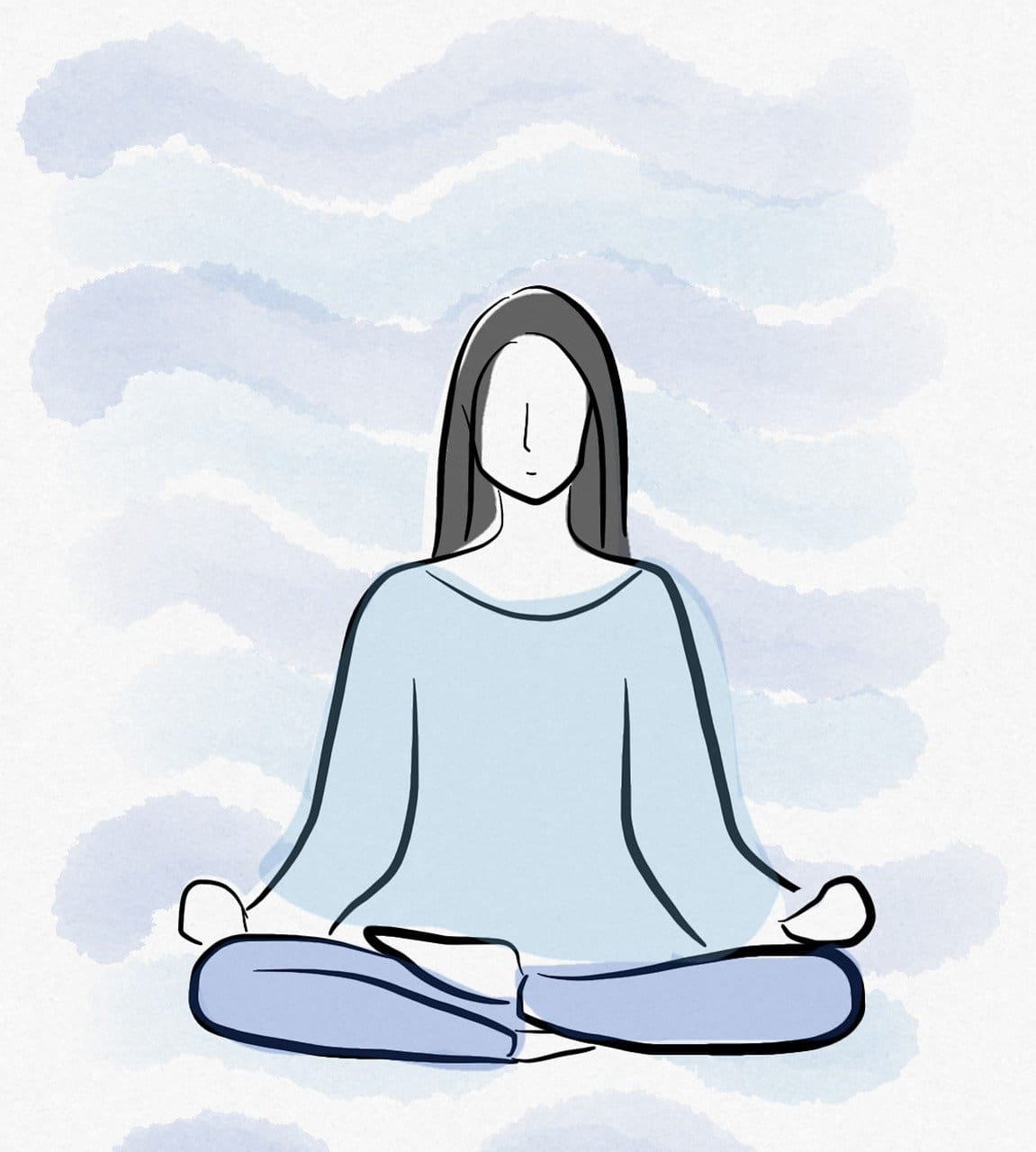
If you’re looking for effective ways to manage anxiety and depression, look no further. This article explores holistic approaches that can help you find balance and peace in your life. Focusing on the mind-body connection and incorporating various techniques such as mindfulness, exercise, and alternative therapies, you’ll discover practical strategies to alleviate the symptoms of anxiety and depression. By taking a holistic approach, you can empower yourself to improve your mental well-being and live a fulfilled life.
Exercise and Physical Activity
Benefits of Exercise
Exercise has a multitude of benefits for both physical and mental health. When it comes to anxiety and depression, engaging in regular physical activity can be especially beneficial. Exercise releases endorphins, which are natural mood-boosting chemicals in the brain. These endorphins can help reduce symptoms of anxiety and depression and improve overall mood. Additionally, exercise promotes better sleep, increases self-confidence, and provides a healthy outlet for stress and tension. Regular exercise also improves cognitive function, enhancing focus and concentration.
Types of Exercise for Anxiety and Depression
There are various types of exercise that can be effective in managing anxiety and depression. Aerobic exercises, such as jogging, swimming, or dancing, increase heart rate and release endorphins, improving mood and reducing anxiety. Strength training exercises, like weightlifting or resistance training, help build muscle strength and can provide a sense of accomplishment and empowerment. Yoga and Pilates are also beneficial, as they combine physical movement with mindfulness and breathing techniques, promoting relaxation and reducing stress.
Recommended Duration and Frequency
To reap the mental health benefits of exercise, it is recommended to engage in moderate-intensity aerobic exercise for at least 150 minutes per week. This can be spread out over several days, with sessions lasting at least 30 minutes. Alongside aerobic exercise, it is essential to incorporate strength training exercises at least two days per week, targeting major muscle groups. Remember to start at a level that is comfortable for you and gradually increase the intensity and duration of your workouts as you build strength and stamina.
Incorporating Physical Activity into Daily Routine
Finding ways to incorporate physical activity into your daily routine can help make exercise a habit. Instead of viewing exercise as a separate task, try to make it a natural part of your day. Take the stairs instead of the elevator, go for a brisk walk during your lunch break, or bike to work if possible. Explore different activities that you enjoy, such as dancing, hiking, or joining a sports team. By finding activities that you genuinely enjoy, you’ll be more motivated to stick with them and make exercise a regular part of your life.
Exercise as a Mood Booster
In addition to the physiological benefits, exercise can act as a powerful mood booster. Whether it’s going for a run or participating in a group exercise class, physical activity stimulates the release of endorphins, which are known as the body’s natural feel-good chemicals. These endorphins help reduce feelings of depression and anxiety, leaving you feeling more energized, positive, and capable of coping with stress. Incorporating exercise into your routine can provide a natural and enjoyable way to boost your mood and improve your overall mental well-being.
Meditation and Mindfulness
Understanding Meditation
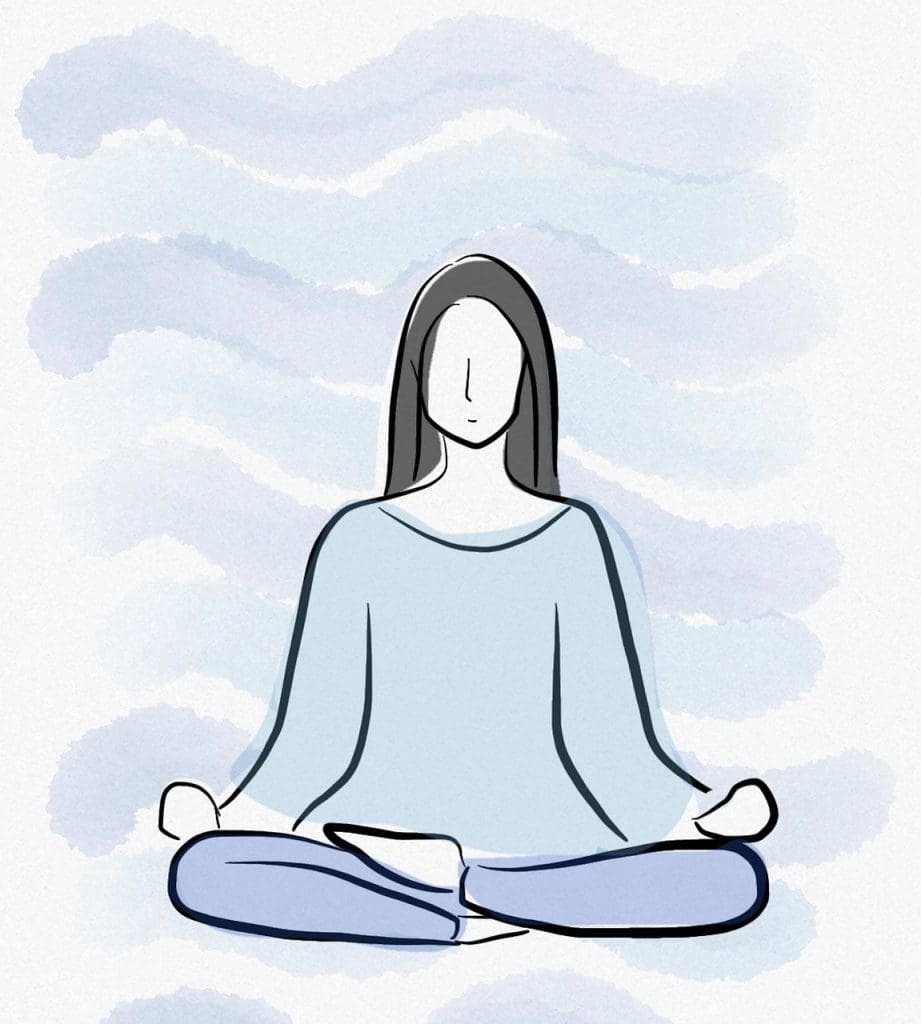
Meditation is a practice that involves focusing your mind and redirecting your thoughts in a deliberate and non-judgmental way. It allows you to become more present and aware of the present moment, cultivating a sense of calm and stillness within. There are various meditation techniques, including focused meditation, mindfulness meditation, loving-kindness meditation, and transcendental meditation. Each technique has its own approach and benefits, so it’s essential to find the one that resonates with you the most.
Benefits of Meditation for Anxiety and Depression
Meditation has been shown to be an effective tool for managing anxiety and depression. Regular meditation practice can help reduce stress, anxiety, and feelings of depression. It promotes emotional well-being by improving self-awareness and emotional regulation. By cultivating a focused and calm mind, meditation can also enhance concentration and improve cognitive function. Additionally, meditation encourages a positive mindset and the development of a more compassionate and kind attitude towards oneself and others.
Different Meditation Techniques
There are various meditation techniques to choose from, depending on your preferences and goals. Focused meditation involves concentrating on a particular object or mantra, allowing the mind to let go of other thoughts and distractions. Mindfulness meditation focuses on observing and accepting sensations, thoughts, and emotions as they arise, without judgment. Loving-kindness meditation involves cultivating feelings of love, compassion, and goodwill towards oneself and others. Transcendental meditation utilizes a specific mantra to achieve a state of deep relaxation and inner peace.
Establishing a Meditation Practice
To establish a regular meditation practice, it’s important to start small and gradually increase the duration and frequency of your sessions. Begin with just a few minutes of meditation each day and gradually increase the time as you become more comfortable. Find a quiet and comfortable space where you can sit uninterrupted. Experiment with different techniques and meditation resources, such as guided meditations or meditation apps, to help you get started. Consistency is key, so try to incorporate meditation into your daily routine, whether it’s in the morning, during a break, or before bed.
Incorporating Mindfulness into Daily Life
Beyond formal meditation practice, integrating mindfulness into your daily life can have a profound impact on your mental well-being. Mindfulness involves being fully present and engaged in the current moment, paying attention to your thoughts, feelings, and sensations without judgment. By practicing mindfulness in everyday activities like walking, eating, or brushing your teeth, you can cultivate a greater sense of awareness and appreciation for the present moment. Mindfulness also helps to reduce stress and promote a calmer and more peaceful state of mind.