In this article, you will discover a fascinating exploration of holistic approaches to managing skin health and dermatology. We will delve into the world of skincare, looking beyond conventional treatments to uncover alternative methods that nurture and protect your skin. From the power of natural ingredients to the importance of a balanced lifestyle, this article will guide you towards a more holistic approach to achieving radiant and healthy skin. Get ready to embark on a journey towards a renewed and glowing complexion!
Understanding Holistic Approaches
Holistic approaches to managing skin health and dermatology focus on addressing the well-being of the whole person, not just treating symptoms on the surface. It involves considering the interconnectedness of various lifestyle factors, such as diet, hydration, exercise, stress, and sleep, and their impact on skin health. By taking a holistic approach, individuals can achieve long-term improvement in their skin’s appearance and overall well-being.
Lifestyle Factors and Skin Health
The impact of diet on skin health
Your diet plays a crucial role in maintaining healthy skin. Consuming a balanced diet rich in fruits, vegetables, whole grains, and lean proteins provides essential nutrients that support skin health. Antioxidants found in fruits and vegetables help combat free radicals, reduce inflammation, and promote a youthful complexion. Foods rich in omega-3 fatty acids, such as fatty fish and flaxseeds, can also help maintain skin elasticity and hydration.
The role of hydration and skin health
Proper hydration is vital for maintaining healthy skin from the inside out. Drinking an adequate amount of water helps flush out toxins, improve circulation, and promote a glowing complexion. Dehydration can lead to dryness, tightness, and even exacerbate skin conditions such as acne. It is recommended to drink at least eight glasses of water per day and adjust your intake based on your activity level and environment.
The importance of exercise for healthy skin
Regular exercise not only benefits your overall well-being but also enhances skin health. Engaging in physical activity promotes healthy blood circulation, which delivers essential nutrients and oxygen to the skin cells. Exercise also aids in the removal of toxins, reduces stress, and promotes a youthful appearance. Aim for at least 30 minutes of moderate-intensity exercise, such as brisk walking or cycling, most days of the week to reap the benefits for your skin.
The effects of stress and sleep on skin
Stress and lack of sleep can wreak havoc on your skin’s health. Chronic stress triggers the release of cortisol, a hormone that can lead to increased oil production, breakouts, and skin inflammation. Additionally, poor sleep quality can disrupt the skin’s natural repair processes, leading to dullness and premature aging. Managing stress through relaxation techniques like deep breathing, meditation, and getting quality sleep can help reduce skin problems and promote a vibrant complexion.
Natural and Organic Skincare Products
Benefits of using natural and organic skincare products
Using natural and organic skincare products can provide numerous benefits for your skin and overall health. These products are formulated with plant-based ingredients that are free from harmful chemicals, pesticides, and synthetic fragrances. Natural and organic skincare products are less likely to irritate the skin, making them a suitable choice for individuals with sensitive skin. They offer nourishing and healing properties, promote skin hydration, and help maintain a healthy skin barrier.
Understanding harmful ingredients in conventional skincare products
Conventional skincare products often contain harmful ingredients that can negatively impact your skin and health. Ingredients such as parabens, sulfates, phthalates, and artificial fragrances can cause skin irritation, allergies, and disrupt hormonal balance. Long-term use of these ingredients might even contribute to serious health concerns. By choosing natural and organic skincare products, you can protect your skin from potentially harmful substances and achieve healthier, more radiant skin.
Choosing natural ingredients for specific skin concerns
Natural skincare products offer a wide range of ingredients that cater to specific skin concerns. For example, tea tree oil has natural antimicrobial properties that can help combat acne-causing bacteria. Aloe vera is known for its soothing and hydrating properties, making it beneficial for sensitive or dry skin. Ingredients like rosehip oil and vitamin C are effective for brightening and fading hyperpigmentation. Understanding your specific skin concern and selecting products containing suitable natural ingredients can optimize your skincare routine.
DIY natural skincare recipes
Creating your own natural skincare products at home can be a fun and cost-effective way to care for your skin. Many ingredients found in your kitchen or local grocery store can be used for DIY skincare recipes. For instance, a homemade facial mask using raw honey and yogurt can provide deep hydration and soothe inflammation. Mixing coconut oil with sugar creates a gentle exfoliating body scrub that sloughs away dead skin cells and leaves your skin soft and smooth. Experimenting with different DIY recipes allows you to customize your skincare routine and ensure that you are using pure and natural ingredients.
Alternative Therapies for Skin Health
The benefits of acupuncture in dermatology
Acupuncture, an ancient Chinese medical practice, has gained popularity in dermatology for its ability to address various skin conditions. It involves the insertion of thin needles into specific points on the body to stimulate energy flow and balance. In dermatology, acupuncture can help alleviate skin inflammation, reduce acne, improve circulation, and promote overall skin health. Acupuncture sessions, when combined with other holistic approaches, can lead to significant improvements in skin appearance and overall well-being.
Herbal medicine and its role in managing skin issues
Herbal medicine has been used for centuries to address various health concerns, including skin issues. The use of specific herbs can help manage conditions such as eczema, psoriasis, acne, and rosacea. Calendula, chamomile, and lavender are known for their anti-inflammatory and soothing properties, making them effective in calming irritated skin. Drinking herbal teas infused with ingredients like burdock root and dandelion can support detoxification and promote clear, healthy skin. Incorporating herbal medicine into your skincare routine, under the guidance of a qualified practitioner, can provide natural and lasting benefits for your skin.
Aromatherapy and essential oils for skin health
Aromatherapy, the use of essential oils derived from plants, can be a valuable tool in promoting skin health. Essential oils are concentrated plant extracts that possess various therapeutic properties. They can be used topically or inhaled to improve skin conditions and support emotional well-being. For example, lavender oil is well-known for its calming and anti-inflammatory effects, making it beneficial for reducing stress-related skin issues. Tea tree oil has powerful antibacterial properties and can help treat acne and fungal skin infections. However, it is essential to dilute essential oils properly and seek guidance from a trained professional to ensure safe and effective use.
Ayurveda techniques for improving skin
Ayurveda, a traditional Indian holistic healing system, offers valuable techniques and practices for improving skin health. According to Ayurveda, the balance of the three doshas, Vata, Pitta, and Kapha, is crucial for overall well-being, including skin health. Ayurvedic practices, such as daily self-massage with warm oils, known as Abhyanga, can improve circulation, lymphatic drainage, and nourish the skin. Herbal formulations specific to each dosha can be used internally and externally to address imbalances and promote healthy skin. Incorporating Ayurvedic principles into your skincare routine can help achieve a harmonious balance and radiant complexion.
Mind-Body Practices for Healthy Skin
The connection between mental health and skin
There is a strong connection between mental health and skin. Stress, anxiety, and depression can manifest in the form of skin conditions such as acne, eczema, and psoriasis. When you experience emotional distress, your body releases stress hormones that can trigger inflammation and disrupt the skin’s natural balance. Taking care of your mental health through various mind-body practices can positively influence your skin and overall well-being.
Meditation and mindfulness exercises for skin health
Meditation and mindfulness exercises are powerful tools for improving skin health. By engaging in regular meditation or mindfulness practices, you can reduce stress, promote relaxation, and cultivate a sense of inner peace. Studies have shown that meditation can decrease inflammation in the body, leading to improved skin conditions. Taking a few minutes each day to sit in a quiet space, focus on your breath, and let go of stress can significantly benefit your skin and overall health.
Breathing techniques and their impact on skin
Deep breathing techniques, such as diaphragmatic breathing or alternate nostril breathing, can have a tremendous impact on your skin. Deep breathing helps reduce stress by activating the parasympathetic nervous system, promoting relaxation and optimal functioning of the body’s systems, including the skin. By incorporating deep breathing exercises into your daily routine, you can enhance oxygenation, circulation, and nutrient delivery to your skin cells, resulting in a healthier, more vibrant complexion.
Yoga postures and skin benefits
Regular practice of yoga postures, also known as asanas, can have profound effects on your skin. Certain yoga poses, such as inverted poses like headstands or shoulder stands, improve blood flow and nourishment to the face, giving it a natural glow. Twisting poses help detoxify the body, supporting the elimination of toxins that can contribute to skin issues. Additionally, yoga poses that promote relaxation and reduce stress can positively impact the skin’s health. Incorporating a yoga practice into your lifestyle can improve not only your overall well-being but also your skin’s appearance.
Environmental Factors and Skin Health
Protecting skin from sun damage
Protecting your skin from sun damage is crucial for maintaining healthy and youthful-looking skin. Prolonged sun exposure can lead to sunburn, premature aging, and an increased risk of skin cancer. To protect your skin, apply sunscreen with a broad-spectrum SPF of 30 or higher, wear protective clothing, and seek shade during the peak hours of sunlight. Remember to reapply sunscreen at least every two hours, especially when engaging in outdoor activities. By adopting sun-safe habits, you can shield your skin from harmful ultraviolet (UV) radiation and maintain its health and vitality.
Minimizing exposure to pollutants
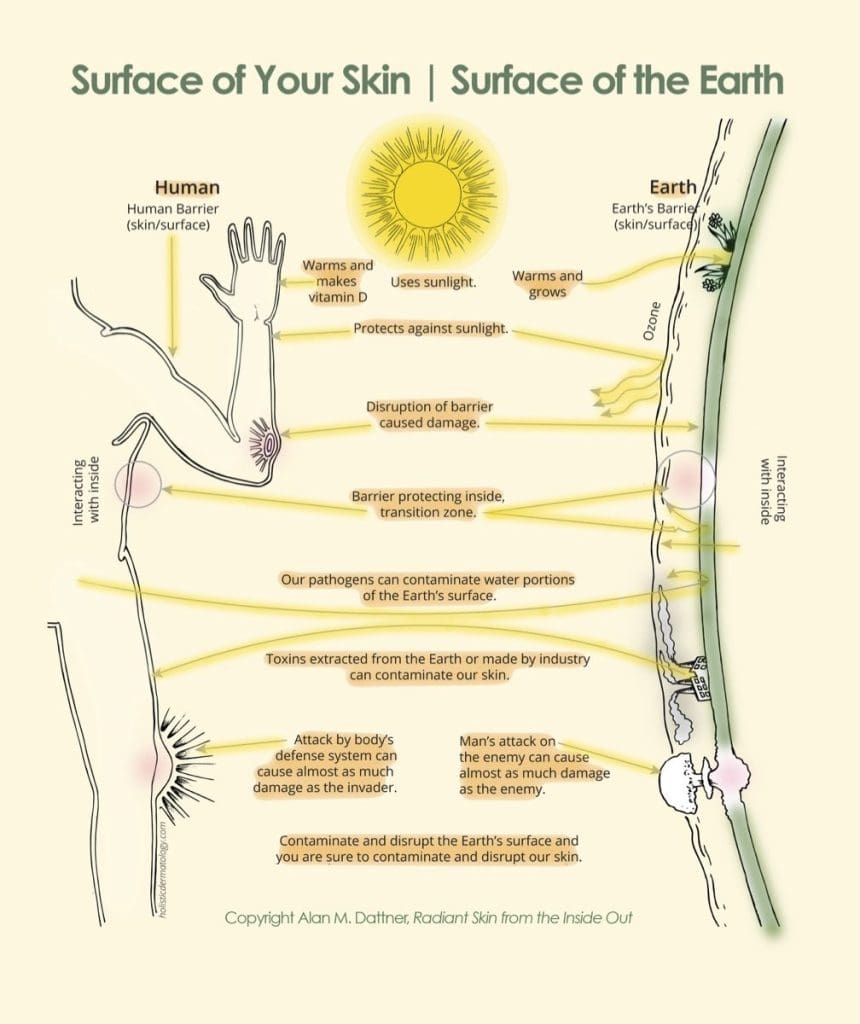
Pollutants present in the air, such as particulate matter, ozone, and cigarette smoke, can have detrimental effects on the skin. These pollutants can penetrate the skin, leading to oxidative stress, inflammation, and premature aging. Minimizing exposure to pollutants can be challenging, especially in urban environments. However, you can take steps to protect your skin by cleansing it thoroughly every day, using antioxidant-rich skincare products, and creating a barrier between your skin and the environment with a moisturizer or serum. These measures can help minimize the harmful effects of pollutants and maintain a healthy complexion.
Effects of climate on skin health
Different climates can affect the health and appearance of your skin. Cold and dry climates can strip the skin of its natural moisture, causing dryness, flakiness, and irritation. On the other hand, hot and humid climates can lead to increased oil production, clogged pores, and breakouts. To maintain skin health in various climates, it is crucial to adapt your skincare routine accordingly. Use a gentle cleanser, hydrating moisturizer, and protect your skin with appropriate sunscreen and protective clothing. Pay attention to your skin’s needs and adjust your skincare regimen to ensure optimal hydration and protection in different climates.
The importance of clean air and water for skin
Clean air and water play a significant role in maintaining healthy skin. Air pollution can lead to oxidative stress, inflammation, and accelerated aging. To minimize the impact of air pollution on your skin, consider using air purifiers in your home, avoiding highly polluted areas, and cleansing your skin thoroughly every day to remove pollutants. Additionally, clean water is vital for maintaining skin hydration and promoting toxin elimination. Ensure that the water you use to cleanse and hydrate your skin is clean and free from harmful chemicals or contaminants. Investing in a good water filtration system can help provide clean water for your skincare needs.

Hormonal Balance and Skin
Understanding the impact of hormones on skin health
Hormones play a significant role in skin health, and imbalances can contribute to various skin issues. Fluctuations in hormone levels, such as during puberty, menstrual cycles, pregnancy, or menopause, can lead to acne breakouts, increased oil production, or dryness. Hormonal imbalances also affect collagen production, which can result in the formation of wrinkles and loss of skin elasticity. Understanding how hormones influence your skin can help you take proactive steps to balance them and maintain healthy skin.
Balancing hormones naturally for better skin
Maintaining hormonal balance is crucial for achieving healthy and radiant skin. Various lifestyle measures can help balance hormones naturally. Eating a balanced diet rich in nutrients, fiber, and healthy fats, while minimizing processed foods and sugar, can support hormonal balance. Regular exercise and stress management techniques, such as meditation or yoga, contribute to hormonal equilibrium. Adequate sleep and good sleep hygiene also play a significant role in hormonal regulation. By adopting these lifestyle practices, you can optimize hormonal balance and promote clear, vibrant skin.
Diet and lifestyle changes to regulate hormones
Specific dietary and lifestyle changes can target and regulate hormones to improve skin health. Including hormone-balancing foods such as cruciferous vegetables, flaxseeds, and fermented foods in your diet can support hormone production and metabolism. Avoiding hormone-disrupting substances, such as certain plastics and pesticides, can also contribute to hormonal balance. Adequate sleep, regular exercise, and stress management techniques help regulate hormone production and reduce imbalances that can impact your skin. By making these changes, you can positively influence your hormones and achieve healthier skin from the inside out.
Consequences of hormonal imbalances on the skin
Hormonal imbalances can manifest in various skin conditions. Excess androgen hormones can lead to increased sebum production, resulting in oily skin and acne breakouts. On the other hand, decreased estrogen levels during menopause can cause dryness, fine lines, and loss of elasticity. Fluctuating hormonal levels, such as those experienced during pregnancy, can lead to melasma or increased pigmentation. Understanding the consequences of hormonal imbalances on the skin can help you seek appropriate treatment and make lifestyle adjustments to improve your skin’s condition.
Strengthening the Skin Barrier
Importance of a healthy skin barrier
The skin barrier, also known as the stratum corneum, plays a critical role in maintaining overall skin health. It acts as a protective barrier, preventing the loss of moisture and keeping harmful substances out. A healthy skin barrier ensures proper hydration, limits sensitivity, and protects against environmental stressors. When the skin barrier is compromised, you may experience dryness, redness, irritation, and increased vulnerability to skin conditions. Therefore, maintaining a healthy skin barrier is essential for achieving and maintaining optimal skin health.
Using natural ingredients to improve skin barrier function
Natural ingredients can help strengthen and improve the function of the skin barrier. Ingredients such as ceramides, hyaluronic acid, and niacinamide can enhance the skin’s natural moisture retention capabilities, reducing dryness and improving hydration. Antioxidant-rich botanical extracts, like green tea or chamomile, offer protective properties that support barrier function and reduce inflammation. Natural oils, such as jojoba or rosehip oil, provide essential fatty acids that nourish the skin and promote barrier repair. Incorporating skincare products containing these natural ingredients can help fortify your skin barrier and maintain healthy skin.
Avoiding harsh skincare products that damage the skin barrier
Harsh skincare products can damage the skin barrier, leading to dryness, irritation, and inflammation. Products that contain high concentrations of alcohol, fragrances, sulfates, or harsh exfoliating agents can strip the skin of its natural oils and disrupt the delicate balance of the skin barrier. It is important to choose gentle cleansers, moisturizers, and other skincare products that are free from harsh ingredients. Opting for products specifically formulated for sensitive or dry skin can help protect the skin barrier and promote healthy skin function.
Strategies for repairing a compromised skin barrier
If your skin barrier is compromised, it is crucial to implement strategies to repair and restore its function. Firstly, avoid further irritants or harsh products that can exacerbate the issue. Instead, opt for gentle, hydrating skincare products that nourish and soothe the skin. Introduce products with barrier-building ingredients, such as ceramides or peptides, to aid in the repair process. Protect your skin from extreme temperatures and climate conditions by wearing appropriate clothing and using moisturizers with SPF. Additionally, incorporating a humidifier in your living space can help restore moisture to the air, benefiting your skin’s barrier function. With patience and consistent care, you can strengthen and restore your skin barrier, leading to healthier, more resilient skin.
Professional Holistic Approaches
Finding a holistic dermatologist or esthetician
When seeking professional assistance for a holistic approach to managing skin health, finding a holistic dermatologist or esthetician is essential. These practitioners understand the interconnectedness of various factors affecting skin health and take a comprehensive approach to treatment. They consider lifestyle factors, use natural and organic skincare products, and incorporate alternative therapies into their practice. Conduct thorough research and seek referrals to find a qualified holistic dermatologist or esthetician who shares your values and can provide expert guidance in your skincare journey.
Nutritional counseling for skin health
Nutritional counseling can be a valuable component of a holistic approach to managing skin health. A qualified professional can assess your dietary habits, identify any nutritional deficiencies, and recommend specific dietary changes to support skin health. They can provide guidance on incorporating nutrient-rich foods and supplements into your diet, tailor-made for your unique needs and skin concerns. Nutritional counseling helps optimize your internal health, which is reflected in the health and appearance of your skin.
Holistic treatments for specific skin conditions
Holistic practitioners offer a range of treatments that address specific skin conditions in a comprehensive manner. For example, they may combine topical treatments with dietary changes, stress management techniques, and alternative therapies to treat acne. They may incorporate herbal medicine and acupuncture to manage eczema or psoriasis. Holistic treatments aim to target the root causes of skin issues and promote long-term healing and improved skin health. Consulting with a holistic practitioner allows you to explore natural and integrative approaches to address your specific skin concerns effectively.
Collaborative approaches for comprehensive skin management
Holistic approaches to managing skin health often involve a collaborative approach between various healthcare professionals. By working together, dermatologists, estheticians, nutritionists, and other specialists can provide comprehensive care that addresses all aspects of your skin health. They can share insights, collaborate on treatment plans, and coordinate their efforts to ensure optimal results. This collaborative approach focuses on treating the whole person, identifying and addressing underlying imbalances, and promoting long-term skin health and well-being.
Holistic Approaches for Common Skin Conditions
Acne and holistic treatment options
Acne is a common skin condition that can significantly impact self-esteem and quality of life. Holistic treatment options for acne aim to address the root causes, including hormonal imbalances, stress, diet, and inflammation. A holistic approach may include dietary modifications, stress reduction techniques, using natural skincare products, and incorporating alternative therapies such as acupuncture or herbal medicine. By addressing the underlying factors contributing to acne, a holistic treatment approach can provide long-term relief and improve overall skin health.
Eczema and natural remedies
Eczema is a chronic inflammatory skin condition characterized by dry, itchy, and inflamed patches of skin. Natural remedies can be an effective part of a holistic approach to managing eczema. Identifying triggers such as certain foods, environmental factors, or stress, and avoiding them can reduce flare-ups. Using gentle, moisturizing skincare products and incorporating natural ingredients known for their anti-inflammatory properties, such as chamomile or calendula, can help soothe irritated skin. It is also essential to maintain a healthy skin barrier through adequate hydration and avoiding harsh irritants. Holistic approaches to eczema management focus on reducing inflammation, promoting skin hydration, and supporting overall well-being.
Psoriasis and holistic management
Psoriasis is a chronic autoimmune condition characterized by red, scaly patches on the skin. Holistic management of psoriasis aims to reduce inflammation, support immune function, and improve overall skin health. Nutritional modifications, such as incorporating anti-inflammatory foods and avoiding triggers, can play a role in managing psoriasis symptoms. Herbal medicine, including the use of aloe vera or turmeric, can provide natural anti-inflammatory and immune-modulating effects. Stress reduction techniques, such as meditation or yoga, can also help minimize flare-ups and improve overall well-being. Holistic management of psoriasis takes into account the interconnected factors that influence the condition and focuses on treating the person as a whole.
Anti-aging strategies using holistic approaches
Holistic approaches to anti-aging aim to promote healthy aging by addressing both internal and external factors. A comprehensive approach includes adopting a nutritious diet rich in antioxidants, practicing stress management techniques, and using natural skincare products. Antioxidant-rich foods, such as berries and leafy greens, help combat free radicals and slow down the aging process. Adequate hydration, regular exercise, and quality sleep contribute to overall skin health and a youthful appearance. Using natural skincare products with ingredients like retinol, vitamin C, or hyaluronic acid nourishes the skin and stimulates collagen production. Holistic anti-aging strategies focus on maintaining optimal skin health, vitality, and a radiant complexion throughout the aging process.
In conclusion, holistic approaches to managing skin health and dermatology offer a comprehensive way to achieve and maintain healthy skin. By considering the interconnectedness of lifestyle factors, using natural and organic skincare products, incorporating alternative therapies, and addressing environmental and hormonal influences, you can optimize your skin’s health and overall well-being. Whether you are dealing with specific skin conditions or seeking to improve your skin’s appearance and vitality, embracing holistic approaches can provide long-term benefits and a renewed sense of self-confidence.