
In this article, you will explore the fascinating world of holistic approaches to resolving trauma and PTSD. Discover the power of alternative therapies and techniques that aim to heal not only the mind but also the body and spirit. From mindfulness practices to acupuncture, these holistic approaches offer a comprehensive approach to addressing trauma, providing hope and potential relief for those seeking healing. Embark on a journey of self-discovery as you learn about the various methods available that can help individuals overcome the lingering effects of trauma and PTSD.
Introduction to Trauma and PTSD
Traumatic experiences can have a profound impact on a person’s well-being, often leading to long-term mental health issues such as post-traumatic stress disorder (PTSD). It is crucial to understand the nature of traumatic experiences and their effects in order to provide effective treatment and support for individuals struggling with trauma and PTSD.
Understanding traumatic experiences
Traumatic experiences can vary greatly, ranging from natural disasters and accidents to acts of violence and abuse. These events can be overwhelming and result in a profound sense of fear, helplessness, and danger. Trauma can disrupt an individual’s ability to cope and process the experience, leading to distressing symptoms and long-lasting emotional and psychological consequences.
Definition and symptoms of PTSD
PTSD is a mental health disorder that can develop after experiencing or witnessing a traumatic event. It is characterized by a range of symptoms such as intrusive thoughts, flashbacks, nightmares, and heightened anxiety. Individuals with PTSD may also experience avoidance behaviors, emotional numbness, and changes in their mood and cognition. It is essential to recognize these symptoms and seek appropriate treatment to improve quality of life and overall well-being.
Traditional Approaches to Treating Trauma and PTSD
While traditional approaches to treating trauma and PTSD have proven effective for many individuals, it is important to consider a holistic perspective that considers the mind, body, and spirit as interconnected entities. In addition to traditional methods, holistic approaches can provide a more comprehensive and personalized approach to healing.
Medication therapy
Medication therapy is commonly used in the treatment of trauma and PTSD, particularly for managing symptoms such as anxiety, depression, and sleep disturbances. Medications such as selective serotonin reuptake inhibitors (SSRIs) and benzodiazepines can help individuals regain stability and improve their overall well-being. However, it is important to note that medications alone may not address the root causes of trauma and should be used in conjunction with other therapeutic approaches.

Cognitive Behavioral Therapy (CBT)
Cognitive Behavioral Therapy (CBT) is a widely recognized and extensively researched therapy for trauma and PTSD. It focuses on identifying and changing negative thought patterns and behaviors that contribute to distressing symptoms. CBT helps individuals develop coping strategies and skills to manage their emotions and reactions to triggers. By actively challenging and replacing negative beliefs, CBT can foster resilience and promote the healing process.
Eye Movement Desensitization and Reprocessing (EMDR)
Eye Movement Desensitization and Reprocessing (EMDR) is a therapeutic technique that has shown promising results in the treatment of trauma and PTSD. It involves bilateral stimulation through eye movements, sounds, or taps, while the individual recalls distressing memories. This process helps to reprocess traumatic experiences, reducing the intensity of associated emotions and beliefs. EMDR facilitates the integration of distressing memories into a more adaptive and less distressing narrative.
Exposure therapy
Exposure therapy involves gradually and safely confronting the memories, situations, or objects that trigger trauma-related distress. This therapy helps individuals develop a sense of mastery and control over their reactions and fears. By gradually exposing themselves to distressing stimuli, individuals can learn to tolerate and process their traumatic experiences in a safe and supportive environment. Exposure therapy can help reduce avoidance behaviors and promote healing and recovery.
Holistic Approaches to Resolving Trauma and PTSD
Holistic approaches to trauma and PTSD recognize the interconnection between the mind, body, and spirit, and aim to address all aspects of a person’s well-being. These approaches offer a comprehensive and integrative way to heal from trauma, taking into consideration the individual’s unique needs and preferences.
Overview of holistic approaches
Holistic approaches to resolving trauma and PTSD encompass a wide range of therapeutic modalities that promote healing and recovery from a whole-person perspective. These approaches recognize the importance of incorporating physical, emotional, and spiritual well-being to achieve sustainable healing.
Mindfulness and meditation
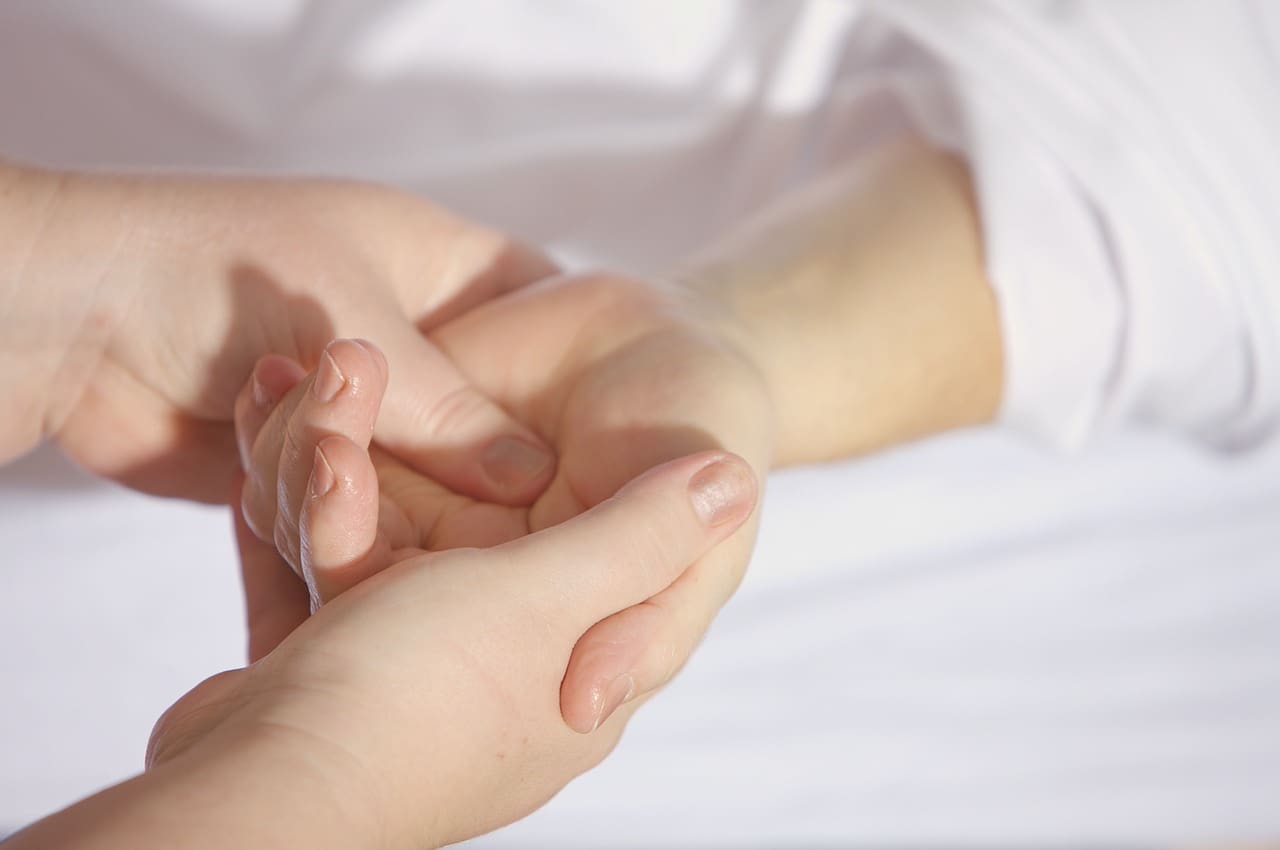
Mindfulness and meditation practices can be powerful tools in trauma recovery. These practices cultivate present-moment awareness, allowing individuals to observe their thoughts and emotions without judgment. By developing a non-reactive and accepting stance towards their experiences, individuals can begin to release the grip of trauma-related distress and find a sense of calm and inner peace.
Yoga and movement therapies
Yoga and movement therapies, such as dance or tai chi, can be beneficial for trauma survivors. These practices promote physical strength, flexibility, and relaxation, while also encouraging self-expression and self-awareness. Engaging in mindful movement can help individuals reconnect with their bodies, release tension, and promote overall well-being.
Art therapy
Art therapy provides a creative outlet for individuals to express their thoughts, emotions, and experiences related to trauma. Through various art forms such as painting, drawing, or sculpting, individuals can explore and process their trauma in a non-verbal and symbolic way. Art therapy can help individuals gain insight, reduce anxiety, and foster self-empowerment and healing.
Animal-assisted therapy
Animal-assisted therapy involves interactions with trained animals to promote emotional healing and well-being. Animals, such as therapy dogs or horses, can provide comfort, support, and a sense of safety for trauma survivors. Engaging with animals can help reduce stress, increase feelings of connection and trust, and improve overall mood and quality of life.
The Role of Nutrition in Trauma Recovery
The mind-body connection is a crucial component in trauma recovery. Nutrition plays a vital role in overall mental health and well-being, and can significantly impact the healing process.

Understanding the mind-body connection
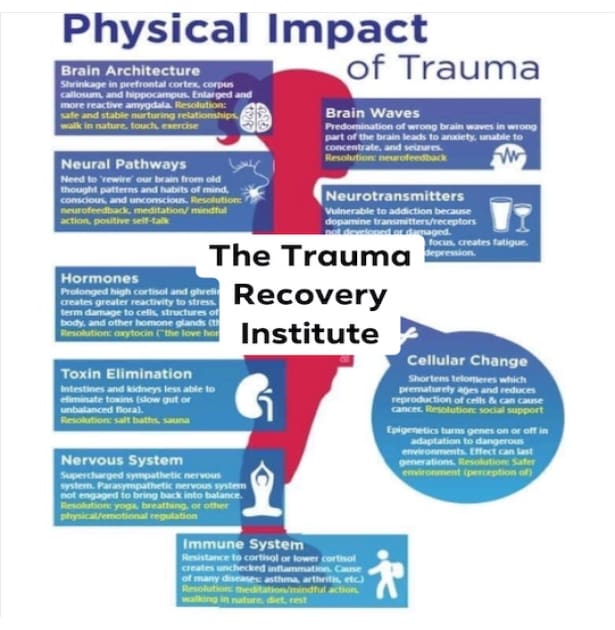
The mind and body are intricately connected, and what we consume directly affects our mental and emotional well-being. Trauma can deplete the body’s resources and disrupt normal biochemical processes. By nourishing the body with proper nutrition, individuals can support their physiological functioning and promote overall healing.
The impact of nutrition on mental health
Research suggests that certain nutrients, such as omega-3 fatty acids, B vitamins, and antioxidants, can positively influence mental health outcomes. These nutrients play a role in neurotransmitter synthesis, hormone regulation, and cellular repair. By maintaining a balanced diet that includes nutrient-rich foods, individuals can support their mental and emotional resilience.
Nutritional therapy for trauma and PTSD recovery
Nutritional therapy involves the use of specific foods, supplements, and dietary interventions to address nutritional imbalances and support the body’s healing processes. A qualified nutritionist or dietitian can assess an individual’s nutritional needs and develop a personalized plan that optimizes overall wellness and aids in trauma and PTSD recovery.
Healing the Body through Body-based Therapies
Body-based therapies recognize the impact of trauma on the physical body and seek to release stored tension and promote physical healing.
Somatic experiencing
Somatic experiencing is a therapeutic approach that focuses on the body’s physiological responses to trauma. By guiding individuals to notice and release physical sensations associated with trauma, somatic experiencing promotes the resolution of trauma-related symptoms. This approach can help individuals reconnect with their body’s natural ability to heal and restore balance.
Massage therapy
Massage therapy can be a soothing and effective treatment for trauma survivors. Massage techniques, such as Swedish massage or deep tissue massage, can help release muscle tension, improve blood circulation, and promote relaxation. Through touch, massage therapy can also foster a sense of safety, trust, and connection, which are vital for trauma recovery.
Acupuncture
Acupuncture is an ancient Chinese practice that involves the insertion of thin needles into specific points on the body. This technique stimulates the body’s energy flow and promotes balance and healing. Acupuncture can help individuals manage symptoms of trauma and PTSD, such as anxiety, insomnia, and chronic pain. It can also support overall well-being and enhance the body’s resilience.
Chiropractic care
Chiropractic care focuses on the alignment of the spine and nervous system, aiming to restore balance and optimize health. Trauma can disrupt the body’s structural integrity, leading to physical distress and discomfort. Chiropractic adjustments can help relieve tension, alleviate pain, and promote the body’s innate healing capacities.
Exploring Alternative Therapies for Trauma Resolution
Alternative therapies offer unique approaches to trauma resolution by activating the body’s natural healing mechanisms and promoting balance and harmony.
Herbal medicine
Herbal medicine involves the use of plant-based remedies to support the body’s healing processes. Certain herbs, such as chamomile, lavender, and valerian root, have calming and relaxing properties that can be beneficial for trauma survivors. Herbal remedies can be used as teas, tinctures, or supplements, under the guidance of a trained herbalist.
Aromatherapy
Aromatherapy utilizes the therapeutic properties of essential oils to enhance overall well-being. Inhalation or topical application of specific essential oils, such as lavender or frankincense, can promote relaxation, reduce anxiety, and improve sleep quality. Aromatherapy can be used in conjunction with other therapeutic approaches to support trauma recovery.
Energy healing
Energy healing modalities, such as Reiki or healing touch, work with the body’s subtle energy systems to restore balance and promote healing. These practices involve the use of gentle touch or the manipulation of energy fields to release energetic blockages and facilitate the flow of healing energy. Energy healing can help individuals process and release trauma-related distress, bringing about a sense of peace and well-being.
Sound therapy
Sound therapy utilizes the therapeutic properties of sound vibrations to promote relaxation and healing. Techniques such as singing bowls or drumming can induce a state of deep relaxation, reduce stress, and support the body’s natural healing processes. Sound therapy can be a soothing and effective adjunct to other therapeutic interventions for trauma resolution.
The Influence of Exercise and Physical Activity
Engaging in regular exercise and physical activity can have significant benefits for trauma survivors, contributing to their overall well-being and aiding in the recovery process.
The benefits of exercise for trauma and PTSD
Exercise has been shown to have numerous benefits for individuals with trauma and PTSD. Physical activity helps regulate stress hormones, improves mood and sleep quality, and reduces symptoms of anxiety and depression. Additionally, exercise promotes the release of endorphins, the body’s natural feel-good chemicals, which can enhance overall well-being.
Types of exercise for trauma recovery
There are various types of exercises that can be beneficial for trauma recovery. Aerobic exercises, such as jogging, cycling, or swimming, promote cardiovascular health and release tension. Strength training exercises, such as weightlifting or resistance training, can build physical strength and empower individuals. Mind-body exercises, such as yoga or tai chi, incorporate relaxation, breathwork, and mindful movement to nurture the mind, body, and spirit.
Social Support and Community Integration
Social support and community integration play a vital role in the recovery and healing process following trauma. The presence of empathetic and understanding individuals can provide comfort, validation, and a sense of belonging.
The importance of social support
Trauma can often lead to feelings of isolation and disconnection from others. Seeking and maintaining social support can counteract these feelings, providing individuals with a supportive network that understands and validates their experiences. Whether through friends, family, support groups, or therapists, social support fosters a sense of belonging and offers opportunities for healing and growth.
Group therapy
Group therapy can be an effective modality for trauma survivors, as it provides a safe and supportive space to share experiences, gain insights, and learn coping strategies. Engaging with others who have had similar experiences can offer a sense of validation and reduce feelings of isolation. Group therapy encourages social interaction, empathy, and mutual support, facilitating the healing process.
Community outreach programs
Community outreach programs provide trauma survivors with access to resources, education, and support within their local communities. These programs can include workshops, support groups, and community initiatives focused on trauma recovery and mental health awareness. Community outreach programs promote a sense of belonging and help individuals connect with others who share similar experiences and struggles.
Integrative Approaches to Trauma and PTSD Treatment
Integrative approaches to trauma and PTSD treatment recognize the value of combining traditional and holistic methods to provide a comprehensive and personalized path to healing.
Combining holistic and traditional methods
Integrative approaches combine the best elements of traditional and holistic methods, offering individuals a comprehensive treatment plan tailored to their unique needs. By incorporating traditional approaches such as medication therapy and cognitive-behavioral therapy with holistic approaches like yoga and nutrition therapy, individuals can address the multifaceted nature of trauma and PTSD.
Creating a personalized treatment plan
A personalized treatment plan is essential for trauma recovery, as each individual’s experiences and needs are unique. Integrative approaches allow for a customized and holistic plan, taking into account an individual’s preferences, goals, and therapeutic modalities that resonate with them. Collaborating with a team of healthcare professionals can ensure an integrated and cohesive approach to healing.
Conclusion and Future Directions
Holistic approaches to resolving trauma and PTSD offer a valuable complement to traditional treatments, promoting a comprehensive and individualized path to healing. The recognition of the mind-body-spirit connection and the importance of addressing all aspects of well-being is crucial in achieving sustainable recovery. Further research and integration of holistic approaches are needed to optimize trauma treatment outcomes and enhance the lives of trauma survivors worldwide.