
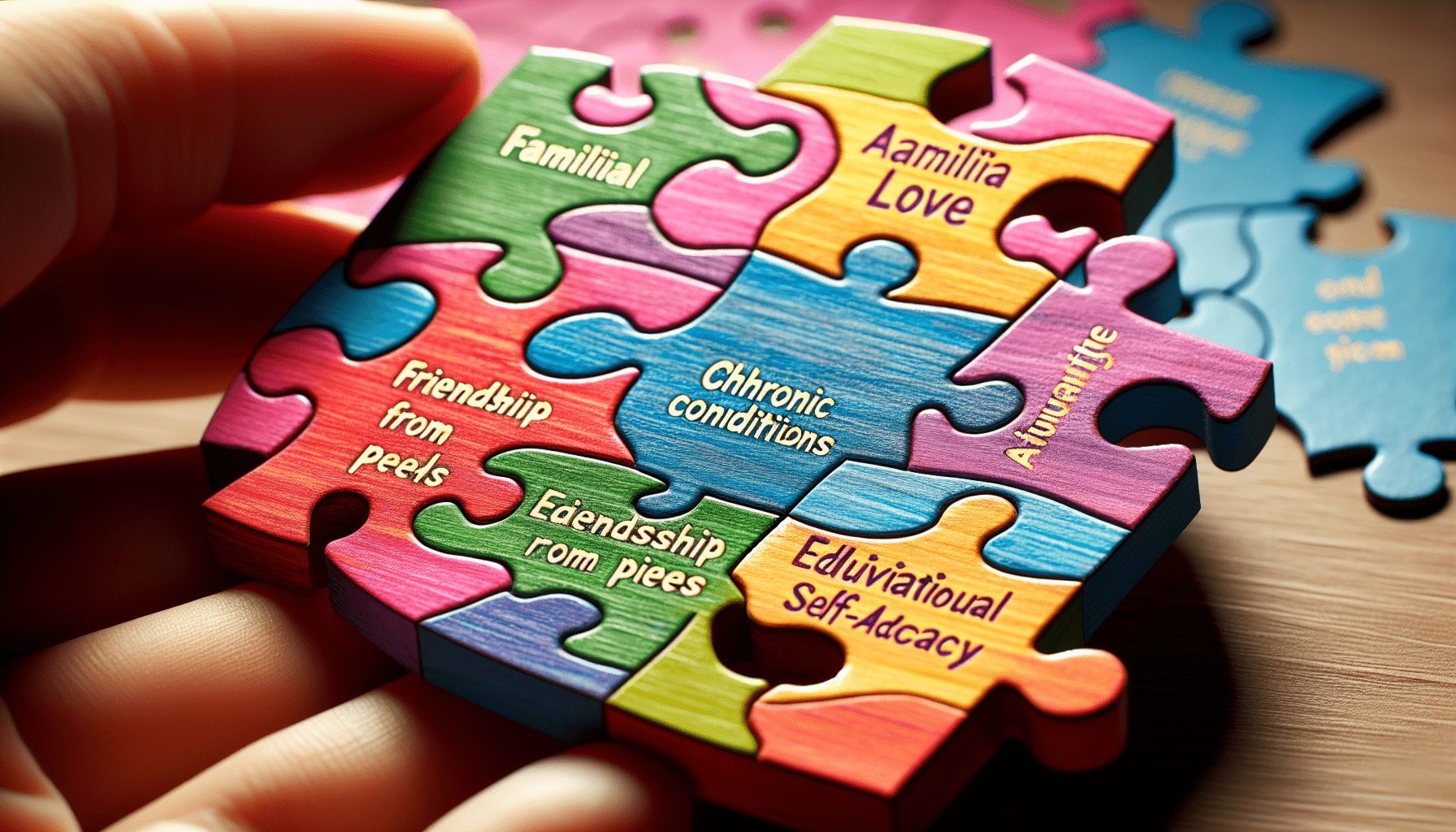
Living with a chronic condition can be challenging, especially for adolescents who are navigating the already tumultuous world of adolescence. In this article, you will discover valuable strategies for providing social and emotional support to help adolescents effectively manage their chronic conditions. From fostering open communication to creating a support network, these strategies aim to empower adolescents and ensure they receive the understanding and care they need on their journey towards health and well-being.
Importance of Social and Emotional Support
Having social and emotional support is crucial for adolescents with chronic conditions as it plays a significant role in enhancing their overall well-being. When young individuals feel supported by their loved ones, peers, and school staff, it positively impacts their mental health and provides a sense of belonging. Furthermore, social and emotional support helps reduce psychological distress and improves coping skills, enabling them to navigate the challenges associated with their chronic condition more effectively.
Building a Supportive Network
Building a supportive network is essential for adolescents with chronic conditions, and it begins with involving family members. Family support is vital as it provides a strong foundation for emotional well-being and encourages open communication. By involving family members in the management of their condition, adolescents feel reassured and less alone in their journey. This can be achieved by educating family members about the condition, involving them in medical appointments, and fostering an environment of understanding and empathy.
In addition to family support, engaging with peers who understand and empathize with their experiences is invaluable for adolescents with chronic conditions. Peers who have gone through similar challenges can provide a unique level of support and companionship. Being part of support groups or engaging in activities that connect them with peers who share their condition can promote a sense of belonging and reduce isolation. Peer support provides an opportunity for adolescents to learn from each other, exchange coping strategies, and build lasting friendships.
Collaborating with school staff is another crucial aspect of building a supportive network for adolescents with chronic conditions. Educators and school staff can contribute to the well-being of these individuals by understanding their unique needs and providing necessary accommodations. School staff can offer emotional support, create inclusive environments, and ensure that necessary medical interventions are in place. Collaboration between the school, the family, and the healthcare provider is vital for the holistic management of the adolescent’s condition.
Teaching Self-Advocacy Skills
Empowering adolescents with chronic conditions through self-advocacy skills is essential for their long-term success. Understanding their conditions and their physical and emotional needs is the first step in becoming effective self-advocates. Adolescents should be encouraged to learn about their conditions, treatment options, and potential challenges, enabling them to articulate their needs more effectively.
Learning to communicate their needs is another vital aspect of self-advocacy. Adolescents can benefit greatly from assertiveness training that teaches them how to express their opinions, assert their boundaries, and effectively communicate with healthcare providers, educators, and peers. By developing communication skills, they can actively participate in discussions about their condition, treatment plans, and educational goals.
Encouraging Healthy Relationships
Adolescents with chronic conditions can greatly benefit from developing positive friendships. Positive friendships provide emotional support, boost self-esteem, and promote a sense of normalcy. Encouraging participation in extracurricular activities or joining clubs related to their interests can facilitate the development of healthy relationships. By engaging in activities they enjoy, adolescents have the opportunity to meet like-minded individuals who can become their support system.
Navigating romantic relationships can also be challenging for adolescents with chronic conditions. Building healthy romantic relationships requires open and honest communication, trust, and empathy. Educating adolescents about healthy relationship dynamics and providing guidance on how to navigate potential challenges specific to their condition is crucial. By equipping them with the necessary skills and knowledge, they can approach romantic relationships with confidence and maintain their emotional well-being.
Limiting negative influences is an important aspect of fostering healthy relationships for adolescents with chronic conditions. Adolescents may face peer pressure or encounter negative influences that can impact their emotional well-being. By educating them about potential negative influences and equipping them with effective decision-making strategies, they can make informed choices and maintain positive relationships.
Addressing Anxiety and Depression
Recognizing the symptoms of anxiety and depression is crucial for adolescents with chronic conditions. Chronic conditions can often lead to increased levels of anxiety and depression due to the challenges and limitations they impose. By identifying symptoms like persistent sadness, changes in sleeping or eating patterns, loss of interest in activities, or feelings of hopelessness, early intervention can be sought.
It is important to seek professional help when symptoms of anxiety and depression arise. Mental health professionals can provide guidance, support, and therapeutic interventions to address these challenges. Adolescents should be encouraged to reach out to psychologists or psychiatrists who specialize in working with individuals with chronic conditions. Seeking professional help can provide adolescents with the tools and strategies they need to manage their mental health effectively.
Exploring therapy options such as cognitive-behavioral therapy (CBT) or dialectical behavior therapy (DBT) can also be beneficial for adolescents with chronic conditions. These therapy approaches can teach adolescents coping skills, help them reframe negative thoughts, and develop healthier emotional regulation strategies. Therapy provides a safe space for adolescents to express their emotions, find support, and work towards improving their emotional well-being.
Promoting Emotional Resilience
Promoting emotional resilience is essential for adolescents with chronic conditions to effectively cope with the challenges they face. Teaching stress management techniques equips adolescents with practical skills to manage stress and reduce its impact. Techniques such as deep breathing exercises, mindfulness, or engaging in activities they enjoy can help alleviate stress and promote emotional well-being.
Encouraging positive thinking is another vital aspect of promoting emotional resilience. By focusing on positive aspects of their lives, adolescents can develop a more optimistic outlook and build mental resilience. Emphasizing strengths, accomplishments, and celebrating small victories can contribute to their overall emotional well-being.
Promoting a growth mindset is also crucial for adolescents with chronic conditions. Encouraging them to view challenges as opportunities for growth and learning can help shift their perspective. By embracing setbacks as learning experiences and maintaining a positive attitude, adolescents can develop emotional resilience that will serve them well throughout their lives.
Peer Support Programs
Peer support programs play a crucial role in the well-being of adolescents with chronic conditions. Peer support offers a unique level of understanding, empathy, and shared experiences that can significantly impact their emotional well-being. Peer support groups provide a safe and supportive environment where adolescents can connect with others facing similar challenges.
The benefits of peer support are numerous. Adolescents can learn from the experiences of their peers, gain valuable insights into managing their conditions, and find reassurance knowing they are not alone. Peer support groups offer a space for adolescents to express their concerns, ask questions, and receive emotional support. By sharing their stories and listening to others, adolescents find comfort and encouragement in their journey.
Creating mentorship opportunities within peer support programs can also be incredibly beneficial for adolescents with chronic conditions. Mentors who have successfully navigated similar challenges can provide guidance, inspiration, and act as role models. Having a mentor can boost self-confidence, provide emotional support, and promote the development of important life skills. Peer support programs that incorporate mentorship opportunities can greatly contribute to the overall well-being of adolescents.
Counseling and Therapy Services
Counseling and therapy services are valuable resources for adolescents with chronic conditions. Individual counseling provides a confidential and safe space for adolescents to discuss their feelings, concerns, and challenges. Mental health professionals can offer guidance, validation, and support, helping adolescents develop coping strategies and improve their emotional well-being.
Family therapy is another important intervention for adolescents with chronic conditions. Family therapy allows for open communication, understanding, and problem-solving within the family unit. It provides an opportunity for family members to express their concerns, learn about the condition, and develop strategies to support the adolescent effectively. Family therapy sessions can strengthen family bonds, improve communication, and foster a supportive environment.
Group therapy offers a unique perspective for adolescents with chronic conditions. Being part of a group where individuals face similar challenges allows for validation, connection, and the opportunity to learn from others. Group therapy sessions provide a space for adolescents to share their experiences, receive feedback, and develop coping skills. Group therapy can enhance social skills, improve self-esteem, and promote emotional well-being.
Educational Support Strategies
Education plays a crucial role in the lives of adolescents with chronic conditions, and implementing the right support strategies is vital for their academic success. Accommodations and modifications can be implemented to ensure equal access to education for individuals with chronic conditions. These accommodations may include extra time for assignments or tests, access to assistive technology, or modified physical activities.
Developing individualized education plans (IEPs) is an effective way to address the unique needs of adolescents with chronic conditions. IEPs outline specific goals, accommodations, and support services required to help the adolescent succeed academically. Collaboration between educators, medical professionals, and the adolescent’s family ensures that the IEP reflects their individual needs and sets them up for success.
Promoting academic success goes beyond accommodations and modifications. It involves fostering a supportive and inclusive environment where adolescents feel valued, supported, and understood. Educators can provide emotional support, offer additional resources, and create opportunities for open dialogue about their condition. Promoting academic success is a collaborative effort that requires understanding, empathy, and adaptability.
Providing Resources and Information
Access to reliable information is crucial for adolescents with chronic conditions. It empowers them to make informed decisions and actively participate in managing their health. Providing access to reputable sources of information ensures that adolescents have accurate and up-to-date knowledge about their condition, treatments, and potential lifestyle modifications.
Connecting with support organizations dedicated to specific chronic conditions can be immensely beneficial for adolescents and their families. These organizations offer a wealth of resources, support groups, and educational materials that cater specifically to the needs of individuals with chronic conditions. Being connected with support organizations allows adolescents to access a network of experts, peer support, and additional resources to enhance their well-being.
Online support communities provide a convenient and accessible way for adolescents with chronic conditions to connect with others. These communities offer a platform for sharing experiences, seeking advice, and providing support. However, it is important to ensure that these online communities are moderated and provide accurate information to maintain a safe and reliable space for adolescents to connect.
In conclusion, social and emotional support plays a vital role in managing chronic conditions in adolescents. By building a supportive network, teaching self-advocacy skills, encouraging healthy relationships, addressing anxiety and depression, promoting emotional resilience, utilizing peer support programs, accessing counseling and therapy services, implementing educational support strategies, and providing resources and information, adolescents can navigate their condition more effectively and improve their overall well-being. With the right support systems in place, adolescents can thrive both emotionally and academically, ensuring a brighter future.