
In this article, you will discover key insights into holistic approaches that can help support your metabolic health and effectively manage your weight. By taking a comprehensive view of your overall well-being, these approaches aim to address not just your physical health, but also your mental, emotional, and spiritual aspects. Through a combination of mindful eating, regular exercise, stress management, and personalized lifestyle modifications, you can embark on a holistic journey towards achieving optimal metabolic health and sustainable weight management. Ready to explore these transformative approaches? Let’s dive in!
Understanding Metabolic Health
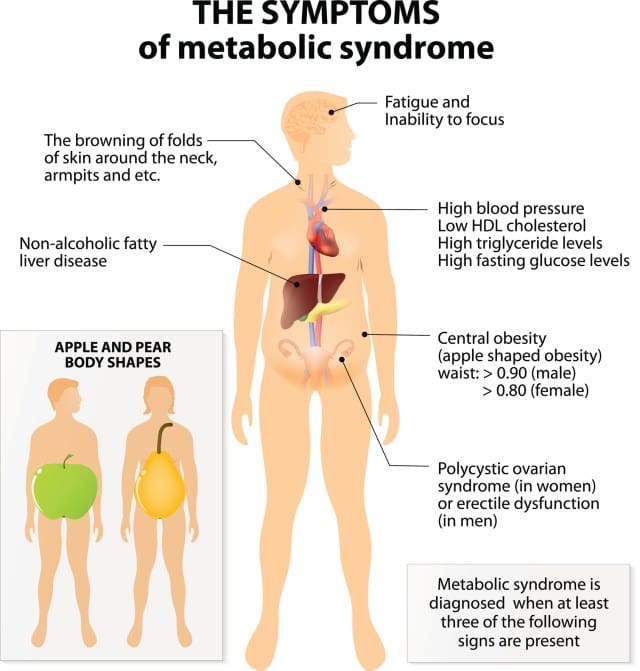
Metabolic health refers to the body’s ability to efficiently process and utilize energy from food. It encompasses various factors, including insulin sensitivity, blood lipid levels, blood pressure, and body composition. Essentially, it reflects how well your metabolism is functioning.
Why is Metabolic Health Important for Weight Management?
Maintaining optimal metabolic health is crucial for effective weight management. When your metabolism is functioning optimally, your body can efficiently convert the food you consume into energy, rather than storing it as fat. This helps prevent weight gain and promotes weight loss when combined with a caloric deficit.
Factors Affecting Metabolic Health
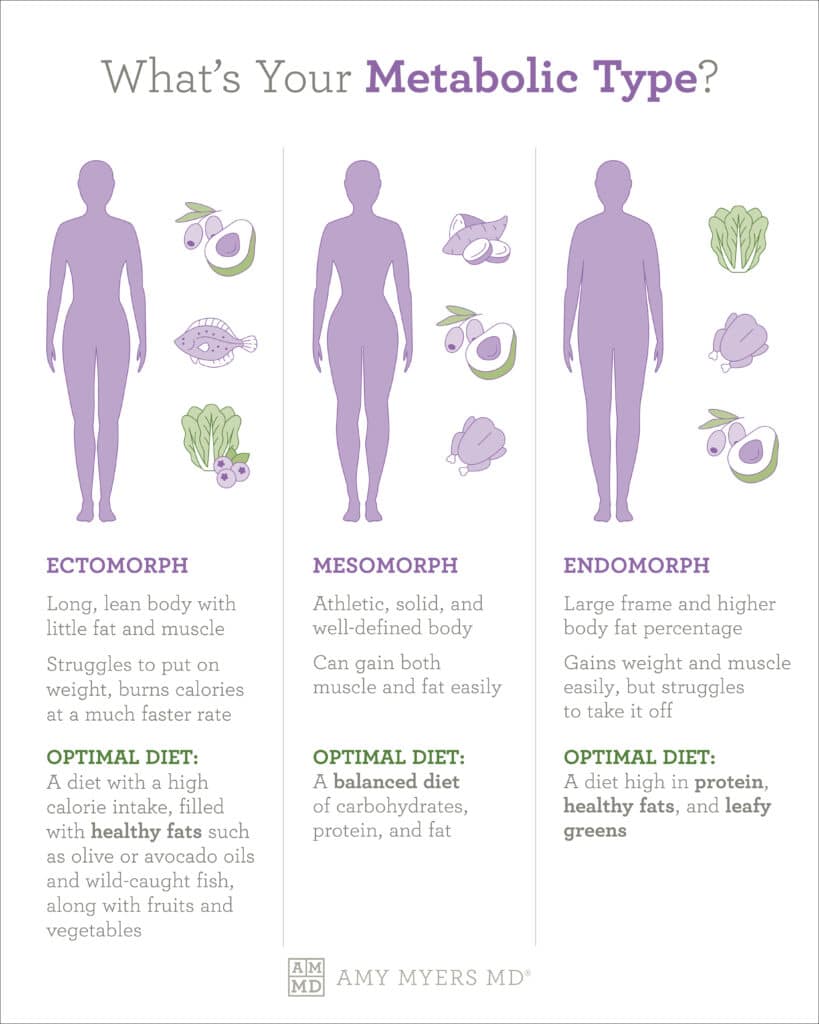
Several factors can influence metabolic health, including genetics, age, gender, and lifestyle choices. A sedentary lifestyle, poor dietary habits, chronic stress, and lack of sleep can negatively impact metabolic health. It is essential to address these factors to support optimal metabolic function.
Key Principles of Holistic Approaches
Holistic approaches focus on addressing the interconnectedness of various aspects of health to achieve overall well-being. When it comes to metabolic health and weight management, holistic approaches emphasize the following key principles:
Taking a Whole-Body Approach
Instead of solely focusing on weight loss, holistic approaches recognize the importance of prioritizing overall health. They encourage individuals to pay attention to all aspects of their well-being, including physical, mental, and emotional health.
Balancing Nutrition and Physical Activity
Holistic approaches recognize the significance of maintaining a balance between nutrition and physical activity. A healthy diet coupled with regular exercise can help support metabolic health by promoting the efficient use of energy and preventing the accumulation of excess fat.
Addressing Underlying Causes
Rather than solely addressing the symptoms, holistic approaches aim to identify and address the underlying causes of metabolic health issues. This can involve identifying and managing chronic stress, improving sleep habits, and addressing any hormonal imbalances or medical conditions that may be affecting metabolic function.
Promoting Self-Care and Stress Management
Stress can have a significant impact on metabolic health and weight management. Holistic approaches emphasize the importance of self-care practices such as mindfulness, relaxation techniques, and adequate sleep to manage stress levels effectively.

Dietary Strategies for Metabolic Health
Eating a healthy and balanced diet is essential for supporting optimal metabolic health. Here are some dietary strategies to consider:
Emphasizing Whole, Unprocessed Foods
Focusing on whole, unprocessed foods can provide the body with essential nutrients while minimizing excess sugars, unhealthy fats, and artificial additives. These foods include fruits, vegetables, whole grains, lean proteins, and healthy fats.
Balancing Macronutrients
A well-balanced diet should include an appropriate ratio of macronutrients: carbohydrates, proteins, and fats. The ideal ratio can vary depending on individual needs and goals. However, generally, a diet rich in whole grains, lean proteins, and healthy fats is beneficial for metabolic health.
Incorporating Fiber-Rich Foods
Fiber plays a vital role in metabolic health by promoting healthy digestion, maintaining stable blood sugar levels, and aiding in weight management. Including fiber-rich foods such as fruits, vegetables, whole grains, and legumes can support optimal metabolic function.
Limiting Added Sugars and Refined Carbohydrates
Excessive consumption of added sugars and refined carbohydrates can lead to imbalances in blood sugar levels, insulin resistance, and weight gain. Limiting the intake of sugary beverages, processed snacks, and refined grains can help support metabolic health.
Including Adequate Protein
Protein is essential for supporting metabolic health and promoting satiety. Including adequate protein from sources such as lean meats, fish, eggs, legumes, and dairy products can help maintain muscle mass, support weight management, and enhance metabolic function.
Physical Activity and Exercise
Engaging in regular physical activity is vital for supporting metabolic health and weight management. Here are some key considerations:
Benefits of Regular Physical Activity
Regular exercise offers numerous benefits for metabolic health, including improved insulin sensitivity, increased calorie expenditure, enhanced cardiovascular health, and improved mood. It can also help build lean muscle mass, which further supports metabolic function.
Types of Exercise for Metabolic Health
Incorporating a combination of aerobic exercises, strength training, and flexibility exercises can optimize metabolic health. Cardiovascular exercises, such as brisk walking, running, or cycling, can help burn calories and improve cardiovascular health. Strength training exercises, including weightlifting, can help build muscle and boost metabolism.
Finding Enjoyable Activities
Choosing physical activities that you enjoy not only makes exercise more enjoyable but also increases the likelihood of sticking with a regular exercise routine. Experiment with different activities, such as dance, yoga, hiking, or swimming, to find what brings you joy while allowing you to stay active.
Incorporating Movement Throughout the Day
In addition to structured exercise sessions, incorporating movement throughout the day is essential for promoting metabolic health. Simple habits like taking frequent breaks to stretch, opting for stairs instead of elevators, or going for short walks can make a significant difference in overall activity levels.

Stress Management and Sleep
Managing stress levels and prioritizing quality sleep are integral components of holistic approaches to metabolic health and weight management. Consider the following:
Impact of Stress on Metabolism and Weight
Chronic stress can disrupt metabolic function, leading to imbalances in hormones, increased appetite, and weight gain. It can also contribute to emotional eating and poor sleep quality, further exacerbating these issues.
Techniques for Managing Stress
Incorporating stress management techniques such as mindfulness meditation, deep breathing exercises, yoga, or engaging in hobbies can help reduce stress levels. Additionally, seeking social support, practicing time management, and setting realistic goals can also contribute to better stress management.
Importance of Quality Sleep
Adequate and quality sleep is crucial for supporting optimal metabolic health and weight management. Lack of sleep can negatively impact hormones involved in appetite regulation, increase cravings for high-calorie foods, and decrease overall energy expenditure.
Tips for Improving Sleep Hygiene
To promote better sleep hygiene, establish a consistent sleep routine, create a relaxing sleep environment, limit exposure to electronic devices before bed, and avoid caffeine and stimulating activities close to bedtime. Practicing relaxation techniques, such as gentle stretching or guided meditation, can also help prepare the body for sleep.
Supportive Supplements and Herbs
While a healthy diet and lifestyle form the foundation of metabolic health, some supplements and herbs may offer additional support. It is important to consult with a healthcare professional before starting any supplementation regimen. Some options to consider include:
Consulting with a Healthcare Professional
Before considering any supplements or herbs, it is crucial to consult with a healthcare professional who can assess your individual needs and guide you towards the most appropriate options.
Potential Supplements for Metabolic Health
Certain supplements, such as omega-3 fatty acids, probiotics, green tea extract, and chromium picolinate, have shown potential in supporting metabolic health. However, their efficacy and suitability may vary from person to person.
Popular Herbs Used for Weight Management
Some herbs, such as green tea, ginger, cinnamon, and black pepper, have been traditionally used for weight management. While these herbs may offer some benefits, it is essential to understand their potential interactions and consult with a healthcare professional.

Mindful Eating and Behavior Change
Practicing mindful eating and making lasting behavior changes are important aspects of holistic approaches to metabolic health and weight management. Consider the following:
Practicing Mindful Eating
Mindful eating involves paying attention to the present moment while eating, savoring each bite, and being attentive to hunger and fullness cues. This practice helps foster a healthier relationship with food, reduce emotional eating, and promote better digestion.
Identifying Emotional Eating Triggers
Emotional eating often stems from stress, boredom, or other emotional triggers. Identifying these triggers and finding alternative coping mechanisms, such as engaging in hobbies, talking to a friend, or practicing relaxation techniques, can help break the cycle of emotional eating.
Developing Healthier Habits and Routines
To support long-term metabolic health, focus on developing healthier habits and routines. This can involve planning meals in advance, setting realistic goals, prioritizing self-care activities, and seeking professional support when needed.
Environmental Factors
Environmental factors, such as exposure to toxins, can impact metabolic health and weight management. Consider the following:
The Impact of Environmental Toxins
Exposure to environmental toxins, such as air pollutants, endocrine disruptors, and pesticides, may contribute to metabolic dysfunction and weight gain. Minimizing exposure to these toxins by choosing organic produce, using natural cleaning products, and improving indoor air quality can support metabolic health.
Promoting a Clean and Healthy Environment
Creating a clean and healthy environment goes beyond minimizing exposure to toxins. It involves fostering a positive and supportive atmosphere that promotes healthy habits, such as regular exercise, nutritious eating, and stress management.

Building a Support System
Having a strong support system can significantly impact your ability to maintain metabolic health and achieve weight management goals. Consider the following:
The Importance of a Support System
A supportive network of individuals who share similar health goals can provide encouragement, accountability, and guidance. They can offer emotional support during challenging times and celebrate successes along the way.
Finding Like-Minded Individuals
Seek out like-minded individuals who prioritize their health and are motivated to make positive changes. Joining fitness classes, local community groups, or online forums can help you connect with individuals who can provide valuable support and motivation.
Seeking Professional Guidance
In addition to a peer support system, consider seeking professional guidance from healthcare providers, registered dieticians, or certified fitness professionals. They can provide expert advice, personalized recommendations, and ongoing support to help you achieve your metabolic health and weight management goals.
Measuring Progress and Adjusting Approaches
Monitoring your progress and adjusting your approaches based on individual needs are key components of successful metabolic health and weight management. Consider the following:
Tracking Relevant Health Markers
Regularly monitoring health markers, such as body weight, body composition, blood pressure, blood sugar levels, and cholesterol levels, can provide valuable insights into your metabolic health. Tracking these markers allows you to identify areas that may need attention and make necessary adjustments.
Modifying Approaches Based on Individual Needs
Metabolic health and weight management strategies are not one-size-fits-all. It is essential to listen to your body, assess your progress, and adapt your approaches based on what works best for you. Be open to trying different strategies and continually fine-tune your approach to support optimal metabolic function.
Celebrating Successes Along the Way
Recognize and celebrate even the smallest successes along your metabolic health and weight management journey. Whether it’s losing a pound, increasing your exercise endurance, or making healthier food choices, acknowledging these achievements can boost motivation and inspire continued progress.
In conclusion, supporting metabolic health and achieving weight management involves taking a comprehensive and holistic approach. By addressing various factors, such as nutrition, physical activity, stress management, sleep, environmental factors, and building a support system, you can optimize your metabolic health and work towards your weight management goals. Remember to prioritize self-care, seek professional guidance when needed, and celebrate your progress along the way.