
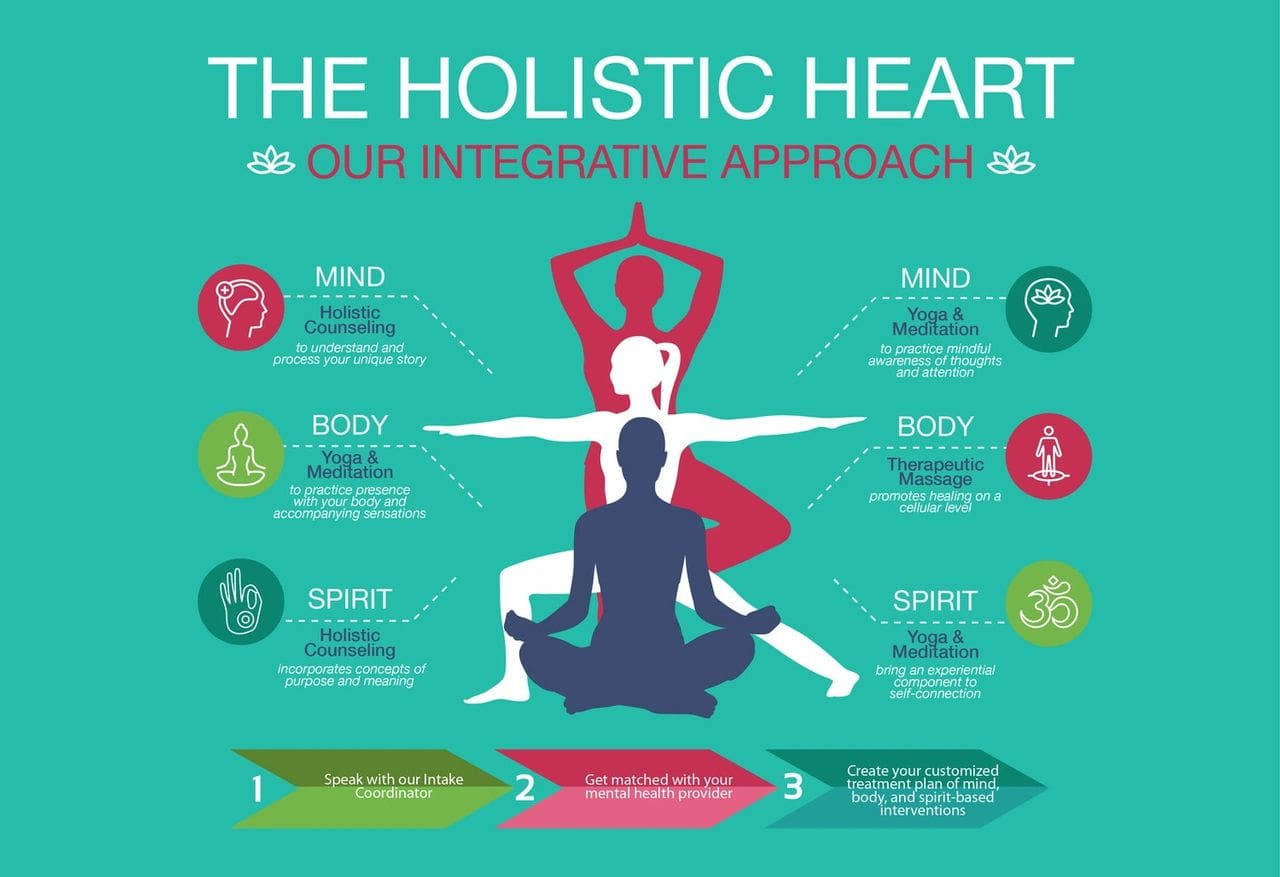
In the world of health and wellness, holistic healing has become increasingly popular. But what exactly does it mean? Holistic healing is a comprehensive approach that focuses on treating the whole person – mind, body, and spirit – rather than just the symptoms of a specific ailment. By addressing the underlying causes and imbalances within the body, holistic healing aims to promote overall wellbeing and restore harmony. In this article, we will explore the key principles of holistic healing and how they can positively impact your health journey. So, get ready to embark on a holistic healing adventure that may transform your life from the inside out.
1. Mind-Body Connection
Understanding the Interconnection of Mind and Body
The mind and body are not separate entities but rather deeply interconnected. The thoughts and emotions we experience can have a profound impact on our physical well-being. Understanding this interconnection is crucial to achieving holistic healing. When we are stressed, anxious, or overwhelmed, our bodies tend to respond with physical symptoms such as headaches, tense muscles, or stomachaches. The mind-body connection works in both directions; physical ailments can also affect our mental and emotional state. By recognizing and honoring this connection, we can take steps towards achieving optimal health and well-being.
Importance of Emotional Well-being in Holistic Healing
Emotional well-being plays a critical role in holistic healing. When we prioritize and nurture our emotional health, we create a solid foundation for overall well-being. Negative emotions such as anger, sadness, or fear can contribute to physical ailments and hinder the healing process. By addressing and processing these emotions, we can support our body’s natural ability to heal. Techniques such as therapy, journaling, or practicing self-compassion play a vital role in promoting emotional well-being and facilitating holistic healing.
Using Mind-Body Techniques for Healing
Mind-body techniques focus on harnessing the power of the mind to promote healing in the body. These techniques include practices such as meditation, deep breathing exercises, visualization, and guided imagery. By incorporating these practices into our daily lives, we can tap into our body’s innate healing abilities. Meditation, for example, helps calm the mind, reduce stress, and cultivate a sense of inner peace. By dedicating time to these mind-body techniques, we can enhance our overall well-being and support the healing process.
2. Individualized Approach
Recognizing the Uniqueness of Each Individual
Every individual is unique, with their own set of experiences, beliefs, and needs. Holistic healing recognizes and honors this uniqueness by taking an individualized approach. Rather than applying a one-size-fits-all approach, holistic healing tailors healing practices to the personal needs of each individual. What works for one person may not work for another, and understanding this allows for a more comprehensive and effective healing process.
Tailoring Healing Practices to Personal Needs
By acknowledging the specific needs of each individual, holistic healing can target the root causes of health issues instead of just treating the symptoms. This approach may involve a combination of different modalities, such as nutritional adjustments, lifestyle changes, energy work, or therapy. By tailoring healing practices to individual needs, we can create a more holistic and personalized healing journey.
Considering Physical, Mental, Emotional, and Spiritual Aspects
Holistic healing recognizes that optimal health encompasses more than just the physical body. It takes into account the mental, emotional, and spiritual aspects of an individual. Healing is not limited to addressing physical ailments but also involves addressing mental and emotional imbalances, as well as nurturing the spiritual well-being. By considering all these aspects, holistic healing promotes a comprehensive approach to well-being, fostering balance and harmony in all areas of life.
3. Prevention and Balance
Emphasizing Prevention over Cure
In the realm of holistic healing, prevention is key. Rather than waiting for symptoms or illnesses to manifest, the focus is on proactive measures to maintain and promote overall health. This involves making conscious choices that support physical, mental, and emotional well-being. Holistic healing encourages adopting healthy lifestyle practices, engaging in regular exercise, eating a balanced diet, managing stress, and seeking preventive healthcare measures. By prioritizing prevention, we can reduce the likelihood of developing chronic conditions and foster long-term well-being.
Maintaining Balance in All Areas of Life
Balance is a fundamental principle of holistic healing. By achieving a sense of equilibrium in all areas of life, we can support our overall well-being. Holistic healing recognizes that an imbalance in one area of life can affect other aspects of our health. For example, excessive stress in our work or personal life can manifest as physical symptoms or emotional distress. By striving for balance in areas such as work, relationships, leisure, and self-care, we can create a harmonious and supportive foundation for holistic healing.
Preventive Measures for Mental and Emotional Well-being
Just as physical health requires preventive measures, so does mental and emotional well-being. Holistic healing emphasizes the importance of proactive practices to maintain mental and emotional balance. This may involve activities such as practicing mindfulness, engaging in creative pursuits, seeking therapy or counseling, maintaining healthy relationships, and cultivating a supportive social network. By taking preventive measures for mental and emotional health, we can foster resilience, emotional well-being, and overall holistic healing.
4. Holistic Lifestyle
Incorporating Healthy Habits for Overall Well-being
A holistic lifestyle involves adopting healthy habits that support overall well-being. This includes making conscious choices related to nutrition, exercise, sleep, stress management, and self-care. Nutrition plays a crucial role in providing the body with the necessary nutrients for optimal functioning. A balanced diet consisting of whole foods, fruits, vegetables, and lean proteins nourishes the body from within. Regular exercise helps improve physical fitness, boosts mood, and reduces stress. Prioritizing quality sleep supports brain function, immune health, and emotional well-being. By incorporating these healthy habits into our lives, we can create a solid foundation for holistic healing.
Promoting a Balanced Diet and Regular Exercise
A balanced diet and regular exercise are pillars of a holistic lifestyle. By nourishing our bodies with wholesome foods and engaging in physical activity, we support our overall well-being. Choosing nutrient-dense foods rich in vitamins, minerals, and antioxidants helps provide the body with the necessary building blocks for optimal health. Regular exercise promotes cardiovascular health, strengthens muscles and bones, reduces stress, and improves mental well-being. By adopting a balanced diet and incorporating exercise into our daily routine, we can optimize our physical health and support holistic healing.
Practicing Mindfulness and Stress Reduction Techniques
In today’s fast-paced world, stress and overwhelm can take a toll on our overall well-being. Holistic healing encourages the practice of mindfulness and stress reduction techniques to promote relaxation and inner peace. Mindfulness involves being fully present in the moment, cultivating awareness, and accepting things as they are. This practice helps promote mental clarity, reduce anxiety, and improve overall emotional well-being. Additionally, incorporating stress reduction techniques such as deep breathing exercises, yoga, or engaging in hobbies can help alleviate the negative effects of stress and support holistic healing.
5. Energy Medicine
Understanding the Importance of Energy Flow in Healing
Energy medicine recognizes that the body is not just composed of physical matter, but also energy. The flow of energy throughout the body is crucial for maintaining optimal health. When the energy becomes blocked or disrupted, it can manifest as physical, mental, or emotional imbalances. Energy medicine seeks to restore the natural flow of energy, promoting healing and well-being. Techniques such as Reiki, acupuncture, and other energy-based modalities aim to remove energy blockages, balance the body’s energy centers, and promote overall holistic healing.
Exploring Alternative Therapies like Reiki and Acupuncture
Alternative therapies such as Reiki and acupuncture have gained popularity in the realm of holistic healing. Reiki is a Japanese technique that uses the practitioner’s hands to channel energy into the recipient’s body, promoting relaxation, stress reduction, and healing. Acupuncture, on the other hand, involves the insertion of thin needles into specific points on the body to stimulate energy flow and restore balance. These alternative therapies offer non-invasive and natural approaches to promoting holistic healing by addressing the energy imbalances within the body.
Using Energy Medicine for Holistic Healing
Energy medicine encompasses a wide range of modalities and practices aimed at restoring the body’s energy balance for holistic healing. These modalities include practices such as chakra healing, crystal therapy, sound therapy, and biofield therapies. By using energy medicine, individuals can tap into the body’s innate ability to heal itself. These practices can support physical, mental, and emotional well-being, promoting overall holistic healing and balance.
6. Interconnectedness with Nature
Recognizing the Healing Power of Nature
Nature has a profound healing effect on the mind, body, and spirit. Being in nature allows us to connect with something larger than ourselves and tap into its restorative power. Research has shown that spending time in nature can reduce stress, improve mood, boost immunity, and enhance overall well-being. Recognizing the healing power of nature and incorporating it into our daily lives fosters holistic healing and a sense of connection with the world around us.
Engaging in Activities that Connect with the Natural World
Engaging in activities that connect us with the natural world is an essential aspect of holistic healing. This may involve activities such as hiking, gardening, spending time at the beach, or simply immersing ourselves in the beauty of natural landscapes. By immersing ourselves in nature, we can recharge our energy, reduce stress, and gain a fresh perspective on life. This connection with the natural world not only supports our well-being but also reminds us of our interdependence with all living beings.
Ecotherapy as a Means of Holistic Healing
Ecotherapy, also known as nature therapy or green therapy, is a branch of holistic healing that specifically focuses on the healing benefits of nature. It encompasses practices such as wilderness therapy, horticultural therapy, and animal-assisted therapy. Ecotherapy recognizes the reciprocal relationship between humans and nature and utilizes the natural environment as a therapeutic tool. Whether it’s walking in the woods, tending to a garden, or interacting with animals, ecotherapy provides opportunities for individuals to connect with nature and promote their overall well-being.
7. Integration of Traditional and Alternative Medicine
Blending Conventional Medicine with Complementary Therapies
Holistic healing recognizes the value of both conventional medicine and complementary therapies. It encourages the integration of these approaches to provide comprehensive and individualized care. Conventional medicine focuses on diagnosing and treating diseases using techniques such as medications, surgery, and other medical interventions. Complementary therapies, on the other hand, encompass a wide range of practices and modalities that can be used alongside conventional treatments to support healing. By blending the two, individuals can benefit from the strengths of each approach and achieve holistic healing.
Exploring the Benefits of Herbal Remedies and Supplements
In addition to conventional medicine, herbal remedies and supplements have been used for centuries to support health and well-being. Holistic healing recognizes the potential benefits of these natural remedies and explores their use in conjunction with conventional treatments. Herbal remedies, such as herbal teas, tinctures, or herbal supplements, can provide additional support for overall health. Supplements, such as vitamins and minerals, can help fill nutritional gaps and support specific health goals. By exploring the benefits of herbal remedies and supplements, individuals can make informed choices that align with their holistic healing journey.
Making Informed Choices for Holistic Healing
When it comes to holistic healing, making informed choices is crucial. This involves gathering information, conducting research, and consulting with healthcare professionals. By actively seeking knowledge about different modalities, treatments, and approaches, individuals can make informed decisions that align with their personal beliefs and needs. This combination of conventional and complementary approaches allows individuals to take charge of their healing journey and select the modalities that resonate with them, ensuring a well-rounded and comprehensive approach to holistic healing.
8. Emotional Healing
Acknowledging the Impact of Emotional Trauma on Health
Emotional trauma can have a profound impact on an individual’s physical, mental, and emotional well-being. Unresolved emotional trauma can manifest as chronic pain, anxiety, depression, or other physical and mental health issues. Holistic healing recognizes the importance of addressing and healing emotional wounds to support overall well-being. By acknowledging the impact of emotional trauma on health and seeking appropriate support, individuals can embark on a journey of emotional healing, paving the way for holistic well-being.
Using Techniques like Therapy and Emotional Freedom Technique (EFT)
Therapy and Emotional Freedom Technique (EFT) are powerful tools for addressing and resolving emotional trauma. Therapists provide a safe and non-judgmental space for individuals to explore their emotions, gain insights, and develop coping strategies. EFT, also known as tapping, combines focused attention on specific emotions with the gentle tapping of acupressure points. This technique helps to release emotional blockages and promote emotional healing. By utilizing these techniques, individuals can engage in the process of emotional healing, leading to a more holistic sense of well-being.
Promoting Emotional Healing for Holistic Well-being
Promoting emotional healing is a key component of holistic well-being. It involves acknowledging, processing, and releasing emotions that may be hindering overall health. This can be achieved through various practices such as mindfulness, journaling, art therapy, or expressive movement. By promoting emotional healing, individuals can experience greater self-awareness, emotional resilience, and overall holistic well-being.
9. Spirituality and Mindfulness
Recognizing the Role of Spirituality in Healing
Spirituality plays a significant role in holistic healing. It involves developing a connection with something greater than oneself and recognizing the inherent interconnection of all beings. Spirituality can take many forms, including religious practices, meditation, prayer, or engaging in activities that promote a sense of transcendence. Recognizing the role of spirituality in healing allows individuals to tap into their inner resources, find meaning and purpose, and foster a sense of well-being and interconnectedness.
Incorporating Mindfulness Practices for Self-awareness
Mindfulness is a practice that involves paying attention to the present moment with openness, curiosity, and non-judgment. By incorporating mindfulness practices into our daily lives, we cultivate self-awareness and promote overall well-being. Mindfulness allows us to observe our thoughts, emotions, and bodily sensations without attachment or judgment. This practice helps us develop a deeper understanding of ourselves, our reactions, and our patterns. By fostering self-awareness through mindfulness, we can make conscious choices that support holistic healing.
Exploring Meditation and Prayer as Healing Tools
Meditation and prayer are powerful tools for promoting holistic healing. These practices offer moments of stillness, introspection, and connection with the divine. Meditation involves quieting the mind and turning inward, allowing for a deeper connection with oneself and the world around us. Prayer, on the other hand, involves reaching out to a higher power or divine presence, seeking guidance, healing, and support. Both meditation and prayer can provide a sense of peace, clarity, and spiritual nourishment, contributing to overall holistic well-being.
10. Holistic Healthcare Team
Collaborating with Different Healthcare Professionals
Holistic healing recognizes the value of collaboration and teamwork when it comes to healthcare. Building a holistic healthcare team involves working with different healthcare professionals who specialize in various modalities. This may include conventional medical doctors, naturopaths, acupuncturists, chiropractors, therapists, nutritionists, and energy healers. By collaborating with a diverse team, individuals can receive comprehensive and integrative care that addresses all aspects of their well-being.
Building a Supportive and Integrative Healthcare Network
Building a supportive and integrative healthcare network is crucial for holistic healing. This network consists of healthcare professionals who work together to provide personalized and comprehensive care. The collaboration between professionals ensures that all aspects of an individual’s health are addressed, supporting the mind, body, and spirit. By fostering a supportive and integrative healthcare network, individuals can access the resources and expertise necessary to support their holistic healing journey.
Seeking Experts in Various Holistic Modalities
When seeking holistic healing, it is important to seek experts in various holistic modalities. These experts have a deep understanding of their respective fields and can provide guidance and support tailored to an individual’s needs. Whether it’s acupuncture, herbal medicine, energy healing, or therapy, seeking out experts ensures that individuals receive the highest quality care. By working with experts in various holistic modalities, individuals can optimize their healing journey and experience the full benefits of holistic healing.
In summary, holistic healing encompasses a comprehensive approach to well-being. By understanding the interconnection of mind and body, tailoring healing practices to personal needs, and emphasizing prevention and balance, we can support holistic well-being. By incorporating a holistic lifestyle, exploring energy medicine, recognizing our interconnectedness with nature, and integrating traditional and alternative medicine, we can achieve optimal health. By acknowledging the impact of emotional trauma, incorporating spirituality and mindfulness, and building a supportive healthcare network, we can promote holistic healing. In embracing these key principles of holistic healing, we can embark on a transformative journey towards greater well-being and wholeness.