

Have you ever wondered about the incredible power of the mind-body connection? In this article, we will explore the fascinating realm of holistic healing and delve into the intricate relationship between our thoughts and emotions, and their impact on our physical well-being. By understanding this connection, we can unlock the potential to achieve true harmony and balance in our lives. So sit back, relax, and prepare to embark on a journey of self-discovery and transformation as we explore the wonders of holistic healing.
What is Holistic Healing?
Definition of Holistic Healing
Holistic healing is an approach to healthcare that considers the whole person – mind, body, and spirit – rather than just focusing on the individual symptoms or conditions. It recognizes the interconnectedness of these aspects and seeks to promote balance and harmony within the individual. Holistic healing aims to address the root causes of health issues, rather than simply treating the symptoms, and takes into account a person’s lifestyle, emotions, and environment.
History of Holistic Healing
Holistic healing has been practiced for centuries, with roots in ancient civilizations such as China and India. Traditional healing systems like Traditional Chinese Medicine (TCM) and Ayurveda have long embraced the principles of holistic healing. These systems view health as a state of balance and harmony, and use various techniques to restore that balance. In more recent times, holistic healing has gained traction in the Western world as an alternative or complementary approach to conventional medicine.
Principles of Holistic Healing
Holistic healing is guided by several principles. First and foremost, it recognizes the inherent healing power of the body and seeks to support and enhance it. It takes a proactive and preventive approach to healthcare, focusing on overall wellness and maintaining balance to prevent illness. Holistic healing emphasizes the importance of addressing the root causes of health issues rather than simply treating the symptoms. It also recognizes the role of the individual’s lifestyle, emotions, and environment in their overall well-being.
The Mind-Body Connection
Understanding the Mind-Body Connection
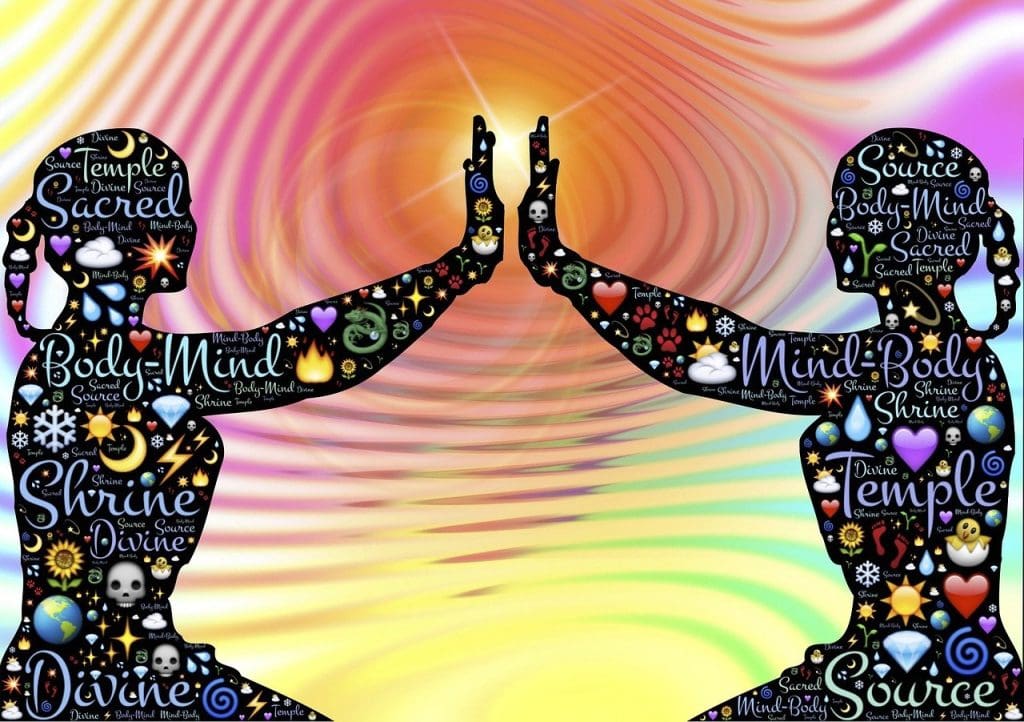
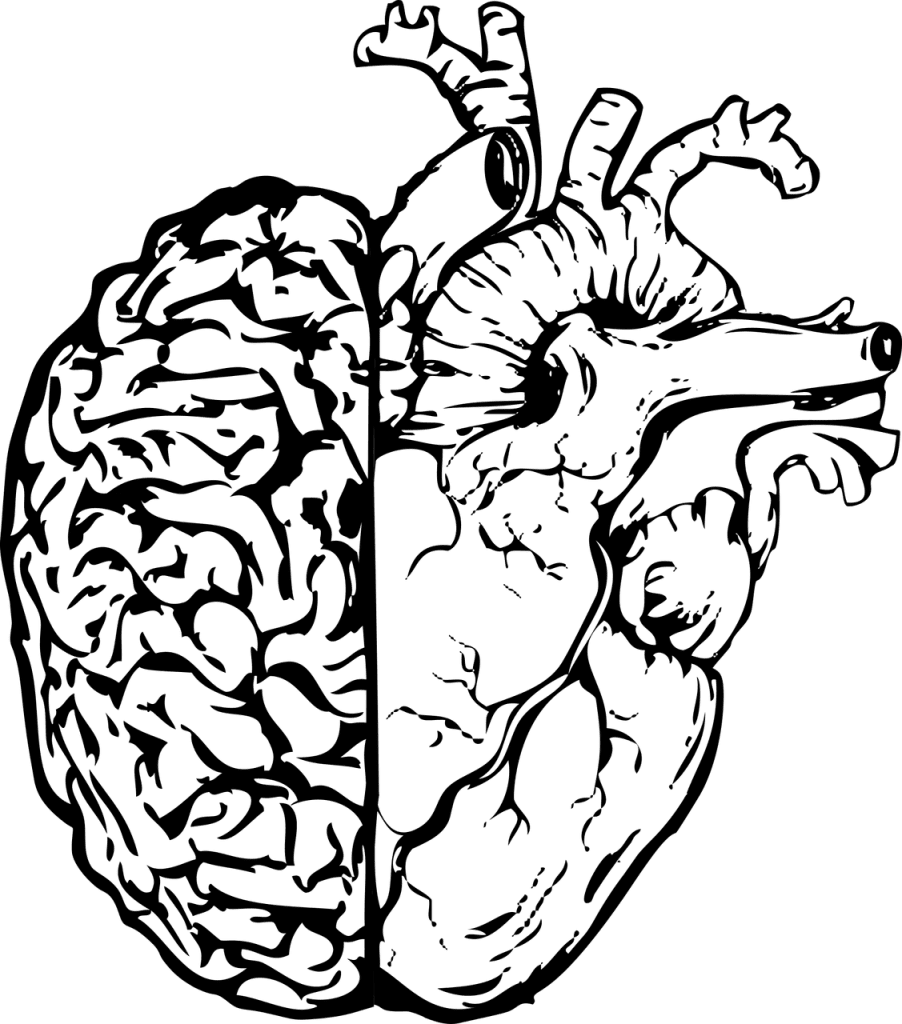
The mind-body connection is the idea that our thoughts, emotions, and mental states can influence our physical health. It recognizes that our mental and emotional well-being can impact our physical well-being and vice versa. This connection is often at the core of holistic healing practices, as they aim to create harmony between the mind and body. By understanding and nurturing this connection, holistic healing can promote overall wellness and healing.
Biological Basis of the Mind-Body Connection
Research has shown that there are biological mechanisms underlying the mind-body connection. For example, stress can activate the body’s stress response, releasing hormones such as cortisol and adrenaline that can have a negative impact on physical health. On the other hand, positive emotions and a relaxed state can trigger the release of endorphins and other chemicals that promote well-being. This biological basis reinforces the importance of taking care of our mental and emotional health for overall well-being.
Psychological Factors in the Mind-Body Connection
Psychological factors, such as stress, anxiety, and trauma, play a significant role in the mind-body connection. Chronic stress, for example, can lead to a variety of physical symptoms like headaches, digestive issues, and weakened immune function. Holistic healing approaches aim to address these psychological factors through techniques like meditation, yoga, and energy healing, which can help reduce stress and promote emotional well-being.
Types of Holistic Healing
Traditional Chinese Medicine
Traditional Chinese Medicine (TCM) is a comprehensive system of holistic healing that has been practiced for thousands of years. It encompasses various modalities, including acupuncture, herbal medicine, massage, and dietary therapy. TCM views health as a state of balance between yin and yang energies, and seeks to restore this balance to promote well-being. It takes into account the individual’s constitution, lifestyle, and environment, and aims to address the underlying root causes of health issues.
Ayurveda
Ayurveda is an ancient Indian system of medicine that focuses on achieving balance between mind, body, and spirit. It views each person as a unique combination of doshas (energies) – Vata, Pitta, and Kapha – and seeks to maintain or restore their balance for optimal health. Ayurvedic treatments may include dietary changes, herbal remedies, yoga, meditation, and body therapies. Ayurveda emphasizes the importance of living in harmony with nature and understanding one’s own unique constitution.
Homeopathy
Homeopathy is a system of holistic healing that uses highly diluted substances to stimulate the body’s innate healing abilities. It is based on the principle of “like cures like,” meaning that a substance that can cause symptoms in a healthy person can also stimulate healing in a person exhibiting similar symptoms. Homeopathic remedies are individualized to the specific person and their unique symptoms. Homeopathy takes into account the physical, mental, and emotional aspects of an individual when prescribing remedies.
Naturopathy
Naturopathy is a system of holistic healing that focuses on supporting the body’s natural healing abilities. It emphasizes the use of natural therapies, such as nutrition, herbal medicine, lifestyle changes, and physical therapies, to restore balance and promote well-being. Naturopathic practitioners aim to identify and address the underlying causes of health issues, rather than just treating the symptoms. They also prioritize prevention and education to empower individuals to take an active role in their own health.
Holistic Healing Techniques
Meditation
Meditation is a practice that involves focusing the mind and achieving a state of deep relaxation and mental clarity. It is a powerful tool for reducing stress, promoting emotional well-being, and cultivating mindfulness. Meditation can be practiced in various forms, such as mindfulness meditation, loving-kindness meditation, or transcendental meditation. It helps calm the mind, reduce anxiety, improve concentration, and promote a sense of inner peace.
Yoga
Yoga is a holistic practice that combines physical postures, breath control, and meditation. It aims to create harmony between the mind, body, and spirit. Yoga has numerous physical benefits, such as improved flexibility, strength, and balance. It also promotes mental and emotional well-being by reducing stress, increasing self-awareness, and cultivating mindfulness. Yoga is a versatile practice that can be adapted to individual needs and abilities.
Acupuncture
Acupuncture is an ancient Chinese healing technique that involves the insertion of thin needles into specific points of the body. It is based on the concept that energy flows through meridians or pathways in the body, and when this energy is blocked or imbalanced, it can result in illness. Acupuncture aims to restore the flow of energy, known as Qi, to promote healing and well-being. It has been used to treat various conditions, such as pain, stress, insomnia, and digestive disorders.
Massage Therapy
Massage therapy is a hands-on technique that involves manipulating the soft tissues of the body to promote relaxation, reduce muscle tension, and improve circulation. It has been used for centuries to promote healing and well-being. Massage therapy can help relieve physical pain, reduce stress and anxiety, improve sleep, and enhance overall mood. Different techniques, such as Swedish massage, deep tissue massage, and aromatherapy massage, offer various benefits and can be tailored to individual needs.
Energy Healing
Energy healing is a holistic approach that recognizes the presence of subtle energy fields within and around the body. It aims to remove energy blockages, balance the flow of energy, and promote healing on a physical, emotional, and spiritual level. Energy healing modalities, such as Reiki, Healing Touch, or Qi Gong, use various techniques to channel and balance energy, allowing for deep relaxation, stress reduction, and overall well-being.
Benefits of Holistic Healing
Physical Benefits
Holistic healing can have numerous physical benefits. By addressing the root causes of health issues, it can help alleviate symptoms and promote healing. Techniques like acupuncture, massage therapy, and energy healing can reduce pain, improve circulation, and enhance the body’s natural healing mechanisms. Holistic healing also promotes overall well-being, as it focuses on lifestyle changes, diet, and exercise, which can lead to improved vitality, increased energy levels, and better immune function.
Mental and Emotional Benefits
Holistic healing places great importance on mental and emotional well-being. Practices like meditation, yoga, and energy healing are effective tools for reducing stress, anxiety, and depression. They promote relaxation, improve self-awareness, and cultivate a sense of inner peace. Holistic healing also encourages self-care and self-reflection, helping individuals develop a positive mindset, enhance their resilience, and cope with challenges more effectively.
Spiritual Benefits
Holistic healing acknowledges the importance of spirituality in overall well-being. It embraces the individual’s search for meaning, purpose, and connection to something greater than themselves. Practices like meditation, energy healing, and yoga can deepen one’s spiritual connection and provide a sense of transcendence. Holistic healing encourages individuals to explore their inner selves, cultivate gratitude and compassion, and find harmony with the world around them.
Holistic Healing and Modern Medicine
Complementary and Alternative Medicine
Holistic healing approaches are often considered complementary and alternative medicine (CAM). They are used alongside conventional medical treatments to support the individual’s overall well-being and enhance the body’s natural healing abilities. CAM therapies, such as acupuncture, herbal medicine, or energy healing, can help manage symptoms, reduce side effects of medications, and improve overall quality of life. Integrating holistic healing with modern medicine can provide a more comprehensive and holistic approach to healthcare.
Integrative Medicine
Integrative medicine aims to combine the best practices of both conventional medicine and holistic healing. It recognizes the importance of addressing the whole person and takes into account the individual’s physical, mental, emotional, and spiritual well-being. Integrative medicine practitioners use evidence-based approaches from both conventional and holistic healing modalities to provide personalized and comprehensive care. This collaborative approach can lead to better patient outcomes, improved overall health, and increased patient satisfaction.
Research on Holistic Healing
Research on holistic healing techniques, such as acupuncture, meditation, and yoga, has been growing in recent years. Numerous studies have demonstrated their effectiveness in reducing stress, managing pain, improving sleep, and supporting overall well-being. While more research is needed to fully understand the mechanisms and benefits of holistic healing, the existing evidence suggests that these approaches can be valuable tools in promoting health and healing.
Tips for Incorporating Holistic Healing into Your Life
Finding a Trusted Practitioner
When incorporating holistic healing into your life, it is important to find a trusted and qualified practitioner. Look for professionals who have appropriate certifications, licenses, and training in their respective holistic healing modalities. Ask for recommendations from friends, family, or healthcare providers who have experience with holistic healing. It may also be helpful to schedule an initial consultation to discuss your goals, concerns, and expectations to ensure a good fit with the practitioner.
Creating a Holistic Wellness Routine
To incorporate holistic healing into your life, consider creating a holistic wellness routine. This may include regular meditation or yoga sessions, scheduling massages or acupuncture appointments, or practicing energy healing techniques. It can also involve making lifestyle changes, such as prioritizing sleep, eating a balanced diet, staying physically active, and managing stress. Establishing a routine can help create consistency and ensure that you prioritize your holistic healing practices.
Understanding and Addressing the Root Causes of Health Issues
One of the key principles of holistic healing is addressing the root causes of health issues. Take time to reflect on your overall health and identify any underlying factors that may be contributing to your symptoms or conditions. This may involve exploring your lifestyle, relationships, stress levels, or emotional well-being. Consider working with a holistic practitioner who can help you identify and address these root causes through various healing modalities.
Potential Risks and Limitations of Holistic Healing
Lack of Scientific Evidence
One potential limitation of holistic healing is the lack of scientific evidence supporting some practices. While many holistic healing techniques have been used for centuries and have anecdotal evidence of their effectiveness, more research is needed to validate their benefits. It is important to approach holistic healing with an open mind and rely on trusted practitioners who have experience and expertise in their respective modalities.
Potential Interactions with Conventional Treatments
When incorporating holistic healing into your healthcare routine, it is essential to communicate openly with your healthcare provider. Some holistic healing practices, such as herbal remedies or supplements, may interact with medications or conventional treatments. Your healthcare provider can help you navigate potential interactions and ensure a comprehensive and safe approach to your health and well-being.
Untrained Practitioners
Another potential risk of holistic healing is encountering untrained or unqualified practitioners. It is important to seek out professionals who have appropriate certifications, licenses, and training in their respective modalities. Check their credentials, ask about their experience, and ensure that they adhere to ethical standards and professional guidelines. Trustworthy practitioners will have your best interests in mind and will work collaboratively with you to support your health and well-being.
Holistic Healing and Self-Care
Holistic Approaches to Self-Care
Holistic healing and self-care go hand in hand. Holistic approaches to self-care involve nurturing and supporting the mind, body, and spirit. This can include engaging in self-care practices like meditation, yoga, or energy healing. It also involves prioritizing your physical health through proper nutrition, regular exercise, and adequate sleep. Taking time for yourself, setting boundaries, and cultivating healthy relationships are also important aspects of holistic self-care.
The Role of Self-Care in Holistic Healing
Self-care plays a crucial role in holistic healing. By prioritizing self-care, you can enhance your overall well-being and prevent the development of illness or imbalance. Self-care practices help reduce stress, promote relaxation, and restore balance in your life. They also empower you to take an active role in your own health and well-being. By making self-care a priority, you can support the mind-body connection and experience the numerous benefits of holistic healing.
Conclusion
Holistic healing is a comprehensive approach to healthcare that recognizes the interconnectedness of the mind, body, and spirit. It promotes overall well-being and seeks to address the root causes of health issues rather than just treating symptoms. By understanding and nurturing the mind-body connection, holistic healing can promote physical, mental, and emotional health. Various holistic healing techniques, such as acupuncture, meditation, and energy healing, provide powerful tools for achieving balance and harmony. While more research is needed, the evidence suggests that incorporating holistic healing into your life can have numerous benefits. So why not explore the world of holistic healing and discover a new path to health and wellness?