
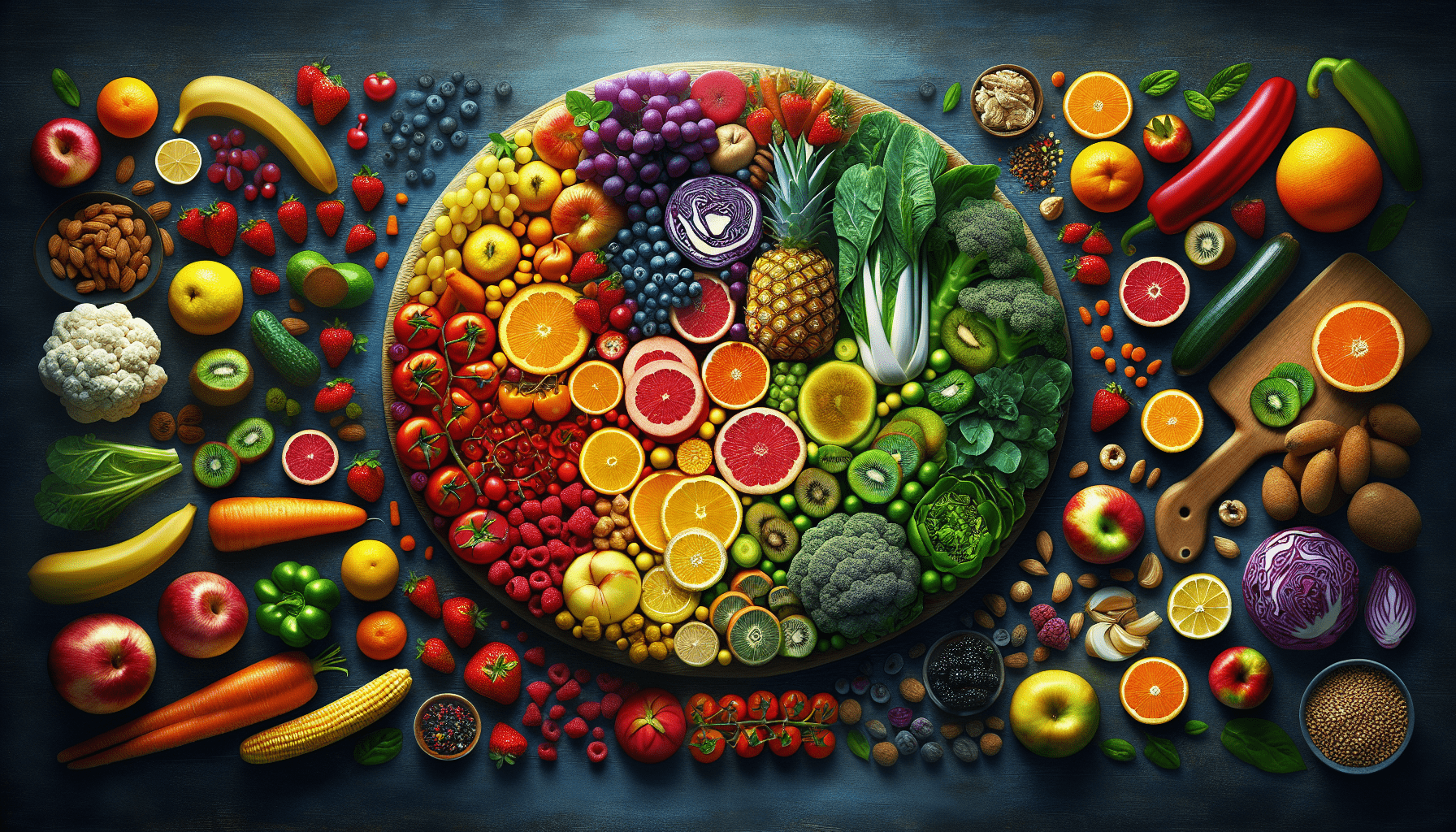
Welcome to the world of holistic nutrition! In this beginner’s guide, you will explore the fundamental principles of holistic nutrition and how it can positively impact your overall health and well-being. From understanding the importance of whole, nutrient-dense foods to exploring the mind-body connection, you will gain insight into how to nourish your body from the inside out. Let’s embark on this journey together towards a healthier and more vibrant you with holistic nutrition. Have you ever wondered what holistic nutrition is all about? How can it benefit your health and well-being? In this beginner’s guide, we will explore the fundamentals of holistic nutrition and how you can incorporate it into your daily life. Let’s dive in and discover the world of holistic nutrition together!
What is Holistic Nutrition?
Holistic nutrition is a comprehensive approach to nourishing your body, mind, and spirit. It focuses on the connection between food, lifestyle, and overall health. Unlike conventional nutrition, which primarily focuses on counting calories and macronutrients, holistic nutrition takes into account the individual’s unique needs and considers the whole person.
Holistic vs. Conventional Nutrition
In conventional nutrition, the focus is on individual nutrients and their effects on the body. For example, counting calories, tracking macros, and following rigid diets are common practices. On the other hand, holistic nutrition looks at the bigger picture, considering the quality of food, lifestyle factors, and emotional well-being. It recognizes that each person is unique and has specific needs that must be addressed to achieve optimal health.
The Principles of Holistic Nutrition
Holistic nutrition is guided by several key principles that help individuals achieve balance and harmony in their overall health. These principles are based on the belief that the body has an innate ability to heal itself when given the right tools and support.
Principles of Holistic Nutrition
- Whole Foods: Focus on consuming whole, unprocessed foods that are close to their natural state. These foods are rich in nutrients and free from harmful additives.
- Bio-Individuality: Recognize that each person has unique nutritional needs based on factors like genetics, lifestyle, and health conditions.
- Mind-Body Connection: Understand the relationship between food and emotions, stress, and mental well-being. Food is not just fuel but also affects our mental and emotional health.
- Prevention: Emphasize preventive health measures through diet and lifestyle to avoid illness and promote overall well-being.
- Balance: Strive for a balanced diet that includes a variety of nutrients to support all body systems and functions.

Benefits of Holistic Nutrition
Embracing a holistic approach to nutrition can offer a wide range of benefits for your health and well-being. By nourishing your body with whole foods and promoting balance in all areas of your life, you can experience improved energy, vitality, and overall wellness.
Benefits of Holistic Nutrition
- Increased Energy: Proper nutrition can provide the energy your body needs to function optimally throughout the day.
- Improved Digestion: Eating whole foods can support digestive health, reduce bloating and discomfort, and improve nutrient absorption.
- Enhanced Immunity: A balanced diet rich in nutrients can strengthen your immune system and help protect against illnesses.
- Mental Clarity: Consuming nutrient-dense foods can support brain health, improve focus, and enhance cognitive function.
- Weight Management: Holistic nutrition promotes a healthy weight by focusing on nourishing the body with nutrient-dense foods rather than restrictive diets.
How to Practice Holistic Nutrition
Incorporating holistic nutrition principles into your daily life doesn’t have to be overwhelming. By making small, sustainable changes to your diet and lifestyle, you can gradually shift towards a more holistic approach to nourishing your body.
Tips for Practicing Holistic Nutrition
- Eat Whole Foods: Focus on consuming fruits, vegetables, whole grains, lean proteins, and healthy fats.
- Stay Hydrated: Drink plenty of water throughout the day to support digestion, circulation, and overall hydration.
- Mindful Eating: Practice mindful eating by savoring each bite, chewing slowly, and paying attention to your body’s hunger and fullness cues.
- Reduce Stress: Incorporate stress-reducing practices like meditation, yoga, deep breathing, or spending time in nature to support overall well-being.
- Listen to Your Body: Pay attention to how different foods make you feel and make adjustments accordingly to meet your body’s unique needs.

Holistic Nutrition and Food Allergies/Intolerances
If you have food allergies or intolerances, following a holistic nutrition approach can be especially beneficial. By avoiding trigger foods and focusing on whole, nutrient-dense alternatives, you can support your body’s healing process and reduce inflammation.
Foods to Avoid:
| Food Allergy/Intolerance | Common Trigger Foods |
|---|---|
| Gluten | Wheat, barley, rye, processed grains |
| Dairy | Milk, cheese, yogurt, butter |
| Soy | Soybeans, soy sauce, tofu |
| Nuts | Peanuts, tree nuts, nut-based products |
| Eggs | Chicken eggs, egg-based products |
Foods to Include:
| Food Group | Nutrient-Dense Alternatives |
|---|---|
| Protein | Beans, lentils, lean meats, fish |
| Dairy | Almond milk, coconut milk, cashew cheese |
| Grains | Quinoa, rice, oats, buckwheat |
| Fruits | Berries, apples, bananas, citrus fruits |
| Vegetables | Leafy greens, cruciferous vegetables, root vegetables |
Holistic Nutrition and Gut Health
The health of your gut is closely linked to your overall well-being. By nourishing your gut with probiotic-rich foods, prebiotics, and fiber, you can support digestive health, improve nutrient absorption, and boost immunity.
Gut-Healthy Foods:
- Probiotic-Rich Foods: Yogurt, kefir, sauerkraut, kimchi, kombucha
- Prebiotic Foods: Garlic, onions, leeks, bananas, asparagus
- Fiber-Rich Foods: Whole grains, legumes, fruits, vegetables, nuts, seeds
Gut-Healing Foods:
- Bone Broth: Rich in collagen and amino acids that support gut health and healing.
- Gelatin: Supports gut lining integrity and repair.
- L-Glutamine: Amino acid that helps repair the gut lining and reduce inflammation.

Holistic Nutrition and Emotional Well-Being
In addition to nourishing your body with nutrient-dense foods, holistic nutrition also emphasizes the importance of emotional well-being. Food has the power to impact our mood, stress levels, and overall mental health. By making mindful food choices and managing stress effectively, you can support both your physical and emotional well-being.
Holistic Strategies for Emotional Well-Being:
- Mindful Eating: Pay attention to your thoughts and feelings while eating. Avoid distractions and savor each bite.
- Stress Management: Practice stress-reducing techniques like deep breathing, meditation, yoga, or spending time in nature.
- Connection: Connect with loved ones, engage in meaningful activities, and foster a sense of community to support emotional well-being.
Holistic Nutrition and Sustainability
Holistic nutrition isn’t just about nourishing your body; it’s also about nourishing the planet. By choosing locally sourced, organic, and sustainable foods, you can reduce your environmental impact and support the health of the planet for future generations.
Sustainable Food Choices:
- Local Produce: Support local farmers and reduce carbon emissions by choosing locally grown fruits and vegetables.
- Organic Foods: Choose organic foods whenever possible to avoid pesticides, chemicals, and genetically modified organisms (GMOs).
- Plant-Based Diet: Incorporate more plant-based meals into your diet to reduce greenhouse gas emissions and promote animal welfare.
Holistic Nutrition and Meal Planning
Planning and preparing meals in advance can help you stay on track with your holistic nutrition goals. By creating a meal plan that includes a variety of nutrient-dense foods, you can ensure that you are getting the essential nutrients your body needs to thrive.
Tips for Holistic Meal Planning:
- Batch Cooking: Prepare meals in advance and store them in portioned containers for easy grab-and-go options.
- Include a Variety: Incorporate a variety of colors, flavors, and textures into your meals to ensure you are getting a wide range of nutrients.
- Plan Ahead: Create a weekly meal plan, make a shopping list, and prep ingredients ahead of time to streamline the cooking process.
- Listen to Your Body: Pay attention to how different foods make you feel, and adjust your meal plan accordingly to meet your body’s unique needs.
Holistic Nutrition and Supplements
While a well-rounded diet rich in whole foods is the foundation of holistic nutrition, supplements can be beneficial in certain situations to support overall health and fill in any nutritional gaps. It’s essential to consult with a healthcare provider or registered dietitian before adding any supplements to your regimen.
Common Supplements for Holistic Nutrition:
- Omega-3 Fatty Acids: Supports heart health, brain function, and reduces inflammation.
- Vitamin D: Essential for bone health, immune function, and mood regulation.
- Probiotics: Supports gut health, digestive function, and immunity.
- Magnesium: Important for muscle function, energy production, and stress management.
- Adaptogens: Herbal supplements that help the body adapt to stress and promote overall well-being.
Incorporating Holistic Nutrition Into Your Lifestyle
Embracing a holistic approach to nutrition is a journey that requires patience, mindfulness, and self-compassion. By taking small steps towards nourishing your body, mind, and spirit, you can experience improved health, vitality, and well-being that extends beyond just physical benefits.
Final Thoughts
Whether you are looking to improve your energy levels, support your immune system, or enhance your mental clarity, holistic nutrition offers a comprehensive approach to nourishing your body from the inside out. By focusing on whole, nutrient-dense foods, embracing balance in all areas of your life, and listening to your body’s unique needs, you can achieve optimal health and well-being that lasts a lifetime. Remember, every step you take towards holistic nutrition is a step towards a healthier, happier you!