Welcome to an insightful article on how healthcare policy can have a significant impact on patient outcomes. By understanding the intricacies of healthcare policy and its implications on various aspects of patient care, you will gain valuable insights into how policy decisions can shape the quality and effectiveness of healthcare services. From access to care to treatment options, healthcare policy plays a vital role in determining the overall health and well-being of patients. Join us as we explore the ways in which healthcare policy influences patient outcomes and learn more about the importance of advocating for policies that prioritize the needs of patients. How Healthcare Policy Affects Patient Outcomes
Have you ever wondered how healthcare policy impacts the care you receive and the outcomes you experience as a patient? Understanding the connection between healthcare policy and patient outcomes is crucial for ensuring that you receive the best possible care. In this article, we will explore the various ways in which healthcare policy influences patient outcomes and what you can do to advocate for policies that benefit your health and well-being.
The Role of Healthcare Policy in Patient Outcomes
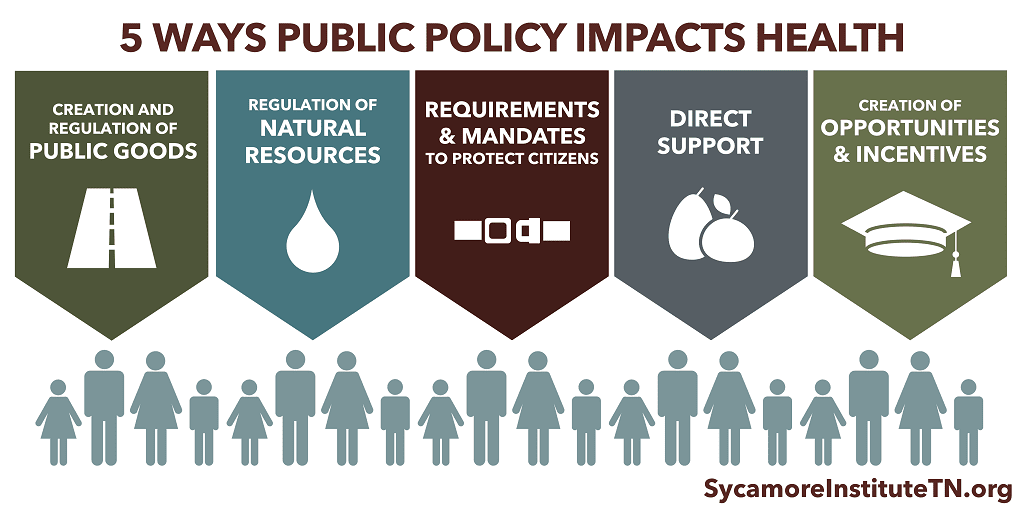
Healthcare policy plays a significant role in shaping the care that patients receive and the outcomes they achieve. From access to services and treatments to the quality of care provided, healthcare policy sets the framework within which healthcare is delivered. By understanding how healthcare policy influences patient outcomes, you can become a more informed advocate for policies that prioritize patient health and well-being.
Access to Healthcare Services
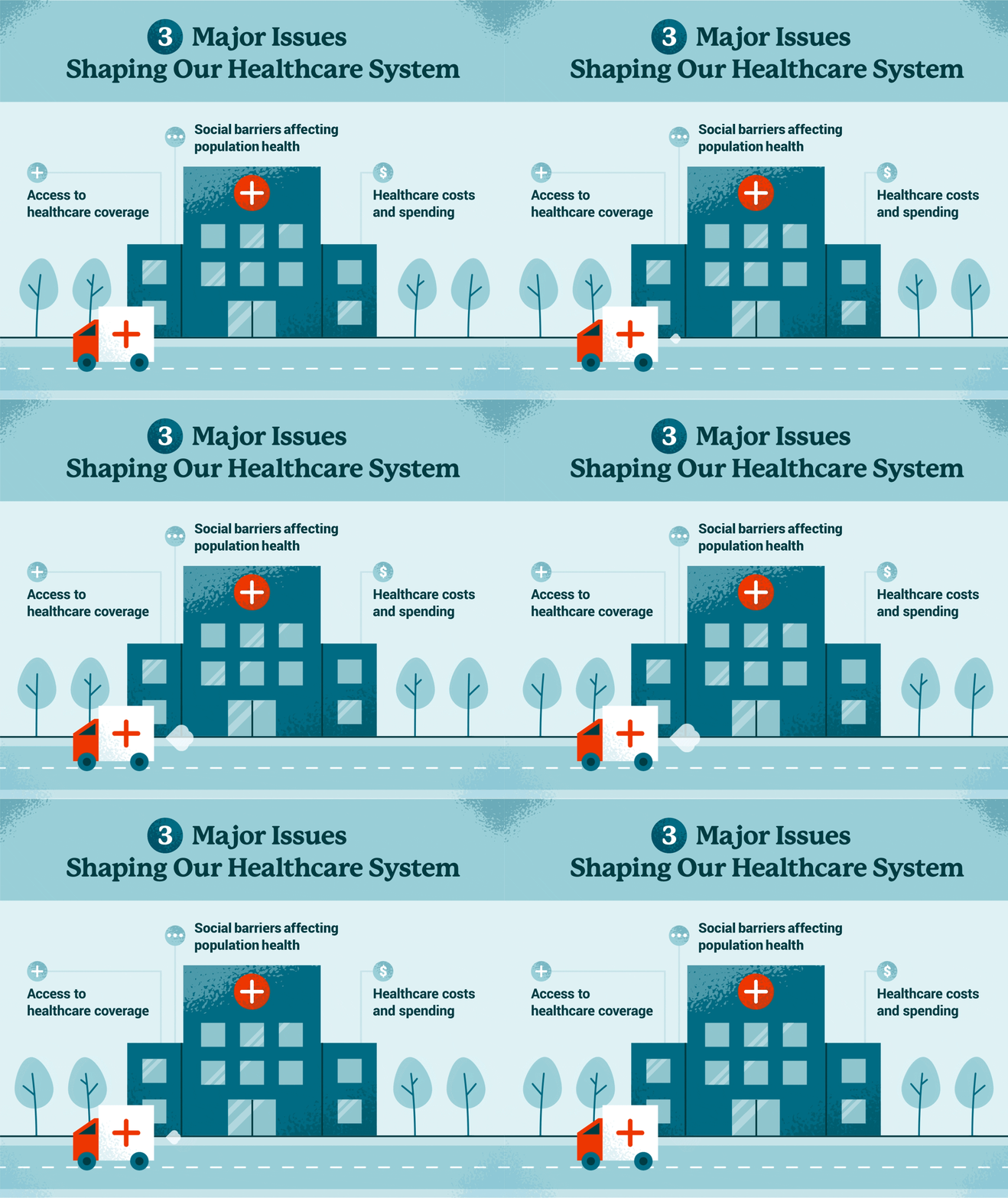
One of the most critical ways in which healthcare policy affects patient outcomes is through access to healthcare services. The availability of healthcare services, such as primary care, specialist care, and emergency services, can have a significant impact on a patient’s health and well-being. Healthcare policy can either facilitate or hinder access to these services, depending on factors such as insurance coverage, provider networks, and geographic location.
Ensuring that patients have access to timely and appropriate care is essential for improving patient outcomes. Healthcare policy initiatives that expand coverage, improve provider networks, and address healthcare disparities can help to increase access to services and improve patient outcomes. By advocating for policies that prioritize access to care, you can help to ensure that all patients have the opportunity to receive high-quality healthcare services.
Quality of Care
In addition to access to services, the quality of care provided also plays a crucial role in determining patient outcomes. Healthcare policy initiatives aimed at promoting quality of care can help to improve patient outcomes by ensuring that patients receive effective, evidence-based treatments that meet their individual needs. Quality measures, such as patient safety protocols, care coordination standards, and outcome reporting requirements, can help to ensure that patients receive high-quality care that leads to positive outcomes.
Advocating for policies that prioritize quality of care is essential for improving patient outcomes. By supporting initiatives that promote transparency, accountability, and continuous improvement in healthcare delivery, you can help to ensure that patients receive the best possible care. By staying informed about quality measures and outcomes reporting, you can advocate for policies that hold healthcare providers accountable for delivering safe, effective, and patient-centered care.
Healthcare Costs and Affordability
Healthcare costs and affordability are critical factors that can influence patient outcomes. High healthcare costs can prevent patients from seeking care, adhering to treatment plans, and accessing necessary services, all of which can have a negative impact on patient outcomes. Healthcare policy initiatives that address healthcare costs and affordability can help to improve patient outcomes by ensuring that patients have access to the care they need without facing financial hardship.
Advocating for policies that reduce healthcare costs and improve affordability is essential for ensuring that patients can access the care they need to achieve positive outcomes. By supporting initiatives that promote price transparency, coverage for essential services, and cost-sharing protections, you can help to ensure that patients are not burdened by excessive healthcare costs. By advocating for policies that prioritize affordability, you can help to create a healthcare system that is accessible and equitable for all patients.
The Impact of Healthcare Policy on Patient Safety
Patient safety is a critical aspect of healthcare delivery that can be influenced by healthcare policy. Ensuring that patients receive safe and effective care is essential for improving patient outcomes and reducing medical errors. Healthcare policy initiatives that prioritize patient safety can help to prevent harm, promote transparency, and improve the quality of care provided to patients.
Patient Safety Protocols
Patient safety protocols are essential guidelines and procedures that healthcare providers follow to ensure the safety of patients during treatment. These protocols can include measures such as hand hygiene practices, infection control procedures, and medication administration guidelines. Healthcare policy initiatives that promote the implementation of patient safety protocols can help to reduce errors, prevent infections, and improve patient outcomes.
Advocating for policies that prioritize patient safety protocols is essential for ensuring that patients receive safe and effective care. By supporting initiatives that require healthcare providers to adhere to evidence-based safety guidelines, you can help to prevent harm and improve outcomes for patients. By staying informed about patient safety protocols and best practices, you can advocate for policies that prioritize patient safety and hold healthcare providers accountable for delivering high-quality care.
Reporting and Transparency
Reporting and transparency are vital aspects of patient safety that can be influenced by healthcare policy. Reporting systems and transparency initiatives can help to identify errors, track outcomes, and hold healthcare providers accountable for the quality of care they deliver. Healthcare policy initiatives that promote reporting and transparency can help to improve patient outcomes by fostering a culture of safety, accountability, and continuous improvement in healthcare delivery.
Advocating for policies that prioritize reporting and transparency is essential for improving patient safety and outcomes. By supporting initiatives that require healthcare providers to report errors, outcomes, and safety data, you can help to identify areas for improvement and prevent harm to patients. By advocating for policies that promote transparency and accountability, you can help to create a healthcare system that prioritizes patient safety and quality of care.
How to Advocate for Healthcare Policy That Benefits Patient Outcomes
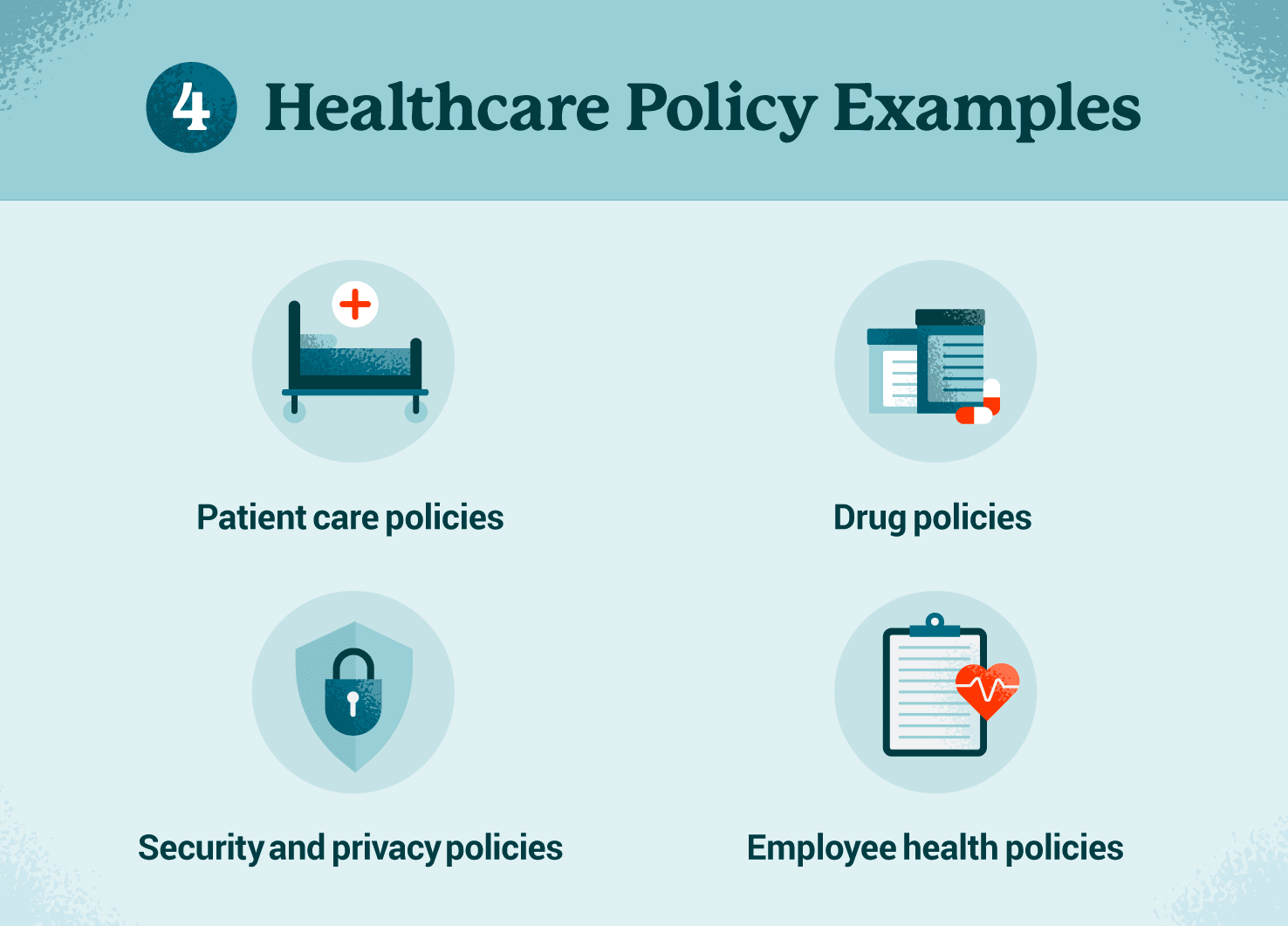
As a patient, you have the power to advocate for healthcare policy initiatives that prioritize your health and well-being. By staying informed about healthcare policy issues, engaging with policymakers, and supporting initiatives that benefit patient outcomes, you can help to shape the future of healthcare delivery and ensure that all patients receive high-quality care. Here are some tips for advocating for healthcare policy that benefits patient outcomes:
Stay Informed
One of the most crucial ways to advocate for healthcare policy that benefits patient outcomes is to stay informed about current healthcare policy issues. By following healthcare news, researching policy initiatives, and staying informed about legislative proposals, you can become a more effective advocate for patient-centered policies.
Engage with Policymakers
Engaging with policymakers is another essential way to advocate for healthcare policy that benefits patient outcomes. By contacting your representatives, attending town hall meetings, and participating in advocacy campaigns, you can make your voice heard and influence the development of healthcare policy initiatives.
Support Patient-Centered Initiatives
Supporting patient-centered initiatives is a valuable way to advocate for healthcare policy that benefits patient outcomes. By supporting policies that prioritize access to care, quality of care, affordability, and patient safety, you can help to ensure that all patients receive high-quality healthcare services that lead to positive outcomes.
Join Patient Advocacy Organizations
Joining patient advocacy organizations is another effective way to advocate for healthcare policy that benefits patient outcomes. By joining organizations that advocate for patient rights, quality of care, and healthcare affordability, you can connect with other advocates, share resources, and amplify your voice on important healthcare policy issues.
Share Your Story
Sharing your healthcare experiences and outcomes with policymakers, healthcare providers, and other advocates can be a powerful way to advocate for healthcare policy that benefits patient outcomes. By sharing your story, you can humanize healthcare policy issues, raise awareness about the importance of patient-centered care, and inspire others to take action to improve patient outcomes.
Conclusion
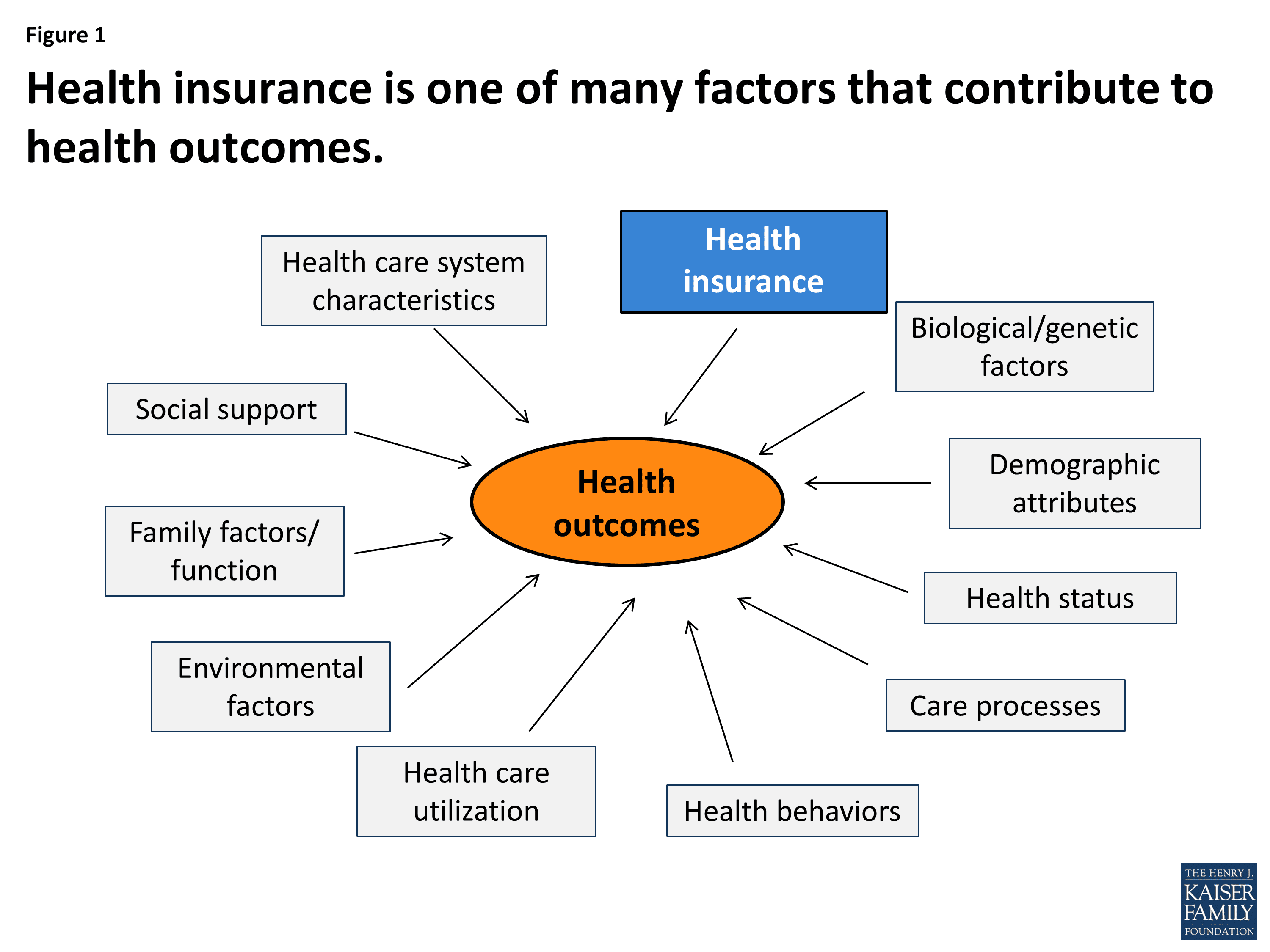
Healthcare policy plays a significant role in shaping patient outcomes by influencing access to services, quality of care, healthcare costs, and patient safety. As a patient, you have the power to advocate for policies that benefit your health and well-being by staying informed, engaging with policymakers, supporting patient-centered initiatives, joining patient advocacy organizations, and sharing your story. By advocating for healthcare policy that prioritizes patient outcomes, you can help to create a healthcare system that delivers high-quality, safe, and effective care for all patients.