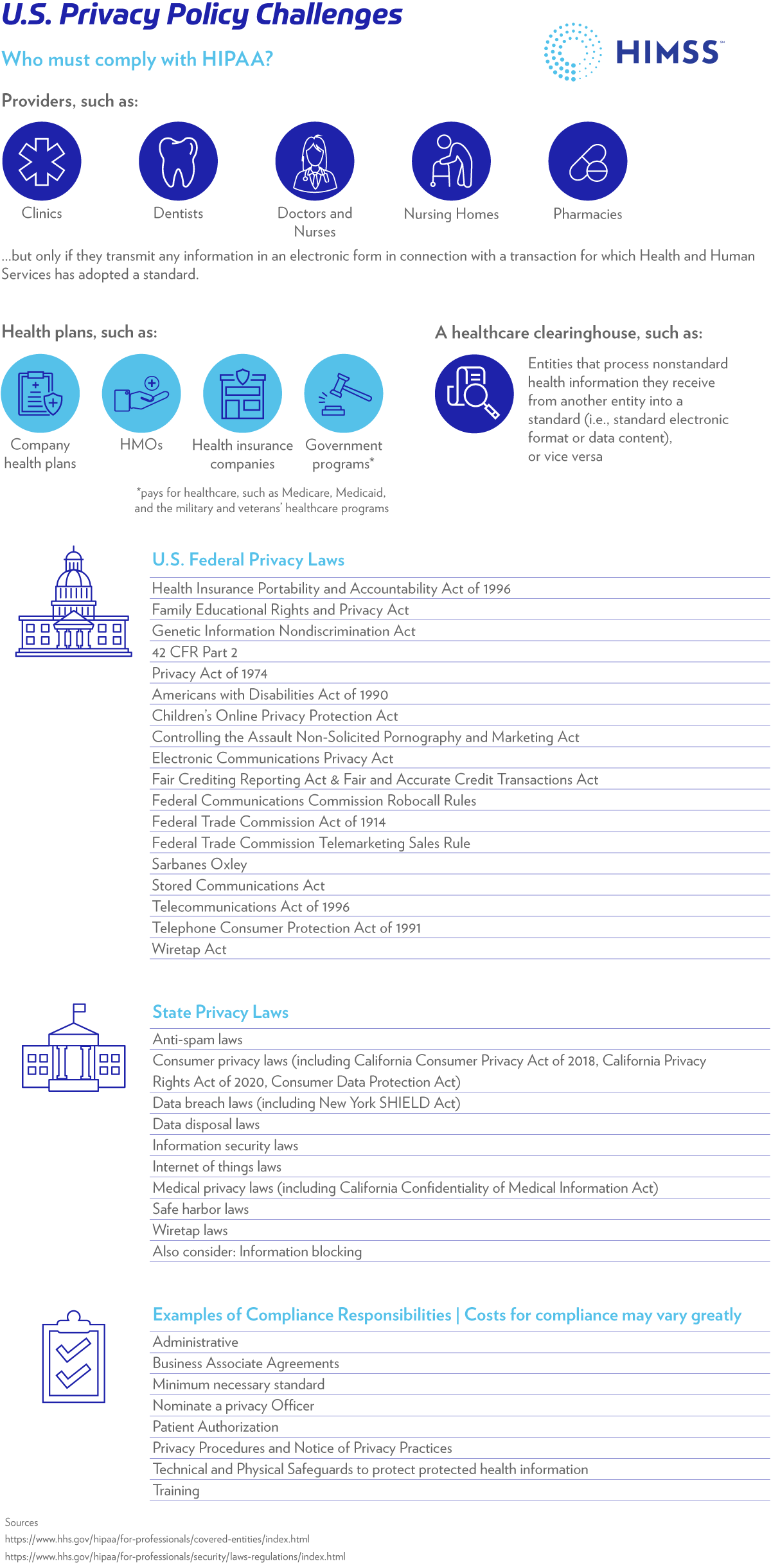
Welcome to an insightful article on how policy advocacy can play a vital role in addressing healthcare data security and privacy concerns. In today’s digital age, the healthcare industry faces increasing challenges in protecting sensitive patient information. By advocating for policies that prioritize cybersecurity measures, transparency, and strict data protection regulations, we can create a safer and more secure environment for patient data. Through collective efforts and advocacy, we can ensure that healthcare organizations prioritize the privacy and security of the data they collect and store.
How Policy Advocacy Can Address Healthcare Data Security and Privacy
Have you ever wondered how policy advocacy can play a role in improving healthcare data security and privacy? In today’s digital world, where healthcare data is at a high risk of being compromised, it is essential to have strong policies in place to protect this sensitive information. This article will explore the importance of policy advocacy in addressing healthcare data security and privacy, and how you can play a role in advocating for better protections.

Understanding Healthcare Data Security and Privacy
Healthcare data security and privacy are critical aspects of the healthcare industry. Patient records, prescriptions, diagnoses, and other medical information are highly confidential and should be protected from unauthorized access or breaches. Without proper security measures in place, this sensitive data could be exposed to hackers, leading to identity theft, fraudulent activities, or even harm to patients.
As a patient, you have the right to privacy and control over your medical information. It is essential to understand the potential risks associated with inadequate data security measures in healthcare settings and the importance of advocating for stronger policies to safeguard your data.
The Role of Policy Advocacy in Healthcare Data Security and Privacy
Policy advocacy plays a crucial role in shaping regulations and guidelines that govern how healthcare organizations handle patient data. By advocating for stronger data security and privacy policies, individuals can influence lawmakers, regulators, and healthcare providers to prioritize the protection of sensitive information.
As a patient advocate, you have the power to demand transparency, accountability, and compliance from healthcare organizations when it comes to safeguarding your data. By raising awareness about the risks of data breaches and pushing for stricter regulations, you can help create a safer environment for your personal information.
Benefits of Strong Healthcare Data Security and Privacy Policies
Strong healthcare data security and privacy policies offer several benefits, both for patients and healthcare organizations. These policies:
- Ensure the confidentiality and integrity of patient information
- Enhance trust and confidence in healthcare providers
- Mitigate the risk of data breaches and cyberattacks
- Protect patients from identity theft and fraud
- Support compliance with legal and regulatory requirements
Advocating for stronger policies in these areas can lead to improved data protection, reduced risks, and better overall healthcare experiences for patients.
Challenges in Advocating for Healthcare Data Security and Privacy
While advocating for healthcare data security and privacy is crucial, there are challenges that advocates may face along the way. Some common challenges include:
- Resistance from healthcare organizations to implement stricter policies
- Lack of awareness among patients about their rights and risks
- Limited resources and expertise in advocating for policy changes
- Complex regulatory landscape and competing priorities in the healthcare industry
Despite these challenges, persistence, collaboration, and strategic advocacy efforts can help overcome barriers and drive positive change in healthcare data security and privacy.
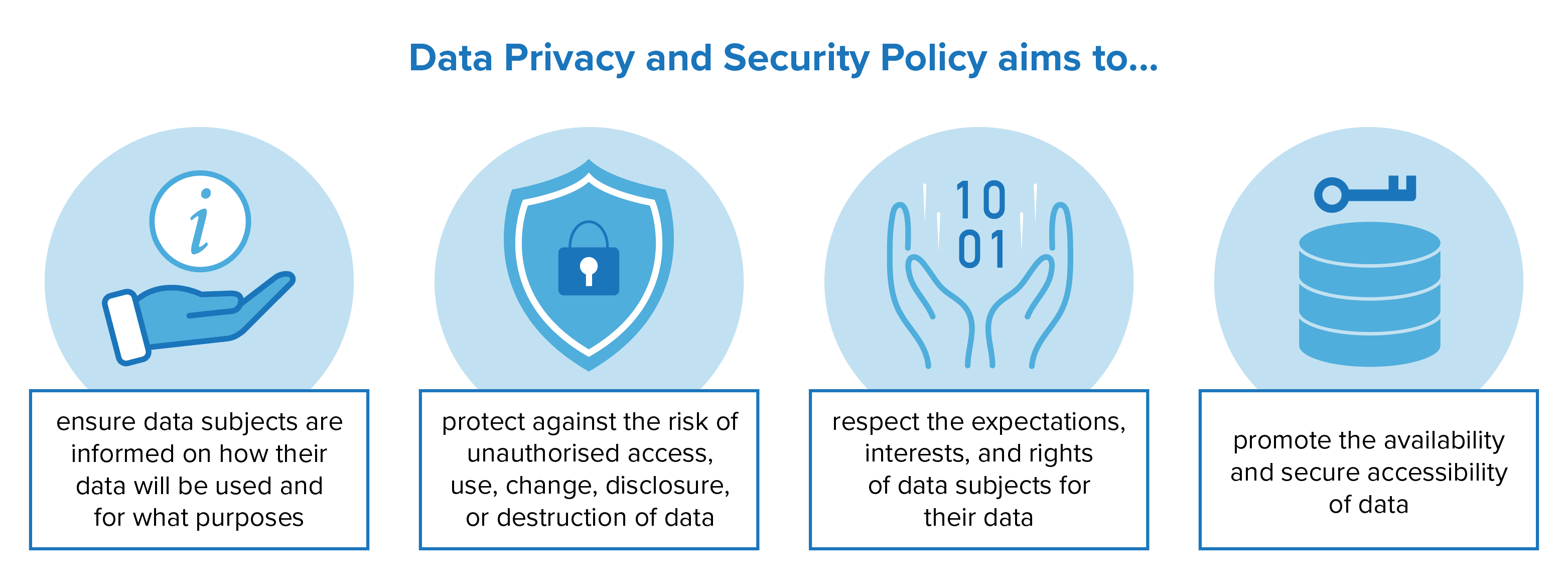
How You Can Advocate for Healthcare Data Security and Privacy
As an individual, you can make a difference in advocating for stronger healthcare data security and privacy policies. Here are some steps you can take to become a more effective advocate:
Educate Yourself and Others
Start by educating yourself about healthcare data security and privacy issues, including common risks, regulations, and best practices. Share this knowledge with family, friends, and community members to raise awareness and empower others to protect their healthcare information.
Engage with Lawmakers and Regulators
Contact your local representatives, legislators, and regulatory agencies to voice your concerns about healthcare data security and privacy. Attend public hearings, submit comments on proposed regulations, and participate in advocacy campaigns to influence policy decisions that impact patient data protection.
Support Organizations and Initiatives
Join advocacy groups, non-profit organizations, and coalitions that focus on healthcare data security and privacy advocacy. By supporting these initiatives, you can amplify your voice, connect with like-minded individuals, and contribute to collective efforts to improve data protection in healthcare.
Advocate for Transparency and Accountability
Demand transparency and accountability from healthcare organizations regarding their data security practices. Ask questions about how your information is stored, accessed, and protected, and hold providers accountable for complying with industry standards and regulations.
Stay Informed and Stay Engaged
Stay informed about the latest developments in healthcare data security and privacy, including data breaches, regulatory updates, and best practices. Engage with online forums, webinars, and educational resources to expand your knowledge and stay up-to-date on relevant issues.
Conclusion
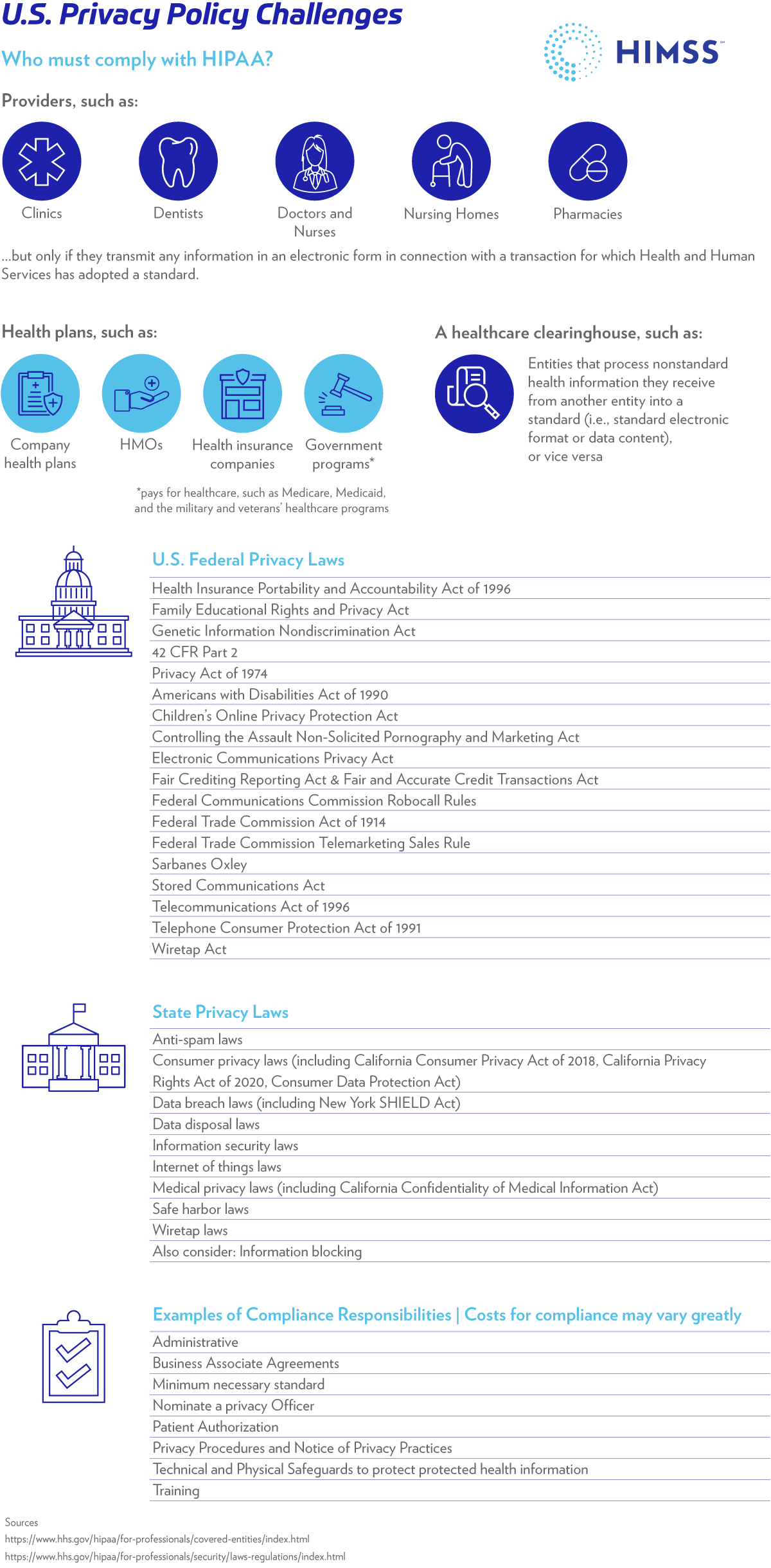
In conclusion, policy advocacy plays a vital role in addressing healthcare data security and privacy. By advocating for stronger policies, individuals can help protect their sensitive information, mitigate risks, and promote a culture of data protection in the healthcare industry. As a patient advocate, you have the power to influence change, hold stakeholders accountable, and create a safer environment for your personal data. Take action today to advocate for stronger healthcare data security and privacy policies and contribute to a more secure and trusted healthcare system for all.