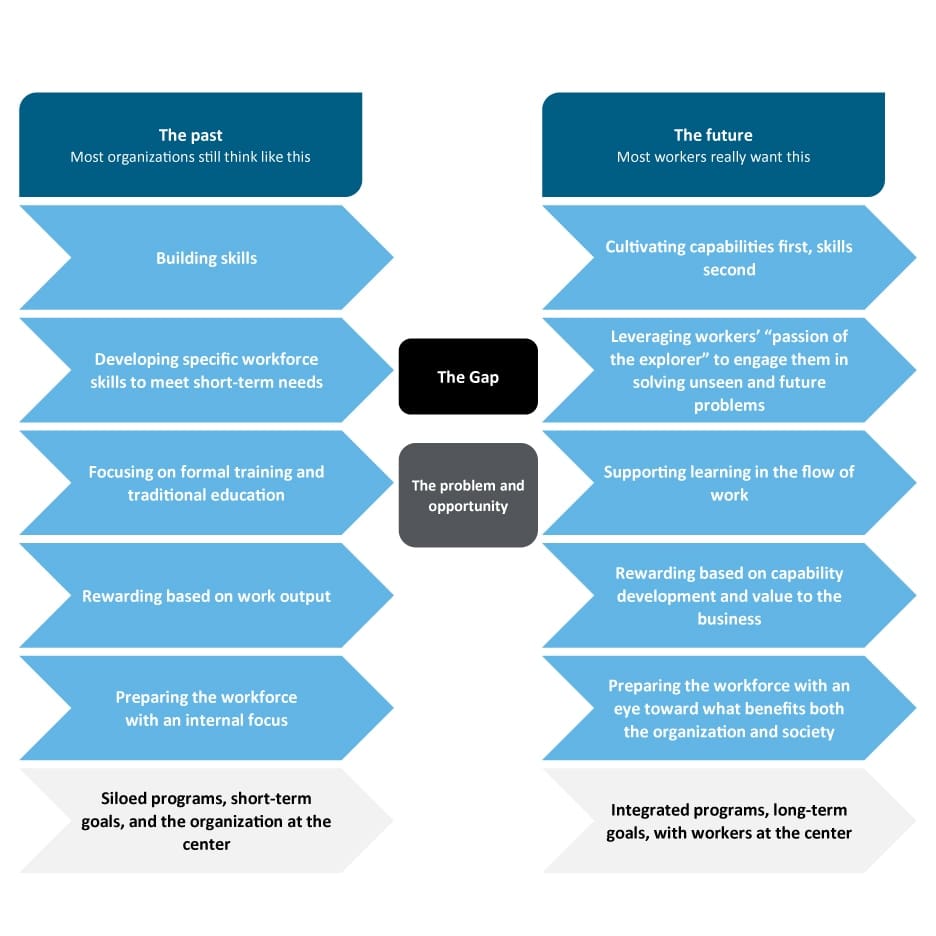
In this article, we will explore the most effective methods for supporting policy initiatives focused on the development of the healthcare workforce. It is crucial to ensure that our healthcare professionals are equipped with the necessary skills and resources to provide top-quality care to patients. By implementing strategic policies and initiatives, we can address the challenges faced by the healthcare industry and pave the way for a stronger and more resilient workforce. Join us as we dive into the best practices that can help shape the future of healthcare workforce development.

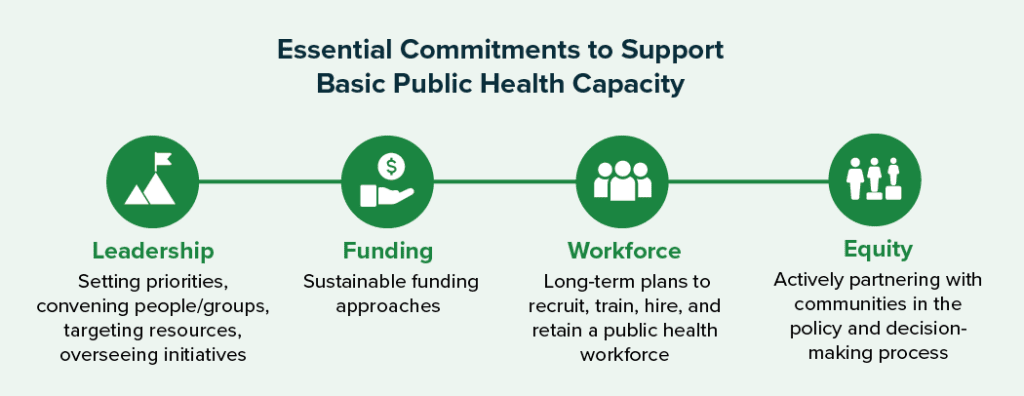
Advocate for funding and resources
Advocating for increased funding for healthcare workforce development initiatives is crucial to ensure that the healthcare industry has the necessary resources to train and educate the next generation of healthcare professionals. By lobbying for increased funding, you can help secure the financial support needed to implement effective training programs and support ongoing education for healthcare workers.
Supporting the allocation of resources for training and education programs is another important aspect of advocating for healthcare workforce development. By ensuring that resources are allocated to these programs, you can help provide healthcare professionals with the necessary tools and support they need to enhance their skills and knowledge. This can include funding for educational materials, training equipment, and technological resources that can facilitate effective learning experiences.
Advocating for grants and scholarships for individuals pursuing healthcare careers is also essential in supporting the development of a skilled and diverse healthcare workforce. By promoting the availability of grants and scholarships, you can help remove financial barriers and make healthcare career paths more accessible to individuals who may not have the financial means to pursue their education in this field. This can contribute to a more diverse and talented workforce, benefiting both healthcare organizations and the communities they serve.
Collaborate with educational institutions
Establishing partnerships with universities and colleges is a key strategy to develop relevant curriculum and training programs that align with the needs of the healthcare industry. By collaborating with educational institutions, you can provide input and expertise in shaping the curriculum to ensure that it equips students with the necessary knowledge and skills for their future healthcare careers. These partnerships can also facilitate the development of internship and clinical placement opportunities for students, providing them with valuable real-world experience and opportunities for hands-on learning.
Encouraging internships and clinical placements in healthcare settings is vital for students to gain practical experience and apply their knowledge in a real-world context. By fostering these opportunities, you can help bridge the gap between academic learning and the skills required in the healthcare industry. Internships and clinical placements allow students to observe and engage in the day-to-day operations of healthcare facilities, working alongside healthcare professionals to develop their skills and understanding of their chosen field.
Supporting continuing education and professional development opportunities for healthcare professionals is essential to ensure that they remain up-to-date with the latest advancements in their field. By collaborating with educational institutions, you can help develop and promote programs that offer healthcare professionals the chance to expand their knowledge and enhance their skills. These opportunities can include workshops, conferences, online courses, and certifications. Providing ongoing support for professional development helps to ensure that healthcare professionals are equipped to provide quality care and adapt to the evolving healthcare landscape.
Foster public-private partnerships
Encouraging collaboration between healthcare organizations and private industry is crucial to enhance workforce development initiatives. By working together, public and private entities can pool their resources, knowledge, and expertise to address the challenges and needs of the healthcare workforce. Public-private partnerships can help fund workforce development initiatives, develop innovative solutions, and support research and development in healthcare.
Promoting the sharing of resources, knowledge, and expertise between public and private entities is essential for driving innovation and improving the quality of healthcare workforce development. Through collaboration, healthcare organizations can gain access to private industry expertise and technologies that can enhance their training and education programs. On the other hand, private industry can benefit from insights and feedback from healthcare organizations, guiding their product and service development to better meet the needs of the healthcare workforce.
Supporting initiatives that bridge the gap between academia and industry in healthcare is crucial for ensuring a smooth transition for healthcare professionals entering the workforce. By collaborating with educational institutions and private industry, healthcare organizations can actively participate in the development of academic programs and curricula. This will help align educational offerings with the skills and competencies needed in the healthcare industry, making it easier for graduates to find employment and contribute effectively to patient care.
Advocate for policy changes
Lobbying for policy reforms that promote workforce development in healthcare is an effective way to create lasting change. By advocating for policy changes, you can influence the development and implementation of regulations that support the growth and sustainability of the healthcare workforce. This can involve advocating for increased funding, the removal of barriers to entry and advancement in healthcare careers, and initiatives that promote diversity and inclusivity within the workforce.
Supporting legislation that addresses barriers to entry and advancement in healthcare careers is crucial to ensure equal opportunities for all individuals interested in pursuing a career in healthcare. By advocating for policies that remove obstacles such as high educational costs, long training periods, and limited career advancement prospects, you can help create a more inclusive and diverse healthcare workforce. This is particularly important in addressing shortages of healthcare professionals in underserved areas, as removing barriers can attract a wider pool of talent.
Advocating for policies that promote diversity and inclusivity in the healthcare workforce is vital to address the disparities and inequities that exist within the industry. By working to promote equal access to healthcare education and training, you can help create a workforce that better reflects the diverse populations it serves. Policies that support diversity and inclusivity can contribute to improved patient outcomes, cultural competence, and a more equitable healthcare system overall.

Promote research and innovation
Encouraging research and innovation in healthcare workforce development is essential to drive progress and improve the quality of healthcare delivery. By promoting research, you can contribute to the development of evidence-based practices and solutions that better address the needs and challenges of the healthcare workforce. This can include research on effective training methods, strategies for retention and career advancement, and the impact of diversity on healthcare outcomes.
Supporting the development of evidence-based practices and solutions is crucial to ensure that healthcare workforce development initiatives are rooted in proven methodologies. By funding and promoting research, you can help identify best practices and innovative approaches that can be implemented to enhance workforce development efforts. Evidence-based practices can improve the quality of care, increase patient satisfaction, and contribute to better overall healthcare outcomes.
Promoting the adoption of technology and digital tools to enhance healthcare workforce training and education is essential in the modern era of healthcare. By actively supporting the integration of technology into training programs, you can help healthcare professionals stay abreast of the latest advancements and developments in their field. Technology can offer interactive learning platforms, virtual simulations, and innovative training methodologies that enhance the learning experience and improve the retention of knowledge.
Engage healthcare professionals
Fostering a culture of lifelong learning among healthcare professionals is crucial to ensure their ongoing growth and development. By encouraging healthcare professionals to continually seek opportunities for learning and skill enhancement, you can help create a workforce that is adaptable, knowledgeable, and equipped to provide quality care. This can involve providing incentives for continuing education, supporting professional development opportunities, and recognizing and rewarding achievements in lifelong learning.
Encouraging participation in professional organizations and associations is a valuable way to support healthcare professionals in their career development. These organizations offer networking opportunities, industry insights, and access to educational resources and conferences. By actively promoting engagement with professional organizations, you can help healthcare professionals build connections, stay updated with industry trends, and expand their knowledge and skill set.
Supporting mentorship and leadership development programs for healthcare professionals is essential to cultivate the next generation of healthcare leaders. By providing opportunities for experienced professionals to mentor and guide younger generations, you can help build a strong foundation of leadership within the healthcare workforce. Mentorship programs can provide valuable guidance, knowledge transfer, and career development support, contributing to the overall growth and success of individuals and the healthcare industry as a whole.
Address workforce shortages and maldistribution
Advocating for initiatives that address workforce shortages in underserved areas is crucial to ensure that all communities have access to quality healthcare. By advocating for the allocation of resources and incentives for healthcare professionals to work in underserved areas, you can help ensure equitable access to care. These initiatives can include loan repayment programs, relocation incentives, and targeted recruitment efforts to attract and retain healthcare professionals in areas with the greatest need.
Supporting strategies to attract and retain healthcare professionals in rural and remote areas is essential to overcome the challenges of maldistribution. By advocating for improved infrastructure, telemedicine options, and professional development opportunities, you can help make these areas more attractive to healthcare professionals. Additionally, fostering partnerships between healthcare organizations and educational institutions in these areas can provide opportunities for students to experience rural and remote practice settings, potentially increasing interest in pursuing careers in these locations.
Advocating for policies that address workforce maldistribution and promote equity in healthcare access is crucial to ensure that all individuals have access to quality care, regardless of their geographic location. By working to address disparities in access to healthcare services, you can help create a more equitable healthcare system. This can involve advocating for policies that incentivize healthcare professionals to work in underserved areas, promote telemedicine options, and support the development of healthcare infrastructure in areas that lack adequate resources.
Support interdisciplinary collaboration
Promoting collaboration between different healthcare professions and disciplines is essential to provide comprehensive and patient-centered care. By advocating for interdisciplinary collaboration, you can help break down silos and encourage healthcare professionals to work together as a team. This can involve promoting joint educational programs, interdisciplinary training opportunities, and shared practice models that prioritize collaboration and communication.
Supporting interdisciplinary education and training programs is crucial to prepare healthcare professionals for the realities of a collaborative healthcare environment. By collaborating with educational institutions and healthcare organizations, you can contribute to the development of programs that expose students to interdisciplinary approaches and encourage teamwork. These programs can foster a culture of collaboration, mutual respect, and effective communication, which are critical for delivering high-quality healthcare.
Encouraging teamwork and interprofessional communication in healthcare settings is vital to ensure coordinated and seamless care delivery. By advocating for the implementation of team-based models of care, you can help break down communication barriers and foster collaboration among healthcare professionals. This can involve promoting the use of technology and tools that facilitate interprofessional communication, creating opportunities for interdisciplinary training and learning, and recognizing and rewarding collaborative efforts within healthcare organizations.
Raise public awareness
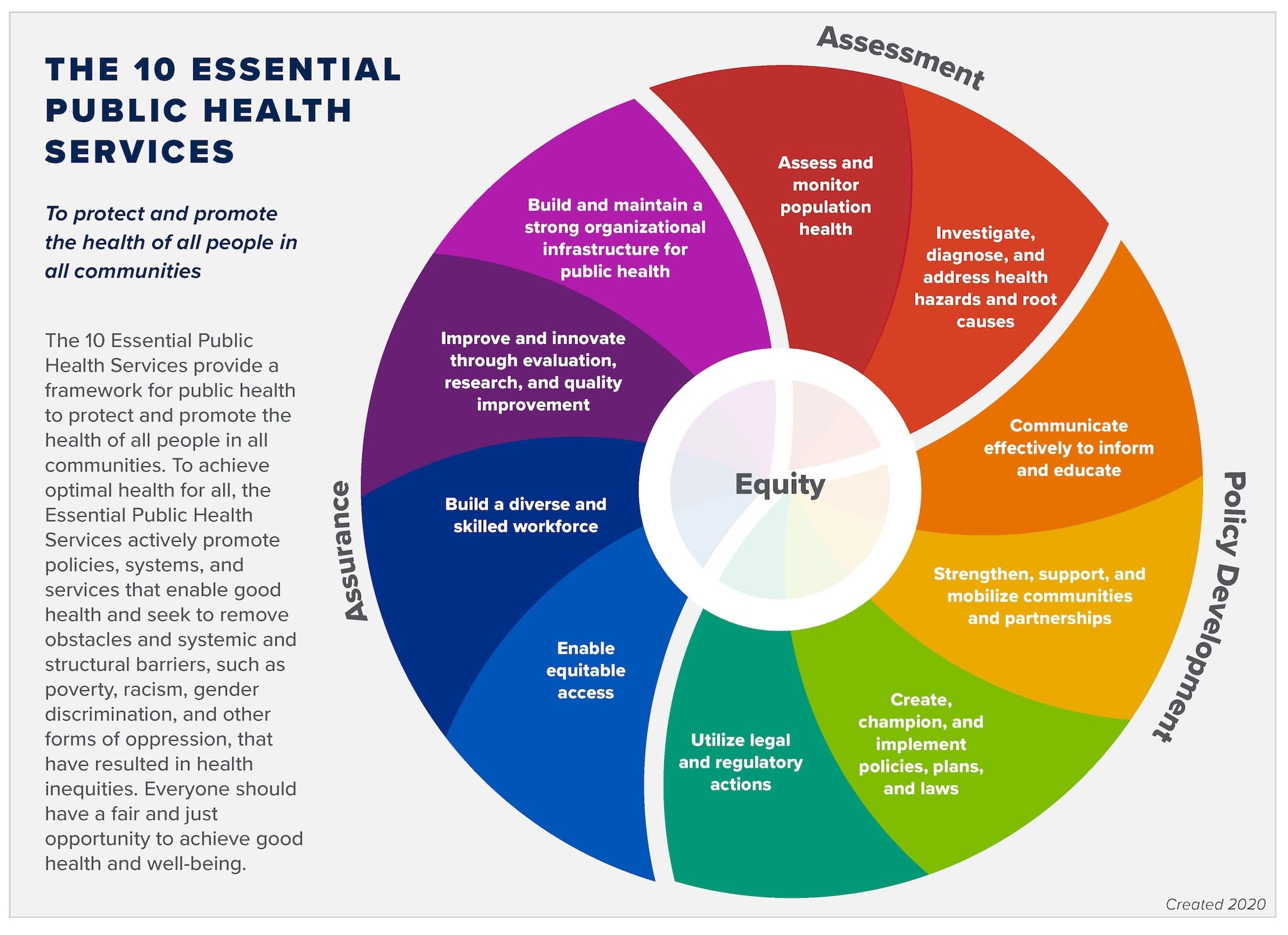
Educating the public about the importance of healthcare workforce development is key to garnering support and understanding for initiatives in this field. By raising awareness about the critical role that healthcare professionals play in ensuring the health and well-being of individuals and communities, you can help generate public support for policies and investments that support workforce development. This can be done through public campaigns, media outreach, and educational initiatives targeted at different segments of the population.
Advocating for public investments in healthcare workforce initiatives is crucial to secure the necessary resources and support for workforce development efforts. By highlighting the return on investment of well-funded and comprehensive healthcare workforce development programs, you can make the case for increased public funding. Public investments can help address workforce shortages, provide scholarships and grants, support infrastructure development, and create opportunities for ongoing professional development.
Promoting the value and impact of a well-trained and diverse healthcare workforce is essential to build public trust and support for workforce development initiatives. By highlighting the contributions of healthcare professionals in promoting health, saving lives, and addressing societal challenges, you can help create a positive perception of the healthcare workforce. Additionally, emphasizing the benefits of diversity and inclusivity in the healthcare workforce can help underscore the importance of supporting initiatives that promote equity and equality in healthcare access.
Monitor and evaluate outcomes
Establishing mechanisms to monitor the effectiveness of healthcare workforce development initiatives is crucial to ensure that resources are allocated effectively and outcomes are achieved. By implementing evaluation systems, you can track key indicators such as workforce retention rates, diversity metrics, and the impact on the quality of care provided. This information can inform decision-making and help identify areas for improvement and further investment.
Collecting data on key indicators such as workforce retention, diversity, and quality of care is vital for evaluating the effectiveness of healthcare workforce development initiatives. By gathering comprehensive data, you can assess the impact of different strategies and interventions, identify trends and patterns, and make informed decisions regarding resource allocation and program improvement. Data collection should be done systematically and consistently to provide accurate and reliable information for evaluation purposes.
Using evaluation findings to inform future policy and programmatic decisions is key to ensuring that healthcare workforce development initiatives continue to evolve and remain effective. By analyzing and interpreting evaluation results, you can identify successful approaches, areas for improvement, and potential gaps in current programs. This information can then be used to make data-driven decisions, refine strategies, and develop new policies that better support the needs of the healthcare workforce and the communities they serve.
In conclusion, supporting policy initiatives for healthcare workforce development requires a multifaceted approach that encompasses advocacy, collaboration, innovation, and evaluation. By advocating for funding and resources, collaborating with educational institutions and private industry, advocating for policy changes, promoting research and innovation, engaging healthcare professionals, addressing workforce shortages and maldistribution, supporting interdisciplinary collaboration, raising public awareness, and monitoring and evaluating outcomes, you can contribute to the development of a skilled, diverse, and resilient healthcare workforce capable of meeting the evolving needs of individuals and communities.