Welcome to an article discussing the importance of advocating for patient rights in the healthcare system. Advocacy plays a crucial role in ensuring that patients receive fair treatment, access to quality healthcare, and are empowered to make informed decisions about their health. By promoting patient rights through advocacy, we can create a healthcare system that is more patient-centered and responsive to the needs of individuals. Join us as we explore the ways in which advocacy can improve healthcare outcomes and empower patients to take control of their health and well-being. Have you ever wondered how you can advocate for your rights as a patient?
Understanding Patient Rights
As a patient, you have certain rights that protect you during the healthcare process. These rights ensure that you receive quality care, have access to information, and are involved in your treatment decisions. In this article, we will discuss how you can advocate for your rights as a patient through various advocacy strategies.
Patient Rights Overview
Patient rights encompass a wide range of principles that protect individuals seeking healthcare services. These rights are designed to empower patients and ensure that they receive fair and ethical treatment from healthcare providers. Some common patient rights include the right to:
- Informed consent
- Privacy and confidentiality
- Access to medical records
- Quality care
- Transparent billing practices
By understanding these rights, you can advocate for yourself and ensure that your needs are met throughout your healthcare journey.

Strategies for Advocating for Patient Rights
Advocating for your rights as a patient requires proactive communication and assertiveness. There are several strategies you can use to advocate for yourself and ensure that your rights are respected.
Communication
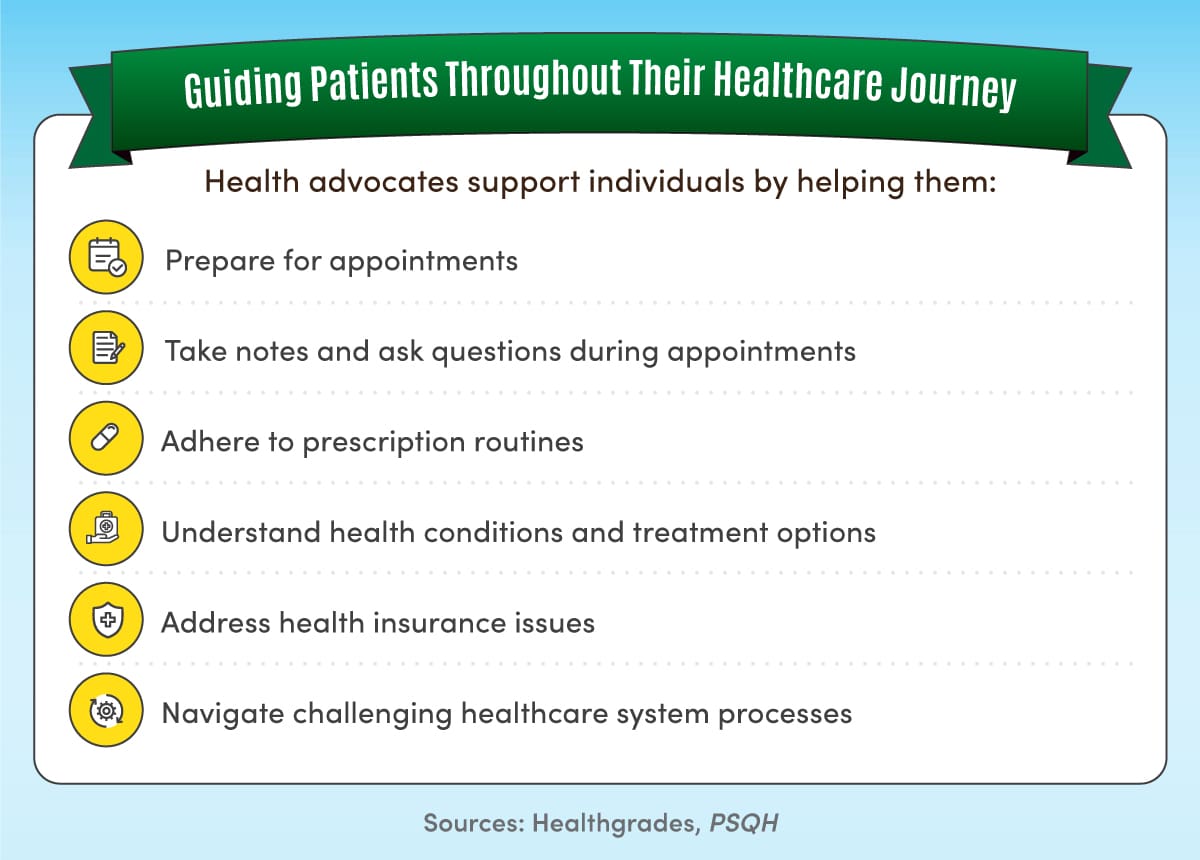
Effective communication is key to advocating for your patient rights. Make sure to ask questions, express your concerns, and communicate your preferences to your healthcare providers. By being an active participant in your care, you can ensure that your needs are met and that your rights are respected.
Education
Educate yourself about your rights as a patient and familiarize yourself with the relevant laws and regulations. This knowledge will empower you to advocate for yourself and hold your healthcare providers accountable. Take the time to research your rights and ensure that you are informed about the policies and procedures that govern your care.
Assertiveness
Be assertive in asserting your rights as a patient. If you feel that your rights are being violated or that you are not receiving the care you deserve, speak up and voice your concerns. Remember that you have the right to advocate for yourself and demand the quality care you deserve.
Collaboration
Collaborate with your healthcare team to ensure that your rights are respected. Work together with your providers to develop a care plan that meets your needs and preferences. By building a collaborative relationship with your healthcare team, you can advocate for your rights and receive personalized care that aligns with your values.
Advocacy Resources for Patients
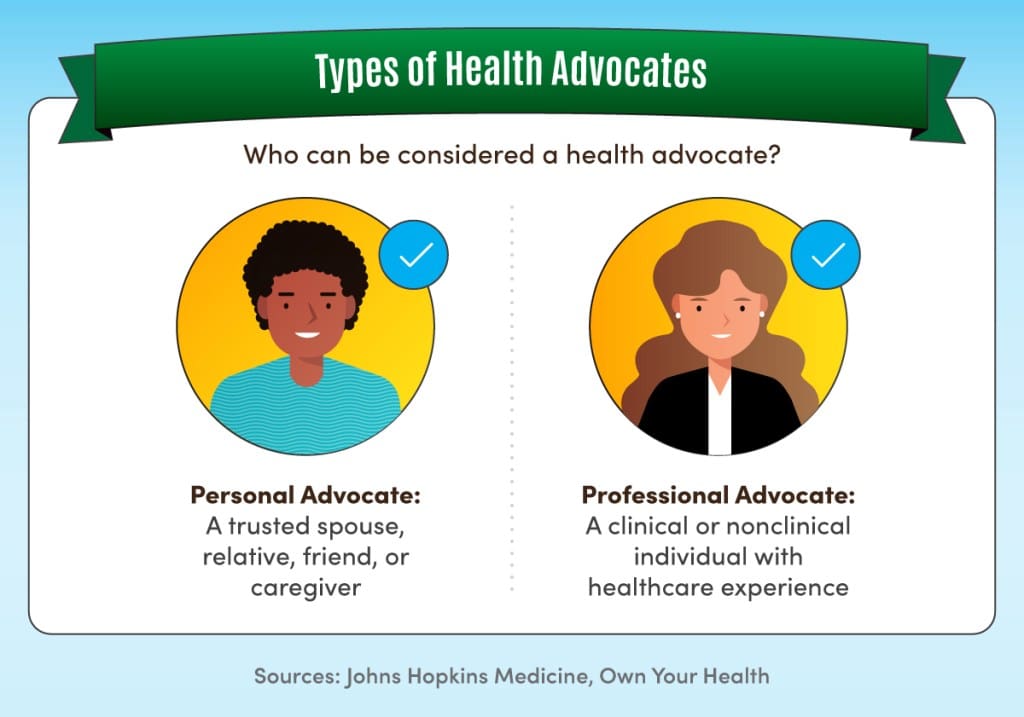
Advocating for your rights as a patient can be challenging, especially if you are navigating a complex healthcare system. Fortunately, there are resources available to help you advocate for yourself and ensure that your rights are respected.
Patient Advocacy Organizations
Patient advocacy organizations are dedicated to promoting patient rights and empowering individuals to advocate for themselves. These organizations provide resources, support, and information to help patients navigate the healthcare system and assert their rights. Some examples of patient advocacy organizations include:
| Organization Name | Mission Statement |
|---|---|
| Patient Advocate Foundation | “Providing patient advocacy services to individuals facing barriers to healthcare access.” |
| National Patient Advocate Foundation | “Empowering patients to assert their rights and access quality healthcare services.” |
| Patient Rights Association | “Advocating for patients’ rights and promoting transparency in healthcare practices.” |
By connecting with these organizations, you can access valuable resources and support to help you advocate for your rights as a patient.
Legal Assistance
If you believe that your patient rights have been violated, you may benefit from seeking legal assistance. Legal professionals specializing in healthcare law can help you understand your rights, navigate legal processes, and advocate for justice. Consult with a healthcare attorney if you have concerns about your rights as a patient and need expert guidance.
Support Groups
Joining a patient support group can provide you with a supportive community of individuals who understand your experiences and can offer guidance and encouragement. These groups offer a safe space to share your journey, receive emotional support, and learn from others who are advocating for their rights as patients.
Conclusion
Advocating for your rights as a patient is essential to ensuring that you receive quality care and are treated with respect throughout your healthcare journey. By understanding your patient rights, communicating effectively, and utilizing advocacy resources, you can empower yourself to advocate for the care you deserve. Remember that you have the right to assert your needs, ask questions, and take an active role in your healthcare decisions. Your voice matters, and advocating for your rights is a powerful way to ensure that you receive the best possible care.