
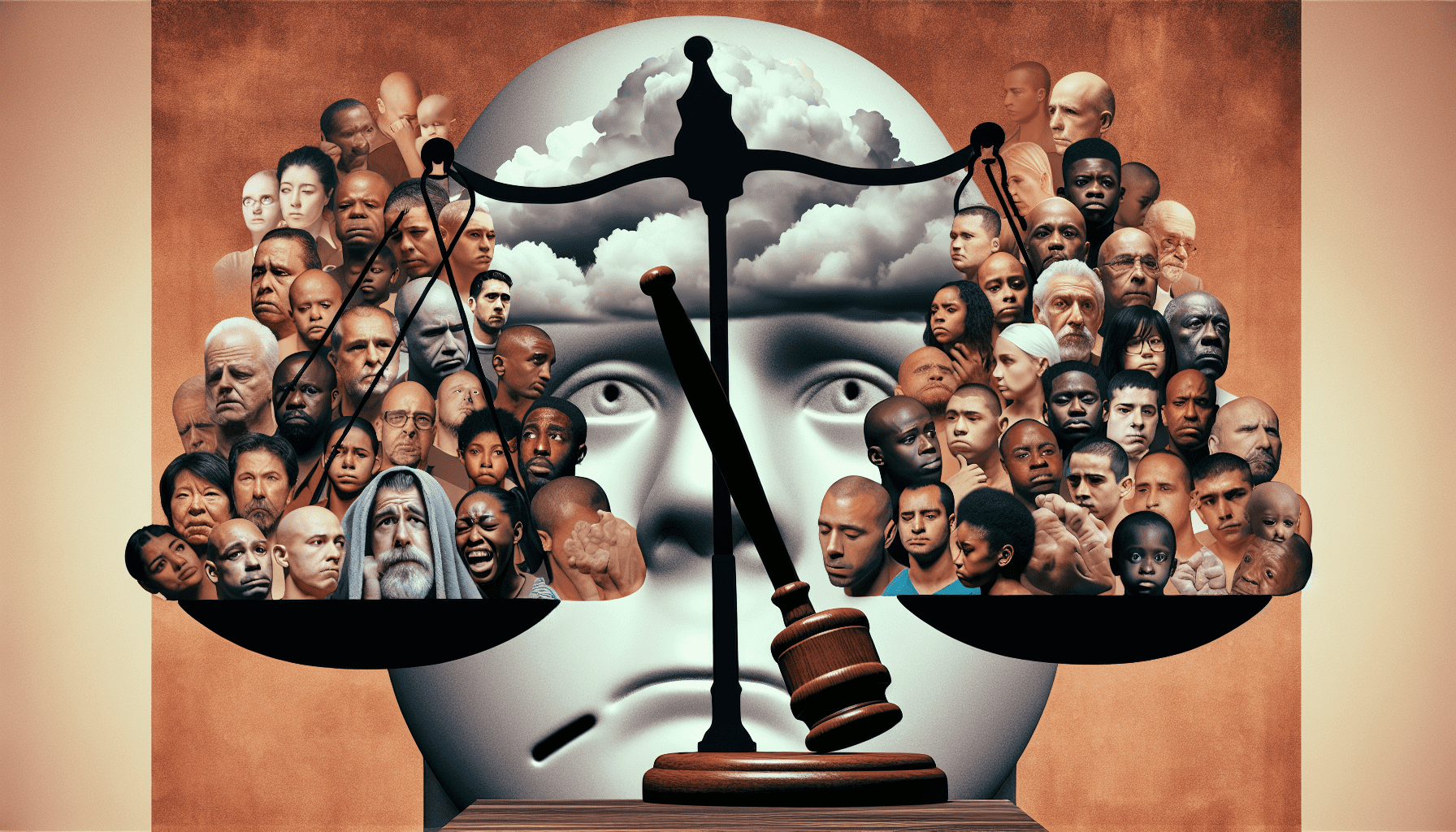
In this article, you will gain valuable insights into the crucial connection between mental health and criminal justice policy. Discover how these two areas intersect and affect individuals within society. Explore the impact of inadequate mental health services on the criminal justice system, as well as the potential solutions and reforms needed to improve the overall well-being of both offenders and the community. By understanding this intersection, we can work towards creating a more compassionate and effective system that prioritizes mental health support for all.
Background
The relationship between mental health and criminal justice
Mental health and the criminal justice system are closely intertwined. Research has consistently shown that individuals with mental health disorders are more likely to come into contact with the criminal justice system. This relationship can be attributed to a variety of factors, including the lack of accessible mental health services, the criminalization of mental illness, and the impact of untreated or undertreated mental health conditions on behavior.
The impact of mental health on criminal behavior
Mental health issues can significantly influence an individual’s behavior, potentially leading to criminal activities. Factors such as impaired decision-making, impulsivity, and distorted perceptions of reality can greatly contribute to a person’s engagement in criminal behavior. Additionally, individuals with mental health disorders may face stigma and discrimination, which further exacerbates their vulnerability to involvement in criminal activities.
The role of mental health in the criminal justice system
Within the criminal justice system, mental health plays a complex role. While it is crucial to hold individuals accountable for their actions, it is equally important to understand the underlying mental health factors contributing to criminal behavior. Recognizing the role of mental health allows us to explore alternative approaches to addressing and preventing criminal activity, effectively supporting individuals in their rehabilitation and reducing recidivism rates.
Mental Health and Criminal Justice Policy
The need for mental health reform in the criminal justice system
The current state of mental health in the criminal justice system calls for urgent reform. The overrepresentation of individuals with mental health disorders within the system highlights the need for comprehensive policy changes that prioritize mental health care and support. By addressing the root causes of mental health-related criminal behavior and ensuring access to appropriate treatment, we can work towards fostering healthier communities and reducing the burden on the criminal justice system.
Current policies addressing mental health in the criminal justice system
Several policies have been implemented to address the intersection of mental health and the criminal justice system. These policies range from crisis intervention training programs for law enforcement to the establishment of mental health courts. While these efforts are steps in the right direction, further improvements are necessary to provide comprehensive and effective mental health care within the justice system.
Challenges in implementing effective policies
Despite the existence of various policies, challenges persist in implementing effective mental health initiatives within the criminal justice system. Limited funding, fragmented systems, and inadequate resources pose significant obstacles to achieving meaningful change. Additionally, the complexity of mental health conditions and the varying needs of individuals make it necessary to develop tailored approaches that address individual needs while considering public safety.
Diversion Programs
Definition and purpose
Diversion programs aim to divert individuals with mental health disorders away from the traditional criminal justice process and towards community-based treatment and support. These programs recognize the underlying mental health issues contributing to criminal behavior and offer individuals the opportunity to receive appropriate care and services rather than being incarcerated.
Types of diversion programs
There are various types of diversion programs, each with its own objectives and target populations. Pre-booking diversion programs intervene at the earliest stages of encounters with law enforcement, diverting individuals to mental health providers rather than arresting them. Post-booking diversion programs operate after an arrest has occurred, offering alternatives to incarceration such as mental health treatment, counseling, or specialized court programs.
Effectiveness and limitations of diversion programs
Research has shown that diversion programs can be effective in reducing recidivism rates among individuals with mental health disorders. By addressing the underlying mental health issues, these programs address the root causes of criminal behavior. However, limitations exist, including limited program availability, lack of funding, and challenges in coordinating services between criminal justice and mental health agencies.
Mental Health Courts
Introduction to mental health courts
Mental health courts are specialized court programs designed to address the needs of individuals with mental health disorders who come into contact with the criminal justice system. These courts employ a problem-solving approach that focuses on treatment, rehabilitation, and support, rather than punishment.
Objectives and principles
The primary objectives of mental health courts include reducing recidivism rates, improving mental health outcomes, and promoting the overall well-being of individuals with mental health disorders. These courts are guided by principles of fairness, collaboration, individualized treatment, and community integration. By addressing both the criminal charges and mental health needs of participants, mental health courts aim to break the cycle of criminal behavior driven by untreated mental health conditions.
Key components and procedures
Mental health courts typically involve a multidisciplinary team consisting of judges, prosecutors, defense attorneys, mental health professionals, and social service providers. The team collaborates to develop individualized treatment plans, monitor progress, and provide necessary support services. Participants are regularly evaluated and must adhere to treatment requirements and court-imposed conditions.
Outcomes and challenges
Studies have shown promising outcomes associated with mental health courts, including reduced recidivism rates, increased engagement in mental health treatment, and improved overall well-being. However, challenges still exist, such as ensuring access to comprehensive mental health services, addressing the stigma surrounding mental illness, and maintaining consistent funding and resources to sustain these specialized court programs.
Preventing Criminalization of Mental Illness
Community mental health initiatives
Preventing the criminalization of mental illness requires a community-based approach that focuses on providing comprehensive mental health services and support. By investing in community mental health initiatives, such as mental health clinics, crisis hotlines, and peer support programs, individuals with mental health disorders can receive timely interventions, reducing the likelihood of engaging in criminal behavior.
Crisis intervention teams
Crisis intervention teams (CIT) play a crucial role in preventing the unnecessary involvement of individuals with mental health disorders in the criminal justice system. CIT programs train law enforcement officers to appropriately identify and respond to individuals experiencing a mental health crisis. By providing officers with the necessary knowledge and skills, CIT programs can prevent potentially dangerous situations and divert individuals to appropriate mental health services.
Training for law enforcement and correctional staff
Another essential aspect of preventing the criminalization of mental illness is providing training to law enforcement and correctional staff. This training should focus on recognizing the signs and symptoms of mental health disorders, understanding the impact of trauma, and implementing de-escalation techniques. By increasing awareness and promoting empathy, law enforcement and correctional staff can better respond to individuals with mental health needs, ultimately reducing the likelihood of unnecessary arrests and incarceration.
The Role of Rehabilitation
Importance of mental health treatment in rehabilitation
Mental health treatment plays a vital role in the rehabilitation process for individuals within the criminal justice system. By addressing underlying mental health issues, individuals can gain coping skills, improve their overall well-being, and reduce the likelihood of reoffending. Effective treatment interventions, such as therapy, medication management, and support groups, are essential components of rehabilitation programs.
Access to mental health services in prison
Access to mental health services within the prison system is crucial to ensure the well-being and successful rehabilitation of incarcerated individuals. Providing comprehensive mental health care, including psychiatric evaluations, medication management, and counseling, can help address the specific needs of individuals with mental health disorders while they serve their sentences. Additionally, robust discharge planning that includes continuity of care upon release is essential to facilitate a smooth transition back into the community.
Reentry and continuity of care
Reentry into society following incarceration presents a critical juncture for individuals with mental health disorders. To prevent recidivism and support successful community integration, ensuring continuity of mental health care is essential. This may involve connecting individuals with community-based mental health providers, coordinating supportive services, and addressing any ongoing treatment needs. By facilitating a seamless transition, individuals can access the necessary support to maintain stability and reduce the risk of reoffending.
Addressing Systemic Issues
Disparities in the criminal justice system
Systemic disparities within the criminal justice system exacerbate the challenges faced by individuals with mental health disorders. Racial and socioeconomic disparities, as well as disparities in access to mental health services, contribute to the overrepresentation of certain populations within the criminal justice system. Addressing these disparities requires a holistic approach that considers social determinants of health, tackles systemic bias, and promotes equitable access to mental health care and support.
Overrepresentation of mentally ill individuals in the criminal justice system
There is a concerning overrepresentation of individuals with mental health disorders within the criminal justice system. This overrepresentation highlights the failures of the mental health care system, including a lack of community-based mental health services and inadequate diversion programs. By investing in early intervention, expanding mental health services, and implementing effective diversion strategies, we can reduce the unnecessary involvement of individuals with mental illnesses in the criminal justice system.
Racial and ethnic disparities
Racial and ethnic disparities exist within the intersection of mental health and criminal justice. Individuals from marginalized communities, particularly Black, Indigenous, and people of color (BIPOC), often face disproportionate rates of arrest and incarceration. Addressing racial and ethnic disparities requires comprehensive policy reforms, including increased cultural competency training for professionals, eliminating racial profiling, and promoting equitable access to mental health care.
Collaboration Between Mental Health and Criminal Justice Systems
Interagency collaboration
Collaboration between mental health and criminal justice systems is crucial for effectively addressing the needs of individuals with mental health disorders within the criminal justice system. This collaboration involves sharing information, developing integrated approaches to care, and coordinating services to ensure seamless transitions between systems. By working together, these agencies can provide comprehensive support that addresses the underlying mental health factors contributing to criminal behavior.
Information sharing and communication
Effective information sharing and communication between mental health and criminal justice systems are vital to ensure a coordinated response to individuals with mental health disorders. Confidentiality regulations and protocols must be in place to facilitate the exchange of critical information while safeguarding privacy rights. By establishing clear lines of communication and promoting collaboration, mental health and criminal justice agencies can provide more efficient and tailored support to individuals within the system.
Building partnerships
Building sustainable partnerships between mental health and criminal justice systems is essential for long-term success. This includes fostering relationships among key stakeholders, such as mental health professionals, law enforcement agencies, correctional facilities, and community organizations. Collaborative efforts can result in the development of innovative programs, the sharing of resources, and the promotion of best practices, ultimately leading to improved outcomes for individuals with mental health disorders involved in the criminal justice system.
International Perspectives and Best Practices
Comparative analysis of mental health and criminal justice policies
Examining mental health and criminal justice policies in other countries provides valuable insights and lessons that can inform policy development and implementation. Comparative analysis includes exploring different diversion programs, specialized court models, and approaches to community-based mental health initiatives. By learning from international experiences, policymakers can adapt successful practices and tailor them to the specific needs and context of their own jurisdictions.
Promising practices in other countries
Several countries have embraced promising practices that effectively address mental health within the criminal justice system. For example, the United Kingdom’s Liaison and Diversion services provide comprehensive mental health assessments at police stations and courts, diverting individuals to appropriate treatment and support. The Crisis Intervention Team (CIT) model in the United States has been widely recognized for its success in training law enforcement officers to respond to mental health crises effectively. By exploring these promising practices, countries can draw inspiration and adapt strategies that align with their own resources and systems.
Lessons learned from international experiences
International experiences highlight the importance of a multi-faceted approach that combines community mental health initiatives, diversion programs, specialized courts, and collaboration between mental health and criminal justice systems. Key lessons learned include the need for long-term planning, adequate funding, and continuous evaluation and adaptation of policies and programs. By embracing these lessons, countries can strive towards more effective and inclusive mental health and criminal justice policies.
Future Directions
Emerging trends in mental health and criminal justice policy
As our understanding of mental health and its intersection with the criminal justice system deepens, emerging trends are shaping the future of policy development. These trends include a focus on trauma-informed approaches, the expansion of diversion programs, increased community involvement, and the integration of technology in mental health care and criminal justice systems. By embracing these emerging trends, policymakers can anticipate and address evolving needs and challenges.
The need for evidence-based approaches
Moving forward, it is crucial to base mental health and criminal justice policies on evidence-based approaches. By conducting rigorous research and evaluation, policymakers can identify programs and interventions that have demonstrated effectiveness in reducing recidivism rates, improving mental health outcomes, and promoting overall public safety. Emphasizing evidence-based approaches ensures that resources are allocated to strategies that have tangible impacts and reduce harm.
Addressing the long-term impact of trauma
Recognizing and addressing the long-term impact of trauma is essential within the mental health and criminal justice context. Many individuals involved in the criminal justice system have experienced traumatic events, which can contribute to mental health disorders and criminal behavior. By prioritizing trauma-informed care and providing specialized support, policymakers can help break the cycle of trauma, promote healing, and support individuals in their journey to rehabilitation and reintegration into society.
In conclusion, the intersection of mental health and criminal justice policy demands comprehensive, compassionate, and evidence-based approaches. By addressing the underlying mental health factors contributing to criminal behavior, implementing effective diversion programs and mental health courts, preventing the criminalization of mental illness, promoting rehabilitation, addressing systemic issues, fostering collaboration, and learning from international experiences, we can create a more just and inclusive criminal justice system. As we look towards the future, embracing emerging trends and prioritizing evidence-based approaches will allow us to navigate the complexities of the mental health and criminal justice landscape and build healthier and safer communities for all.