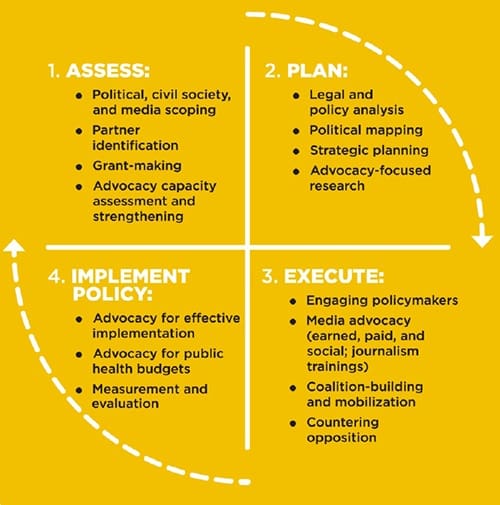
Welcome to an insightful article on the impact of advocacy on healthcare legislation. Advocacy plays a crucial role in shaping the laws and policies that govern our healthcare system. By raising awareness, mobilizing individuals, and influencing decision-makers, advocates can bring about positive changes that improve access to healthcare services, quality of care, and overall health outcomes for all. Join us as we explore the powerful impact of advocacy on shaping the future of healthcare legislation. Have you ever wondered how advocacy plays a role in shaping healthcare legislation? Let’s explore the impact of advocacy on healthcare legislation and how your voice can make a difference in shaping policies that affect all of us.

Understanding Healthcare Legislation
Healthcare legislation refers to the laws and regulations that govern the healthcare system in a country. These laws determine how healthcare services are provided, funded, and regulated. Understanding healthcare legislation is essential for advocating for changes that can improve access to quality healthcare for all.
What Is Healthcare Legislation?
Healthcare legislation encompasses a wide range of laws and regulations that impact the healthcare system. These laws can cover issues such as healthcare delivery, insurance coverage, patient rights, healthcare provider standards, and public health initiatives. By advocating for changes in healthcare legislation, you can help shape the future of healthcare in your country.
The Role of Advocacy in Healthcare Legislation
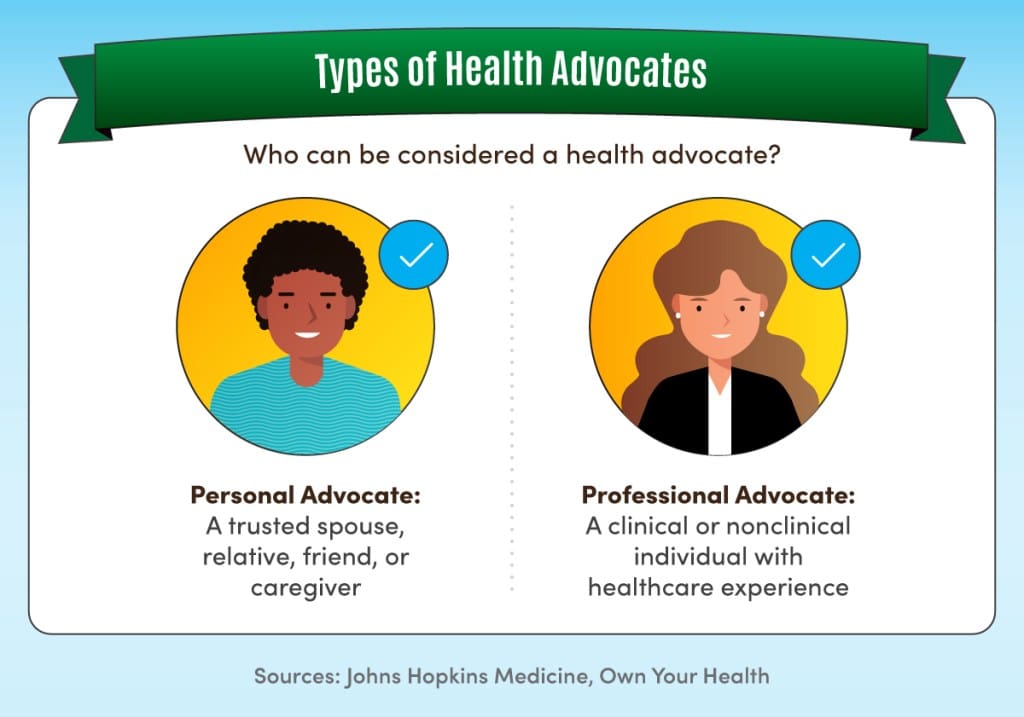
Advocacy plays a crucial role in influencing healthcare legislation. Advocates are individuals or organizations that work to promote specific causes or policies. They educate lawmakers and the public about important healthcare issues, mobilize support for legislative changes, and push for reforms that benefit patients and communities.
How Does Advocacy Influence Healthcare Legislation?
Advocacy can influence healthcare legislation in several ways. Advocates can provide policymakers with valuable information and data to support their proposed changes. They can also mobilize grassroots support for healthcare reforms, making it more likely that lawmakers will take action. By working together, advocates can amplify their voices and have a greater impact on shaping healthcare policies.
Your Role in Healthcare Advocacy
As an individual, you have the power to make a difference in healthcare advocacy. By speaking out about the issues that matter to you, contacting your elected officials, and participating in advocacy campaigns, you can help shape healthcare legislation that reflects the needs of patients and communities. Your voice matters, and your advocacy can help drive positive changes in the healthcare system.

Examples of Successful Healthcare Advocacy Efforts
There have been many successful healthcare advocacy efforts that have led to significant changes in healthcare legislation. These efforts have helped expand access to care, improve patient outcomes, and strengthen healthcare systems. By learning from these examples, you can see the impact that advocacy can have on shaping healthcare policies.
Expanding Medicaid Coverage
One notable example of successful healthcare advocacy is the expansion of Medicaid coverage in several states. Advocates worked tirelessly to raise awareness about the importance of expanding Medicaid to provide healthcare coverage to low-income individuals and families. Their efforts led to changes in state laws and regulations that allowed more people to access affordable healthcare.
Mental Health Parity Laws
Advocates have also been instrumental in pushing for laws that ensure mental health parity in healthcare coverage. These laws require insurance companies to provide equal coverage for mental health and substance use disorder treatments as they do for other medical services. By advocating for mental health parity laws, advocates have helped reduce barriers to care for individuals with mental health conditions.
Patient Bill of Rights
Advocates have successfully lobbied for the creation of patient bill of rights laws that protect patients’ rights and ensure they receive high-quality care. These laws outline patients’ rights to access their medical records, make informed decisions about their care, and receive respectful treatment from healthcare providers. Patient bill of rights laws empower patients to advocate for themselves and hold healthcare providers accountable for delivering quality care.
Tips for Effective Healthcare Advocacy
If you’re passionate about healthcare issues and want to make a difference in shaping healthcare legislation, there are several tips you can follow to become a more effective advocate. By following these tips, you can amplify your voice, mobilize support for your cause, and drive positive changes in the healthcare system.
Educate Yourself
Before advocating for specific healthcare issues, take the time to educate yourself about the topic. Research relevant laws and regulations, review data and statistics, and understand the implications of proposed changes. By becoming knowledgeable about the issues, you can make a more compelling case for your cause.
Build Relationships with Lawmakers
Building relationships with lawmakers is essential for effective healthcare advocacy. Reach out to your elected officials, introduce yourself, and share your concerns and priorities with them. By establishing a dialogue with policymakers, you can become a trusted resource on healthcare issues and help shape their decisions on legislative matters.
Mobilize Support
Mobilizing support for your advocacy efforts is key to driving change in healthcare legislation. Reach out to like-minded individuals and organizations, form coalitions, and collaborate on advocacy campaigns. By mobilizing a strong support base, you can increase the visibility of your cause and make a stronger impact on policymakers.
Use Your Voice
Your voice is a powerful tool for advocacy. Speak out about the healthcare issues that matter to you, share your personal experiences, and advocate for changes that will benefit patients and communities. Whether through writing letters, making phone calls, or participating in rallies, use your voice to make a difference in shaping healthcare legislation.

Conclusion
Advocacy plays a crucial role in shaping healthcare legislation and driving positive changes in the healthcare system. By becoming an effective advocate, you can help influence legislative decisions, improve access to care, and enhance patient outcomes. Your voice matters, and your advocacy can make a difference in creating a healthier future for all. Get involved, speak out, and advocate for the changes you want to see in healthcare legislation. Together, we can make a difference.