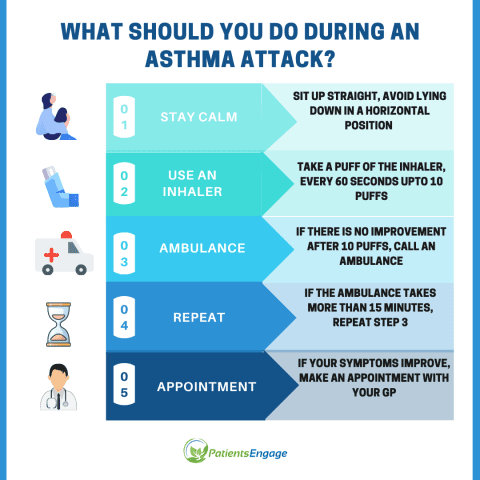
Welcome to a comprehensive guide on effective methods for managing asthma attacks. Whether you have recently been diagnosed with asthma or have been living with it for years, it’s important to have a solid plan in place for managing sudden flare-ups. From quick-relief inhalers to avoiding triggers, this article will cover a range of strategies to help you breathe easier and cope with asthma attacks more effectively. By implementing these techniques, you can feel more confident in your ability to manage this chronic condition and improve your quality of life. Have you or a loved one been diagnosed with asthma? If so, you’re not alone. According to the Centers for Disease Control and Prevention, approximately 25 million Americans have asthma. Managing asthma attacks can be daunting, but with the right strategies, you can lead a full and active life. In this article, we’ll discuss effective methods for managing asthma attacks that you can incorporate into your daily routine to stay healthy and breathe easier.
Understanding Asthma: What Is It?
Asthma is a chronic respiratory condition that affects the airways in the lungs, causing them to become inflamed and narrowed. This inflammation leads to symptoms such as coughing, wheezing, shortness of breath, and chest tightness. Asthma attacks occur when these symptoms worsen suddenly, making it difficult to breathe. Understanding the basics of asthma is crucial in managing the condition effectively.
Asthma Triggers: What Sets Off an Attack?
Asthma attacks can be triggered by a variety of factors, including allergies, respiratory infections, exercise, airborne pollutants, and stress. Identifying and avoiding your specific triggers is key to preventing asthma attacks. Common triggers include smoke, pet dander, pollen, mold, dust mites, and strong odors.
Medication Management: The Cornerstone of Asthma Treatment
Medications play a vital role in managing asthma attacks by reducing inflammation in the airways and relaxing the muscles around them. There are two main types of asthma medications: quick-relief medications for immediate relief during an attack and long-term control medications to prevent future attacks.
Quick-Relief Medications (Rescue Inhalers)
Quick-relief medications, also known as rescue inhalers, provide fast-acting relief during an asthma attack by opening up the airways. These medications contain short-acting beta-agonists such as albuterol, which help relax the muscles around the airways. It’s important to have your rescue inhaler with you at all times in case of an emergency.
Long-Term Control Medications
Long-term control medications are taken on a daily basis to manage asthma symptoms and prevent attacks from occurring. These medications include inhaled corticosteroids, long-acting beta-agonists, leukotriene modifiers, and combination inhalers. It’s essential to follow your healthcare provider’s instructions and take your long-term medications regularly to keep your asthma under control.
Asthma Action Plan: A Blueprint for Managing Your Condition
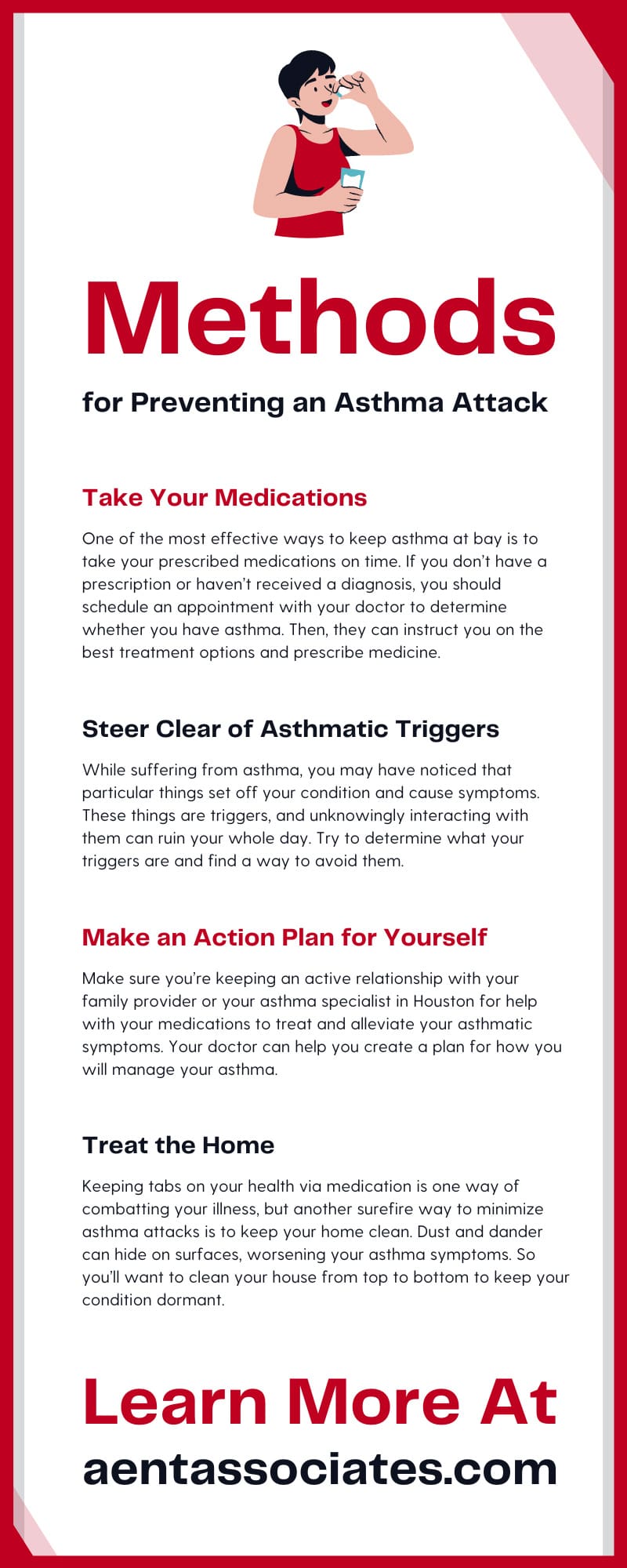
An asthma action plan is a personalized guide developed by your healthcare provider that outlines steps to take in response to worsening symptoms or an asthma attack. This plan helps you recognize warning signs, understand how to use your medications effectively, and know when to seek emergency medical care. By following your asthma action plan, you can take control of your condition and reduce the risk of severe attacks.
Components of an Asthma Action Plan
- Symptom Monitoring: Keep track of your asthma symptoms and peak flow readings to identify patterns and trends.
- Medication Instructions: Understand how to use your medications correctly and when to adjust doses based on your symptoms.
- Emergency Contact Information: Have contact numbers for your healthcare provider, emergency services, and family or friends in case of an emergency.
- Peak Flow Zones: Identify green, yellow, and red zones based on peak flow readings to gauge the severity of your symptoms.
- Triggers and Avoidance: Know your triggers and strategies to avoid them to minimize the risk of asthma attacks.
Environmental Control: Creating a Safe Haven for Breathing
Creating a clean and healthy environment is essential for managing asthma attacks and reducing exposure to triggers. By making simple changes in your home and surroundings, you can create a safe haven for breathing and improve your overall quality of life.
Indoor Air Quality
- Dust: Regularly dust and vacuum your home to reduce dust mites, pet dander, and other allergens that can trigger asthma attacks.
- Mold: Keep your home dry and well-ventilated to prevent mold growth, especially in bathrooms, basements, and kitchens.
- Pollutants: Avoid smoking indoors, use exhaust fans while cooking, and limit the use of scented products to minimize exposure to airborne pollutants.
Allergen Control
- Bedding: Use allergen-proof mattress and pillow covers to reduce exposure to dust mites and wash bedding in hot water weekly.
- Pets: If you have pets, keep them out of bedrooms and off furniture to minimize exposure to pet dander.
- Pollen: Keep windows closed during high pollen seasons and use an air purifier with a HEPA filter to remove allergens from the air.
Nutrition and Exercise: Fueling Your Body for Better Breathing
Maintaining a healthy diet and exercise routine can improve your lung function, boost your immune system, and reduce asthma symptoms. By fueling your body with the right nutrients and staying active, you can support your respiratory health and minimize the risk of asthma attacks.
Anti-Inflammatory Foods
- Omega-3 Fatty Acids: Incorporate sources of omega-3 fatty acids such as fatty fish, flaxseeds, and walnuts into your diet to reduce inflammation in the airways.
- Vitamin D: Get adequate sun exposure or take vitamin D supplements to support your immune system and reduce asthma severity.
- Antioxidants: Eat a variety of colorful fruits and vegetables rich in antioxidants to reduce oxidative stress and support respiratory health.
Asthma-Friendly Exercises
- Yoga: Practicing yoga can improve breathing techniques, strengthen respiratory muscles, and reduce stress and anxiety associated with asthma.
- Walking: Engaging in low-impact activities like walking can improve cardiovascular health, enhance lung function, and promote overall well-being.
- Swimming: Swimming is an excellent exercise for people with asthma as the warm, humid air in indoor pools can be less irritating to the airways.
Stress Management: Relaxation Techniques for Calm Breathing
Stress and anxiety can exacerbate asthma symptoms and trigger attacks in some individuals. Learning to manage stress through relaxation techniques can benefit your respiratory health and help you stay calm during challenging situations.
Breathing Exercises
- Deep Breathing: Practice deep breathing exercises to expand your lungs, increase oxygen flow, and promote relaxation.
- Pursed Lip Breathing: Exhale slowly through pursed lips to keep airways open, reduce shortness of breath, and support proper breathing.
- Diaphragmatic Breathing: Focus on breathing from your diaphragm to improve lung capacity, reduce stress, and enhance oxygen exchange.
Mind-Body Practices
- Meditation: Incorporate mindfulness meditation into your daily routine to reduce anxiety, improve focus, and cultivate a sense of calmness.
- Progressive Muscle Relaxation: Tense and relax different muscle groups in your body to release tension, reduce stress, and encourage deep relaxation.
- Guided Imagery: Visualize peaceful scenes or positive outcomes to shift your focus, distract from negative thoughts, and promote a sense of well-being.
Seeking Professional Help: Working with Your Healthcare Team
Consulting with your healthcare provider is essential in managing asthma attacks effectively. By working closely with your primary care physician, allergist, or pulmonologist, you can develop a comprehensive treatment plan tailored to your individual needs and preferences.
Regular Check-Ups
- Health History: Provide a detailed health history, including previous asthma attacks, triggers, medications, and lifestyle factors, to your healthcare provider.
- Lung Function Tests: Undergo spirometry and peak flow tests regularly to assess your lung function and monitor changes in airflow.
- Medication Review: Discuss your current medications, including dosages, side effects, and adherence, with your healthcare provider to optimize your treatment plan.
Asthma Education
- Asthma Basics: Learn about the basics of asthma, including symptoms, triggers, medications, and self-management strategies, to better understand your condition.
- Device Training: Receive training on how to use inhalers, spacers, nebulizers, and peak flow meters correctly to ensure optimal medication delivery.
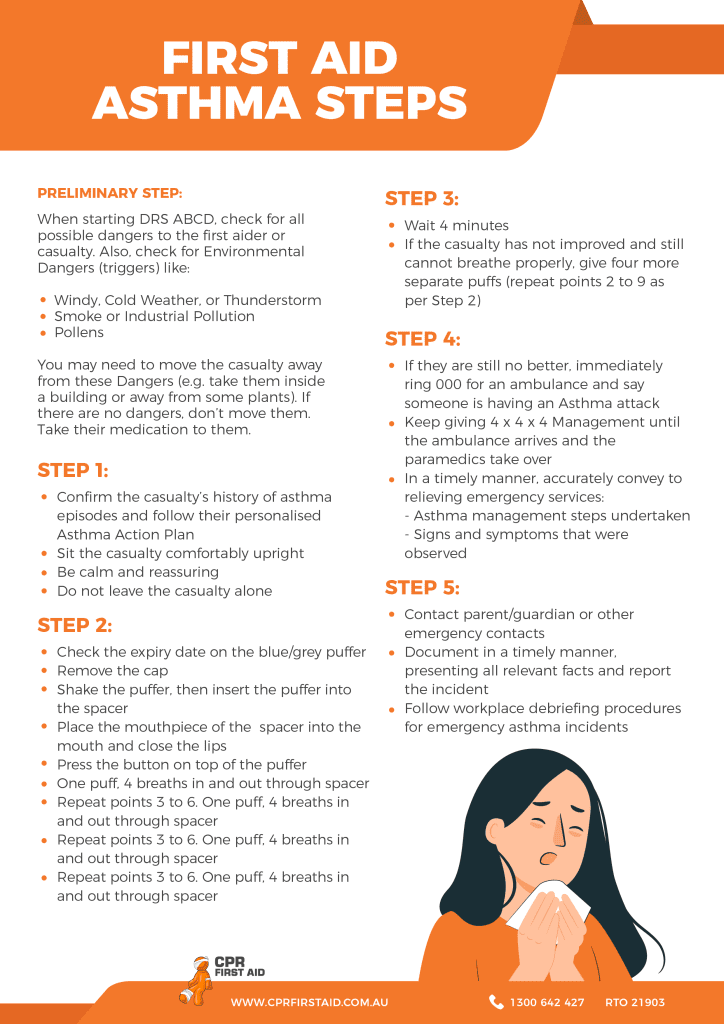
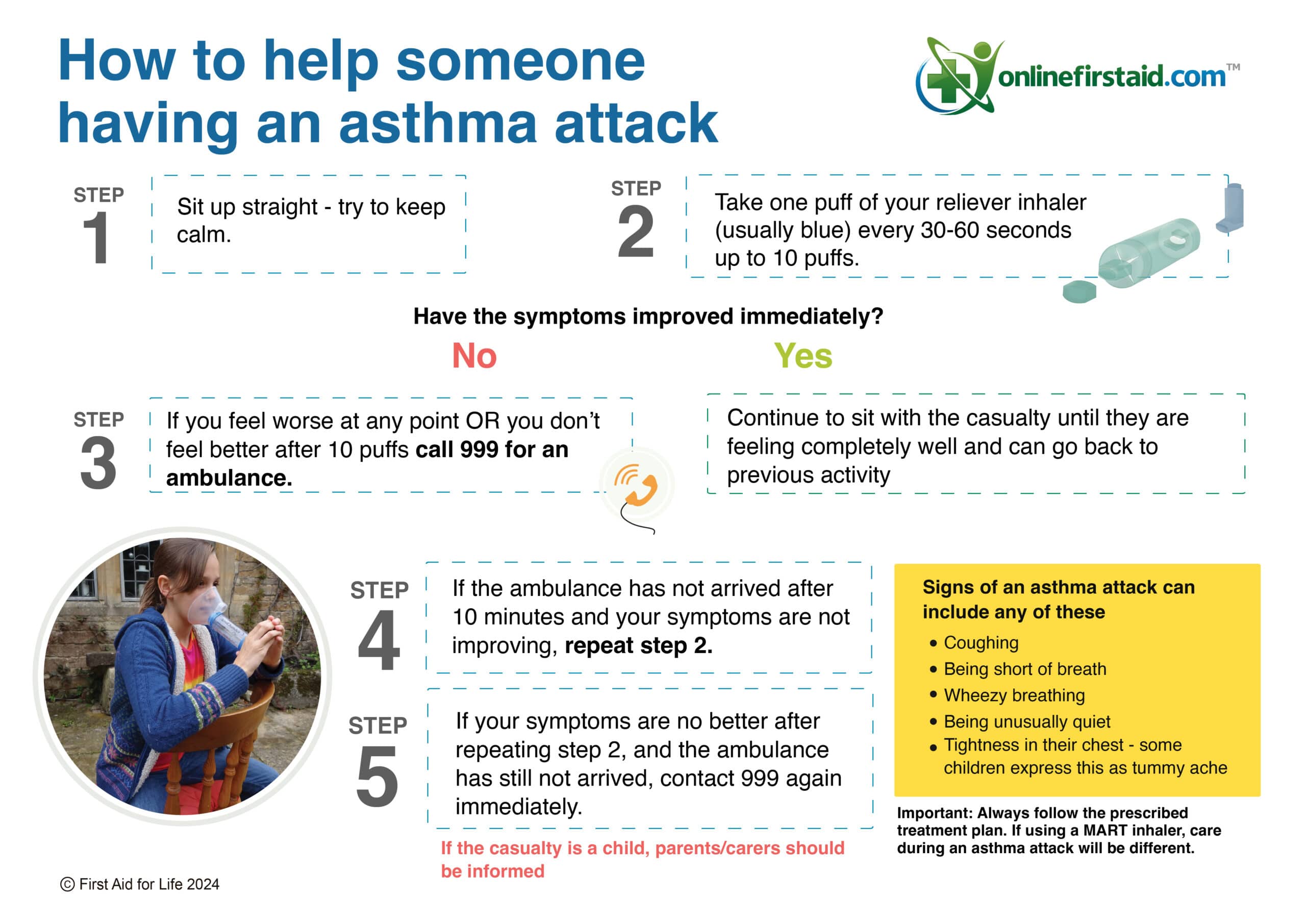
- Emergency Response: Be prepared for emergencies by knowing when to seek medical attention, recognizing asthma attack warning signs, and following your asthma action plan.
Conclusion: Empowering Yourself to Breathe Freely
Managing asthma attacks requires a multifaceted approach that combines medication management, environmental control, nutrition, exercise, stress management, and professional guidance. By incorporating these effective methods into your daily routine and staying proactive about your respiratory health, you can empower yourself to breathe freely and lead a fulfilling life despite having asthma.
Remember, asthma is a chronic condition that requires ongoing care and attention. By taking control of your asthma and working closely with your healthcare team, you can minimize the impact of asthma attacks on your daily life and enjoy better respiratory health in the long run. Stay informed, stay prepared, and most importantly, stay resilient in the face of asthma challenges. You’ve got this!