

In today’s fast-paced and demanding world, finding a balance between work and personal life is becoming increasingly challenging. Feeling overwhelmed and exhausted has become all too common, but fear not, for there are effective strategies to achieve a better work-life balance. By prioritizing your time, setting boundaries, and practicing self-care, you can reclaim control over your life and find harmony between your professional and personal commitments. This article explores the key steps you can take to achieve better work-life balance, allowing you to experience greater fulfillment, productivity, and overall well-being in your daily life.
Assessing Your Current Work-Life Balance
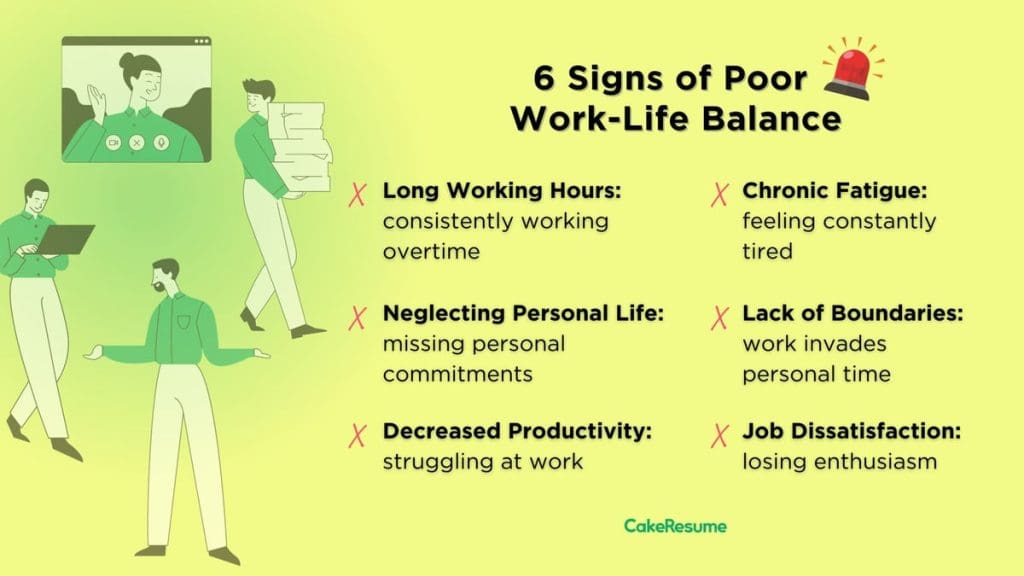
Assessing your current work-life balance is essential for determining areas of imbalance and making necessary adjustments. Take the time to reflect on how you are currently balancing your work and personal life and identify any areas that may be causing stress or dissatisfaction. Are you spending too much time working and neglecting personal relationships, hobbies, or self-care? Are you constantly feeling overwhelmed or burnt out? By identifying these areas, you can begin to take steps towards achieving a better work-life balance.
Identify Areas of Imbalance
When assessing your current work-life balance, it’s important to identify areas of imbalance. Start by taking a close look at your schedule and daily routine. Are you consistently working longer hours than necessary? Are you neglecting personal activities or hobbies that bring you joy? Are there specific work tasks or responsibilities that are taking up too much of your time? By evaluating these areas, you can gain a clearer understanding of where the imbalance lies and make necessary adjustments.
Reflect on Your Priorities
Reflecting on your priorities is a crucial step in achieving a better work-life balance. Take the time to consider what truly matters to you in life. Is it spending quality time with loved ones, pursuing personal interests, or maintaining good physical and mental health? Once you have identified your priorities, you can align your actions and decisions accordingly. This may involve setting boundaries, saying no to certain commitments, or restructuring your schedule to prioritize what matters most to you.
Consider the Impact on Your Well-being
Achieving a better work-life balance is not just about finding more time for leisure activities. It’s also about taking care of your overall well-being. Consider the impact that an imbalance between work and personal life is having on your physical, mental, and emotional health. Are you constantly feeling stressed, drained, or overwhelmed? Do you often neglect self-care or have trouble sleeping? Recognizing the negative impact that an imbalance can have on your well-being can serve as a motivator for making positive changes.
Setting Clear Boundaries
Establishing clear boundaries between work and personal life is essential for maintaining a healthy work-life balance. By doing so, you can create space for both work and leisure activities without them bleeding into each other.
Establish Designated Work Hours
One way to set clear boundaries is by establishing designated work hours. Determine the hours that you will commit to work each day and stick to them. This will help you create a structure and ensure that you have dedicated time for other activities outside of work.

Create a Dedicated Workspace
Creating a dedicated workspace can help signal to your brain that it’s time to focus on work. Whether it’s a separate room, a specific area in your home, or a corner of your office, having a designated space for work can minimize distractions and improve productivity.
Minimize Distractions During Work
To maintain focus and productivity, it’s important to minimize distractions during work hours. Turn off notifications on your phone, close unnecessary tabs on your computer, and communicate to those around you that you need uninterrupted time to work. By reducing distractions, you can accomplish tasks more efficiently and create time for other aspects of your life.
Avoid Overworking
Overworking is a common pitfall in today’s fast-paced society. It’s important to set boundaries around the number of hours you dedicate to work each day and avoid the temptation to constantly be “on.” Remember that rest and leisure time are equally important for your well-being. By avoiding overworking, you can prevent burnout and have more energy to engage in activities outside of work.
Managing Time Effectively
Managing your time effectively is essential for achieving a better work-life balance. By prioritizing tasks, using productivity techniques, delegating when possible, and learning to say no, you can make the most of your time and create space for both work and personal life.
Prioritize Tasks
One of the keys to effective time management is prioritizing tasks. Take a proactive approach by identifying the most important and urgent tasks and tackle them first. This will help you stay focused and prevent procrastination, allowing you to complete tasks efficiently and allocate time for other activities.
Use Productivity Techniques
Productivity techniques such as time blocking and the Pomodoro technique can help you manage your time more effectively. Time blocking involves scheduling specific blocks of time for different activities or tasks. The Pomodoro technique involves working in focused bursts of time, typically 25 minutes, followed by a short break. Experiment with different techniques and find what works best for you in maximizing productivity and balancing your workload.
Delegate Tasks When Possible
Delegating tasks is an effective strategy for managing time and reducing overwhelm. Identify tasks that can be outsourced or assigned to others and seek help when needed. Delegating not only frees up time for other activities but also allows you to focus on tasks that align with your skills and expertise.
Learn to Say No
Learning to say no is an essential skill for achieving a better work-life balance. It’s important to set boundaries and prioritize your own well-being. If you feel overwhelmed or find that a particular commitment doesn’t align with your priorities, don’t hesitate to politely decline. Remember, saying no to one thing often means saying yes to something more important.
Embracing Work-Life Integration
While work-life balance suggests a clear separation between work and personal life, work-life integration focuses on finding overlap and synergy between the two. By combining activities, incorporating interests/hobbies into work, and finding ways to save time, you can achieve a sense of harmony between your work and personal life.
Find Overlap Between Work and Personal Life
Look for opportunities to find overlap between your work and personal life. This could involve pursuing projects or career paths that align with your passions or values. By finding meaning and fulfillment in your work, you can experience a greater sense of satisfaction and enjoyment.
Combine Activities to Save Time
Finding ways to combine activities can also help save time and create a more integrated work-life experience. For example, you can listen to audiobooks or podcasts related to your industry while exercising or commuting. By finding these synergies, you can make the most of your time and engage in activities that bring you joy and fulfillment.
Incorporate Interests/Hobbies Into Work and Vice Versa
Another way to embrace work-life integration is by incorporating your interests and hobbies into your work and vice versa. If you have an artistic hobby, for example, explore ways to incorporate it into your work projects. On the other hand, if you have a passion for your work, find ways to incorporate it into your personal life. By blurring the boundaries between work and personal life, you can experience a more holistic and fulfilling lifestyle.

Practicing Self-Care
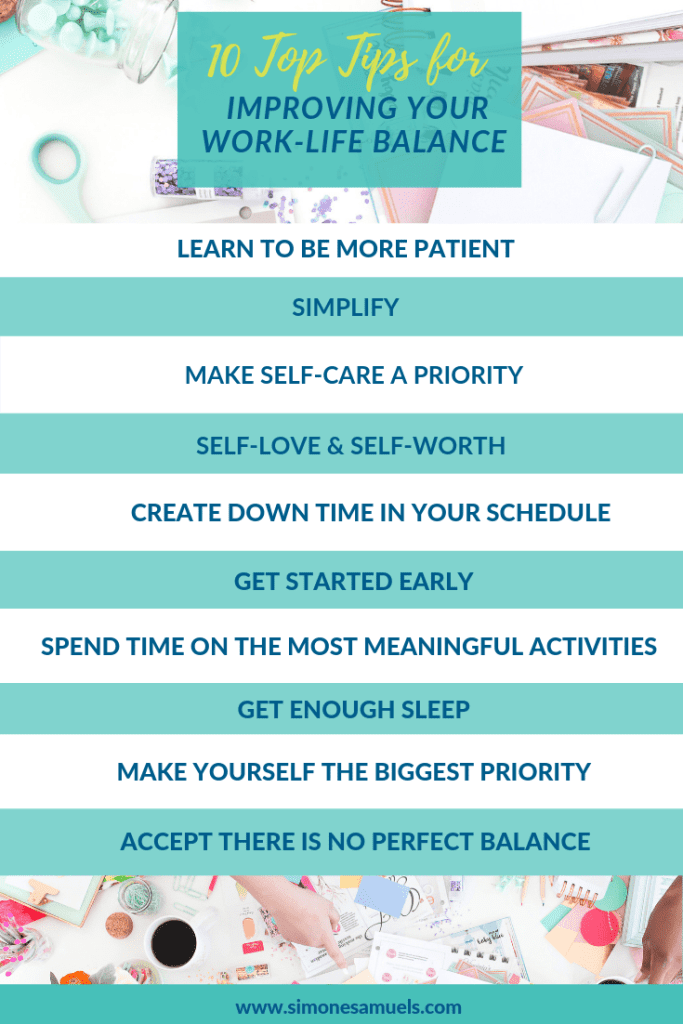
Making time for self-care is vital for achieving a better work-life balance. By prioritizing physical exercise, getting enough sleep, eating well-balanced meals, and taking regular breaks, you can optimize your well-being and perform at your best in both work and personal life.
Make Time for Physical Exercise
Physical exercise is not only beneficial for your physical health but also has a positive impact on your mental well-being. Make it a priority to incorporate regular exercise into your routine. This can be as simple as taking a walk during your lunch break or dedicating time for structured workouts. Not only will exercise improve your energy levels and productivity, but it will also help reduce stress and promote overall well-being.
Get Enough Sleep
Adequate sleep is crucial for maintaining optimal health and performance. Aim for at least seven to eight hours of sleep each night. Establish a bedtime routine that promotes relaxation and create an environment conducive to sleep. By prioritizing sleep, you can enhance your cognitive function, mood, and overall well-being.
Eat Well-Balanced Meals
Nutrition plays a significant role in your overall well-being. Take the time to plan and prepare well-balanced meals that provide the necessary nutrients to fuel your body and mind. Avoid relying on processed foods or skipping meals due to work demands. By nourishing your body with wholesome foods, you can optimize your energy levels and maintain good physical and mental health.
Take Regular Breaks
Taking regular breaks throughout the day is crucial for maintaining productivity and avoiding burnout. Step away from your workspace, stretch your legs, or engage in activities that help clear your mind. Whether it’s a short walk, a meditation session, or simply enjoying a cup of tea, taking regular breaks allows you to recharge, refocus, and return to work with a fresh perspective.
Establishing Supportive Relationships
Having supportive relationships is essential for achieving a better work-life balance. By communicating with loved ones about your needs, delegating household responsibilities, asking for help when necessary, and building a support network, you can feel supported in both your personal and professional life.

Communicate with Loved Ones About Your Needs
Open communication is crucial for maintaining supportive relationships. Talk to your loved ones about your work-life balance goals, priorities, and needs. By expressing your challenges and desires, you can work together to find solutions that benefit everyone. This might involve setting boundaries, coordinating schedules, or finding ways to support each other in achieving a healthier work-life balance.
Delegate Household Responsibilities
Sharing household responsibilities is important for balancing the demands of work and personal life. Delegate tasks such as cooking, cleaning, or childcare to family members or consider hiring help when needed. By sharing the load, you can free up time and energy for other activities and create a more equitable division of labor.
Ask for Help When Necessary
Recognize that asking for help is not a sign of weakness but rather a strength. If you’re feeling overwhelmed with work or personal responsibilities, don’t hesitate to reach out for support. Whether it’s asking a colleague for assistance on a project or seeking help from friends or family, accepting help when necessary can alleviate stress and prevent burnout.
Build a Support Network
Building a support network is invaluable for maintaining work-life balance. Surround yourself with like-minded individuals who understand and support your goals. This can be accomplished by joining professional organizations, attending networking events, or participating in online communities. Having a network of people who can offer guidance, advice, and encouragement can make a significant difference in achieving and sustaining work-life balance.
Utilizing Technology Effectively
Technology can be a valuable tool in achieving a better work-life balance. By using productivity apps/tools, setting boundaries for technology use, automating repetitive tasks, and taking advantage of remote work opportunities, you can leverage technology to optimize your efficiency and flexibility.
Use Productivity Apps/Tools
Numerous productivity apps and tools are available to help you manage your time, tasks, and projects. Experiment with different apps such as project management software, task organizers, or time trackers, and find ones that align with your needs and preferences. These tools can help streamline your work processes, enhance collaboration, and increase overall productivity.
Set Boundaries for Technology Use
While technology can be a valuable asset, it’s important to set boundaries to prevent it from taking over your personal life. Establish guidelines for when and how you will engage with technology outside of work hours. For example, you might choose to turn off work-related notifications after a certain time, designate “tech-free” zones in your home, or set aside specific times for digital detoxes. By setting boundaries, you can strike a healthier balance between technology and personal life.
Automate Repetitive Tasks
Take advantage of automation tools and features to simplify and streamline repetitive tasks. Whether it’s scheduling social media posts, setting up email filters, or using automatic bill payment systems, automating tasks can save you time and mental energy. By reducing the time and effort required for these tasks, you can free up space for more meaningful activities.
Take Advantage of Remote Work Opportunities
Remote work opportunities have become increasingly popular, offering flexibility and the opportunity to create a better work-life balance. If feasible, explore remote work options within your current job or consider transitioning to a remote-friendly career. Remote work allows for greater autonomy in managing your schedule and location, providing opportunities to engage in personal activities and spend more time with loved ones.
Finding Work-Life Balance in Flexible Work Arrangements
Flexible work arrangements, such as flexible scheduling or alternative work arrangements, can be beneficial in achieving a better work-life balance. Consider these options and explore how they can align with your needs and priorities.
Consider Flexible Scheduling
If possible, explore the possibility of flexible scheduling with your employer. Flexible scheduling allows you to adjust your work hours to accommodate personal obligations or preferences. This can involve working non-traditional hours, compressing your workweek, or having the ability to take time off during the day for personal activities. By having more control over your schedule, you can better balance work and personal life.
Explore Remote Work Options
Remote work has become increasingly popular and widely adopted, offering the flexibility to work from anywhere. Consider discussing remote work options with your employer or exploring remote-friendly job opportunities. Remote work allows you to eliminate commuting time, create a more comfortable work environment, and better integrate your work and personal life.
Negotiate Alternative Work Arrangements
If the traditional 9-to-5 office setting is not conducive to your desired work-life balance, consider negotiating alternative work arrangements with your employer. This could involve working part-time, job-sharing, or exploring a flexible or reduced-hour arrangement. By communicating your needs and exploring creative solutions, you can find a work arrangement that better suits your lifestyle and priorities.
Creating Healthy Habits
Establishing healthy habits is crucial for maintaining a sustainable work-life balance. By creating a consistent routine, practicing mindfulness and meditation, engaging in hobbies and activities you enjoy, and disconnecting from work during leisure time, you can cultivate a fulfilling and balanced lifestyle.
Establish a Consistent Routine
Creating a consistent routine provides structure and helps maintain a healthy work-life balance. Set regular wake-up and bedtime routines, establish designated times for work and personal activities, and prioritize self-care within your daily schedule. By following a routine, you can create a sense of stability and increase productivity in both work and personal life.
Practice Mindfulness and Meditation
Mindfulness and meditation practices can be powerful tools for managing stress, increasing focus, and fostering a sense of well-being. Take a few minutes each day to practice mindfulness, whether it’s through meditation, deep breathing exercises, or simply being fully present in the moment. By incorporating these practices into your routine, you can cultivate a greater sense of balance and resilience.
Engage in Hobbies and Activities You Enjoy
Carving out time for hobbies and activities you enjoy is crucial for maintaining a healthy work-life balance. Whether it’s reading, painting, playing sports, or gardening, engage in activities that bring you joy and help you recharge. By dedicating time to these interests, you can enhance your overall well-being and cultivate a healthier work-life balance.
Disconnect from Work During Leisure Time
It’s important to disconnect from work during your leisure time to fully recharge and replenish your energy. Set boundaries by not checking work-related emails or engaging in work-related tasks outside of designated work hours. Create a clear separation between work and personal life, allowing yourself to fully engage in activities that bring you joy and rejuvenation.
Seeking Professional Support
Sometimes achieving a better work-life balance requires professional support. Whether it’s consulting with a career or life coach, seeking therapy or counseling, or attending seminars or workshops on work-life balance, reaching out for professional guidance can be beneficial in navigating challenges and finding the right strategies for success.
Consult with a Career or Life Coach
A career or life coach can provide valuable guidance and support in achieving a better work-life balance. They can help you assess your current situation, identify areas for improvement, and develop a personalized plan of action. By working with a coach, you can gain clarity, accountability, and the tools necessary to create meaningful and sustainable changes in your work and personal life.
Seek Therapy or Counseling
If you’re struggling with work-life balance due to underlying emotional or mental health issues, seeking therapy or counseling can be beneficial. A professional therapist can help you explore and address any underlying factors contributing to imbalance and provide strategies for managing stress, improving communication, and enhancing overall well-being.
Attend Seminars or Workshops on Work-Life Balance
Attending seminars or workshops focused on work-life balance can provide valuable insights and strategies for achieving greater harmony in your life. These events often offer practical tips, resources, and networking opportunities. By learning from experts and connecting with like-minded individuals, you can gain inspiration and knowledge to guide you on your journey towards a better work-life balance.
In conclusion, achieving a better work-life balance requires a combination of self-reflection, prioritization, boundary-setting, effective time management, integration of work and personal life, self-care, supportive relationships, and the wise use of technology. While finding this balance may be an ongoing process, implementing the strategies outlined in this article can help you create a more fulfilling and harmonious lifestyle. Remember, it’s important to regularly reassess your work-life balance and make adjustments as needed to ensure your well-being and happiness.