
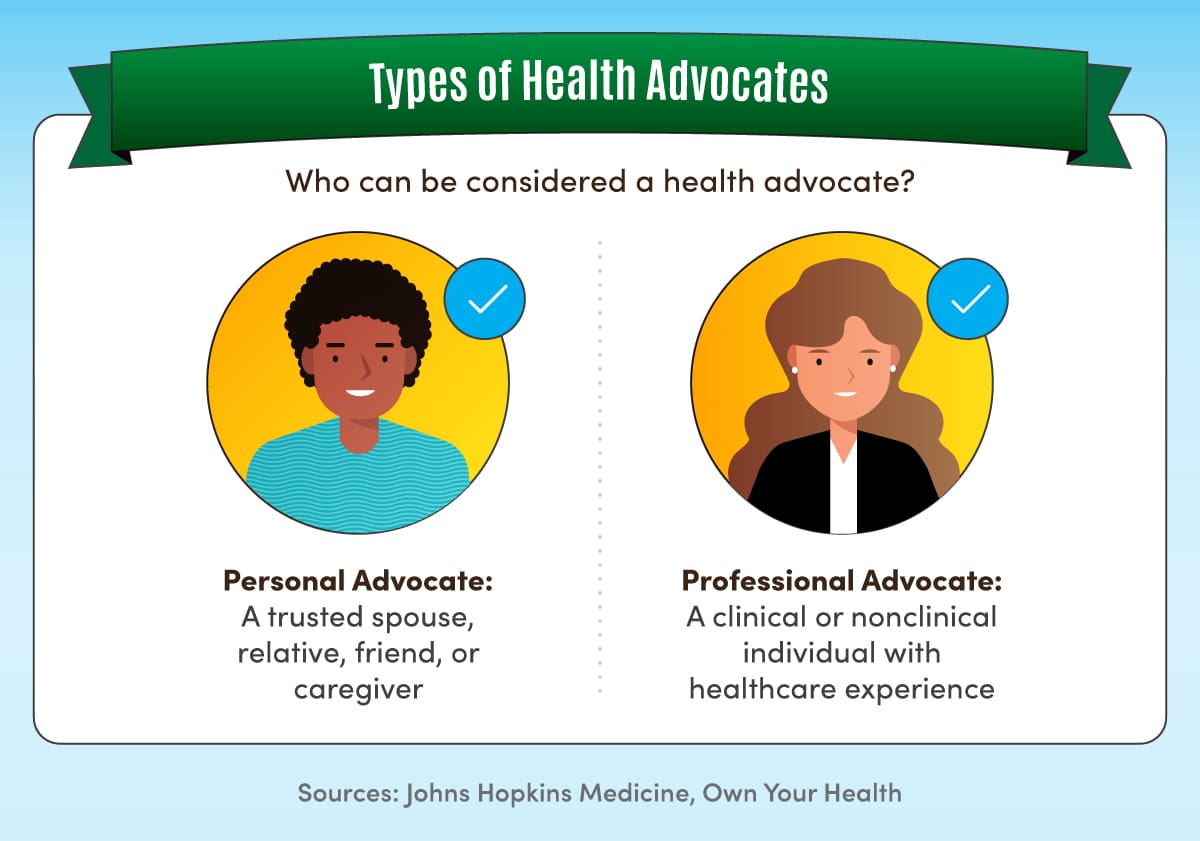
Welcome to a guide on how to advocate for better healthcare services when managing chronic conditions. In this article, you will learn the importance of advocating for yourself or loved ones with chronic illnesses, and the steps you can take to ensure that you receive the best possible care. By becoming an active participant in your healthcare journey, you can help improve the quality of your treatment and overall well-being. Let’s dive in and empower yourself to advocate for better healthcare services for managing chronic conditions. Have you or a loved one been diagnosed with a chronic condition? Are you frustrated with the quality of healthcare services available for managing your condition? Advocating for better healthcare services is essential to ensure you receive the care and support you need. In this article, we will provide you with practical tips and strategies on how to advocate for better healthcare services for managing chronic conditions.
Understanding Chronic Conditions
Living with a chronic condition can be challenging, as it requires ongoing medical management and support. Chronic conditions such as diabetes, asthma, arthritis, heart disease, and others can have a significant impact on your quality of life. It is important to have a good understanding of your condition, its symptoms, treatments, and management strategies.
When advocating for better healthcare services, it is essential to educate yourself about your chronic condition. This will help you communicate effectively with healthcare providers, make informed decisions about your care, and advocate for the services you need.
Communicating With Healthcare Providers
Building a strong and open relationship with your healthcare providers is crucial for managing a chronic condition effectively. Communication is key to ensuring that your healthcare needs are met and that you receive the appropriate care and support. Be sure to ask questions, express your concerns, and provide feedback on your treatment and care.
When advocating for better healthcare services, it is important to communicate your needs clearly and assertively. Make sure to discuss your symptoms, treatment options, and any challenges you may be facing in managing your condition. Your healthcare provider should be able to work with you to develop a comprehensive care plan that meets your individual needs.
Advocating for Better Healthcare Services
Advocating for better healthcare services for managing chronic conditions involves actively engaging with healthcare providers, policymakers, and other stakeholders to improve the quality of care and support available. Here are some tips on how to advocate effectively for better healthcare services:
1. Know Your Rights
As a patient with a chronic condition, you have rights that protect your access to quality healthcare services. Familiarize yourself with these rights, including the right to receive respectful and competent care, to access your medical records, and to participate in decisions about your care.
When advocating for better healthcare services, be sure to assert your rights and advocate for the care and support you are entitled to receive. If you feel that your rights are being violated or that you are not receiving the care you need, do not hesitate to speak up and seek assistance from patient advocacy organizations or legal resources.
2. Collaborate with Healthcare Providers
Building a collaborative relationship with your healthcare providers is essential for managing a chronic condition effectively. Work together with your healthcare team to develop a care plan that addresses your unique needs, preferences, and goals for managing your condition.
When advocating for better healthcare services, collaborate with your healthcare providers to identify gaps in care, areas for improvement, and solutions for addressing these challenges. By working together, you can ensure that your care is comprehensive, coordinated, and tailored to your individual needs.
3. Accessing Support Services
Managing a chronic condition often requires access to a range of support services, including educational resources, counseling, peer support groups, and social services. These services can help you better understand your condition, cope with its impact on your life, and connect with others who are facing similar challenges.
When advocating for better healthcare services, be sure to inquire about available support services in your community and explore opportunities for accessing these resources. Support services can play a key role in helping you manage your condition effectively and improve your quality of life.
4. Participate in Patient Advocacy
Patient advocacy involves raising awareness about the needs and concerns of individuals with chronic conditions, promoting policies that support access to quality healthcare services, and empowering patients to advocate for their rights. Participating in patient advocacy efforts can help you make a meaningful impact on healthcare services in your community.
When advocating for better healthcare services, consider getting involved in patient advocacy organizations, support groups, or campaigns that focus on improving care for individuals with chronic conditions. By sharing your personal experiences, advocating for policy changes, and mobilizing others to support your cause, you can help bring about positive change in the healthcare system.
Overcoming Challenges in Advocacy
Advocating for better healthcare services for managing chronic conditions can be challenging, as it may involve navigating complex healthcare systems, overcoming barriers to care, and advocating for your needs in a competitive healthcare environment. Here are some common challenges in advocacy and tips on how to overcome them:
1. Lack of Information and Resources
One of the biggest challenges in advocating for better healthcare services is a lack of information and resources about your condition, available treatments, and support services. To overcome this challenge, educate yourself about your condition, research available resources, and reach out to patient advocacy organizations for assistance.
2. Limited Access to Care
Accessing quality healthcare services can be difficult for individuals with chronic conditions, especially those who face financial barriers, transportation challenges, or language barriers. To overcome this challenge, seek assistance from healthcare providers, social workers, or patient advocacy organizations to access the care and support you need.
3. Resistance from Healthcare Providers
Some healthcare providers may be resistant to change, reluctant to listen to patient concerns, or hesitant to adopt new approaches to care. To overcome this challenge, communicate your needs assertively, seek a second opinion if needed, and advocate for your right to receive respectful and competent care.
4. Advocacy Burnout
Advocating for better healthcare services can be emotionally and physically draining, leading to advocacy burnout. To prevent burnout, set realistic goals for your advocacy efforts, prioritize self-care, and seek support from friends, family, or mental health professionals when needed.
Conclusion
Advocating for better healthcare services for managing chronic conditions is essential for ensuring that individuals with chronic conditions receive the care and support they need to live healthy and fulfilling lives. By educating yourself about your condition, communicating effectively with healthcare providers, and advocating for your rights, you can make a positive impact on the quality of care available to individuals with chronic conditions. Remember that you are your own best advocate, and your voice matters in shaping the future of healthcare services for individuals with chronic conditions.