
Welcome to a guide on key strategies for preventing seasonal allergies. With spring in full bloom and pollen in the air, it’s important to take steps to protect yourself from the irritating symptoms that come with seasonal allergies. From practicing good hygiene to avoiding allergens, this article will provide you with simple yet effective ways to keep your allergies at bay and enjoy the season to its fullest. So, let’s dive in and discover how you can stay healthy and allergy-free this spring! What are Seasonal Allergies, and How Do They Affect You?

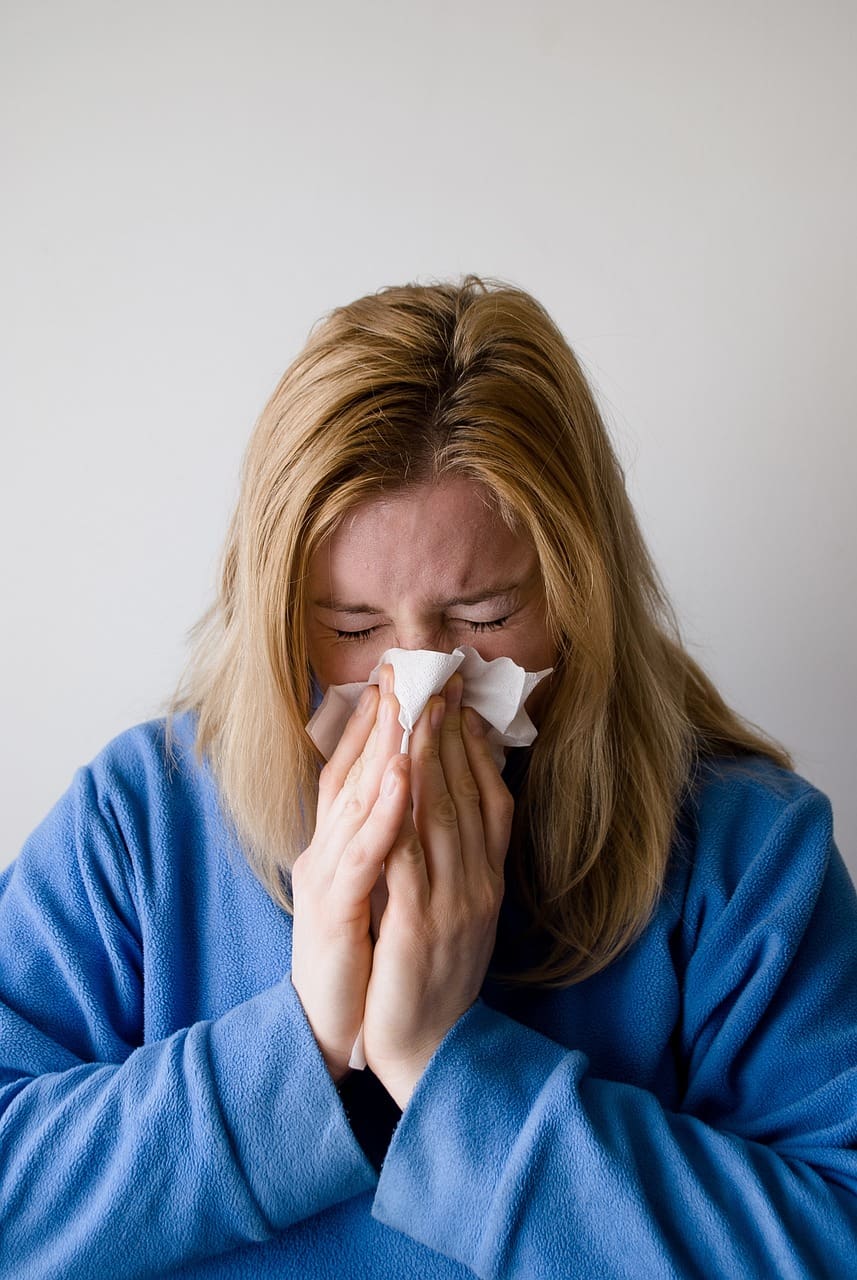
Seasonal allergies are a common problem for many people, causing symptoms such as sneezing, runny nose, itchy eyes, and more. If you suffer from seasonal allergies, you know how frustrating and uncomfortable they can be. This article will explore key strategies for preventing and managing seasonal allergies so you can enjoy the changing seasons without the misery of allergy symptoms.
Understanding the Causes of Seasonal Allergies
Seasonal allergies are typically triggered by allergens such as pollen from trees, grasses, and weeds. When these allergens are inhaled or come into contact with the skin, they can cause the immune system to overreact, leading to allergy symptoms. By understanding the specific triggers that cause your seasonal allergies, you can take steps to reduce your exposure and alleviate your symptoms.
Identifying Your Allergy Triggers
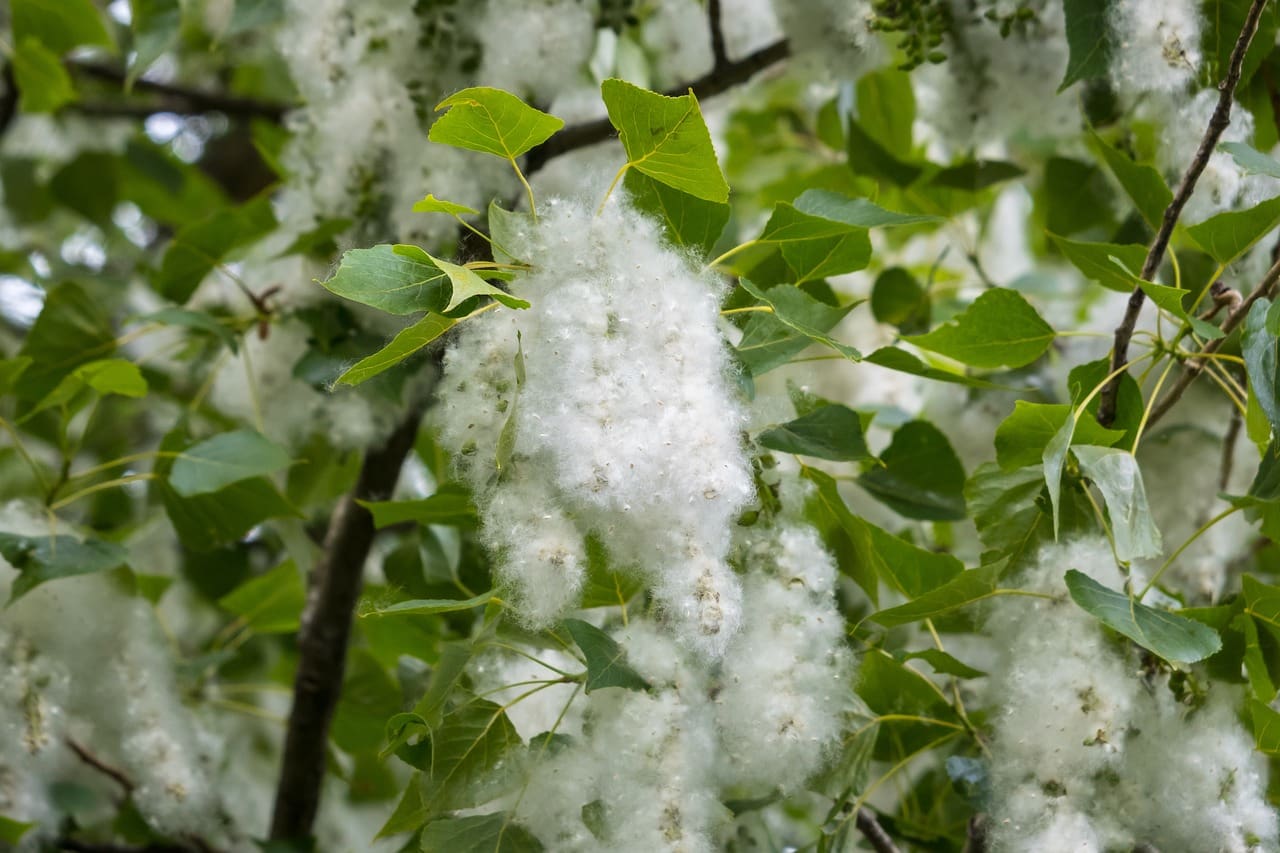
The first step in preventing seasonal allergies is to identify your specific allergy triggers. Keep a journal of your symptoms and activities to help pinpoint when and where your symptoms are worst. You may also consider undergoing allergy testing to determine exactly what you are allergic to. Once you know your triggers, you can take steps to avoid them and lessen your allergic reactions.
Creating an Allergy-Free Home Environment
Your home should be a safe haven from allergens, so take steps to create an allergy-free environment. Keep windows closed during peak pollen seasons, use air purifiers with HEPA filters to remove allergens from the air, and wash bedding in hot water frequently to eliminate dust mites. Regularly vacuum and dust to prevent allergens from accumulating in your home.
Managing Your Outdoor Exposure
When pollen counts are high, it’s important to take steps to minimize your exposure to allergens when you’re outside. Check pollen forecasts online or through weather apps, and try to stay indoors during peak pollen times. If you must be outside, wear sunglasses to protect your eyes from pollen, and shower and change your clothes when you come back indoors to remove pollen from your hair and skin.
Choosing the Right Allergy Medications
Over-the-counter and prescription allergy medications can be effective in managing seasonal allergy symptoms. Antihistamines can help reduce sneezing, itching, and runny nose, while decongestants can alleviate nasal congestion. Nasal corticosteroids can be helpful for reducing inflammation in the nasal passages. Talk to your doctor about the best medications for your specific symptoms and needs.
Exploring Natural Remedies and Supplements
In addition to traditional allergy medications, there are also natural remedies and supplements that may help alleviate seasonal allergy symptoms. Quercetin, a plant-based flavonoid, is believed to have anti-inflammatory and antioxidant properties that may reduce allergy symptoms. Nasal saline irrigation can help flush out allergens from the nasal passages, and local honey may help desensitize your immune system to local pollen.
Implementing Allergy-Proofing Techniques in the Workplace
If you suffer from seasonal allergies, it’s important to create an allergy-friendly environment at work as well. Keep windows closed to prevent pollen from entering the office, and use air purifiers to improve indoor air quality. Consider talking to your employer about implementing policies that support employees with allergies, such as allowing flexible work schedules during peak pollen seasons.
Creating a Seasonal Allergy Action Plan
To effectively manage your seasonal allergies, it’s essential to have a clear action plan in place. Work with your doctor to develop a personalized treatment plan that includes both preventative measures and symptom relief strategies. Keep track of your symptoms and triggers, and adjust your plan as needed to ensure you’re getting the best possible relief from your allergy symptoms.
Staying Informed and Prepared for Allergy Season
Finally, staying informed and prepared for allergy season is key to preventing and managing seasonal allergies. Keep up to date on pollen forecasts and allergy alerts in your area, and take proactive steps to reduce your exposure to allergens. By being proactive and prepared, you can minimize your allergy symptoms and enjoy the changing seasons to the fullest.
In conclusion, seasonal allergies can be a frustrating and uncomfortable problem, but by following these key strategies for prevention and management, you can take control of your allergy symptoms and feel better during allergy season. Remember to identify your allergy triggers, create an allergy-free home environment, choose the right medications, explore natural remedies, allergy-proof your workplace, and create a seasonal allergy action plan. With the right approach, you can minimize your allergy symptoms and enjoy the outdoors without the misery of allergies.