
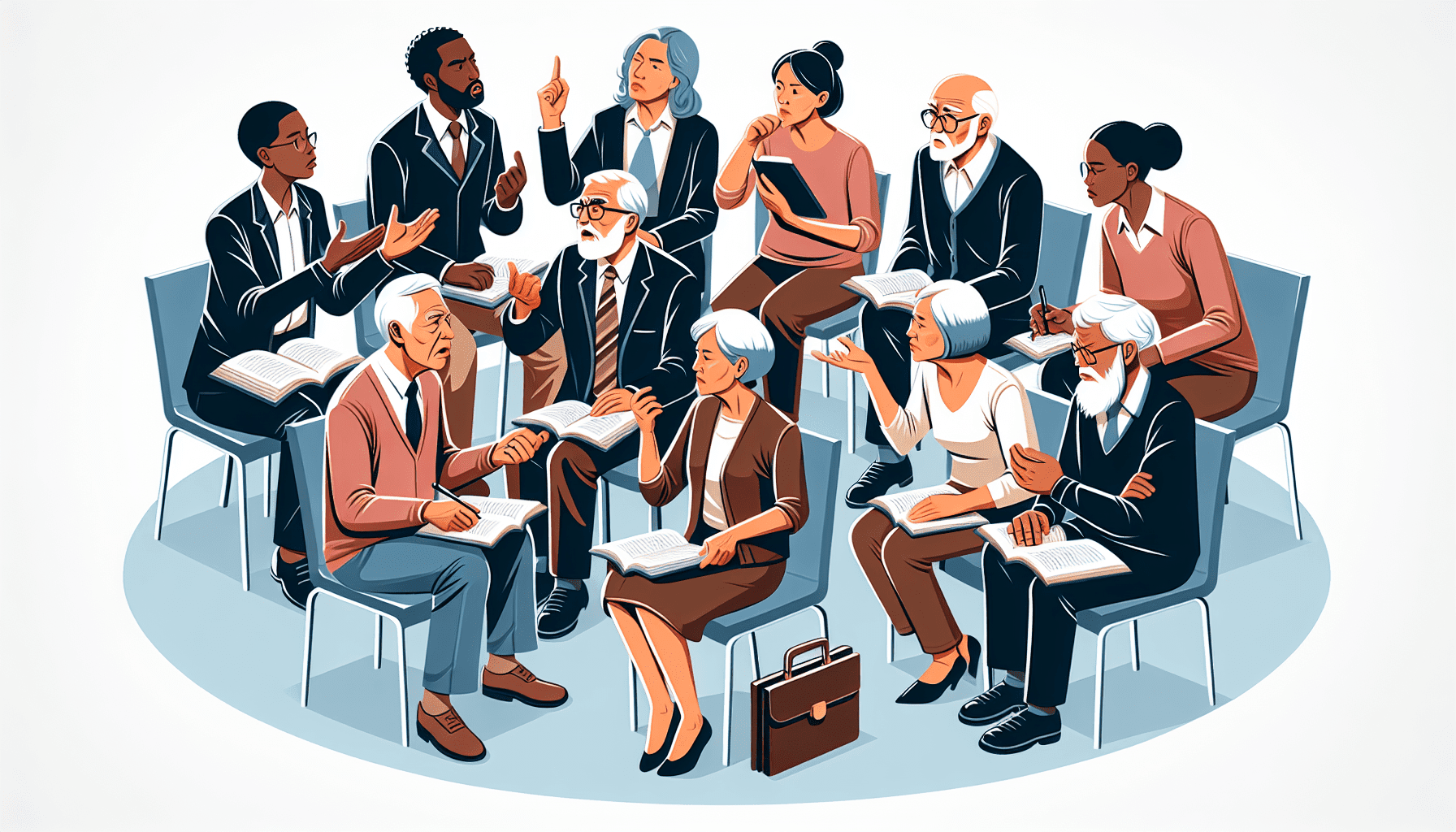
Welcome to an insightful discussion on the importance of education and lifelong learning in promoting healthy aging. By continuously seeking knowledge and expanding your skills, you can improve cognitive function, enhance overall well-being, and increase your chances of living a longer, healthier life. In this article, we will explore how education and lifelong learning can positively impact your physical and mental health as you age. So, get ready to embark on a journey of self-improvement and discover the key role that education plays in maintaining a vibrant and fulfilling life in your golden years. Have you ever wondered how education and lifelong learning play a crucial role in healthy aging? In this article, we will explore the benefits of continuous learning throughout your life and its impact on your overall health and well-being. So, let’s dive in and discover how education can lead to a healthier and happier life as you age.

Importance of Education in Healthy Aging
Education is not just limited to formal schooling during your younger years. Lifelong learning, which involves continuously acquiring new knowledge and skills throughout your life, is essential for healthy aging. By challenging your mind and staying intellectually engaged, you can improve cognitive function, memory, and overall brain health as you age.
Benefits of Education in Cognitive Health
Engaging in educational activities such as reading, taking classes, participating in workshops, or even playing brain games can help keep your mind sharp and alert. Studies have shown that individuals who continue to learn new things as they age have a lower risk of developing cognitive decline and dementia. Education stimulates the brain, improves neural connections, and enhances problem-solving abilities, which are all vital for maintaining cognitive health.

Lifelong Learning and Social Connections
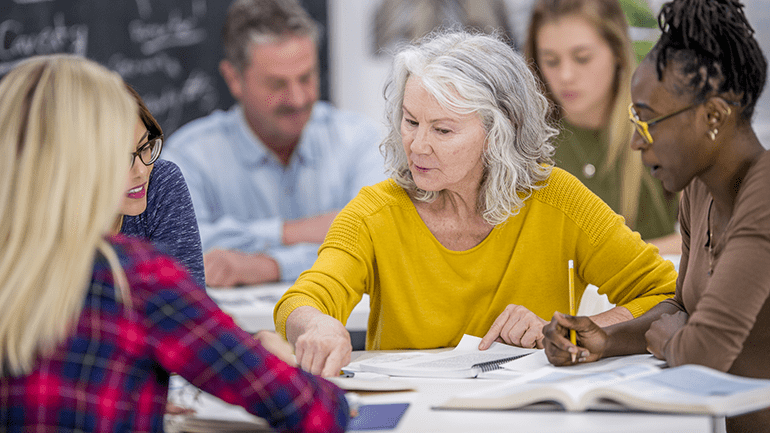
In addition to improving cognitive function, education and lifelong learning also play a significant role in fostering social connections and relationships. Participating in educational programs, joining clubs or groups, or attending workshops and seminars can provide opportunities to meet new people, share experiences, and form meaningful connections with others. Social engagement is crucial for mental and emotional well-being, especially as you age, and education can serve as a gateway to building and strengthening social relationships.
The Impact of Social Connections on Healthy Aging
Having a strong social network has been linked to numerous health benefits, including a reduced risk of depression, anxiety, and loneliness. Social connections can also provide emotional support, encouragement, and a sense of belonging, all of which are essential for overall well-being. By combining education with social interactions, you can experience a more fulfilling and enriching life as you age.
Physical Health Benefits of Education
While the benefits of education in promoting cognitive and social health are well-documented, education can also have a positive impact on physical health. Engaging in lifelong learning activities that involve physical movement, such as dance classes, yoga, or tai chi, can improve balance, flexibility, and strength. Physical activity is essential for maintaining mobility, reducing the risk of falls, and enhancing overall physical function as you age.
Combining Education with Physical Activity for Healthy Aging
By integrating educational programs with physical activities, you can create a holistic approach to healthy aging that addresses both mental and physical well-being. Participating in group exercise classes, outdoor workshops, or nature walks with an educational focus can provide a well-rounded experience that promotes overall health and vitality. Education can serve as a motivator to stay active and maintain a healthy lifestyle as you age.

Education as a Tool for Stress Management
As we age, managing stress becomes increasingly important for maintaining a healthy and balanced life. Education can serve as a valuable tool for stress management by providing opportunities to learn relaxation techniques, mindfulness practices, and coping strategies. Engaging in educational activities that focus on stress reduction and self-care can help you develop resilience, improve emotional well-being, and enhance your ability to handle life’s challenges as you age.
The Relationship Between Education and Mental Health
Research has shown that individuals with higher levels of education tend to experience lower levels of stress, anxiety, and depression. Education can increase cognitive flexibility, problem-solving skills, and emotional regulation, all of which are essential for managing stress and maintaining mental health. By investing in your education and learning new ways to cope with stress, you can build a strong foundation for emotional well-being and resilience as you age.

Strategies for Incorporating Education into Your Life
Now that we’ve explored the various ways in which education and lifelong learning contribute to healthy aging, let’s discuss some practical strategies for incorporating education into your daily life. Whether you prefer traditional classroom settings, online courses, or informal learning opportunities, there are numerous ways to continue learning and growing as you age.
Tips for Lifelong Learning
- Take up a new hobby or skill that interests you
- Join a book club or discussion group to engage with others
- Attend lectures, workshops, or seminars on topics you’re passionate about
- Enroll in online courses or webinars to expand your knowledge
- Volunteer or mentor others to share your expertise and give back to the community
By embracing a mindset of lifelong learning and seeking out opportunities to enhance your education, you can support healthy aging and enrich your life in meaningful ways. Remember that learning is a lifelong journey, and the pursuit of knowledge can lead to a happier, healthier, and more fulfilling life as you age.
In conclusion, education and lifelong learning play a critical role in healthy aging by promoting cognitive health, fostering social connections, enhancing physical well-being, and supporting stress management. By staying intellectually curious, socially engaged, physically active, and emotionally resilient, you can empower yourself to age gracefully and maintain a high quality of life. So, why not embark on a journey of lifelong learning today and discover the endless possibilities for healthy aging? The choice is yours – embrace education and unlock the potential for a vibrant and fulfilling life as you age.