
Welcome to a thoughtful exploration of how chronic illness can affect intimacy and relationships. Living with a chronic illness can present unique challenges that can impact various aspects of your life, including your relationships with your partner and loved ones. It’s important to have a deeper understanding of how chronic illness can affect intimacy and relationships in order to navigate these challenges with compassion and resilience. Let’s delve into the ways chronic illness can impact your relationships and explore strategies for maintaining intimacy and connection despite these challenges. Have you or a loved one been diagnosed with a chronic illness? You may be wondering how this diagnosis will affect your intimacy and relationships. In this article, we will explore the impact that chronic illness can have on your personal connections and offer some tips on how to navigate these challenges.

Understanding Chronic Illness
Chronic illness is a long-lasting condition that can affect your physical and mental health. Examples of chronic illnesses include diabetes, heart disease, arthritis, and multiple sclerosis. Living with a chronic illness can be challenging and can impact every aspect of your life, including your relationships.
Living with a chronic illness can be emotionally draining and physically exhausting. It is essential to communicate openly and honestly with your partner about how you are feeling.
Communicating with Your Partner
Open and honest communication is key to maintaining a healthy relationship when one partner is living with a chronic illness. Make sure to express your emotions and needs to your partner and also listen to their concerns.
It’s essential to schedule regular check-ins with your partner to talk about how you are feeling and how the illness is impacting your relationship. This will help ensure that both partners feel heard and supported.
The Impact on Physical Intimacy
Chronic illness can have a significant impact on physical intimacy and can lead to changes in sexual desire and function. It’s essential to communicate with your partner about any changes you are experiencing and to explore alternative ways to maintain intimacy.
Living with a chronic illness can make you feel unattractive or self-conscious, which can affect your ability to be intimate with your partner. Remember that your partner loves you for who you are, not just for your physical appearance.
Exploring Alternative Intimacy
When physical intimacy is challenging due to a chronic illness, it’s essential to explore alternative ways to connect with your partner. This could include cuddling, holding hands, and verbal expressions of love and appreciation.
It’s important to keep the lines of communication open with your partner and to explore what intimacy looks like for both of you. Remember that intimacy is not just about physical touch but about emotional connection as well.

The Emotional Impact
Living with a chronic illness can take a toll on your mental health and emotional well-being. It’s essential to take care of yourself emotionally and to seek support when needed.
Seeking Support
Don’t be afraid to seek support from a therapist or counselor who specializes in chronic illness and relationships. Talking to a professional can help you navigate the emotional challenges that come with living with a chronic illness and can help you and your partner communicate more effectively.
It’s also essential to seek support from friends and family members who can offer encouragement and understanding. Remember that you are not alone in this journey and that there are people who care about you and want to lend a helping hand.
Navigating Changes in Roles and Responsibilities
Living with a chronic illness can require making adjustments to your daily routine and roles within your relationship. It’s important to communicate openly with your partner about these changes and to work together to find solutions that work for both of you.
Redefining Roles
When one partner is living with a chronic illness, it’s essential to redefine roles and responsibilities within the relationship. This may mean that the healthy partner takes on more household chores or caregiving duties to support their partner with the illness.
It’s important to have open and honest conversations about how these changes are affecting both partners and to make adjustments as needed. Remember that it’s okay to ask for help and to lean on your partner for support when needed.
Maintaining a Strong Relationship
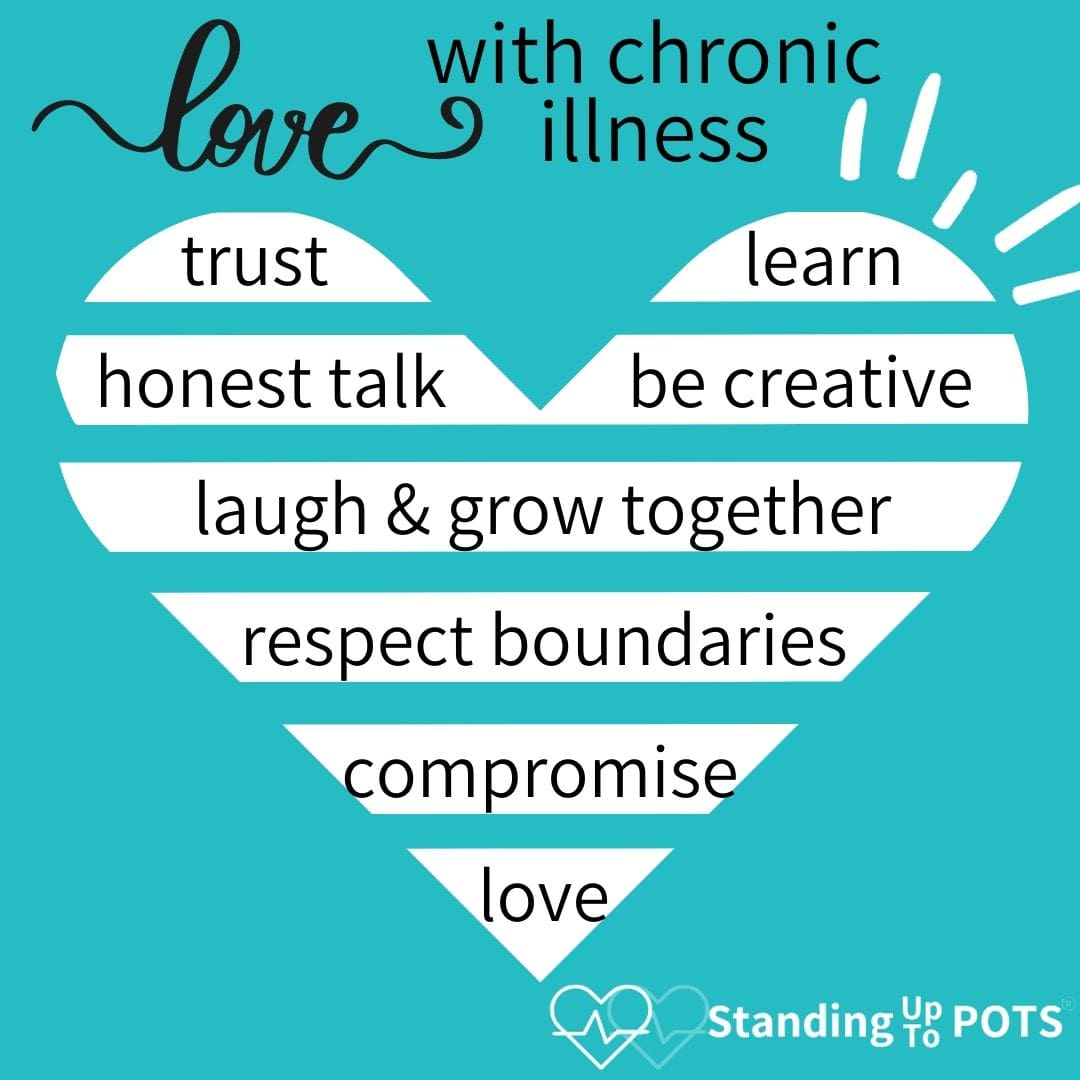
Living with a chronic illness can put a strain on even the strongest of relationships. It’s important to prioritize your relationship and to work together to overcome any challenges that come your way.
Prioritizing Quality Time
Make time for each other and prioritize activities that bring you joy and strengthen your bond. This could include going for walks, watching a movie together, or simply spending quality time talking and connecting.
It’s important to show your partner that you care and that you are there for them no matter what challenges come your way. Remember that relationships take work, especially when facing the challenges of living with a chronic illness.
Conclusion
Living with a chronic illness can impact every aspect of your life, including your intimacy and relationships. It’s essential to communicate openly with your partner, seek support when needed, and prioritize your relationship to navigate these challenges successfully.
By understanding the impact of chronic illness on intimacy and relationships and taking proactive steps to address these challenges, you can strengthen your bond with your partner and build a strong and resilient relationship that can withstand any obstacles that come your way. Remember that you are not alone in this journey, and there are resources and support available to help you and your partner navigate the challenges of living with a chronic illness together.