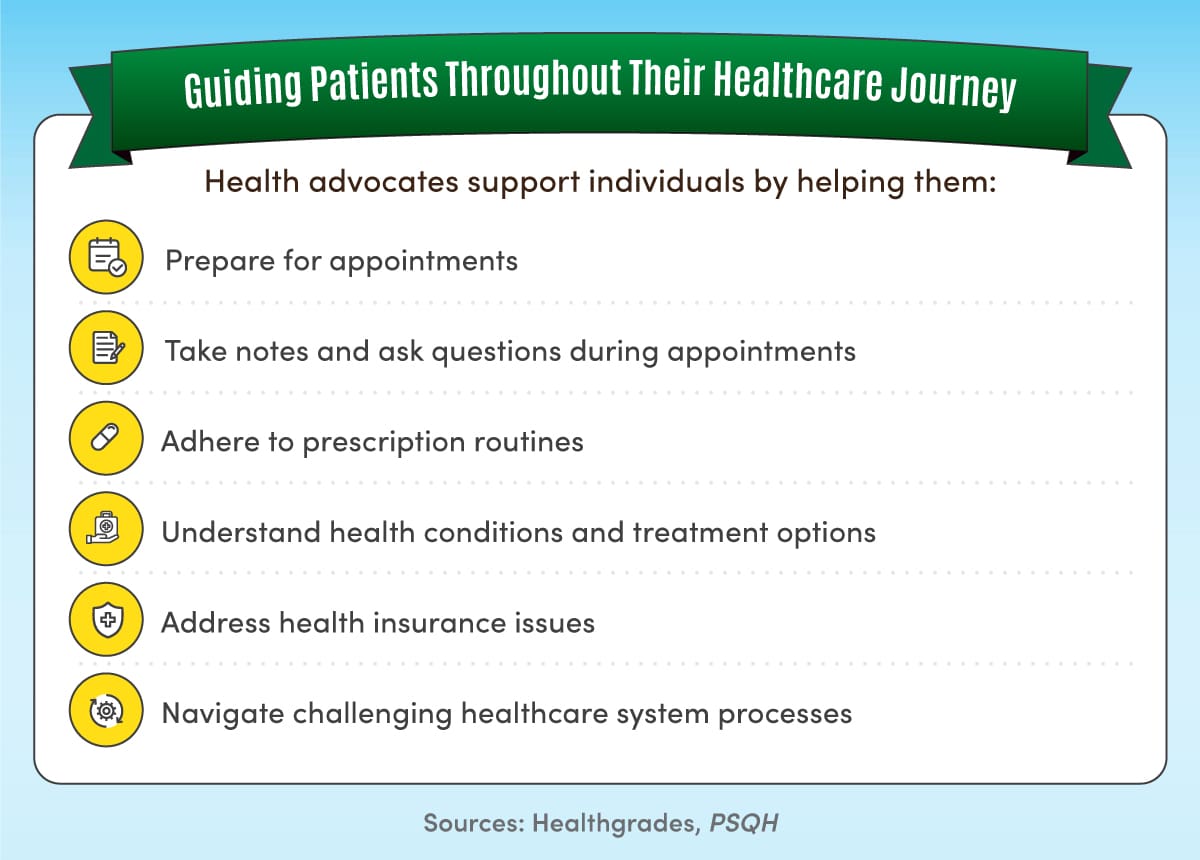
In this article, you will learn valuable tips on how you can effectively advocate for policy change in healthcare for veterans. By understanding the importance of supporting our nation’s heroes with access to quality healthcare services, you can make a difference in improving their well-being. From educating yourself on key issues to collaborating with like-minded individuals and reaching out to policymakers, you have the power to create positive change for those who have bravely served our country. Let’s work together to ensure our veterans receive the care and support they deserve. Have you ever thought about how you can make a difference in healthcare policies for veterans? Advocating for policy change in healthcare for veterans can have a significant impact on their well-being and access to quality care. In this article, you will learn how you can actively advocate for policy change in healthcare for veterans, whether you are a veteran yourself, a family member, a healthcare provider, or a concerned citizen. Let’s explore some effective ways to make your voice heard and drive positive change in the healthcare system for those who have served our country.
Understanding the Importance of Policy Change in Healthcare for Veterans
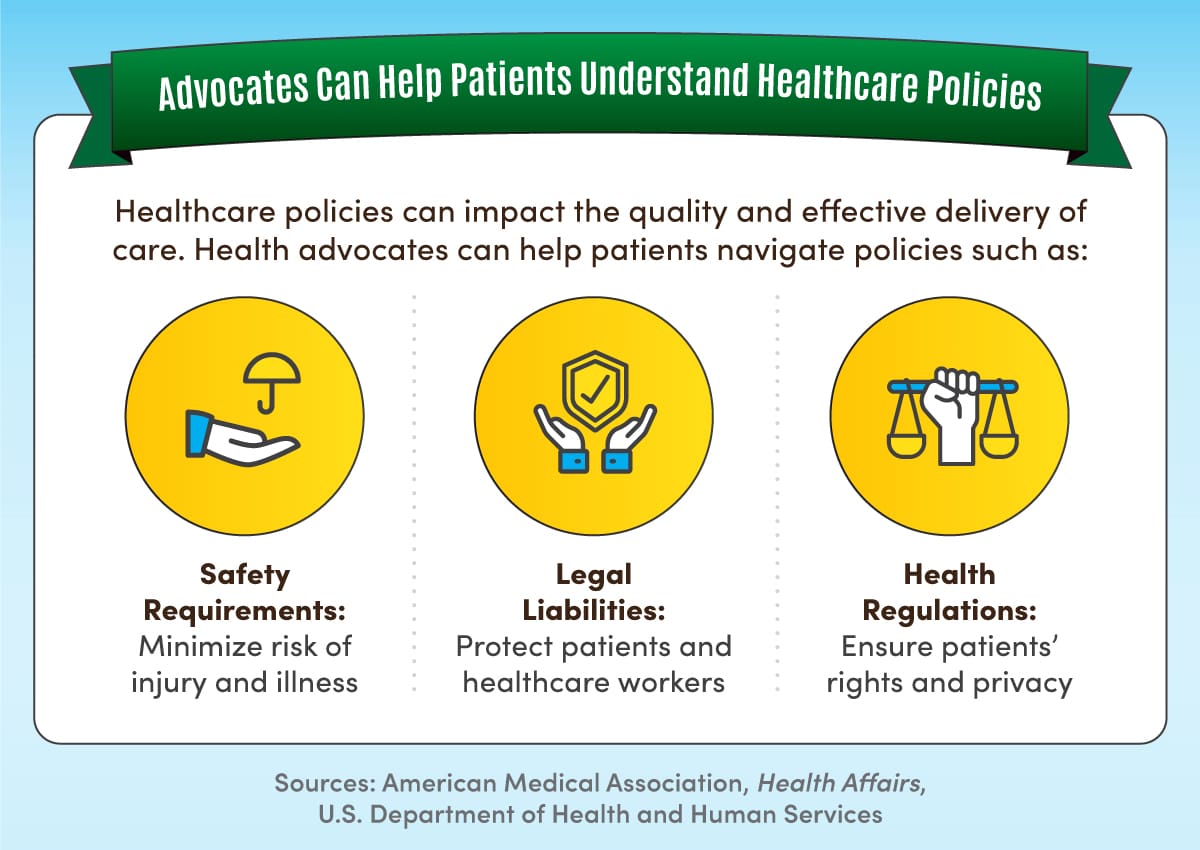
Advocating for policy change in healthcare for veterans is crucial because it can lead to improved access to care, better quality of services, and greater overall support for those who have served in the military. These policy changes can address gaps in services, reduce barriers to care, and ensure that veterans receive the support and resources they need to live healthy and fulfilling lives. By advocating for policy change, you can help create a more equitable and efficient healthcare system that meets the unique needs of veterans.
Why is Advocating for Policy Change Important for Veterans’ Healthcare?
Advocating for policy change in healthcare for veterans is essential because it can address systemic issues that impact the delivery of care and services to this population. Many veterans face challenges such as long wait times, limited access to specialized care, and inadequate mental health services. By advocating for policy change, you can help address these issues and ensure that veterans receive the care and support they deserve. Your advocacy efforts can help shape policies that prioritize the needs of veterans and improve their overall health outcomes.
Getting Involved in Advocacy Efforts for Veterans’ Healthcare
Advocating for policy change in healthcare for veterans may seem like a daunting task, but there are many ways you can get involved and make a difference. Whether you choose to join a veterans’ advocacy group, contact your elected officials, or participate in grassroots campaigns, your voice matters. By engaging in advocacy efforts, you can help raise awareness about key issues, mobilize support for policy change, and ultimately influence decision-makers to prioritize veterans’ healthcare needs.
Ways to Get Involved in Advocacy Efforts for Veterans’ Healthcare
-
Join a veterans’ advocacy group: By becoming a member of a veterans’ advocacy group, you can connect with like-minded individuals who are passionate about improving healthcare policies for veterans. These groups often organize events, campaigns, and initiatives to raise awareness about key issues and advocate for change.
-
Contact your elected officials: One of the most effective ways to advocate for policy change in healthcare for veterans is to contact your elected officials. Whether you write a letter, make a phone call, or schedule a meeting with your representatives, expressing your concerns and sharing your insights can help bring attention to critical healthcare issues facing veterans.
-
Participate in grassroots campaigns: Grassroots campaigns are powerful ways to advocate for policy change in healthcare for veterans. By participating in rallies, marches, letter-writing campaigns, and social media efforts, you can help amplify the voices of veterans and their supporters, drawing attention to the need for meaningful policy reform.
Building Relationships with Decision-Makers and Stakeholders
Building relationships with decision-makers and stakeholders is an essential part of advocating for policy change in healthcare for veterans. By establishing connections with key individuals in government, healthcare organizations, and advocacy groups, you can influence policy decisions, share valuable insights, and collaborate on initiatives that support veterans’ healthcare needs. These relationships can help you gain access to decision-makers, policymakers, and other influential figures, allowing you to make a lasting impact on healthcare policies for veterans.
Why Building Relationships with Decision-Makers is Important for Advocacy
Building relationships with decision-makers is critical for successful advocacy efforts because it allows you to share your perspectives, communicate your priorities, and advocate for policy change effectively. Decision-makers play a key role in shaping healthcare policies, allocating resources, and implementing reforms that impact veterans’ access to care. By establishing relationships with these individuals, you can build trust, gain credibility, and make a compelling case for why certain policy changes are necessary to improve veterans’ healthcare services.
How to Build Relationships with Decision-Makers and Stakeholders
-
Attend town hall meetings and public forums: Town hall meetings and public forums are valuable opportunities to connect with decision-makers, share your concerns, and advocate for policy change. By attending these events, you can engage in meaningful conversations, ask questions, and demonstrate your commitment to improving healthcare for veterans.
-
Join advisory boards and committees: Joining advisory boards and committees related to veterans’ healthcare can provide you with a platform to influence policy decisions, collaborate with stakeholders, and contribute to meaningful reforms. By actively participating in these groups, you can bring valuable insights, expertise, and perspectives to the table, shaping policies that benefit veterans.
-
Reach out to key stakeholders: Establishing direct contact with key stakeholders, such as healthcare providers, Veterans Service Organizations (VSOs), and policymakers, can help you build relationships that support your advocacy efforts. By engaging with these stakeholders, you can share information, seek their input, and collaborate on strategies to drive policy change in healthcare for veterans.
Educating Yourself and Others About Veterans’ Healthcare Issues
Educating yourself and others about veterans’ healthcare issues is a critical step in advocating for policy change. By staying informed about key challenges, trends, and initiatives in veterans’ healthcare, you can develop a deeper understanding of the issues at hand and effectively communicate the need for policy reforms. Educating others about veterans’ healthcare issues can also help raise awareness, mobilize support, and inspire action to address systemic problems and disparities in care.
Why is Education Important in Advocacy for Veterans’ Healthcare?
Education is essential in advocacy for veterans’ healthcare because it helps you build knowledge, awareness, and expertise in the field. By educating yourself about veterans’ healthcare issues, you can identify root causes, explore potential solutions, and make informed recommendations for policy change. Moreover, by educating others, you can raise awareness about the challenges facing veterans, dispel myths, and empower individuals to take action in support of meaningful reforms.
How to Educate Yourself and Others About Veterans’ Healthcare Issues
-
Stay informed through reputable sources: To educate yourself about veterans’ healthcare issues, stay informed through reputable sources such as government reports, research studies, and advocacy organizations. By reading articles, attending webinars, and following relevant news outlets, you can stay up-to-date on the latest developments in veterans’ healthcare and deepen your understanding of key issues.
-
Share information through outreach and awareness campaigns: To educate others about veterans’ healthcare issues, consider launching outreach and awareness campaigns that highlight the challenges veterans face and the need for policy change. By organizing events, distributing informational materials, and utilizing social media platforms, you can reach a broader audience, spark conversations, and mobilize support for veterans’ healthcare advocacy.
-
Engage in dialogue and discussions: Engaging in dialogue and discussions with peers, colleagues, and community members is a valuable way to educate others about veterans’ healthcare issues. By sharing your knowledge, insights, and personal experiences, you can raise awareness, promote understanding, and inspire others to become advocates for policy change in healthcare for veterans.
Leveraging Data and Evidence to Support Advocacy Efforts
Leveraging data and evidence is a powerful strategy for supporting advocacy efforts in healthcare for veterans. By relying on data, research findings, and empirical evidence, you can strengthen your arguments, demonstrate the need for policy change, and advocate for evidence-based solutions to veterans’ healthcare issues. Data-driven advocacy can help you make a compelling case for reform, influence decision-makers, and drive meaningful change in healthcare policies that benefit veterans.
Why is Data and Evidence Important in Advocacy for Veterans’ Healthcare?
Data and evidence are crucial in advocacy for veterans’ healthcare because they provide a factual basis for understanding the challenges, gaps, and disparities in care that veterans experience. By using data to support your advocacy efforts, you can quantify the impact of policy changes, illustrate the effectiveness of interventions, and make a persuasive case for investing in veterans’ healthcare services. Data-driven advocacy can help you advocate for evidence-based solutions, inform decision-making, and hold stakeholders accountable for improving veterans’ access to care.
How to Leverage Data and Evidence in Advocacy Efforts for Veterans’ Healthcare
-
Collect and analyze relevant data: To leverage data in advocacy for veterans’ healthcare, collect and analyze relevant information such as healthcare utilization rates, health outcomes, and access to services among veterans. By examining data trends, identifying disparities, and highlighting areas for improvement, you can make evidence-based recommendations for policy change that address the specific needs of veterans.
-
Use research findings to support your arguments: Research findings from studies, reports, and evaluations can strengthen your arguments and provide credible support for advocating for policy change in healthcare for veterans. By citing research that demonstrates the effectiveness of certain interventions, the impact of systemic barriers, or the benefits of reforms, you can make a compelling case for why specific policies are necessary to improve veterans’ healthcare services.
-
Partner with researchers and academic institutions: Partnering with researchers and academic institutions can help you access expertise, data sources, and research findings that support your advocacy efforts in veterans’ healthcare. By collaborating with experts in the field, you can leverage their knowledge, insights, and evidence to inform your advocacy strategies, amplify your voice, and drive positive change in healthcare policies for veterans.
Collaborating with Advocacy Organizations and Networks
Collaborating with advocacy organizations and networks can amplify your voice, expand your reach, and strengthen your advocacy efforts in healthcare for veterans. By joining forces with organizations that share your goals, values, and priorities, you can coordinate efforts, pool resources, and mobilize support for policy change. Advocacy organizations and networks can provide you with valuable tools, training, and platforms to advance your advocacy efforts, connect with like-minded advocates, and drive collective action to improve veterans’ healthcare services.
Why Collaborating with Advocacy Organizations is Beneficial for Veterans’ Healthcare Advocacy?
Collaborating with advocacy organizations is beneficial for veterans’ healthcare advocacy because it enables you to leverage collective expertise, resources, and influence to drive meaningful change. By partnering with organizations that specialize in veterans’ healthcare, you can tap into their knowledge base, networks, and advocacy strategies to enhance your own advocacy efforts. Collaborating with advocacy organizations also allows you to amplify your message, reach a broader audience, and build support for policy change among diverse stakeholders.
How to Collaborate with Advocacy Organizations and Networks for Veterans’ Healthcare Advocacy
-
Join advocacy coalitions and partnerships: Joining advocacy coalitions and partnerships focused on veterans’ healthcare can provide you with a platform to collaborate with like-minded advocates, share resources, and coordinate advocacy campaigns. By working together with other organizations, you can amplify your voice, leverage diverse perspectives, and drive collective action to advance policy change in veterans’ healthcare.
-
Attend advocacy events and conferences: Attending advocacy events and conferences related to veterans’ healthcare can help you connect with advocacy organizations, network with experts, and learn about best practices in healthcare advocacy. By participating in these events, you can gain valuable insights, build relationships, and explore opportunities to collaborate on initiatives that support veterans’ healthcare needs.
-
Utilize online platforms and social media: Online platforms and social media are powerful tools for collaborating with advocacy organizations and networks in veterans’ healthcare advocacy. By engaging with organizations on social media, sharing resources, and participating in online campaigns, you can expand your reach, raise awareness, and build partnerships that advance policy change in healthcare for veterans.
Advocating for Specific Policy Changes in Healthcare for Veterans
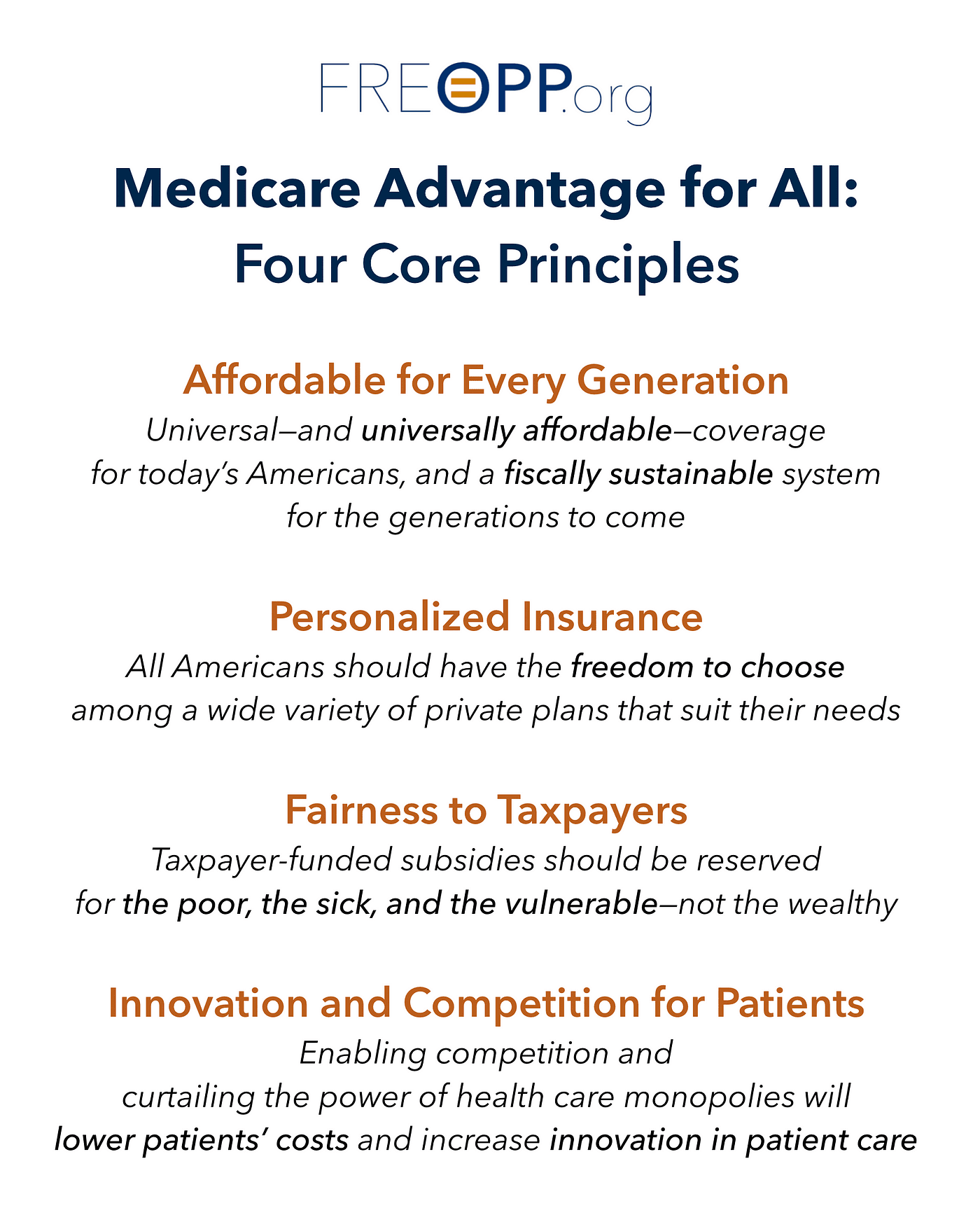
Advocating for specific policy changes in healthcare for veterans requires a focused approach, clear objectives, and strategic advocacy strategies. By targeting key areas such as mental health services, access to care, and coordination of services, you can advocate for policies that address critical gaps, improve outcomes, and enhance the overall quality of veterans’ healthcare. Whether you are advocating for increased funding, enhanced benefits, or expanded eligibility criteria, your advocacy efforts can make a difference in shaping policies that better serve veterans’ healthcare needs.
Key Areas for Advocating Policy Changes in Healthcare for Veterans
-
Mental health services: Advocating for improved access to mental health services, expanded treatment options, and stigma reduction initiatives can help address the mental health needs of veterans and ensure they receive the care and support they deserve. By advocating for policies that prioritize mental health services, you can help veterans access high-quality care, reduce barriers to treatment, and improve mental health outcomes.
-
Access to care: Advocating for policies that enhance veterans’ access to care, reduce wait times, and expand telehealth services can improve veterans’ ability to receive timely and effective healthcare services. By advocating for initiatives that increase access to care, you can help veterans overcome geographic barriers, navigate complex healthcare systems, and access the care they need to maintain their health and well-being.
-
Coordination of services: Advocating for policies that improve coordination of services, enhance care coordination between providers, and streamline transitions between healthcare settings can optimize veterans’ healthcare experiences and outcomes. By advocating for integrated care models, information sharing initiatives, and collaborative care approaches, you can help veterans receive holistic, patient-centered care that addresses their physical, mental, and social needs.
Effective Advocacy Strategies for Advocating Policy Changes in Healthcare for Veterans
-
Engage with policymakers: Engaging with policymakers, legislators, and government officials is a key advocacy strategy for advocating policy changes in healthcare for veterans. By building relationships, sharing your insights, and making a compelling case for reform, you can influence decision-makers to prioritize veterans’ healthcare needs, allocate resources, and support policy changes that benefit veterans.
-
Mobilize grassroots support: Mobilizing grassroots support through public campaigns, social media efforts, and community outreach can amplify your advocacy efforts and raise awareness about key veterans’ healthcare issues. By engaging with veterans, families, healthcare providers, and concerned citizens, you can build a powerful coalition of advocates who are committed to driving positive change in healthcare policies for veterans.
-
Collaborate with stakeholders: Collaborating with stakeholders such as healthcare organizations, advocacy groups, and Veterans Service Organizations (VSOs) can help you advance specific policy changes in healthcare for veterans. By working together with these stakeholders, you can leverage their expertise, resources, and networks to advocate for policy reforms that address veterans’ healthcare needs, promote innovation, and improve healthcare outcomes.
Taking Action and Making a Difference in Veterans’ Healthcare Advocacy
Advocating for policy change in healthcare for veterans requires dedication, perseverance, and a commitment to making a difference. By taking action and engaging in advocacy efforts, you can help shape policies, influence decision-makers, and drive positive change in veterans’ healthcare services. Whether you choose to write letters, attend meetings, participate in campaigns, or collaborate with advocacy organizations, your efforts can have a real impact on the lives of veterans and their families. Together, we can advocate for policy changes that improve veterans’ access to care, support their well-being, and honor their service to our country.
Why Your Voice Matters in Advocating for Veterans’ Healthcare
Your voice matters in advocating for veterans’ healthcare because it represents the perspectives, experiences, and needs of those who have served our country. By sharing your insights, raising awareness, and advocating for policy change, you can help influence decision-makers, shape healthcare policies, and drive positive change that benefits veterans. Your advocacy efforts can make a meaningful difference in the lives of veterans, ensuring they receive the care, support, and resources they need to thrive and lead healthy, fulfilling lives.
How to Make a Difference in Veterans’ Healthcare Advocacy
-
Raise awareness about key issues: By raising awareness about key veterans’ healthcare issues, you can educate others, spark conversations, and mobilize support for policy change. Whether you share your story, distribute informational materials, or organize awareness campaigns, you can help elevate the voices of veterans and advocate for reforms that improve their access to care and services.
-
Advocate for policy changes: By advocating for specific policy changes in healthcare for veterans, you can address systemic issues, gaps in services, and barriers to care that impact veterans’ well-being. Whether you focus on mental health services, access to care, or coordination of services, your advocacy efforts can help shape policies that prioritize veterans’ healthcare needs and drive positive change in the healthcare system.
-
Collaborate with others: Collaborating with other advocates, organizations, and stakeholders can amplify your voice, expand your reach, and strengthen your advocacy efforts for veterans’ healthcare. By working together with like-minded individuals, sharing resources, and coordinating advocacy campaigns, you can build a powerful coalition of advocates who are dedicated to advancing policy changes that benefit veterans and improve their access to quality care.
In conclusion, advocating for policy change in healthcare for veterans is a critical way to support those who have served our country and ensure they receive the care, support, and resources they need to lead healthy and fulfilling lives. By engaging in advocacy efforts, educating yourself and others, leveraging data and evidence, building relationships with decision-makers, and collaborating with advocacy organizations, you can make a meaningful difference in veterans’ healthcare advocacy. Your voice matters, your actions count, and together, we can drive positive change in the healthcare system for veterans. Thank you for your commitment to advocating for policy change in healthcare for veterans and for making a difference in the lives of those who have served our country.
The word count is 2,093 words.