
Are you tired of feeling bloated and uncomfortable after meals? If so, we have good news for you! In this article, we will explore how you can beat bloating simply by making changes to your diet. No more relying on medications or grueling workouts – just a few tweaks to what you eat can make all the difference. Get ready to say goodbye to that uncomfortable bloated feeling and hello to a happier, healthier you!
Increase fiber intake
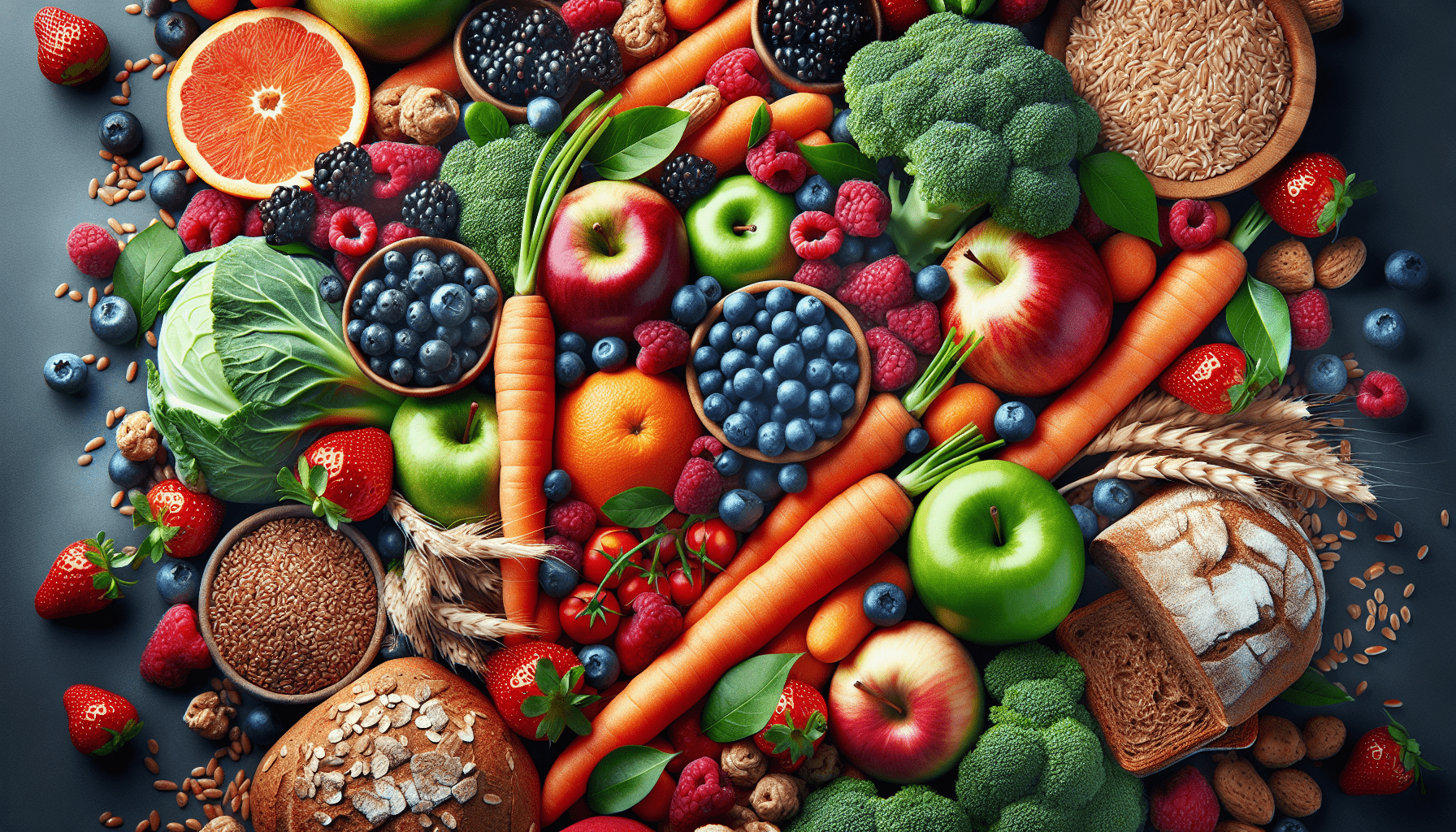
Fiber is incredibly beneficial for digestion and can help to alleviate bloating. One of the best ways to increase your fiber intake is by choosing whole grains. Instead of reaching for refined carbohydrates like white bread and pasta, opt for whole wheat bread, brown rice, and whole grain cereals. These foods are rich in dietary fiber, which helps to regulate bowel movements and keep everything moving smoothly through your digestive system.
Another great way to increase your fiber intake is by incorporating more fruits and vegetables into your diet. Not only are they packed with essential vitamins and minerals, but they also provide a good amount of fiber. Aim to include a variety of colorful fruits and vegetables in your meals and snacks. Berries, apples, broccoli, and carrots are all excellent choices. Try to consume at least five servings of fruits and vegetables each day for optimal fiber intake.
Legumes are another fantastic source of fiber that can help to reduce bloating. Beans, lentils, and chickpeas are all loaded with both soluble and insoluble fiber, which can aid in digestion and prevent constipation. Including legumes in your meals, such as adding black beans to a salad or enjoying a bowl of lentil soup, can contribute to a healthier digestive system and reduce bloating.
For an extra fiber boost, consider incorporating chia seeds or flaxseeds into your diet. These tiny seeds are rich in fiber and can easily be added to smoothies, oatmeal, or yogurt. They not only provide fiber but also offer a dose of heart-healthy omega-3 fatty acids.
Reduce salt consumption
Excessive salt consumption can lead to water retention and bloating. To reduce bloating, it’s important to be mindful of your salt intake. One of the best ways to do this is by avoiding processed foods. Processed foods are often high in sodium, as salt is commonly used as a preservative. Instead, opt for fresh or minimally processed foods whenever possible. By cutting back on processed foods, you’ll not only reduce bloating but also improve your overall health.
Another important step in reducing salt consumption is to read food labels. Many packaged foods, even those that may seem healthy, can be surprisingly high in sodium. Take the time to check the labels and choose low-sodium options whenever available.
Limiting the use of table salt can also have a significant impact on reducing bloating. While a pinch of salt can enhance the flavor of a dish, excessive use can contribute to water retention and bloating. Instead of relying solely on salt for flavor, experiment with herbs and spices. Not only do they add flavor, but many herbs and spices also come with their own health benefits. So reach for that basil, oregano, or cinnamon to boost the taste of your meals while reducing your salt intake.
Stay hydrated
Staying hydrated is crucial for optimal digestion and can help to prevent bloating. Drinking enough water throughout the day is important in maintaining healthy bowel movements and preventing constipation, which can cause bloating.
Aim to drink at least 8 glasses of water per day to stay properly hydrated. Carry a water bottle with you throughout the day to remind yourself to drink water regularly. If you struggle to consume plain water, try infusing it with fruits or herbs. Adding slices of lemon, cucumber, or a few sprigs of mint can add flavor and make drinking water more enjoyable.
While water is essential, it’s also important to limit caffeine and alcohol intake. Both caffeine and alcohol can have dehydrating effects on the body. When consumed in excess, they can disrupt the natural balance of fluids in your body, leading to bloating and discomfort. To prevent bloating, try to limit your intake of caffeine and alcohol, and opt for water or herbal teas instead.
Avoid gas-producing foods
Certain foods have a reputation for causing gas and bloating. By cutting down on these gas-producing foods, you can alleviate bloating and discomfort.
Beans, lentils, and chickpeas are notorious for causing gas due to their high fiber content. While these legumes are incredibly nutritious and beneficial for overall health, they can cause bloating in some individuals. If you find that they contribute to your bloating, try consuming smaller portions or cooking them with herbs and spices that aid digestion, such as cumin or ginger.
Cruciferous vegetables like broccoli, cauliflower, and cabbage are also known to cause bloating. These vegetables contain a type of carbohydrate that can be difficult for some people to digest, leading to gas and bloating. If you experience bloating after consuming cruciferous vegetables, try cooking them instead of eating them raw, as heat can help to break down the troublesome carbohydrates.
Carbonated drinks, such as soda or sparkling water, can also contribute to bloating. The bubbles in these drinks can cause gas to accumulate in your digestive system, leading to bloating and discomfort. To reduce bloating, avoid or limit your consumption of carbonated drinks and opt for still beverages instead.
Chewing gum may seem harmless, but it can actually contribute to bloating. When you chew gum, you swallow air, which can accumulate in your digestive system and cause bloating. To minimize bloating, try to avoid chewing gum or limit your chewing time.
Manage food intolerances
Food intolerances can contribute to bloating and digestive discomfort. If you suspect that certain foods are causing your bloating, it’s important to identify these trigger foods and make appropriate changes to your diet.
Consider keeping a food diary to track your symptoms and the foods you consume. This can help you identify patterns and pinpoint which foods may be causing your bloating. Once you have identified trigger foods, try eliminating them from your diet for a period of time to see if your symptoms improve.
An elimination diet may also be beneficial in identifying food intolerances. By systematically removing certain foods from your diet and gradually reintroducing them, you can determine which foods are triggering your symptoms.
If you are struggling to manage your bloating or suspect that you have a food intolerance, it is always a good idea to consult with a healthcare professional. They can provide personalized advice, recommend tests, and guide you in managing your diet to alleviate your symptoms.
Eat smaller, more frequent meals
Overeating can lead to feelings of bloating and discomfort. To prevent bloating, it is important to avoid overeating and instead eat smaller, more frequent meals throughout the day.
When you consume large portions of food in a single sitting, your stomach stretches to accommodate the volume. This can lead to feelings of fullness, bloating, and discomfort. To prevent this, try to listen to your body’s hunger and fullness cues. Instead of eating until you feel stuffed, aim to eat until you are comfortably satisfied.
Spacing out your meals throughout the day can also help to prevent bloating. By eating smaller, more frequent meals, you give your body time to digest and process food before adding more to your stomach. This can help to prevent bloating and promote better digestion.
In addition to regular meals, be sure to include nutritious snacks in your daily routine. Snacks can help to keep your energy levels stable and prevent overeating during main meals. Opt for healthy snacks such as fruits, vegetables, nuts, or yogurt.
Add probiotic foods to your diet
Probiotic foods contain beneficial bacteria that can help to improve digestion and reduce bloating. Including probiotic-rich foods in your diet can promote a healthy balance of gut bacteria and support overall digestive health.
Yogurt and kefir are excellent sources of probiotics. Look for varieties that contain live and active cultures to ensure you are getting the beneficial bacteria. These dairy products are not only tasty but also provide calcium and protein.
Fermented foods, such as sauerkraut, kimchi, and pickles, are also excellent sources of probiotics. They undergo a natural fermentation process, which promotes the growth of beneficial bacteria. Adding fermented foods to your meals can enhance the flavor and provide additional digestive benefits.
If you find it challenging to incorporate enough probiotic foods into your diet, you may consider taking probiotic supplements. These supplements contain live bacteria and can help to replenish and maintain a healthy gut flora.
Limit high-fat foods
High-fat foods can be difficult to digest and can contribute to bloating. To reduce bloating, it is important to limit your consumption of high-fat foods.
Fried and greasy foods are often high in unhealthy fats, which can slow down digestion and contribute to bloating. Instead of fried foods, opt for healthier cooking methods such as grilling, baking, or steaming. These methods can help to reduce the amount of fat in your meals while still providing delicious flavor.
Choosing lean sources of protein, such as skinless chicken, turkey, or fish, can also help to reduce bloating. Fatty meats can be harder to digest and can contribute to feelings of heaviness and bloating. Lean proteins are not only easier to digest but also provide essential nutrients.
Full-fat dairy products, such as whole milk and cheese, can also contribute to bloating. These products are high in saturated fats, which can be difficult to digest for some individuals. Opt for low-fat or fat-free dairy options to reduce your fat intake and minimize bloating.
Avoid artificial sweeteners
Artificial sweeteners, such as aspartame and sucralose, are often used as sugar substitutes in diet sodas, sugar-free candies, and other low-calorie products. While they may seem like a good alternative to sugar, artificial sweeteners can actually contribute to bloating.
Reading food labels is crucial when it comes to avoiding artificial sweeteners. Many packaged foods, even those labeled as “sugar-free” or “diet,” contain artificial sweeteners. Take the time to read the ingredients list and look for alternative products that use natural sweeteners instead.
Opt for natural sweeteners, such as stevia, honey, or maple syrup, when sweetening your foods and beverages. These natural sweeteners are generally better tolerated by the body and can help to reduce bloating.
Minimize your consumption of diet sodas and sugar-free candies, as these products often contain artificial sweeteners. These items may seem like a good option for those watching their sugar intake, but they can contribute to bloating and digestive discomfort. Instead, choose water or unsweetened beverages and opt for treats sweetened with natural alternatives.
Manage stress levels
Stress can have a significant impact on your digestive system and contribute to bloating. Managing stress levels is important in preventing bloating and promoting overall well-being.
Practicing relaxation techniques, such as deep breathing exercises or meditation, can help to reduce stress and promote relaxation. These techniques can be done anywhere and at any time, making them a valuable tool in managing stress.
Engaging in regular physical activity can also help to reduce stress and promote healthy digestion. Exercise releases endorphins, which are known as “feel-good” hormones. Regular physical activity can help to improve mood, reduce stress, and promote a healthy digestive system.
Getting sufficient sleep is crucial for managing stress levels and promoting optimal digestion. Lack of sleep can contribute to increased stress levels and disrupt the natural rhythm of your body. Aim to get at least 7-8 hours of quality sleep each night to support overall well-being and reduce bloating.
By following these tips and making changes to your diet and lifestyle, you can effectively beat bloating and promote a healthy digestive system. Remember to listen to your body, experiment with different strategies, and consult with a healthcare professional if you have any concerns or underlying health conditions. With a little effort and mindfulness, you can say goodbye to bloating and achieve better digestive health.