
If you’re looking to build muscle mass and increase your strength, then strength training should be your go-to method. Strength training is a highly effective way to not only build muscle but also improve your overall fitness level. By engaging in resistance exercises, such as weightlifting and resistance band workouts, you can stimulate muscle growth and promote muscle hypertrophy. In this article, we will explore the key principles and techniques involved in strength training that will help you on your journey to building muscle mass and achieving your fitness goals. So grab your dumbbells and let’s get started!

Setting Goals
Setting clear goals is essential for a successful muscle-building journey. Start by deciding on your objective – whether it’s to gain overall muscle mass, increase strength, or target specific areas of your body. This will provide you with a sense of direction and purpose throughout your training program.
Next, define your target muscle groups. Identify the areas of your body you want to focus on and develop. This could include your chest, back, shoulders, arms, legs, or core. By pinpointing these areas, you can tailor your workouts and exercises accordingly to ensure balanced development.
While it’s important to set ambitious goals, it’s equally crucial to set realistic timeframes. Building muscle takes time and effort, so be patient with yourself. Setting small, attainable milestones along the way can help keep you motivated and focused. Remember, slow and steady wins the race when it comes to sustainable muscle growth.
Planning Your Training Program
Designing a well-structured workout routine is key to maximizing muscle growth and strength gains. Consider incorporating a mix of compound exercises and isolation movements into your program. Compound exercises, such as squats, deadlifts, and bench presses, work multiple muscle groups simultaneously, allowing for efficient and effective workouts. Isolation exercises, like bicep curls or calf raises, target specific muscles, helping to enhance definition and symmetry.
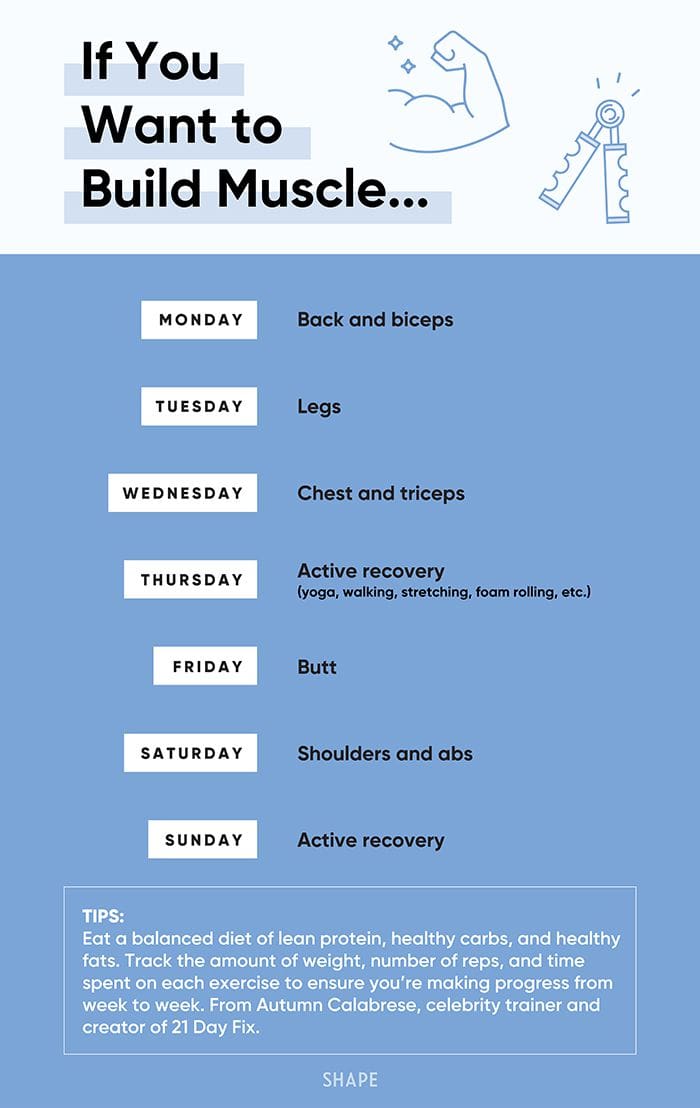
Allocate specific training days for different muscle groups to ensure adequate recovery and prevent overtraining. For example, you could dedicate one day to chest and triceps, another day to back and biceps, and another day to legs and shoulders. This targeted approach will allow you to hit each muscle group with sufficient intensity while still allowing for proper rest and recovery.
Speaking of rest, incorporate rest days into your training program. Your muscles need time to recover and repair in order to grow stronger. Aim for at least one or two rest days per week to give your body the opportunity to rebuild. Rest days also provide an opportunity for you to recharge mentally and prevent burnout.
Choosing the Right Exercises
When it comes to building muscle mass, focus on compound exercises. These movements recruit multiple muscle groups, allowing you to lift heavier weights and stimulate greater muscle growth. Examples of compound exercises include squats, deadlifts, bench presses, shoulder presses, and rows.
Make sure to include both pushing and pulling movements in your routine. Pushing exercises, like push-ups or chest presses, target the chest, shoulders, and triceps. Pulling exercises, such as pull-ups or rows, engage the back, biceps, and rear deltoids. By incorporating both types of movements, you can ensure balanced muscle development and prevent muscular imbalances.
In addition to compound exercises, don’t forget to incorporate exercises for all major muscle groups. This includes not only the larger muscles like the chest, back, and legs but also the smaller muscles like the biceps, triceps, shoulders, and calves. Remember, a comprehensive training program targets all muscle groups to achieve a balanced and symmetrical physique.
Progressive Overload
To build muscle mass and strength, it’s crucial to gradually increase the weights you lift. This principle, known as progressive overload, ensures that your muscles are constantly challenged and stimulated to adapt and grow. Push yourself to lift heavier weights or perform additional repetitions over time to continue making progress.
Tracking your progress is another key aspect of progressive overload. Keep a workout journal where you can record the weights lifted, sets, and repetitions performed, as well as any notes or observations. This will give you a clear picture of your progress and help you identify areas of improvement.
Remember, to challenge your muscles, you need to consistently push yourself out of your comfort zone. This may mean increasing the weight you lift, adding an extra set, or performing more repetitions. By progressively overloading your muscles, you will stimulate further growth and development.
Proper Form and Technique
Learning and maintaining proper form and technique is essential for not only maximizing muscle gains but also preventing injuries. Each exercise has a correct form that ensures maximum muscle engagement and minimizes strain on joints and other surrounding structures.
Take the time to learn the correct form for each exercise you perform. This may involve studying exercise tutorials, seeking guidance from a qualified trainer, or watching instructional videos. Focus on mastering the proper technique before adding weight or intensity to your workouts.
In addition to form, proper breathing techniques play a fundamental role in strength training. Breathe in during the eccentric or lowering phase of the exercise and exhale during the concentric or lifting phase. This will help stabilize your core and provide necessary oxygen to your working muscles.
Avoid using momentum or cheating during exercises. Momentum can take away the focus from the targeted muscle group and reduce the effectiveness of the exercise. Instead, prioritize slow, controlled movements to ensure maximum muscle activation and growth.
Nutrition for Muscle Growth
Building muscle requires proper nutrition to fuel and support the body’s growth and recovery processes. Eating a balanced diet is essential for providing the necessary macronutrients (carbohydrates, proteins, and fats) and micronutrients (vitamins and minerals) required for muscle growth.
Ensure that your diet includes a variety of whole, nutrient-dense foods such as lean meats, poultry, fish, eggs, legumes, whole grains, fruits, and vegetables. These foods provide essential amino acids, vitamins, and minerals necessary for muscle repair and growth.
Protein intake is particularly important for muscle growth. Aim to consume enough high-quality protein sources such as lean meats, poultry, fish, dairy products, eggs, and plant-based protein sources like tofu and legumes. Protein supplies the building blocks (amino acids) necessary for repairing and building muscle tissues.
Staying hydrated is also vital for muscle growth as water plays a crucial role in various physiological processes, including muscle protein synthesis. Aim to drink an adequate amount of water throughout the day to maintain optimal hydration levels.
Pre- and Post-Workout Nutrition
Fueling your body before a workout can enhance performance and provide the energy necessary for intense training sessions. Consume a balanced meal or snack that includes a combination of carbohydrates and protein approximately 1-2 hours before your workout. This will provide your body with a readily available source of energy and amino acids.
After your workout, focus on recovering and replenishing your body. Consume a post-workout meal or snack within 30-60 minutes of completing your training session. This meal should include both carbohydrates and protein to replenish glycogen stores and promote muscle repair and growth.
Consider incorporating supplements into your nutrition regimen to support muscle growth and recovery. Protein powders, creatine, and branched-chain amino acids (BCAAs) are popular choices among strength trainers. However, be sure to consult with a healthcare professional or registered dietitian before adding supplements to your routine.
Rest and Recovery
Rest and recovery are essential components of any effective muscle-building program. It’s during periods of rest that your muscles repair and grow stronger. Failing to incorporate sufficient rest and recovery into your routine can lead to overtraining, fatigue, and increased risk of injury.
Allow yourself an adequate amount of sleep each night, aiming for 7-9 hours of quality sleep. Sleep is when the body releases growth hormone, promotes muscle recovery, and repairs damaged tissues. Prioritize quality sleep to optimize muscle growth and overall health.
Incorporating active recovery into your routine can also aid in the muscle recovery process. This can include engaging in light cardiovascular exercise, stretching, or practicing activities like yoga or Pilates. Active recovery promotes blood flow, reduces muscle soreness, and enhances overall mobility.
Avoid overtraining, which is characterized by excessive exercise without adequate rest and recovery time. Overtraining can lead to decreased performance, increased risk of injury, and hindered muscle growth. Listen to your body, and if you’re feeling fatigued or experiencing persistent muscle soreness, consider taking an additional rest day or scaling back your training intensity.

Tracking and Monitoring
Keeping a workout journal is a valuable tool for tracking and monitoring your progress. This journal can include details of your exercises, sets, repetitions, weights lifted, as well as any notes or observations regarding the difficulty or technique of each exercise. By tracking your workouts, you can identify areas of improvement and make necessary adjustments to your program.
Measure and track your progress regularly to monitor your muscle growth. This can include taking body measurements, tracking your weight, and taking progress photos. These objective markers will provide tangible evidence of your progress, even when it may not be immediately visible.
As you continue on your muscle-building journey, be open to adapting and modifying your training program as needed. What works for someone else may not necessarily work for you. Pay attention to how your body responds to different exercises, volume, and intensity. Adapt your program based on your progress, goals, and personal preferences.
Staying Motivated and Consistent
Building muscle mass takes time and dedication, and staying motivated is crucial for long-term success. Consider finding a training partner or joining a group exercise class to provide motivation, support, and accountability. Working out with others can make your training sessions more enjoyable and help you stay consistent.
Set milestones and celebrate achievements along the way. Breaking your long-term goal into smaller, more manageable milestones allows you to track progress and sustain motivation. Rewarding yourself for reaching these milestones can provide a sense of accomplishment and further encourage you to push forward.
To prevent boredom and keep your workouts fresh, vary your exercises and training routines regularly. Consider incorporating new exercises or training techniques to challenge your muscles in different ways. This will not only prevent plateaus but also keep your workouts exciting and enjoyable.
In conclusion, building muscle mass with strength training requires setting clear goals, designing a well-structured training program, choosing the right exercises, implementing progressive overload, focusing on proper form and technique, prioritizing nutrition and recovery, tracking and monitoring progress, and staying motivated and consistent. By following these guidelines, you can embark on a successful muscle-building journey and achieve the strong and muscular physique you desire. Remember, Rome wasn’t built in a day, so be patient, stay consistent, and enjoy the process of transforming your body through strength training.