
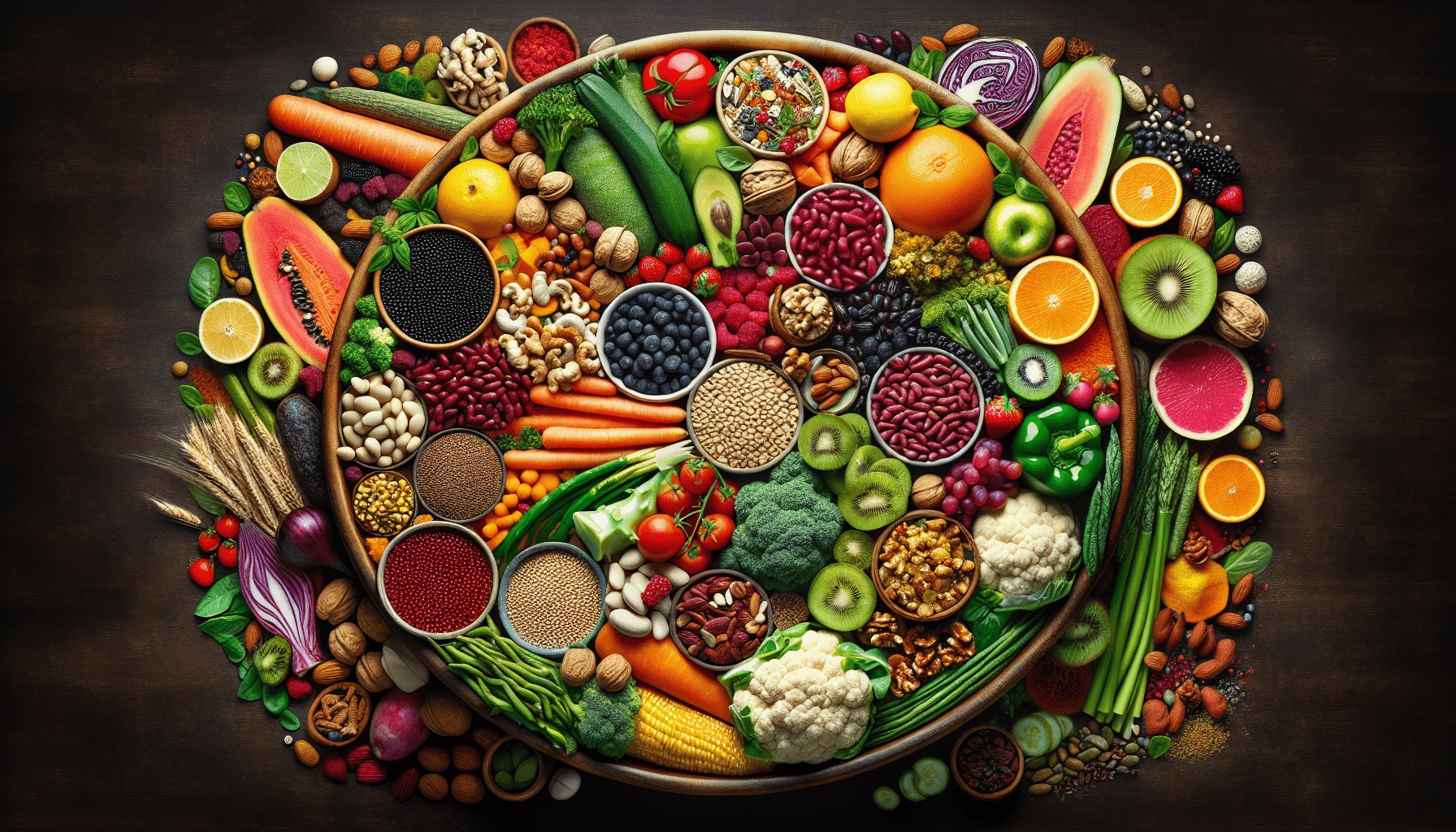
Looking to build muscle on a vegan diet? Look no further! In this article, you will discover the secrets to transforming your body without compromising your plant-based lifestyle. Building muscle doesn’t have to mean consuming animal products – with the right combination of plant-based nutrients and smart training, you can achieve remarkable results. Whether you’re a seasoned vegan or new to the lifestyle, this guide will provide you with valuable tips and techniques to help you maximize your muscle gains and reach your fitness goals. Get ready to unleash your inner strength and pave your way to a fitter, stronger you, all while staying true to your vegan principles.
Balanced Vegan Diet
Importance of a balanced diet
A balanced diet is essential for maintaining overall health and providing the necessary nutrients for muscle growth. When following a vegan diet, it’s important to ensure that you’re getting a wide range of plant-based foods that provide all the essential nutrients your body needs. A balanced vegan diet includes a variety of fruits, vegetables, whole grains, legumes, nuts, and seeds.
Macronutrient distribution
To build muscle on a vegan diet, it’s crucial to understand the distribution of macronutrients. The three primary macronutrients are carbohydrates, proteins, and fats. Carbohydrates provide energy, proteins support muscle growth and repair, while fats play a role in hormone production and nutrient absorption.
A balanced vegan diet should consist of roughly 55-60% carbohydrates, 15-20% protein, and 20-25% healthy fats. It’s important to focus on consuming complex carbohydrates such as whole grains, fruits, and vegetables, as well as plant-based proteins like legumes, tofu, tempeh, seitan, and spirulina.
Protein sources for vegans
Protein is an essential component of muscle-building. While many people believe that it’s challenging to get enough protein on a vegan diet, there are plenty of plant-based sources that can provide all the amino acids your body needs. Some excellent sources of vegan protein include beans, lentils, chickpeas, quinoa, hemp seeds, chia seeds, and edamame.
In addition to whole foods, there are also various plant-based protein powders available on the market. These powders, such as pea protein, rice protein, and soy protein, can be added to smoothies, oatmeal, or baked goods to boost your protein intake. It’s essential to choose high-quality protein sources and vary them to ensure you’re getting a complete amino acid profile.
Caloric Surplus for Muscle Growth
Understanding caloric surplus
To build muscle, you need to consume more calories than your body burns. This is known as a caloric surplus. When you consistently eat in a surplus, your body has the extra energy it needs to fuel muscle growth and repair. It’s important to note that the surplus should be small and controlled to prevent excessive fat gain.
Determining your caloric needs
Each individual’s caloric needs vary based on factors such as age, gender, weight, activity level, and metabolism. To determine your caloric needs for muscle growth, you can use an online calculator that takes these factors into account. Once you have an estimate, it’s recommended to start with a moderate surplus of around 250-500 calories per day to see how your body responds.
Calculating macronutrient intake
Once you have determined your caloric needs, it’s essential to calculate your macronutrient intake. As mentioned earlier, protein is a crucial macronutrient for muscle growth. Aim for around 1.2-2 grams of protein per kilogram of body weight. Divide the remaining calories between carbohydrates and fats based on your personal preferences and dietary restrictions.
Remember to prioritize whole foods to fulfill your macronutrient needs and obtain a wide range of vitamins, minerals, and phytonutrients. This will ensure that you’re not only meeting your muscle-building goals but also maintaining overall health.
High Protein Foods
Plant-based protein sources
There is a misconception that plant-based diets are lacking in protein. However, there are numerous plant-based protein sources that can provide you with all the essential amino acids required for muscle growth. Legumes, such as lentils, chickpeas, and black beans, are excellent sources of protein and can be incorporated into salads, soups, and stews.
If you’re looking for a complete protein source, quinoa is a great option as it contains all nine essential amino acids. Other plant-based protein sources include tofu, tempeh, seitan, edamame, hemp seeds, chia seeds, and nutritional yeast. These can be used in various recipes such as stir-fries, burgers, salads, or smoothies.
Complete protein combinations
While it’s not necessary to combine specific plant-based proteins in a single meal to get a complete protein, it can be beneficial to include a variety of protein sources throughout the day. By doing so, you’ll ensure that you’re getting all the essential amino acids your body needs for optimal muscle growth and repair.
For example, you can combine whole grains like brown rice or quinoa with legumes such as lentils or black beans to create a complete protein source. This can be done in dishes like rice and beans or by adding tofu or tempeh to a grain-based salad.
Supplements for vegan athletes
Although it’s possible to meet your protein needs through a balanced vegan diet, some athletes may find it helpful to incorporate protein supplements to ensure they’re reaching their daily protein goals. Vegan protein powders made from ingredients like pea protein, brown rice protein, or soy protein can be convenient options for busy individuals or those who struggle to consume enough protein through whole foods alone.
However, it’s important to choose high-quality protein powders and read labels carefully to avoid any added sugars or artificial ingredients. Additionally, protein supplements should not replace whole foods but rather serve as a supplement to a balanced diet.
Pre- and Post-Workout Nutrition
Importance of pre-workout fueling
Proper pre-workout nutrition is essential for providing your body with the energy it needs to perform at its best and maximize muscle growth. Consuming a balanced meal or snack before a workout can help maintain blood sugar levels, enhance focus and concentration, and prevent muscle breakdown during exercise.
Aim to consume a combination of carbohydrates and proteins about 1-2 hours before your workout. Carbohydrates will provide the necessary energy, while protein will support muscle repair and growth. Great pre-workout snack ideas for vegans include a banana with almond butter, a small smoothie made with fruit and plant-based protein powder, or a handful of nuts and dried fruit.
Choosing vegan pre-workout foods
When choosing pre-workout foods, it’s important to prioritize easily digestible options to avoid any discomfort during your workout. Opt for complex carbohydrates that will provide a steady release of energy, such as whole grains, fruits, and vegetables. Avoid high-fat foods, as they can slow down digestion and make you feel sluggish during exercise.
Protein-rich snacks should be included to provide the necessary amino acids for muscle repair and growth. Vegan options include protein bars made from plant-based ingredients, tofu, or tempeh with whole grain bread, or a protein shake made with your favorite vegan protein powder.
Recovery and muscle growth with post-workout nutrition
Post-workout nutrition is crucial for replenishing glycogen stores, repairing muscle tissue, and promoting muscle growth. After a workout, your body needs a combination of carbohydrates and proteins to kick-start the recovery process.
Including a source of fast-digesting carbohydrates like fruit or a sports drink will replenish glycogen stores, while protein will provide the necessary amino acids for muscle repair and growth. Some post-workout vegan options include a smoothie with plant-based protein powder, oatmeal with nut butter and fruit, or a tofu and vegetable stir-fry with brown rice.
Meal Planning and Timing
Balancing macronutrients in meals
Proper meal planning is essential to ensure you’re meeting your macronutrient needs throughout the day. Aim to include a source of protein, complex carbohydrates, and healthy fats in each meal. This will help provide sustained energy, promote muscle growth, and support overall health.
For example, a balanced vegan meal could include grilled tofu or tempeh as the protein source, quinoa or brown rice as the complex carbohydrate, and a serving of roasted vegetables drizzled with olive oil as the healthy fat. Experiment with different combinations to find what works best for you and your taste preferences.
Meal timing for optimal muscle growth
In addition to balancing macronutrients, meal timing plays a crucial role in optimizing muscle growth. It’s recommended to consume a meal or snack containing both carbohydrates and proteins within 1-2 hours after completing your workout. This window of time, also known as the anabolic window, allows for optimal nutrient absorption and muscle recovery.
Spacing your meals evenly throughout the day and consuming a balanced meal or snack every 3-4 hours can help provide a steady supply of nutrients to support muscle growth and prevent muscle breakdown. Listening to your body’s hunger and fullness cues can also guide your meal timing.
Meal prepping and convenience
Meal prepping can be a game-changer when it comes to staying on track with your muscle-building goals. Spending a few hours each week prepping meals and snacks in advance can save you time, ensure you have nutritious options readily available, and prevent you from making impulsive food choices.
Prepare large batches of grains, legumes, and roasted vegetables that can be used in various recipes throughout the week. Portion out your meals and snacks into reusable containers, making it easy to grab and go when you’re in a rush. Having a well-stocked pantry with essentials like canned beans, nut butter, and whole grains can also simplify meal planning and make vegan muscle-building more convenient.
Strength Training and Progressive Overload
Benefits of strength training
Strength training is a vital component of building muscle on a vegan diet. It helps stimulate muscle growth, increase strength and power, and improve overall body composition. Regular strength training sessions allow you to progressively overload your muscles, leading to continuous adaptation and growth.
Strength training exercises such as weightlifting, bodyweight exercises, and resistance band workouts can all contribute to muscle growth. It’s important to focus on compound exercises that target multiple muscle groups simultaneously, such as squats, deadlifts, lunges, bench press, and pull-ups.
Designing a vegan-friendly workout program
When designing a workout program on a vegan diet, it’s essential to include a mix of exercises that target different muscle groups. Aim for a well-rounded routine that includes exercises for the upper body, lower body, and core.
To build muscle, it’s recommended to perform resistance training exercises at least 2-3 times per week. This can be split into different muscle groups or full-body workouts, depending on your preference and schedule. Remember to incorporate progressive overload by gradually increasing the weights, reps, or sets over time.
Applying progressive overload for muscle growth
Progressive overload is the principle of gradually increasing the demands placed on your muscles to promote continuous adaptation and growth. This can be achieved by manipulating variables such as weight, repetitions, sets, or rest periods.
To apply progressive overload, aim to gradually increase the resistance (weight) used in your strength training exercises. Start with a weight that allows you to perform the exercises with proper form and gradually increase the resistance as you become stronger.
Adequate Rest and Recovery
Importance of rest days
Rest days are just as crucial as training days when it comes to muscle growth. Giving your muscles time to recover is essential for repairing damaged tissue, replenishing energy stores, and preventing overtraining and injuries.
Aim for at least one or two rest days per week, depending on your training intensity and volume. On these days, focus on engaging in low-impact activities such as walking, yoga, or stretching to promote blood flow and aid in recovery.
Sleep and its impact on muscle growth
Getting enough quality sleep is critical for muscle growth and recovery. During sleep, your body releases growth hormones that promote tissue repair and muscle growth. Lack of sleep can impair muscle recovery, increase the risk of injuries, and hinder overall performance.
It’s recommended to aim for 7-9 hours of quality sleep per night. Establishing a bedtime routine, creating a sleep-friendly environment, and avoiding stimulating activities or electronics before bed can help improve the quality and duration of your sleep.
Incorporating active recovery techniques
Active recovery techniques can help enhance blood flow, reduce muscle soreness, and expedite the recovery process. These techniques include activities such as foam rolling, stretching, light cardio exercises, and yoga.
Incorporate active recovery sessions into your weekly routine, especially after intense workouts or during rest days. These sessions will not only aid in muscle recovery but also promote flexibility, mobility, and overall performance.
Protein Synthesis Optimization
Leucine-rich plant-based foods
Leucine is an essential amino acid that plays a vital role in muscle protein synthesis. It is important to include leucine-rich plant-based foods in your diet to maximize muscle growth. Good sources of leucine for vegans include tofu, tempeh, edamame, lentils, quinoa, and brown rice.
By prioritizing these plant-based foods, you can ensure you’re getting a sufficient amount of leucine to support muscle protein synthesis and overall muscle growth. Incorporate these foods into your meals and snacks regularly to optimize your protein intake.
Maximizing protein absorption
In addition to consuming enough protein, it’s also important to maximize protein absorption for efficient muscle growth. Including foods rich in vitamin C, such as citrus fruits, berries, and leafy greens, can help enhance iron absorption, which is necessary for protein synthesis.
Digestive enzymes like bromelain and papain, found in pineapple and papaya, respectively, can also support protein digestion and absorption. Including these foods in your diet can assist in maximizing the utilization of protein for muscle growth.
Timing protein intake for better synthesis
The timing of protein intake can also impact muscle protein synthesis. Consuming protein-rich foods or supplements within an hour after your workout can help kickstart muscle recovery and growth.
Additionally, spreading your protein intake evenly throughout the day, including breakfast, lunch, dinner, and snacks, can provide a constant supply of amino acids for muscle repair and growth. Be mindful of including protein-rich foods in all your meals and snacks, especially after an intense workout, to support optimal muscle protein synthesis.
Hydration and Supplementation
Importance of proper hydration
Staying properly hydrated is crucial for muscle growth and overall performance. Water is essential for the transportation of nutrients, regulation of body temperature, and lubrication of joints.
Aim to drink at least 8-10 cups (2-2.5 liters) of water per day, more if you’re engaging in intense workouts or live in a hot climate. Additionally, include foods with high water content, such as fruits and vegetables, in your diet to contribute to your overall hydration.
Vegan-friendly supplements for muscle building
While a well-planned vegan diet can provide all the necessary nutrients for muscle growth, some individuals may choose to incorporate supplements to fill any nutritional gaps or enhance their performance. It’s important to note that supplements should not be relied upon as a substitute for whole foods but rather as a complement to a balanced diet.
Some vegan-friendly supplements that can support muscle building include plant-based protein powders, creatine, BCAAs (branched-chain amino acids), and beta-alanine. However, it’s crucial to consult with a healthcare professional or registered dietitian before starting any new supplements to ensure they align with your specific needs and goals.
Electrolyte balance and performance
Electrolytes play a crucial role in muscle contraction, nerve function, and fluid balance in the body. During intense workouts, electrolytes can be lost through sweat, so it’s important to maintain a balanced intake.
While electrolytes can be obtained through whole foods such as fruits, vegetables, and nuts, athletes engaging in prolonged or intense exercise may consider supplementing with electrolyte drinks or tablets to replenish these vital minerals. Look for vegan-friendly options that provide sodium, potassium, calcium, and magnesium to support optimal performance and prevent dehydration.
Vegan Muscle-Building Recipes
High-protein breakfast options
Starting your day with a high-protein breakfast can provide sustained energy and support muscle growth. Consider trying a tofu scramble with vegetables, a protein-packed smoothie made with pea protein powder, almond milk, and fruits, or overnight oats with chia seeds, nuts, and berries.
Including a variety of plant-based protein sources, such as tofu, chia seeds, hemp seeds, or nut butter, can help you meet your protein needs and enjoy a delicious and satisfying breakfast.
Plant-based lunch and dinner ideas
For lunch and dinner, focus on meals that combine complex carbohydrates, protein, and healthy fats. Some ideas include a quinoa and black bean salad with avocado, a lentil and vegetable curry served with brown rice, or a tofu and vegetable stir-fry with whole wheat noodles.
Experiment with different cuisines and flavors to keep your meals interesting and enjoyable. Incorporating a variety of vegetables and plant-based proteins will ensure you’re getting a range of nutrients to support muscle growth and overall health.
Vegan snacks for muscle recovery
Snacks can be a great way to boost your daily protein intake and support muscle recovery between meals. Consider options like a handful of nuts and seeds, trail mix with dried fruits, roasted chickpeas, or a protein-rich smoothie made with plant-based protein powder and nut milk.
Healthy snacks can provide essential nutrients and help keep hunger at bay, allowing you to meet your protein needs and maintain your energy levels throughout the day.
Building muscle on a vegan diet is not only possible but also achievable with proper planning and attention to nutrient intake. By following a balanced vegan diet, incorporating a variety of plant-based protein sources, prioritizing rest and recovery, and implementing an effective strength training program, you can achieve your muscle-building goals while fueling your body with nutritious and delicious plant-based foods. Remember to listen to your body, stay consistent, and enjoy the journey of building muscle on a vegan diet.