
Are you tired of dealing with chronic back pain that seems never-ending? If so, this article is for you. In “Managing Chronic Back Pain: Exercises And Posture Tips For Relief,” we will explore effective exercises and posture tips that can help alleviate your discomfort and improve your overall quality of life. With a friendly tone and helpful advice, this article aims to provide you with the tools and knowledge to manage your chronic back pain successfully. So, sit back and get ready to discover a new approach to finding relief.
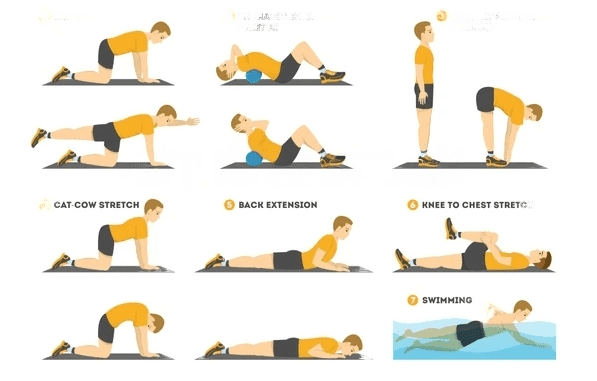
Exercises for Chronic Back Pain
Chronic back pain can be a debilitating condition that affects your daily life. However, there are several exercises that can help alleviate and manage this pain. By incorporating stretching exercises, strengthening exercises, and low-impact aerobic exercises into your routine, you can not only reduce back pain, but also improve flexibility, strength, and overall well-being.
Stretching Exercises
Stretching exercises can help relieve tension in the muscles, increase flexibility, and improve range of motion in the back. Here are a few stretching exercises that can be beneficial for chronic back pain:
Hamstring Stretch
The hamstrings, which are the muscles located at the back of the thighs, can contribute to back pain when they become tight. To perform a hamstring stretch, sit on the floor with one leg extended straight in front of you and the other leg bent. Reach forward with your hands, aiming to touch your toes or as close as possible without straining. Hold the stretch for 20-30 seconds and repeat on the other side.
Piriformis Stretch
The piriformis muscle runs deep within the buttocks and can often be a source of lower back pain. To stretch the piriformis muscle, lie on your back with both knees bent. Cross one ankle over the opposite knee, then gently pull the knee towards your chest until you feel a stretch in the buttocks. Hold the stretch for 20-30 seconds and repeat on the other side.
Spinal Twist Stretch
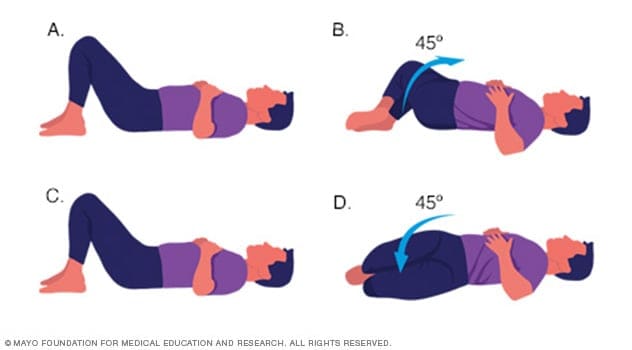
The spinal twist stretch helps to release tension in the back, particularly in the muscles surrounding the spine. Begin by lying on your back with your knees bent. Extend your arms out to the sides in a T shape, palms facing down. Slowly lower your knees to one side, keeping both shoulders flat on the ground. Hold the stretch for 20-30 seconds, then return to the starting position and repeat on the other side.
Strengthening Exercises
Strengthening exercises are an important component of managing chronic back pain. By strengthening the muscles that support the spine, you can improve stability and reduce the likelihood of future injury. Here are a few strengthening exercises to incorporate into your routine:
Plank Exercise
The plank exercise targets the core muscles, including those in the back. To perform a plank, start by lying face down on the ground. Place your forearms on the ground with your elbows directly beneath your shoulders. Lift your body off the ground, resting on your forearms and toes. Your body should form a straight line from head to toe, engaging the abdominal and back muscles. Hold the position for 30 seconds to 1 minute, gradually increasing the duration as your strength improves.
Bridges
Bridges are effective in strengthening the glute muscles, which can help provide stability and support for the back. Start by lying on your back with your knees bent and feet flat on the ground. Engage your core muscles as you lift your hips off the ground, creating a straight line from your shoulders to your knees. Hold for a few seconds before lowering your hips back down. Repeat for 10-15 repetitions.
Superman Exercise
The Superman exercise targets the muscles in the lower back, helping to improve strength and stability in that area. Start by lying face down on the ground with your arms extended overhead. Slowly lift your arms, chest, and legs off the ground, keeping your gaze down to avoid straining the neck. Hold the position for a few seconds before lowering back down. Repeat for 10-15 repetitions.
Low-Impact Aerobic Exercises
In addition to stretching and strengthening exercises, incorporating low-impact aerobic exercises into your routine can further alleviate chronic back pain. These exercises help improve cardiovascular health, increase blood flow, and maintain overall fitness levels. Here are a few low-impact aerobic exercises to consider:
Walking
Walking is a simple and effective way to get moving and improve back health. Start with shorter distances and gradually increase your pace and duration as your fitness level improves. Aim for at least 30 minutes of walking each day to reap the benefits.
Swimming
Swimming is a low-impact exercise that provides a full-body workout while reducing stress on the back and joints. The buoyancy of the water helps to support the body, making it an ideal exercise for individuals with chronic back pain. Whether swimming laps or participating in water aerobics classes, aim to incorporate swimming into your routine on a regular basis.
Stationary Biking
Cycling on a stationary bike is another low-impact aerobic exercise that can help alleviate chronic back pain. The seated position, coupled with the controlled movement, reduces strain on the back while still providing a cardiovascular workout. Start with shorter durations and gradually increase the intensity and duration as your endurance improves.
Posture Tips for Chronic Back Pain
Maintaining proper posture throughout the day is crucial for individuals with chronic back pain. Poor posture can place additional stress on the spine, exacerbating existing pain or increasing the risk of injury. By following these posture tips, you can minimize discomfort and prevent further issues:
Maintain Proper Alignment
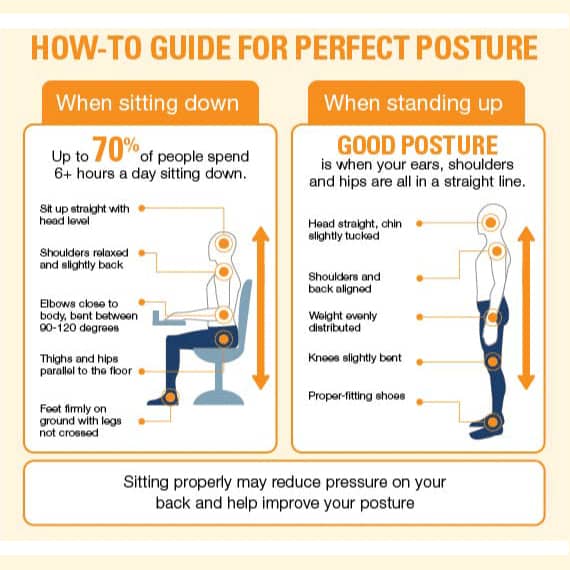
To maintain proper alignment, it is important to sit or stand with the spine in a neutral position. Avoid slouching or excessively arching the back. Instead, imagine a straight line extending from the ear through the shoulder, hip, and ankle. Proper alignment helps distribute the weight evenly and reduces strain on the back.
Use Ergonomic Furniture
Investing in ergonomic furniture can make a significant difference in managing chronic back pain. These specially designed pieces of furniture, such as supportive chairs and adjustable desks, are specifically tailored to promote proper posture and reduce muscle strain. When choosing an office chair, look for one with lumbar support to maintain the natural curve of the spine.
Take Frequent Breaks
Sitting or standing in the same position for prolonged periods can lead to muscle fatigue and discomfort. Taking frequent breaks to move and stretch is essential for individuals with chronic back pain. Set a timer or use reminders to prompt you to get up and move around every 30 minutes. Stretching can help relieve tension and improve circulation to the back.
Maintaining Proper Alignment
Maintaining proper alignment is crucial for individuals with chronic back pain as it helps distribute the weight evenly and reduces strain on the back. Here are a few tips to help you maintain proper alignment throughout the day:
Sit Up Straight
Whether you are sitting at a desk, driving, or watching television, make a conscious effort to sit up straight. Avoid slouching or leaning forward, as this can place additional stress on the back. Sit with your back against the chair, shoulders relaxed, and feet flat on the floor. Use a cushion or lumbar roll to support the natural curve of your lower back.
Tuck In Your Chin
To prevent strain on the neck and upper back, tuck in your chin slightly. Imagine a string attached to the top of your head, gently pulling it upward. This helps to align the spine and reduce tension in the neck and upper back.
Use a Lumbar Roll
A lumbar roll is a small cushion that supports the natural curve of the lower back. Place it between your lower back and the chair to help maintain proper alignment and reduce strain on the back. If you don’t have a lumbar roll, you can use a rolled-up towel or small pillow as a substitute.
Using Ergonomic Furniture
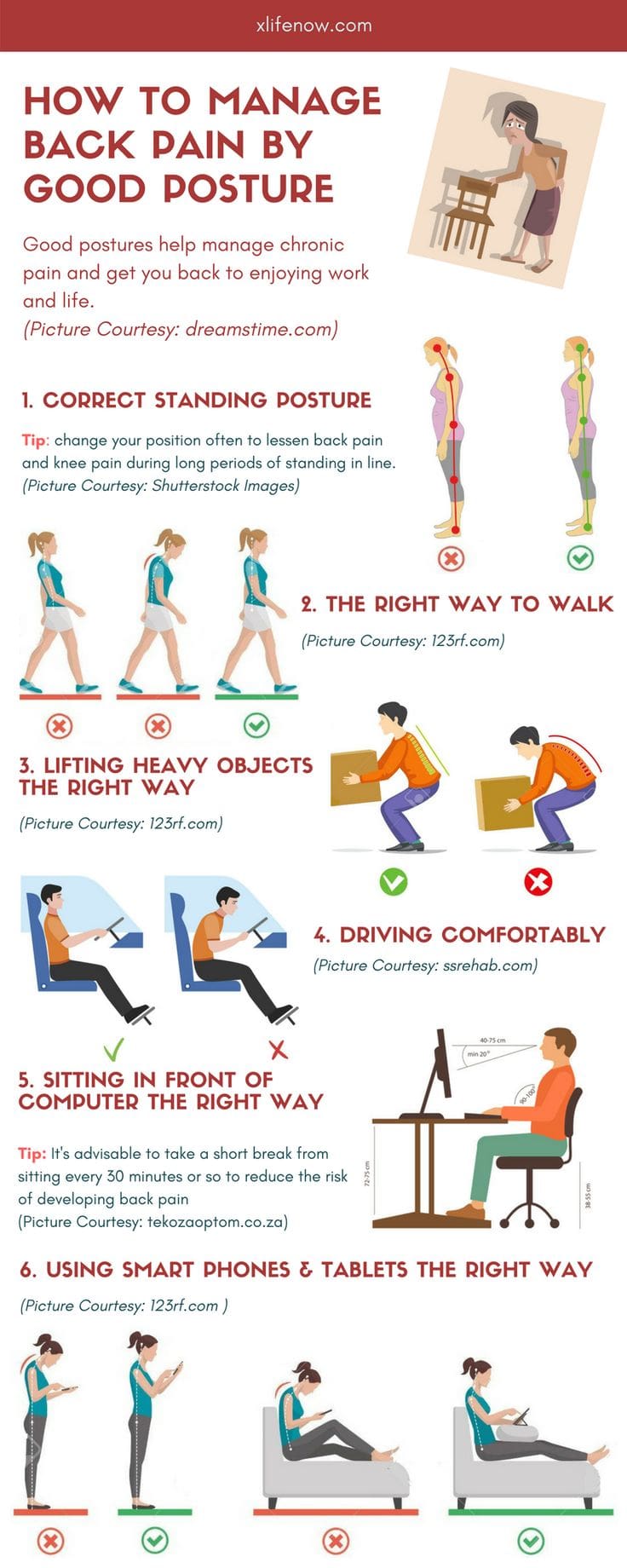
Investing in ergonomic furniture can significantly improve your posture and reduce back pain. Here are a few key pieces of ergonomic furniture to consider:
Supportive Chair
Choose a chair that provides adequate lumbar support to maintain the natural curve of your spine. Look for a chair with adjustable features, such as seat height, backrest angle, and armrests. These adjustments allow you to customize the chair to your body’s needs, promoting proper alignment and reducing strain on the back.
Ergonomic Keyboard and Mouse
When working on a computer, an ergonomic keyboard and mouse can make a world of difference for your posture and comfort. These specially designed peripherals encourage a more natural alignment of the hands, wrists, and arms, reducing the risk of repetitive strain injuries and alleviating unnecessary stress on the back.
Adjustable Desk Height
An adjustable desk allows you to alternate between sitting and standing throughout the day, promoting better posture and reducing the risk of developing chronic back pain. When standing, ensure that the desk is at a height where your arms are comfortably resting on the surface and your monitor is at eye level. This helps maintain proper alignment and prevent strain on the back and neck.
Taking Frequent Breaks
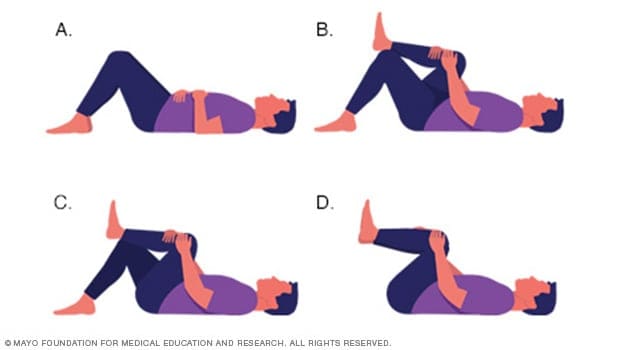
Taking frequent breaks is essential for individuals with chronic back pain to prevent muscle fatigue and discomfort. Here are a few tips to help you incorporate regular movement into your daily routine:
Get Up and Stretch
Take breaks every 30 minutes to get up and stretch your body. Stand up, reach your arms overhead, and gently lean backward to stretch the front of your body. Then, bend forward at the hips and reach toward your toes to stretch the back and hamstrings. These simple stretches help relieve tension in the back and improve circulation.
Walk Around
Incorporate short walks into your daily routine, especially if you have a sedentary job. Walking helps improve blood flow, loosen up tight muscles, and reduce stiffness in the back. Aim for at least 10 minutes of walking every couple of hours to keep your body active and your back healthy.
Change Positions
Avoid staying in one position for too long. If you have a desk job, alternating between sitting and standing throughout the day can help reduce strain on the back. Use a standing desk or adjustable desk converter to easily switch between sitting and standing positions. Additionally, try incorporating different seating options like a stability ball or kneeling chair to engage your core and improve posture.
Lifestyle Changes for Chronic Back Pain
In addition to exercises and posture tips, making a few lifestyle changes can significantly improve chronic back pain. Consider implementing the following habits into your daily routine:
Maintain a Healthy Weight
Excess weight can put added strain on the back, increasing the risk of developing or worsening chronic back pain. By maintaining a healthy weight, you can reduce the stress on your spine and alleviate pain. Incorporate a balanced diet and regular exercise into your lifestyle to achieve and maintain a healthy weight.
Quit Smoking
Smoking has been linked to an increased risk of back pain and can impede the body’s ability to heal. If you smoke, quitting can have a positive impact on your back health. Seek support from healthcare professionals or support groups to successfully quit smoking and improve your overall well-being.
Avoid Heavy Lifting
Heavy lifting can strain the back muscles and potentially cause injury, leading to chronic back pain. If possible, avoid lifting heavy objects altogether. When lifting is unavoidable, follow proper techniques:
- Bend at the knees and hips, not the waist.
- Keep the object close to your body.
- Lift with your legs, not your back.
- Ask for assistance when needed, especially for heavy or awkward items.
- Use equipment or tools such as dollies or carts to assist with lifting whenever possible.
By incorporating these lifestyle changes into your daily routine, you can support your back health and reduce the severity of chronic back pain. Remember to consult with a healthcare professional before starting any new exercise program or making drastic lifestyle changes to ensure they are suitable for your individual needs. With dedication and consistency, you can manage and alleviate chronic back pain, improving your overall quality of life.