
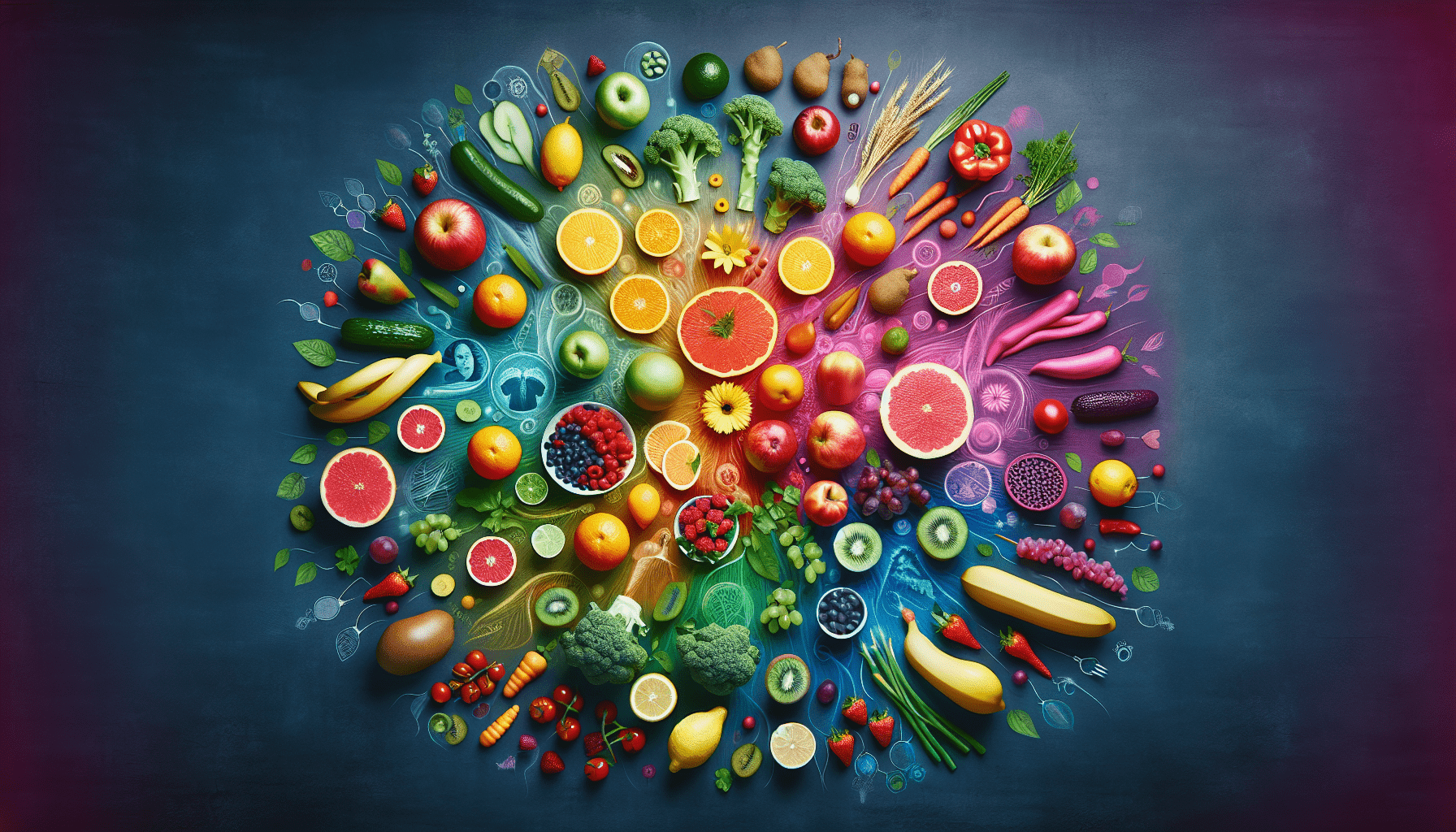
Welcome to a guide on how to create a balanced and nourishing diet for women’s health! By incorporating a variety of foods from all food groups, you can ensure you are getting the nutrients your body needs to thrive. From lean proteins to whole grains and colorful fruits and vegetables, this article will provide you with helpful tips and strategies to support your overall well-being. Let’s dive in and discover how to fuel your body in a way that promotes optimal health for women of all ages and lifestyles. Have you been looking for ways to improve your overall health and well-being as a woman? One of the most crucial factors in achieving optimal health is through maintaining a balanced and nourishing diet. By fueling your body with the right nutrients and vitamins, you can help prevent chronic diseases, boost your energy levels, and support your overall well-being. In this article, we will discuss how you can create a balanced and nourishing diet specifically tailored to women’s health.

Understanding the Importance of a Balanced Diet
Having a balanced diet is essential for overall health and well-being. It involves consuming a variety of foods that provide the right combination of nutrients, vitamins, and minerals that your body needs to function properly. A balanced diet can help prevent chronic diseases, maintain a healthy weight, boost your immune system, and improve your overall quality of life. As a woman, it is crucial to pay attention to your specific nutritional needs and make choices that will support your health throughout different stages of life.
The Basic Components of a Balanced Diet
A balanced diet should consist of a variety of foods from different food groups, including fruits, vegetables, whole grains, lean proteins, and healthy fats. By including a variety of foods in your diet, you can ensure that you are getting all the essential nutrients your body needs. Here is a breakdown of the basic components of a balanced diet:
| Food Group | Importance | Examples |
|---|---|---|
| Fruits | Excellent source of vitamins, minerals, and antioxidants | Berries, citrus fruits |
| Vegetables | High in fiber, vitamins, and minerals | Leafy greens, broccoli |
| Whole Grains | Good source of fiber, B vitamins, and antioxidants | Quinoa, brown rice |
| Lean Proteins | Essential for muscle growth and repair | Chicken, fish, tofu |
| Healthy Fats | Important for brain health and hormone production | Avocado, nuts, seeds |
The Role of Macronutrients in a Balanced Diet
Macronutrients are the main components of food that provide energy for the body. The three main macronutrients are carbohydrates, proteins, and fats. Each macronutrient plays a specific role in the body and is essential for optimal health:
- Carbohydrates: Carbs are the body’s main source of energy and are important for brain function. Choose complex carbohydrates like whole grains, fruits, and vegetables for sustained energy levels.
- Proteins: Proteins are essential for muscle growth, repair, and overall body function. Include a variety of lean protein sources like poultry, fish, eggs, and legumes in your diet.
- Fats: Healthy fats are crucial for brain health, hormone production, and nutrient absorption. Opt for sources of healthy fats like avocados, nuts, seeds, and olive oil.
The Importance of Micronutrients in Women’s Health
In addition to macronutrients, micronutrients are essential for overall health and well-being. Micronutrients include vitamins and minerals that are required in smaller amounts but play a vital role in various bodily functions. As a woman, there are several key micronutrients that are especially important for maintaining optimal health:
- Calcium: Essential for bone health and preventing osteoporosis. Include dairy products, leafy greens, and fortified foods in your diet.
- Iron: Important for oxygen transport and preventing anemia. Choose iron-rich foods like red meat, poultry, beans, and fortified cereals.
- Folate: Crucial for healthy pregnancies and preventing birth defects. Include folate-rich foods like leafy greens, legumes, and citrus fruits.
- Vitamin D: Necessary for bone health, immune function, and mood regulation. Get vitamin D from sunlight, fatty fish, and fortified foods.

Tailoring Your Diet to Women’s Health Needs
As a woman, your nutritional needs can vary at different stages of life, including during puberty, pregnancy, menopause, and beyond. It is essential to understand how your diet can support your unique health needs as a woman and make informed choices to nourish your body. Here are some key tips for tailoring your diet to women’s health needs:
Puberty and Adolescence
During puberty and adolescence, girls experience significant physical and hormonal changes that require adequate nutrition for growth and development. It is essential to focus on nutrient-dense foods to support these changes and establish healthy eating habits for life. Here are some tips for teenage girls:
- Focus on calcium-rich foods like dairy products, leafy greens, and fortified foods to support bone growth.
- Include iron-rich foods like red meat, poultry, beans, and fortified cereals to prevent iron deficiency.
- Opt for whole grains, fruits, and vegetables for sustained energy levels and overall health.
Pregnancy and Lactation
Pregnancy and lactation are critical periods in a woman’s life that require additional nutrients to support the growing fetus and nourish the baby. It is essential to focus on nutrient-dense foods to ensure a healthy pregnancy and breastfeeding experience. Here are some tips for pregnant and lactating women:
- Consume plenty of folate-rich foods like leafy greens, legumes, and citrus fruits to prevent birth defects.
- Include iron-rich foods like red meat, poultry, beans, and fortified cereals to prevent anemia.
- Opt for omega-3 fatty acids from sources like fatty fish and flaxseeds for brain development in the baby.
Menopause
Menopause is a natural phase of life that marks the cessation of menstrual cycles and a decrease in hormone production. During menopause, women may experience symptoms like hot flashes, mood swings, and weight gain. It is essential to focus on a healthy diet to support hormonal balance and overall well-being. Here are some tips for women going through menopause:
- Include calcium-rich foods like dairy products, leafy greens, and fortified foods to support bone health.
- Choose phytoestrogen-rich foods like soy products, flaxseeds, and whole grains to help manage menopausal symptoms.
- Opt for anti-inflammatory foods like fruits, vegetables, nuts, and seeds to reduce inflammation and support overall health.
Beyond Menopause
After menopause, women may be at higher risk for conditions like heart disease, osteoporosis, and cognitive decline. It is essential to focus on a healthy diet to reduce the risk of chronic diseases and support overall well-being. Here are some tips for women beyond menopause:
- Focus on heart-healthy foods like fatty fish, nuts, seeds, and olive oil to support heart health.
- Include calcium-rich foods like dairy products, leafy greens, and fortified foods to prevent osteoporosis.
- Opt for antioxidant-rich foods like berries, dark chocolate, and green tea to support brain health and cognitive function.

Practical Tips for Creating a Balanced and Nourishing Diet
Now that you understand the importance of a balanced and nourishing diet for women’s health, here are some practical tips to help you create a diet that supports your overall well-being:
Plan Your Meals and Snacks
Planning your meals and snacks ahead of time can help you make healthier choices and avoid the temptation of unhealthy foods. Create a meal plan for the week, make a grocery list, and prep ingredients in advance to save time and ensure you have nutritious options available.
Focus on Whole, Unprocessed Foods
Choose whole, unprocessed foods as much as possible to maximize the nutrients in your diet. Opt for fruits, vegetables, whole grains, lean proteins, and healthy fats to fuel your body with essential nutrients and vitamins. Limit processed foods, sugary drinks, and foods high in saturated fats and sodium.
Stay Hydrated
Drinking an adequate amount of water is crucial for overall health and well-being. Aim to drink at least eight glasses of water per day to stay hydrated and support essential bodily functions. You can also include hydrating foods like fruits, vegetables, and herbal teas in your diet.
Listen to Your Body
Pay attention to your body’s hunger and fullness cues to guide your eating habits. Eat when you are hungry and stop when you are satisfied to prevent overeating and promote mindful eating. Tune in to your body’s signals to determine what foods make you feel your best and energized.
Seek Professional Guidance
If you have specific health concerns or dietary restrictions, consider seeking guidance from a registered dietitian or healthcare provider. They can help you create a personalized nutrition plan tailored to your individual needs and goals. A professional can provide expert advice and support to help you achieve optimal health and well-being.
By following these practical tips and making informed choices about your diet, you can create a balanced and nourishing eating plan that supports your overall health as a woman. Remember that small changes can lead to significant improvements in your well-being over time. Listen to your body, experiment with different foods, and find what works best for you. Your health is worth investing in, and a balanced diet is an essential foundation for a vibrant and fulfilling life as a woman.