
As winter draws near, it’s time to embrace the coziness and warmth of comforting meals. But why settle for just delicious when you can have both delicious and nutritious? In this article, we’ll explore the art of creating a meal plan that not only satisfies your taste buds but also nourishes your body during the colder months. From hearty soups to protein-packed stews, we’ll guide you through the process of crafting a winter menu that will leave you feeling healthy and satisfied. So, grab your apron and let’s dive into the world of comforting and nutritious winter meals.
Understanding Winter Nutritional Needs
Identifying key nutrients for winter
When the chilly winter weather arrives, it’s essential to understand the nutritional needs your body requires during this season. Winter is a time when our bodies metabolize food differently and may require additional nutrients to maintain optimal health. Some key nutrients to focus on during this time include vitamin C, vitamin D, omega-3 fatty acids, and antioxidants. These nutrients play a crucial role in supporting our immune system, fighting off winter illnesses, and maintaining overall wellness.
Understanding the impact of seasonal changes on the body
The arrival of winter brings various changes to our bodies due to the colder temperatures and reduced sunlight exposure. Firstly, our immune system tends to be more susceptible to illnesses during this season, so it’s important to bolster our defenses with nutrient-rich foods. Additionally, the lack of sunlight can lead to a deficiency in vitamin D, which is necessary for bone health and maintaining a positive mood. Lastly, our bodies tend to crave warmth and comfort during the winter, which can often lead to indulging in heavier, less nutritious foods. By understanding these seasonal changes, we can make informed choices to enhance our winter nutrition and overall well-being.
Researching Winter-friendly Ingredients
Exploring seasonal fruits and vegetables
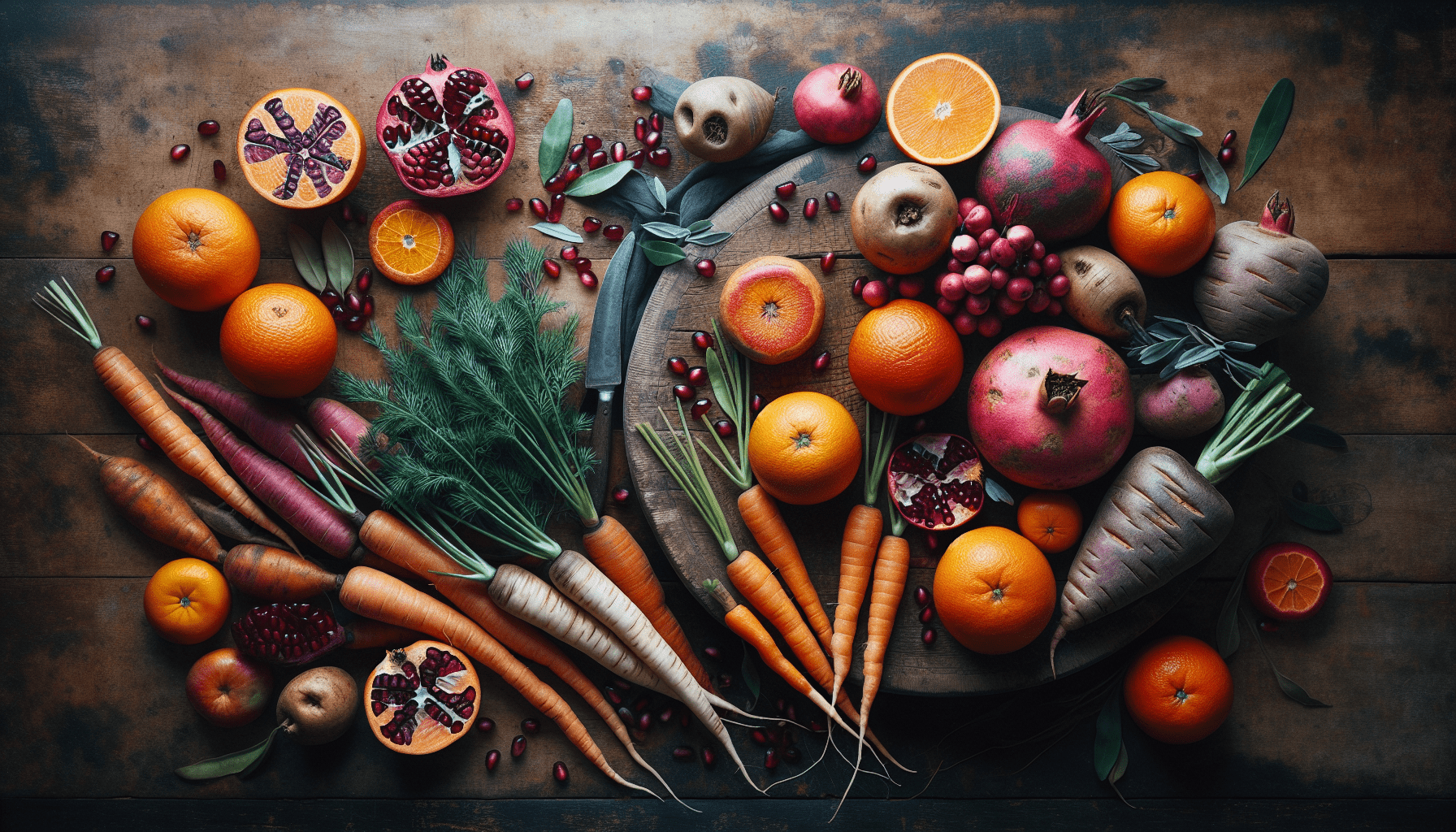
One of the best ways to meet your winter nutritional needs is by incorporating seasonal fruits and vegetables into your diet. Winter offers a variety of nutritious options such as citrus fruits (oranges, grapefruits), pomegranates, and root vegetables like carrots, parsnips, and sweet potatoes. These fruits and vegetables are not only packed with vitamins and minerals but also provide fiber, essential for promoting healthy digestion. Embracing seasonal produce not only ensures freshness but also supports local farmers and reduces your carbon footprint.
Discovering hearty grains and legumes
Winter meals often call for heartier options to keep you feeling satisfied and energized. Consider incorporating hearty grains like quinoa, brown rice, and barley into your winter meal plan. These grains are excellent sources of complex carbohydrates that provide a steady release of energy and help keep you full for longer periods. Additionally, legumes such as lentils, chickpeas, and black beans are not only rich in protein but are also high in fiber, iron, and other essential nutrients. Including these winter-friendly grains and legumes in your meals will add depth and substance to your nutrition.
Planning Balanced Meals
Incorporating a variety of food groups
A balanced meal plan should include a variety of food groups to ensure you’re obtaining all the essential nutrients your body needs during the winter. Make sure to incorporate lean proteins such as poultry, fish, or plant-based options like tofu or tempeh. These protein sources are essential for muscle repair and support a healthy immune system. Don’t forget to include a generous portion of colorful fruits and vegetables to provide your body with the necessary vitamins, minerals, and antioxidants. Lastly, include healthy fats like avocados, nuts, and olive oil, as they help absorb fat-soluble vitamins and provide satiety.
Creating a calorie-appropriate meal plan
During the winter, when our bodies tend to be less active, it’s important to create a meal plan that aligns with our calorie needs. While it is tempting to indulge in calorie-dense comfort foods, it’s essential to maintain a balanced calorie intake to prevent weight gain. Ensure that your meal plan includes appropriate portion sizes and adjusts calorie intake based on your activity level. Consulting a nutritionist or using online resources can help you determine the appropriate calorie range for your needs.
Embracing Comforting Soups and Stews
Benefits of soups and stews in winter
One of the highlights of winter cuisine is the comforting warmth of soups and stews. These dishes are not only delicious but also offer numerous benefits for your winter nutrition. Soups and stews are often packed with nutritious ingredients such as vegetables, lean proteins, and wholesome grains. The slow-cooking process allows flavors to meld and intensify, providing a hearty and satisfying meal. Additionally, soups and stews can easily be batch-cooked, making them convenient for meal prepping and allowing you to enjoy a warm meal throughout the week.
Delicious recipes to try
Winter is the perfect time to experiment with a variety of soup and stew recipes that cater to your taste preferences. From classic chicken noodle soup to hearty vegetable chili, there are endless possibilities to explore. Consider trying out recipes such as butternut squash soup, lentil stew, or minestrone soup. These recipes incorporate a balance of vegetables, proteins, and whole grains to create a nourishing and flavorful meal. Don’t be afraid to add herbs and spices to enhance the taste and nutritional value of your soups and stews.
Tips for maximizing nutritional value
To maximize the nutritional value of your soups and stews, there are a few key tips to keep in mind. Firstly, opt for homemade broths or stocks instead of store-bought versions, as they often contain added sodium and preservatives. Secondly, include a generous amount of vegetables to increase the fiber and nutrient content. Finally, be mindful of portion sizes and avoid excessive use of high-fat ingredients like heavy cream or butter. By following these tips, you can enjoy comforting soups and stews that are both delicious and nutritious.
Adding Hearty Winter Salads
Selecting winter-friendly salad ingredients
Salads are often associated with warmer months, but they can be just as enjoyable and nutritious during winter. By selecting winter-friendly salad ingredients, you can create a meal that provides essential nutrients and helps combat cold-weather cravings. Winter salad ingredients may include dark leafy greens such as kale, spinach, or arugula, which are high in vitamins and minerals. You can also incorporate seasonal options like roasted root vegetables, citrus fruits, or pomegranate seeds to add a burst of flavor and vibrant colors to your salads.
Wholesome dressings for added flavor
To enhance the taste of your winter salads, consider making your own wholesome dressings. Store-bought dressings often contain additives, preservatives, and excessive amounts of unhealthy fats. Creating your own dressings allows you to control the ingredients and customize the flavors to your liking. For a tangy and nutritious dressing, try combining olive oil, lemon juice, Dijon mustard, and honey. You can also experiment with various herbs and spices like basil, thyme, or cumin to add depth and complexity to your dressings.
Creative salad combinations
To keep your winter salads exciting and satisfying, get creative with different combinations of ingredients. Consider pairing roasted butternut squash with quinoa, cranberries, and toasted pecans for a sweet and savory salad. For a tangy twist, combine arugula with blood oranges, feta cheese, and a sprinkle of pomegranate seeds. You can also create a protein-packed salad by adding grilled chicken or roasted chickpeas to your greens. By thinking outside the box and combining flavors and textures, you can enjoy hearty salads that provide a burst of nutrition during the winter months.
Retaining Nutrients through the Cooking Process
Proper cooking techniques to preserve nutrients
Cooking techniques play a vital role in retaining the nutrients present in our food. When it comes to winter nutrition, it’s crucial to choose cooking methods that preserve as many nutrients as possible. Steaming is an excellent technique that helps retain the vitamins and minerals in vegetables. By gently cooking them over boiling water, you can maintain their color, texture, and nutrient content. Baking is another great option for preserving nutrients, particularly in fruits like apples or pears. Additionally, roasting vegetables at a moderate temperature can enhance their flavor while still preserving key nutrients.
Steaming, baking, and roasting for nutrition retention
Steaming is an easy and efficient cooking method that is gentle on your ingredients. It allows the vegetables to cook in their own moisture, preserving their texture and vital nutrients. Steaming vegetables like broccoli, cauliflower, or carrots ensures that they retain their vibrant colors and crispness. Baking is an excellent technique for winter fruits like apples or pears, as it enhances their natural sweetness without compromising their nutritional value. Roasting vegetables with a drizzle of olive oil at a moderate temperature brings out their natural flavors while maintaining their nutrients.
Including Warm and Nourishing Breakfasts
Hot cereal options (porridge, oatmeal)
A warm and nourishing breakfast is the perfect way to start your winter mornings. Hot cereals like porridge and oatmeal provide a comforting meal option that is packed with nutrients. These grains offer a good source of fiber, which aids in digestion and keeps you feeling full for longer. By adding fruits, nuts, and seeds, you can enhance the nutritional value and taste profile of your hot cereals. Whether you prefer classic oats or experiment with ancient grains like quinoa or amaranth, hot cereals can be customized to your liking while fueling your body for the day ahead.
Protein-packed breakfast ideas (eggs, smoothies)
To ensure you receive an adequate intake of protein, consider incorporating protein-packed breakfast options into your winter meal plan. Eggs are an excellent choice as they are rich in essential amino acids and provide a great source of energy. Whether scrambled, poached, or made into a delicious omelet loaded with vegetables, eggs can be versatile and satisfying. Smoothies are another convenient and nutritious option. By combining a mixture of fruits, leafy greens, Greek yogurt, and a scoop of your favorite protein powder, you can create a protein-packed breakfast on the go.
Traditional winter breakfast recipes
Winter is a season where we often crave warmth and familiarity, and traditional breakfast recipes can bring comfort to our mornings. Consider incorporating classics such as pancakes or French toast into your winter meal plan. Opt for whole grain options and experiment with toppings like berries, bananas, or a drizzle of pure maple syrup. Warm, homemade muffins made with wholesome ingredients like whole wheat flour, oats, and shredded fruits are another delightful winter breakfast option. These traditional recipes can be modified to align with your nutritional needs while still providing the coziness we seek during the colder months.
Incorporating Seasonal Superfoods
Identifying winter superfoods
Superfoods are nutrient-packed ingredients that offer a range of health benefits. During winter, certain foods can be considered superfoods due to their high nutritional content and ability to support our overall well-being. Examples of winter superfoods include citrus fruits, which are rich in vitamin C and provide antioxidant properties. Leafy greens like kale and spinach are also winter superfoods, packed with vitamins A, K, and iron. Additionally, winter squashes like butternut squash are full of nutrients and antioxidants, making them an excellent choice for promoting optimal health during the colder months.
Understanding their health benefits
Winter superfoods offer a plethora of health benefits that are essential for maintaining wellness during this season. Citrus fruits can boost our immune system, support collagen production, and help fight off winter illnesses. Leafy greens are known to strengthen our bones, support vision health, and provide essential nutrients for cell function. Winter squashes offer an abundance of vitamin A, which is crucial for maintaining healthy skin and promoting a strong immune system. By incorporating these superfoods into our winter meal plans, we can harness their health benefits and nurture our bodies from the inside out.
Innovative ways to incorporate them into meals
To make the most of winter superfoods, you can get creative with various methods of incorporating them into your meals. Consider adding citrus zest or juice to your salads, dressings, or marinades to give them a refreshing twist. You can also sauté or roast leafy greens to create a flavorful side dish or incorporate them into stir-fries or omelets. Winter squashes can be roasted, mashed, or blended into soups and stews. By thinking outside the box and experimenting with different recipes, you can enjoy the health benefits of these winter superfoods while enjoying exciting and delicious meals.
Exploring Healthy Winter Snacks
Nutritious snack ideas for winter
Snacking during winter can sometimes lead to indulging in unhealthy options, but there are plenty of nutritious alternatives that will satisfy your cravings. Consider opting for roasted chickpeas, which are packed with protein and fiber and offer a satisfying crunch. Greek yogurt topped with a sprinkle of nuts and honey provides a protein-rich snack that will keep you feeling full. Another nutritious snack idea is homemade trail mix, combining dried fruits, nuts, and seeds, providing a balance of carbohydrates, healthy fats, and nutrients to fuel your body throughout the day.
Easy-to-make homemade snacks
Preparing your snacks at home allows you to have full control over the ingredients and ensures that your snacks are both nutritious and delicious. One easy-to-make homemade snack is vegetable sticks paired with a homemade dip such as hummus or Greek yogurt-based dip. For a sweet treat, consider baking your own granola bars using ingredients like oats, nuts, honey, and dried fruits. Energy balls made with dates, nuts, and seeds are another convenient and nutritious homemade snack option. By spending a little time in the kitchen, you can create wholesome snacks that will keep you satisfied and nourished during the winter months.
Choosing satisfying options for energy
When selecting snacks during winter, it’s important to choose options that will provide sustained energy to fuel your body throughout the day. Instead of reaching for sugary snacks that offer a quick energy boost but leave you craving more, opt for snacks that combine a balance of protein, healthy fats, and complex carbohydrates. This combination allows for slower digestion and a sustained release of energy. Choosing snacks like Greek yogurt with fresh fruits, a handful of unsalted nuts, or whole grain crackers with avocado and lean turkey will keep you satisfied and energized until your next meal.
Staying Hydrated in Winter
Importance of hydration during winter
Staying hydrated is essential year-round, including during the winter months. Although we may not feel as thirsty as we do during hot summer days, our bodies still require an adequate intake of fluids. Proper hydration plays a crucial role in maintaining overall health, supporting digestion, regulating body temperature, and ensuring optimal organ function. Dehydration can lead to fatigue, dry skin, impaired cognitive function, and a weakened immune system. Therefore, it’s important to prioritize hydration and be mindful of your fluid intake, even when the weather is cooler.
Hydration sources beyond water
While drinking water is the most obvious way to stay hydrated, there are other sources of hydration that can be enjoyable during winter. Herbal teas are a great option as they not only provide hydration but also offer various health benefits. Infusing your water with fruits, vegetables, and herbs adds flavor and encourages you to drink more fluids. Additionally, incorporating hydrating foods into your diet, such as cucumbers, watermelon, and citrus fruits, can also contribute to your overall hydration. These alternatives provide hydration while adding variety and interest to your winter routine.
Infused water and herbal tea recipes
For added flavor and hydration, try infusing your water with fruits, vegetables, and herbs. Simply place slices of cucumber, lemon, or strawberries in a pitcher of water and allow it to infuse for a few hours in the refrigerator. You can also experiment with herbs like mint or basil for a refreshing twist. When it comes to herbal tea, there are endless options available to suit your taste preferences and specific health needs. From soothing chamomile to invigorating peppermint, you can enjoy a warm cup of herbal tea while staying hydrated. Herbal teas can be enjoyed hot or cold, depending on your preference and the weather.