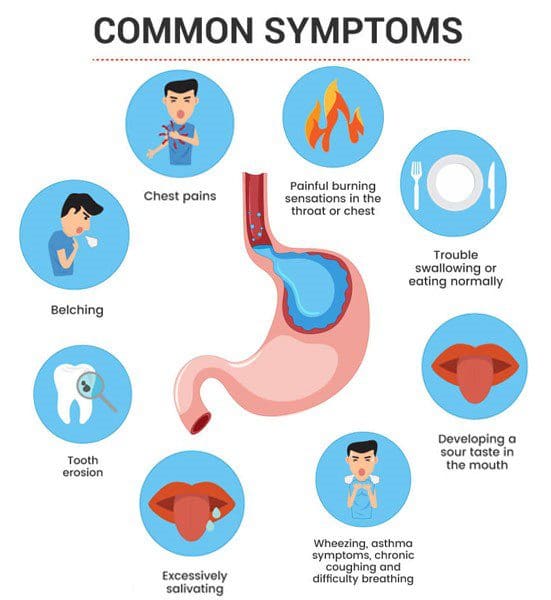
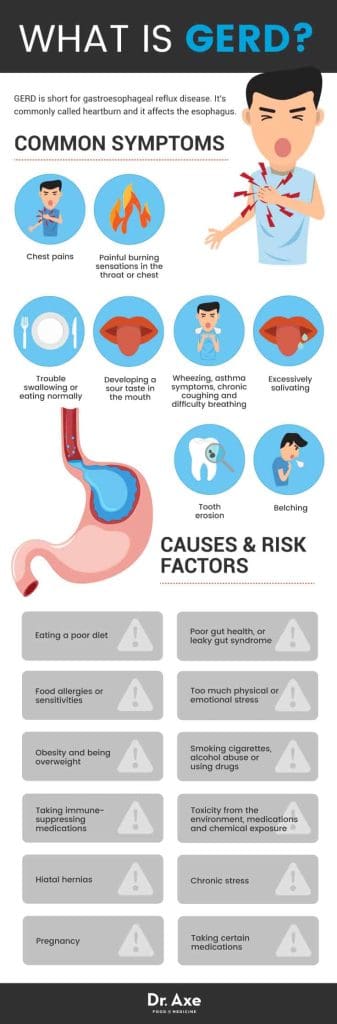
If you’ve been struggling with chronic acid reflux symptoms and are tired of the discomfort it brings, look no further. This article is here to provide you with practical tips and advice on how to effectively manage those pesky symptoms. From simple lifestyle changes to recommended over-the-counter medications, you’ll discover a range of strategies to help you find relief and improve your quality of life. Say goodbye to the burning sensation in your chest and hello to a more comfortable and enjoyable daily routine. Chronic acid reflux can be a frustrating and uncomfortable condition to deal with. The constant burning sensation and regurgitation of stomach acid can disrupt your daily life and leave you searching for relief. Fortunately, there are several dietary modifications, lifestyle changes, medication options, home remedies, stress management techniques, and other strategies that can help you manage and reduce the symptoms of chronic acid reflux. In this article, we will explore these different approaches to help you find the best ways to alleviate your acid reflux symptoms and improve your overall quality of life.
Dietary Modifications
Avoid trigger foods
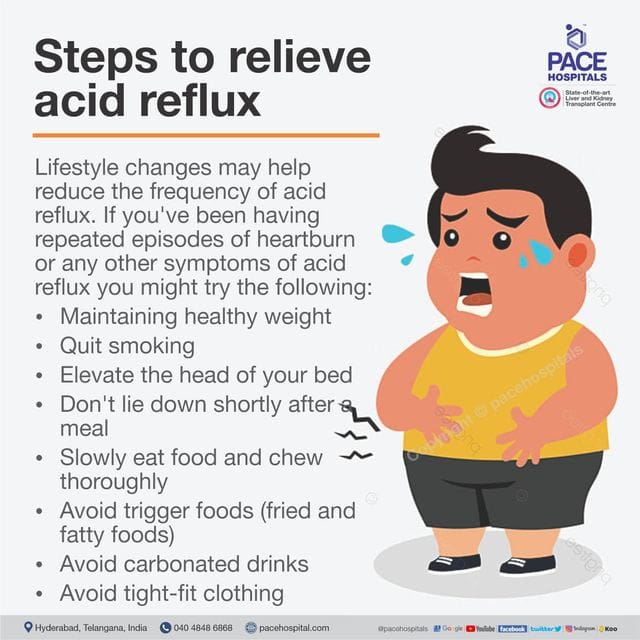
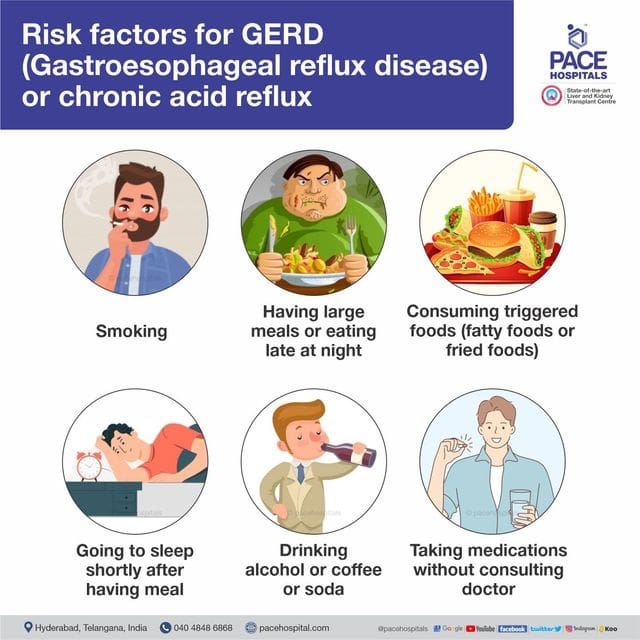
One of the first steps in managing chronic acid reflux is to identify and avoid trigger foods that can exacerbate your symptoms. Common trigger foods include spicy foods, citrus fruits, tomatoes, chocolate, caffeine, alcohol, fatty or fried foods, and foods with a high content of garlic or onions. By eliminating or limiting these trigger foods in your diet, you can significantly reduce the frequency and severity of acid reflux episodes.
Eat smaller meals
Another dietary modification that can be helpful in managing acid reflux is eating smaller, more frequent meals throughout the day. Large meals can put pressure on your stomach and increase the likelihood of acid reflux. By opting for smaller meals, you can prevent overeating and reduce the chances of experiencing uncomfortable symptoms.
Avoid lying down directly after eating
After a meal, it’s best to avoid lying down immediately. Instead, try to keep an upright posture for at least two to three hours after eating. When you lie down, stomach acid can more easily flow back into your esophagus, causing heartburn and other acid reflux symptoms. By staying upright, you can help keep the acid down in your stomach where it belongs.
Stay hydrated
Drinking enough water throughout the day is important for overall health and can also help manage acid reflux symptoms. Water can help dilute stomach acid and promote healthy digestion. It is recommended to drink water in between meals rather than with meals to avoid further increasing the pressure on the lower esophageal sphincter, which can lead to acid reflux.
Lifestyle Changes
Maintain a healthy weight
Maintaining a healthy weight is not only crucial for overall well-being but can also have a positive impact on acid reflux symptoms. Excess weight, especially around the abdomen, can put pressure on the stomach and increase the likelihood of acid reflux. By making lifestyle changes to achieve and maintain a healthy weight, you can reduce the occurrence and severity of acid reflux episodes.
Elevate the head of your bed
Elevating the head of your bed by around six inches can help prevent stomach acid from flowing back into your esophagus while you sleep. This can be achieved by placing blocks or using a bed wedge. By creating an incline, gravity can help keep the acid down in your stomach and minimize the occurrence of acid reflux during the night.
Avoid tight clothing
Wearing tight-fitting clothing, especially around the waist, can put pressure on the stomach and increase the risk of acid reflux. Opt for looser clothing that doesn’t constrict your abdomen to reduce the likelihood of triggering symptoms.
Quit smoking
Smoking not only damages your overall health but can also worsen acid reflux symptoms. Smoking can weaken the lower esophageal sphincter, allowing stomach acid to flow back up into the esophagus more easily. Quitting smoking can not only improve your acid reflux symptoms but also provide numerous other health benefits.
Medication Options
Over-the-counter antacids
For occasional or mild acid reflux symptoms, over-the-counter antacids can be an effective short-term solution. Antacids work by neutralizing stomach acid, providing temporary relief from symptoms such as heartburn and indigestion. However, they may not be sufficient for more severe or chronic cases of acid reflux.
Proton pump inhibitors (PPIs)
Proton pump inhibitors, such as omeprazole and lansoprazole, are commonly prescribed medications for the treatment of chronic acid reflux. PPIs work by reducing the production of stomach acid, providing long-term relief from symptoms and promoting healing of the esophageal lining. They are typically taken once a day before a meal.
H2 blockers
H2 blockers, such as ranitidine and famotidine, are another class of medications commonly used to manage acid reflux symptoms. They work by reducing the production of stomach acid, similar to PPIs but to a lesser extent. H2 blockers are available over-the-counter or by prescription, depending on the dosage and strength required.
Prokinetics
Prokinetics are medications that enhance the movement and emptying of the stomach, reducing the amount of time that stomach acid spends in the esophagus. They are generally prescribed for individuals with delayed stomach emptying or gastroesophageal reflux disease (GERD), which can contribute to chronic acid reflux symptoms.
Home Remedies
Chewing gum
Chewing sugar-free gum after meals has been found to stimulate saliva production, which can help neutralize stomach acid and improve digestion. Additionally, the act of chewing gum can increase saliva flow and encourage swallowing, which can help push stomach acid back down into the stomach.
Drinking herbal tea
Certain herbal teas, such as chamomile, licorice, and slippery elm, have natural soothing properties that can help alleviate acid reflux symptoms. Drinking a cup of these teas after meals or before bedtime may provide relief and promote healthy digestion.
Aloe vera juice
Aloe vera juice has long been used as a natural remedy for various digestive conditions, including acid reflux. It can help soothe and heal the esophagus, reducing inflammation and irritation caused by stomach acid. It is important to choose aloe vera juice that is specifically meant for oral consumption and does not contain any added sugars or artificial ingredients.
Eating ginger
Ginger has been traditionally used to relieve digestive issues, including acid reflux. It has natural anti-inflammatory properties and can help reduce the production of stomach acid. Consuming ginger in various forms, such as fresh ginger slices, ginger tea, or ginger candies, may provide relief from acid reflux symptoms.
Stress Management
Practice relaxation techniques
Stress can exacerbate acid reflux symptoms, so finding effective ways to manage and reduce stress is essential. Engaging in relaxation techniques such as deep breathing exercises, meditation, or yoga can help calm the mind and body, reducing the likelihood of acid reflux episodes.
Exercise regularly
Regular exercise has numerous health benefits, including reducing stress levels and improving digestion. Physical activity can help regulate the digestive system and prevent acid reflux symptoms. Aim for at least 30 minutes of moderate-intensity exercise on most days of the week, such as brisk walking, swimming, or cycling.
Get enough sleep
Inadequate sleep or poor sleep quality can contribute to increased stress levels and worsen acid reflux symptoms. It is important to establish a regular sleep routine and aim for seven to eight hours of quality sleep each night. Creating a comfortable sleep environment and practicing relaxation techniques before bed can promote better sleep and reduce acid reflux episodes.
Seek support
Sharing your experiences with trusted friends or family members can provide emotional support and help alleviate stress associated with managing chronic acid reflux. Additionally, joining support groups or seeking professional counseling or therapy can provide valuable insights and coping strategies to deal with the challenges of living with acid reflux.
Avoid Alcohol and Caffeine
Limit or avoid alcohol consumption
Alcohol can relax the lower esophageal sphincter, allowing stomach acid to flow back into the esophagus more easily. Limiting or avoiding alcohol consumption, especially before bedtime, can help minimize acid reflux symptoms.
Reduce or eliminate caffeine intake
Caffeine, found in coffee, tea, chocolate, and some sodas, can stimulate the production of stomach acid and worsen acid reflux symptoms. Consider reducing or eliminating your caffeine intake to see if it improves your acid reflux symptoms. If you can’t give up caffeine entirely, try switching to decaffeinated options or herbal teas.
Keep a Food Diary
Track your meals and symptoms
Keeping a food diary can help you identify specific foods and beverages that trigger your acid reflux symptoms. Record what you eat and drink, as well as any symptoms you experience and the time they occur. Over time, patterns may emerge, allowing you to make informed dietary choices and avoid trigger foods.
Identify trigger foods
By analyzing your food diary, you may be able to identify specific trigger foods that consistently lead to acid reflux symptoms. Once you have identified these trigger foods, you can eliminate or limit their consumption to reduce the frequency and severity of acid reflux episodes.
Avoid Eating Before Bedtime
Allow 2-3 hours between your last meal and bedtime
Eating a large meal or consuming trigger foods right before bedtime can make it more likely for stomach acid to flow back into the esophagus while you lie down. To minimize the risk of acid reflux during the night, allow at least two to three hours between your last meal and bedtime.
Elevate the head of your bed if necessary
If you experience nighttime acid reflux symptoms, elevating the head of your bed may provide relief. This can be achieved by placing blocks under the bedposts at the head of the bed or by using a bed wedge. By elevating your upper body, gravity can help keep the acid down in your stomach and reduce the likelihood of reflux episodes while you sleep.

Manage Stress
Find healthy ways to cope with stress
Stress can contribute to acid reflux symptoms, so finding healthy ways to manage stress is crucial. Engaging in activities you enjoy, such as hobbies or exercise, can help reduce stress levels and promote overall well-being. Additionally, practicing relaxation techniques, such as deep breathing exercises or mindfulness meditation, can help calm the mind and alleviate stress.
Consider therapy or counseling
If stress is significantly impacting your well-being and exacerbating acid reflux symptoms, consider seeking professional help. Therapy or counseling can provide valuable guidance and support in managing stress and developing effective coping mechanisms.
Practice mindfulness or meditation
Mindfulness and meditation techniques can help redirect your focus away from stressors and reduce the impact of stress on your physical and mental well-being. Taking a few minutes each day to practice mindfulness or meditation can help you cultivate a sense of inner calm and resilience, reducing the likelihood of acid reflux symptoms.
When to Seek Medical Help
If symptoms worsen or become unmanageable
If despite implementing lifestyle modifications and home remedies, your acid reflux symptoms worsen or become unmanageable, it is important to seek medical help. A healthcare professional can help evaluate your symptoms, determine the underlying cause of your acid reflux, and recommend appropriate treatment options.
If new or severe symptoms develop
If you experience new or severe acid reflux symptoms that are different from your usual episodes, it is crucial to consult a healthcare professional. These symptoms may require further investigation to rule out any underlying medical conditions or complications.
If medication is not providing relief
If you are taking medication for acid reflux but are not experiencing sufficient relief, it is important to consult your healthcare provider. They may need to adjust your medication dosage or consider alternative treatment options to effectively manage your acid reflux symptoms.
Managing chronic acid reflux requires a comprehensive approach that includes dietary modifications, lifestyle changes, medication options, home remedies, stress management techniques, and knowing when to seek medical help. By implementing these strategies and finding what works best for you, you can take control of your condition and reduce the frequency and severity of acid reflux episodes. Remember to consult with a healthcare professional for personalized advice and guidance tailored to your specific needs. With persistence and a proactive approach, you can effectively manage your chronic acid reflux symptoms and improve your overall quality of life.