
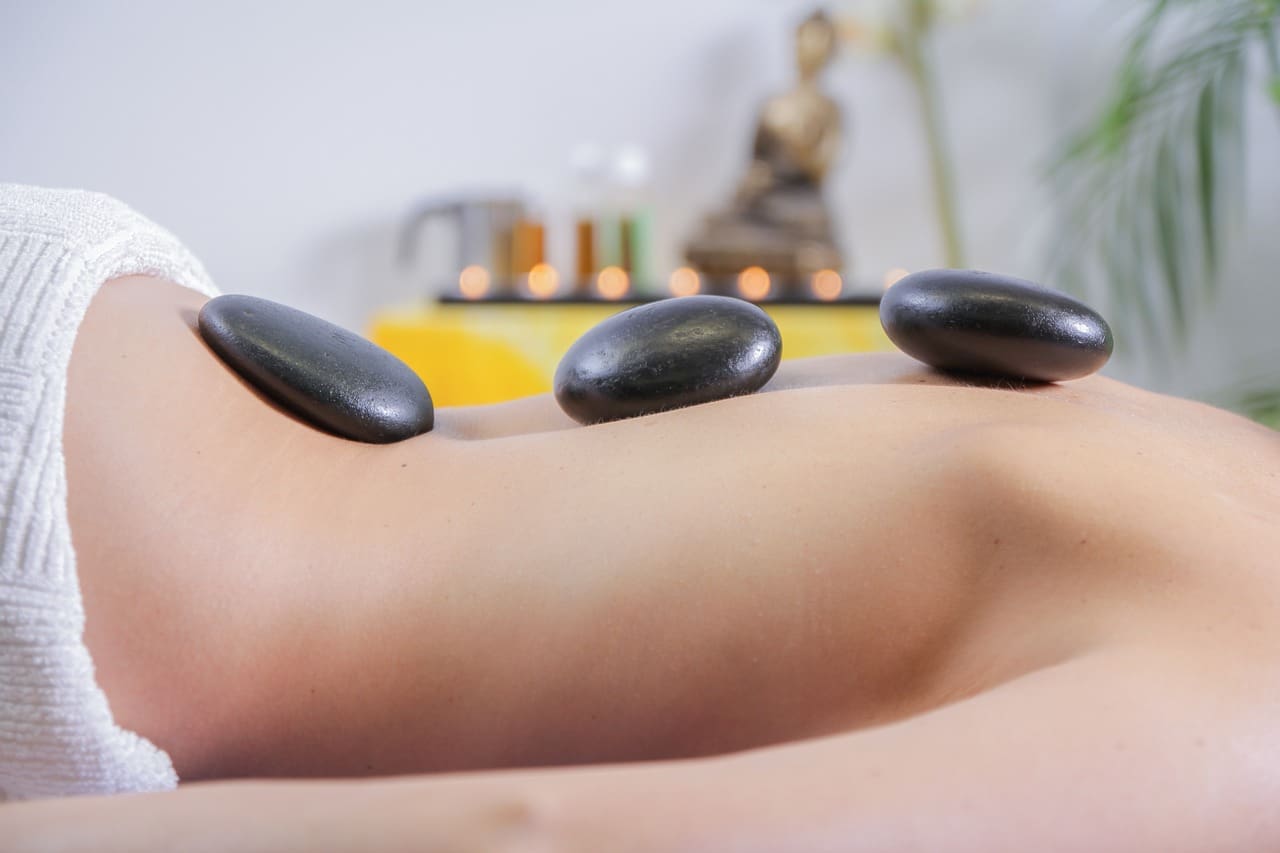
Looking for a reliable and comprehensive resource to help you navigate the world of alternative medicine products? Look no further than the “Buyer’s Guide to Alternative Medicine Products.” This informative guide is designed to provide you with all the essential information you need to make informed decisions about the various alternative medicine products available in the market. From herbal supplements to essential oils, this guide offers valuable insights, tips, and recommendations to help you find the best alternative medicine products for your needs. So whether you’re a seasoned user or just starting your journey in alternative medicine, this buyer’s guide is your go-to source for all things alternative medicine products.
Understanding Alternative Medicine
What is alternative medicine?
Alternative medicine, also known as complementary and integrative medicine, refers to a diverse range of practices and treatments that are not considered part of conventional medicine. These practices often prioritize a holistic approach to health and well-being, focusing on the body, mind, and spirit. Alternative medicine encompasses various modalities including herbal medicine, acupuncture, chiropractic care, energy healing, and more.
How does alternative medicine differ from conventional medicine?
The main difference between alternative medicine and conventional medicine lies in their approaches to healthcare. Conventional medicine is based on scientific research, clinical trials, and evidence-based practices. On the other hand, alternative medicine often relies on traditional, cultural, or holistic practices that may not have the same level of scientific proof.
While conventional medicine predominantly focuses on treating symptoms and diseases, alternative medicine typically emphasizes prevention and overall wellness. Alternative medicine practitioners often consider the individual as a whole, taking into account lifestyle, diet, and emotional well-being, whereas conventional medicine tends to concentrate primarily on diagnosing and treating specific ailments.
Common types of alternative medicine
There are numerous types of alternative medicine, each employing its own unique methods and philosophies. Some of the most popular types include:
- Herbal medicine: Utilizing plant-based remedies to address health issues and support wellness.
- Acupuncture: Utilizing the insertion of thin needles into specific points on the body to balance the flow of energy and promote healing.
- Homeopathy: Using highly diluted substances to stimulate the body’s self-healing abilities.
- Chiropractic care: Focusing on the alignment of the spine to enhance the body’s natural healing process.
- Ayurvedic medicine: Originating from India, this holistic approach aims to bring balance to the body and mind through personalized lifestyle and dietary changes.
- Traditional Chinese medicine: A comprehensive system that includes acupuncture, herbal medicine, and other modalities to restore balance and harmony in the body.
- Energy healing: Using various techniques to balance the body’s energy fields, such as Reiki, qi gong, and pranic healing.
Benefits and limitations of alternative medicine
Alternative medicine offers several potential benefits for individuals seeking alternative treatments or preventive care. One major advantage is the focus on holistic well-being, which considers mental, emotional, and physical health as interconnected aspects of overall wellness. Alternative medicine may also provide additional treatment options for individuals who have not found success with conventional treatments or are looking for complementary approaches.
However, it’s important to acknowledge the limitations of alternative medicine. The lack of scientific evidence supporting many alternative practices can make it difficult to determine their effectiveness. Additionally, alternative medicine should not replace conventional medical care in cases of serious or life-threatening conditions. It’s crucial to consult with healthcare professionals and inform them about any alternative treatments you are considering to ensure comprehensive and safe healthcare.
Considerations for Buyers
Consulting with healthcare professionals
Before incorporating alternative medicine products into your healthcare routine, it’s essential to consult with qualified healthcare professionals, such as your primary care physician or a licensed practitioner in the specific alternative modality you are interested in. They can provide valuable insights, assess potential risks, and offer guidance based on your individual health needs.
Researching the product and its claims
Take the time to thoroughly research alternative medicine products and their claims. Look for reliable sources of information such as reputable medical journals, government health agencies, and respected healthcare organizations. Be cautious of exaggerated or unsupported claims that promise miraculous results. By being well-informed, you can make informed decisions about the safety and effectiveness of the products you consider.
Understanding potential risks and side effects
While alternative medicine products are generally considered safe, it’s crucial to understand that they, like any other form of treatment, can carry potential risks and side effects. Certain herbal supplements, for example, may interact with prescription medications, leading to adverse effects. Educate yourself about the specific product you are interested in and discuss any concerns or potential interactions with your healthcare provider.
Taking personal health conditions into account
Consider your personal health conditions and individual circumstances when exploring alternative medicine options. Some alternative therapies may not be suitable or safe for certain individuals, such as pregnant women, those with specific chronic health conditions, or individuals undergoing certain medical treatments. Always disclose your medical history and any ongoing treatments to healthcare professionals to ensure the compatibility and safety of alternative medicine products.
Assessing the product’s credibility and reputation
Take the time to assess the credibility and reputation of the product or brand before making a purchase. Look for reputable companies that adhere to high-quality manufacturing standards and have positive customer reviews. Seek recommendations from healthcare professionals or trusted sources who have experience with the specific type of alternative medicine you are interested in.
Considering cost-effectiveness
Alternative medicine products can vary significantly in terms of cost. It’s important to set a budget and consider the cost-effectiveness of the product. Compare prices from different sellers, but also evaluate the quality and reputation of the product. Sometimes investing in a higher-quality product may be more cost-effective in the long run, as it may offer better results and lasting benefits.
Popular Alternative Medicine Products
Herbal supplements
Herbal supplements are one of the most common types of alternative medicine products. Made from plant-based ingredients, these supplements can support various aspects of health and wellness. They come in various forms such as capsules, tablets, powders, and teas. Some popular herbal supplements include echinacea for immune support, St. John’s wort for mood management, and turmeric for its anti-inflammatory properties.
Vitamins and minerals
Vitamins and minerals play crucial roles in maintaining overall health. Alternative medicine products often include specific vitamins and minerals to address particular health concerns or promote general well-being. Before taking any supplements, it’s important to understand your individual nutritional needs and consult with a healthcare professional to determine appropriate dosages and potential interactions with other medications.
Homeopathic remedies
Homeopathy is a unique system of alternative medicine that utilizes highly diluted substances to stimulate the body’s healing mechanisms. Homeopathic remedies are available for various ailments, including allergies, sleep disorders, and minor injuries. Each remedy is tailored to an individual’s specific symptoms and needs. However, it’s important to note that homeopathy is not widely supported by scientific evidence, and individuals should approach it with caution.
Essential oils
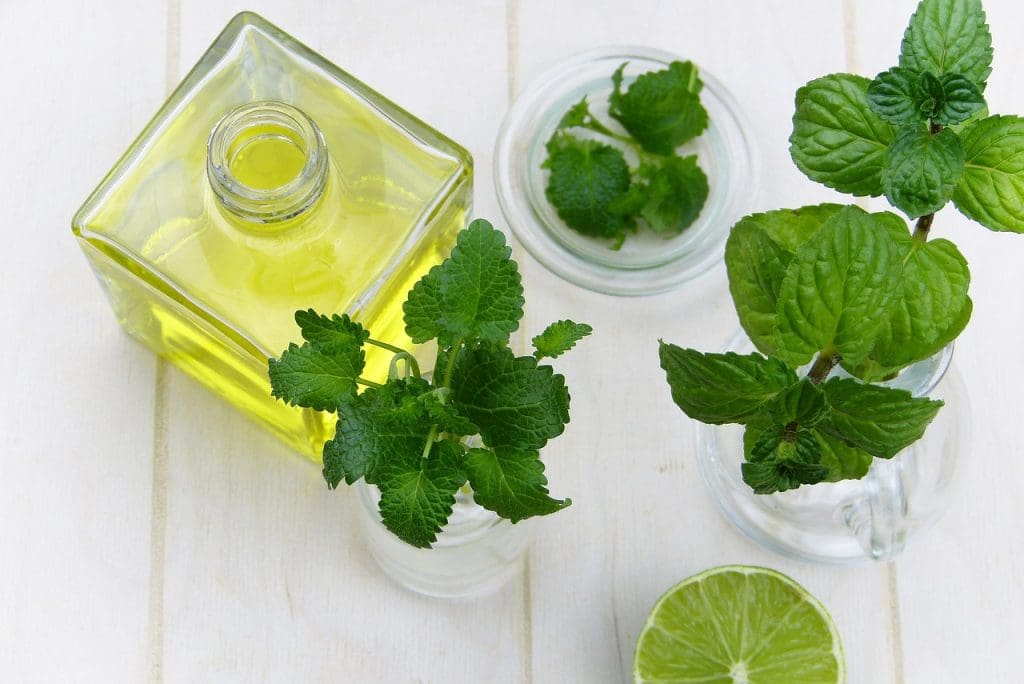
Essential oils are highly concentrated plant extracts that are known for their aromatic properties and potential therapeutic benefits. They can be used in various ways, such as diffusing, inhaling, or applying topically. Lavender oil, for example, is often used for relaxation and sleep support, while peppermint oil is commonly used for relieving headaches and soothing digestive discomfort. When using essential oils, it’s important to follow proper dilution guidelines and consider individual sensitivities.
Acupuncture kits
Acupuncture is a form of alternative medicine originating from traditional Chinese medicine. It involves the insertion of thin needles into specific points on the body to promote balance and healing. Acupuncture kits provide the necessary tools for self-administration or treatment by a qualified practitioner. These kits typically include sterile needles, guidelines for point selection and technique, and additional accessories for a safe and effective acupuncture experience.
Traditional Chinese medicine products
Traditional Chinese medicine has a long history and includes various approaches to healthcare, such as acupuncture, herbal medicine, and dietary therapy. Traditional Chinese medicine products often combine multiple herbs to address specific health conditions or promote overall balance in the body. These products can come in the form of capsules, powders, teas, or herbal extracts. It’s important to consult with a practitioner of traditional Chinese medicine for personalized recommendations and guidance.
Ayurvedic products
Ayurveda is a traditional holistic healing system from India, focusing on balancing the body, mind, and spirit. Ayurvedic products include herbal formulas, oils, and dietary supplements to support overall well-being. These products are often customized based on an individual’s dosha, or constitution, to address specific health concerns or promote balance. Seek guidance from an Ayurvedic practitioner to determine appropriate products based on your specific needs.
Magnetic therapy products
Magnetic therapy is an alternative modality that utilizes magnets to stimulate healing and promote overall well-being. Magnetic therapy products include magnetic bracelets, wraps, and pads that can be applied directly to the body. It’s believed that the magnetic fields generated by these products can improve circulation, reduce pain, and support the body’s natural healing mechanisms. However, scientific evidence supporting the effectiveness of magnetic therapy is limited, and individuals should approach it with caution.
Energy healing tools
Energy healing encompasses a wide range of practices aimed at balancing and harmonizing the body’s energy fields. Alternative medicine products in this category may include tools such as crystals, sound therapy instruments, and biofield devices. These tools are believed to interact with the body’s energy fields to promote healing, relaxation, and spiritual well-being. While the effectiveness of energy healing tools is not scientifically proven, many individuals find them beneficial for relaxation and stress reduction.
Detoxification and cleansing products
Detoxification and cleansing products are popular in the realm of alternative medicine, claiming to eliminate toxins from the body and support overall health. These products can include herbal teas, drinkable solutions, or dietary supplements. It’s important to approach detoxification and cleansing practices with caution, as the necessity and effectiveness of such methods are not supported by rigorous scientific evidence. Consult with a healthcare professional before embarking on any detox or cleanse program.
Research and Evidence
Understanding the importance of scientific research
Scientific research plays a vital role in evaluating the safety and effectiveness of alternative medicine practices and products. Rigorous research methods, including clinical trials and peer-reviewed studies, are crucial in providing evidence-based guidance for both healthcare professionals and consumers. While alternative medicine may draw on traditional knowledge and practices, scientific research helps identify which approaches are truly effective and safe.
Evaluating the quality of research studies
When assessing scientific research in alternative medicine, it’s important to consider the quality and methodology of the studies. Look for studies conducted by reputable institutions or researchers with expertise in the field. Pay attention to factors such as sample size, control groups, blinding, and statistical analysis. Well-designed studies with robust methodology are more likely to provide reliable and meaningful results.
Looking for evidence-based results
Evidence-based results are those supported by high-quality scientific research and clinical trials. When seeking alternative medicine products, prioritize those with evidence-based results. These could include products that have undergone rigorous testing and evaluation, yielding positive outcomes for specific health concerns. Evidence-based results provide a greater level of confidence in the product’s safety and efficacy.
Considering the limitations of research in alternative medicine
It’s important to acknowledge the limitations of research in alternative medicine. The nature of alternative medicine practices, which often involve individualized treatments and holistic approaches, can make it challenging to conduct large-scale studies with control groups. Additionally, funding for alternative medicine research is often limited compared to conventional medicine. These factors can result in a smaller body of evidence or conflicting results. Therefore, it’s important for individuals to consult with healthcare professionals and consider the available research alongside their own health needs and preferences.

Regulatory Considerations
Checking for product certification
When purchasing alternative medicine products, it’s important to check for any relevant certifications or approvals. Certifications can provide assurance regarding the quality, safety, and manufacturing practices of the product. Look for certifications from reputable organizations or regulatory bodies specific to the type of alternative medicine product you are considering.
Understanding labeling requirements
Pay attention to the labeling of alternative medicine products. Labels should include important information such as the product’s ingredients, dosage instructions, and any potential warnings or contraindications. Understanding the labeling requirements specific to the jurisdiction in which you reside can help you make informed decisions and ensure the safe use of the product.
Considering the regulatory bodies governing alternative medicine products
Different countries or regions may have specific regulatory bodies responsible for overseeing alternative medicine products. These bodies can provide guidelines, regulations, and quality control measures to ensure the safety and efficacy of alternative medicine products. Familiarize yourself with the regulatory bodies in your area and their requirements, particularly for products you are interested in purchasing.
Identifying potential red flags and scams
The alternative medicine market is diverse, and unfortunately, it can attract fraudulent or misleading claims. Beware of exaggerated promises, miracle cures, or products that seem too good to be true. Look for products with transparent information, reputable manufacturers, and positive customer reviews. Be cautious of unconventional or unproven therapies that lack scientific evidence or approval from regulatory bodies.
Finding Reputable Sellers
Checking the seller’s credentials
When purchasing alternative medicine products, it’s essential to verify the credentials and qualifications of the seller. Look for sellers who are licensed, certified, or affiliated with reputable organizations within the specific alternative medicine field. This can help ensure that you are purchasing products from knowledgeable and trustworthy sources.
Reading customer reviews and testimonials
Customer reviews and testimonials can provide valuable insights into the quality and effectiveness of alternative medicine products. Read reviews from multiple sources, paying attention to both positive and negative feedback. However, be cautious of overly biased or sensationalized reviews, as they may not accurately represent the product’s true benefits or limitations.
Verifying the seller’s return and refund policies
Before making a purchase, make sure to review the seller’s return and refund policies. Reputable sellers typically have clear policies in place to address any issues with the product, including defective items or dissatisfaction. Familiarize yourself with these policies to ensure that you have recourse if the product does not meet your expectations or arrives in poor condition.
Considering online marketplaces and trusted retailers
Online marketplaces and trusted retailers can be reliable options for purchasing alternative medicine products. These platforms often have a range of products available, allowing you to compare prices and read customer reviews. Look for marketplaces or retailers that prioritize quality control, customer satisfaction, and reputable brands. Opting for established sellers can provide peace of mind when purchasing alternative medicine products.
Safety and Potential Risks
Understanding the possible interactions with conventional medications
When considering alternative medicine products, it’s important to be aware of the potential interactions with any conventional medications you may be taking. Some alternative therapies, herbal supplements, or essential oils may have the potential to interact with certain medications, leading to adverse effects or reduced efficacy. Always inform your healthcare provider about any alternative medicine products you are using or considering to ensure their compatibility with your current medications.
Being aware of potential allergic reactions
Although alternative medicine products are generally considered safe, it’s crucial to be aware of potential allergic reactions. Some individuals may have allergies or sensitivities to certain herbs, plants, or essential oils used in alternative medicine products. This is particularly important if you have known allergies or a history of allergic reactions. Perform a patch test or consult with a healthcare professional if you are unsure about potential allergens in the product.
Recognizing the importance of correct dosages and usage
Each alternative medicine product has specific guidelines for dosages and usage. It’s important to carefully follow these instructions to ensure proper and safe administration. Deviating from recommended dosages or usage instructions may lead to undesired effects or reduced effectiveness. If you have any doubts or questions, consult with a healthcare professional or the product’s manufacturer for clarification.
Knowing when to seek professional medical advice
While alternative medicine products can often be used safely and effectively, it’s crucial to know when to seek professional medical advice. If you experience persistent or worsening symptoms, unexpected side effects, or any concerns regarding your health, consult with a healthcare professional promptly. They can provide the necessary expertise and guidance to ensure your well-being and safety.
Tips for Cost-Effective Shopping
Comparing prices from different sellers
To find the best value for your money, compare prices from different sellers. The same alternative medicine product may be available at varying prices, allowing you to save money while ensuring quality and effectiveness. However, be cautious of unusually low prices that seem too good to be true, as they may indicate counterfeit or substandard products.
Looking for promotions and discounts
Keep an eye out for promotions and discounts offered by sellers of alternative medicine products. Many sellers periodically offer special offers or discounts that can provide significant cost savings. Subscribe to newsletters or follow reputable sellers on social media to stay informed about any promotions or new deals.
Considering bulk purchases
In some cases, purchasing alternative medicine products in bulk can be cost-effective. Sellers may offer discounted prices or incentives for purchasing larger quantities. Before buying in bulk, ensure that the product has a sufficient shelf life and that you will be able to use it before the expiration date.
Assessing the product’s shelf life
Carefully review the shelf life of alternative medicine products before making a purchase. Some products may have a shorter shelf life, while others have a longer expiration date. Assess your usage requirements and select products accordingly to minimize waste and maximize cost-effectiveness.
Alternative Medicine and Conventional Medicine
Integration of alternative medicine with conventional treatments
Alternative medicine can complement conventional treatments and may be incorporated alongside conventional medical care. This integrated approach is often referred to as complementary medicine. However, it’s crucial to consult with healthcare professionals when considering the integration of alternative medicine and conventional treatments. Healthcare providers can evaluate potential interactions, offer guidance, and ensure the overall safety and effectiveness of the treatment plan.
Informing healthcare providers about alternative medicine usage
When using alternative medicine products, it’s important to inform your healthcare provider about their usage. Maintain open and honest communication to ensure that your healthcare team has a comprehensive understanding of your treatment plan and any potential interactions. This enables them to provide accurate advice, monitor your progress, and make informed decisions regarding your care.
Understanding potential conflicts between treatments
Certain alternative medicine practices or products may conflict with conventional treatments. For example, some herbal supplements may interfere with the efficacy of certain medications, while certain energy healing techniques may not be recommended during specific medical procedures. By informing healthcare providers about your alternative medicine usage, they can help identify potential conflicts and make appropriate adjustments to your treatment plan.
Seeking professional advice for combining treatments
When combining alternative medicine with conventional treatments, it’s important to seek professional advice. Healthcare professionals, such as integrative medicine specialists or licensed practitioners in the specific alternative modality, can provide guidance on how to integrate the treatments effectively. They can tailor a treatment plan specific to your needs, considering any potential interactions, and help you achieve optimal health outcomes.
Ensuring Quality and Effectiveness
Checking for product certifications and quality control practices
To ensure quality and effectiveness, it’s important to check for product certifications and quality control practices. Look for products that have undergone third-party testing or are manufactured in facilities that adhere to Good Manufacturing Practices (GMP). These certifications and practices provide assurance that the product meets specific quality standards and has undergone rigorous quality control procedures.
Examining clinical trials and peer-reviewed research
When evaluating the quality and effectiveness of alternative medicine products, examine any available clinical trials and peer-reviewed research. Clinical trials provide valuable insights into the safety and efficacy of specific products or treatments, while peer-reviewed research undergoes rigorous scrutiny by experts in the field. Look for studies that support the claims made by the product or treatment you are considering.
Seeking recommendations from trusted healthcare professionals
Don’t hesitate to seek recommendations from trusted healthcare professionals. Healthcare providers, particularly those with expertise in alternative medicine, can provide insights and recommendations based on their knowledge and experience. They can help steer you towards reputable products or treatments that align with your specific health needs and goals.
In conclusion, understanding alternative medicine is essential for making informed decisions about your health and well-being. By considering the benefits and limitations of alternative medicine, consulting with healthcare professionals, researching products, and being mindful of safety, you can navigate the world of alternative medicine with confidence. Remember to prioritize evidence-based practices, verify the credibility of sellers, and seek professional advice when needed. With proper care and research, alternative medicine can be a valuable addition to your healthcare routine.