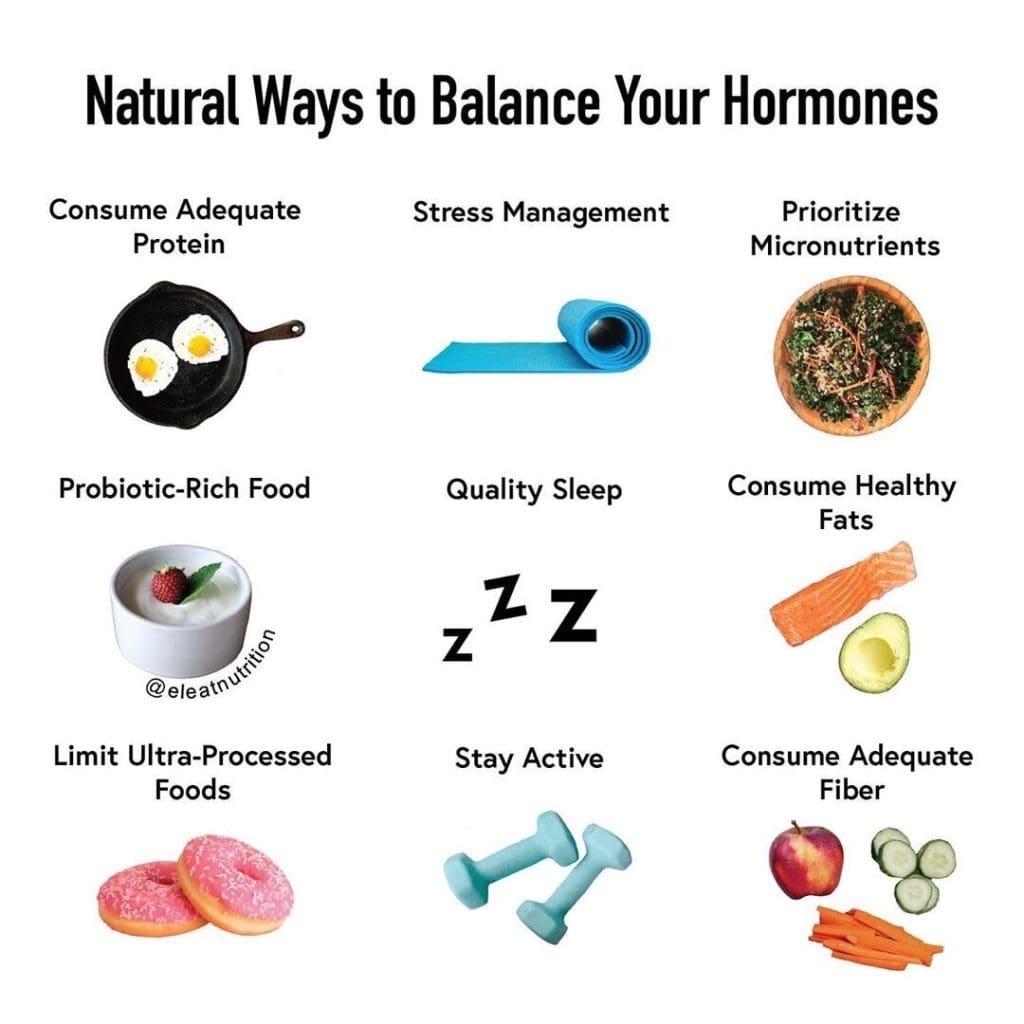
Maintaining hormonal balance is essential for overall health and well-being. In this article, you will discover some of the best ways to naturally restore and maintain hormonal balance. From incorporating a balanced diet and regular exercise to practicing stress management techniques and getting enough sleep, these tips will help you achieve optimal hormonal health and enhance your overall quality of life. So, let’s dive in and explore these natural methods that can keep your hormones in check.
Diet and Nutrition
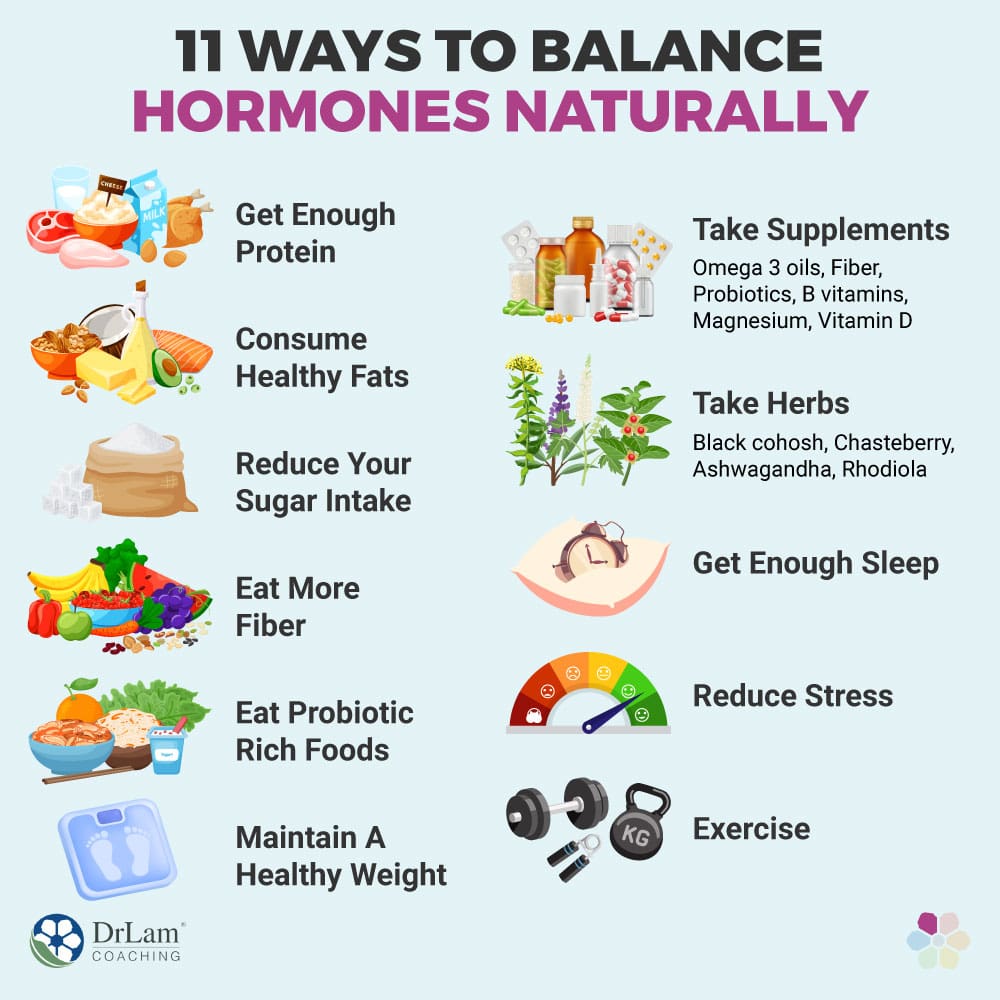
Maintaining a balanced diet is crucial for ensuring hormonal balance. By consuming a variety of nutritious foods, you provide your body with the essential nutrients it needs to keep your hormones in check. Make sure your meals consist of a combination of carbohydrates, proteins, and healthy fats to create a well-rounded plate. Aim to include plenty of fruits, vegetables, whole grains, lean meats, and plant-based proteins.
To maintain hormonal balance, it’s important to avoid processed foods and sugar. These can wreak havoc on your hormones, leading to imbalances and other health issues. Processed foods are often high in unhealthy fats, added sugars, and artificial ingredients that can throw your hormones off balance. Instead, opt for whole, unprocessed foods that provide natural sugars and nutrients.
Healthy fats are vital for hormone production and regulation. Include sources of healthy fats, such as avocados, olive oil, nuts, and seeds, in your diet. These fats provide an excellent source of fuel for your body and help support hormone production. Avoid unhealthy fats found in fried and processed foods, as they can contribute to hormonal imbalances.
Don’t forget about protein! Protein is necessary for hormone synthesis and repair. Incorporate lean sources of protein, such as chicken, fish, tofu, legumes, and dairy products, into your daily meals. Protein-rich foods help stabilize blood sugar levels and promote a feeling of fullness, preventing overeating and promoting hormonal balance.
Last but certainly not least, stay hydrated. Drinking enough water is crucial for maintaining optimal hormone function. It helps transport hormones throughout the body and aids in digestion, metabolism, and elimination of waste products. Aim to drink at least eight glasses of water a day, and even more if you’re active or live in a hot climate.
Manage Stress Levels
Stress can significantly impact your hormonal balance, so it’s essential to learn how to manage it effectively. Engaging in stress-relieving techniques can help regulate the release of stress hormones and promote overall hormonal balance.
Practice stress-relieving techniques such as deep breathing exercises, meditation, or mindfulness. These techniques can help relax your mind and reduce the release of stress hormones, allowing your body to return to a more balanced state. Find what works best for you and incorporate it into your daily routine.
Getting enough sleep is vital for hormonal balance. Lack of sleep can disrupt the production and regulation of hormones, leading to imbalances. Aim for seven to nine hours of quality sleep every night to promote hormonal health and overall well-being. Establish a consistent sleep schedule, create a calming bedtime routine, and ensure your sleep environment is comfortable and conducive to rest.
Regular exercise is another great way to manage stress and promote hormonal balance. Engage in activities you enjoy, such as walking, swimming, or dancing, for at least 30 minutes a day. Exercise releases endorphins, the feel-good hormones, which can help reduce stress levels and improve overall mood. Additionally, regular exercise can contribute to better sleep, increased energy levels, and improved hormonal regulation.
Spending time in nature can have a profound impact on reducing stress levels and supporting hormonal balance. Nature has a calming effect on the body and mind, allowing you to disconnect from daily stressors and recharge. Take frequent walks in the park, go hiking, or simply sit outside and enjoy the beauty of the natural environment.
Mindfulness practices, such as meditation or yoga, can be powerful tools for managing stress and promoting hormonal balance. These practices help calm the mind, reduce anxiety, and regulate hormone levels. Incorporate them into your routine as a way to relax and find inner peace.
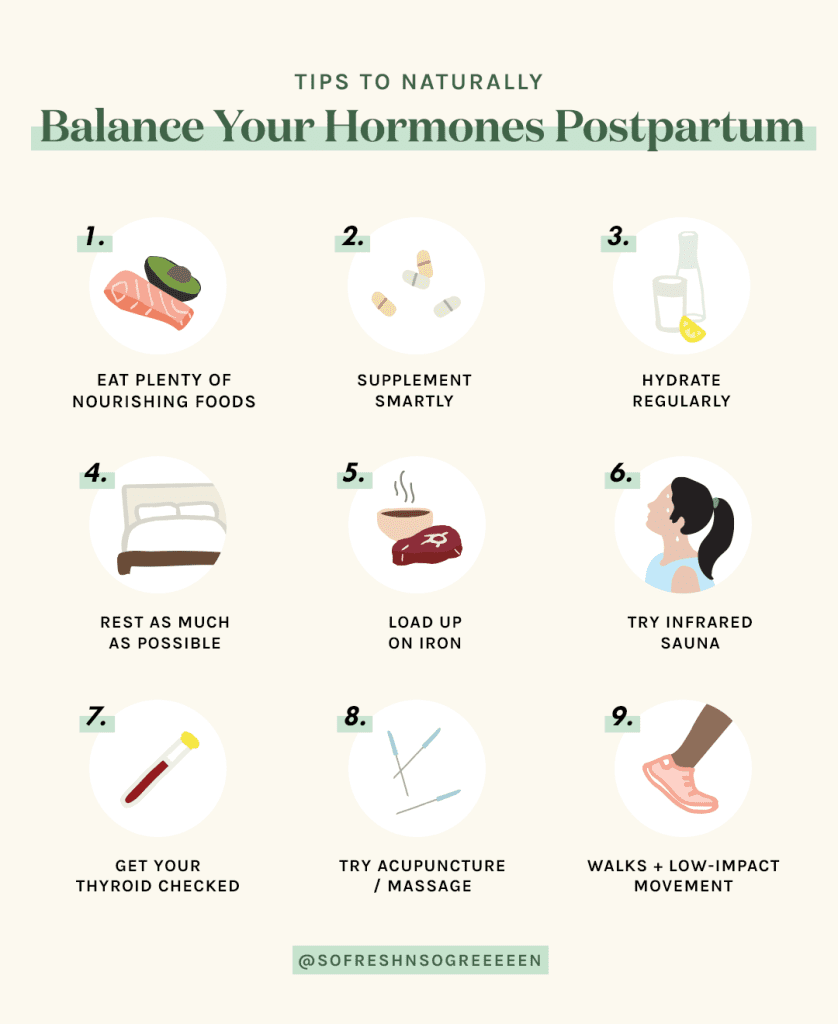
Limit Exposure to Endocrine Disruptors
Endocrine disruptors are chemicals that can interfere with the hormones in your body, leading to imbalances and potential health issues. By taking steps to limit your exposure to these disruptors, you can help maintain a healthy hormonal balance.
Choose natural personal care products that are free from harmful chemicals. Many conventional personal care products contain ingredients that can disrupt hormone function. Look for products that are labeled as “paraben-free,” “phthalate-free,” and “fragrance-free.” These are often made with safer ingredients that won’t interfere with your hormones.
Opt for glass or stainless steel containers for storing food and beverages. Plastic containers, especially those made with BPA, can release chemicals that mimic estrogen in the body, leading to hormonal imbalances. By choosing glass or stainless steel alternatives, you can reduce your exposure to these harmful substances.
Filter your tap water to remove potential hormone-disrupting contaminants. Tap water can contain traces of chemicals, such as pesticides, heavy metals, and pharmaceuticals, that can interfere with hormone function. Invest in a high-quality water filter to ensure your drinking water is free from these contaminants.
Avoid using plastic food containers, especially those marked with recycling codes 3, 6, or 7. These types of plastics may contain BPA or other chemicals that can leach into your food and disrupt your hormones. Instead, opt for glass or stainless steel containers for storing and reheating your meals.
Reduce your pesticide exposure by choosing organic fruits and vegetables whenever possible. Conventionally grown produce is often sprayed with pesticides, which can disrupt hormone function. By opting for organic options, you can decrease your exposure to these chemicals and support your hormonal balance.
Maintain a Healthy Weight
Maintaining a healthy weight is essential for hormonal balance, as excess weight can lead to hormonal imbalances and other health complications. By adopting a balanced exercise routine and monitoring your caloric intake, you can support your body in maintaining a healthy weight and hormonal equilibrium.
Adopt a balanced exercise routine that incorporates both cardiovascular exercise and strength training. Regular exercise helps burn calories, build muscle, and regulate hormone levels. Aim for at least 150 minutes of moderate-intensity aerobic activity or 75 minutes of vigorous-intensity aerobic activity each week, along with two or more days of strength training.
Monitoring your caloric intake is crucial for maintaining a healthy weight and hormonal balance. Consuming too many calories can lead to weight gain and disrupt hormone function. Track your calories and aim for a balanced diet that provides adequate nutrition without excessive calorie intake. Consulting with a registered dietitian can be beneficial in creating a customized and balanced eating plan.
Focus on whole foods that are rich in essential nutrients and avoid processed and refined foods that are often high in unhealthy fats and added sugars. Whole foods provide the necessary vitamins and minerals for hormone production and regulation. They also tend to be more satiating and can help prevent overeating, promoting a healthy weight.
Practice portion control to ensure you’re not overeating and consuming more calories than your body needs. Use smaller plates, measure your portions, and pay attention to hunger and fullness cues. By practicing portion control, you can maintain a healthy weight and support your hormonal balance.
Getting regular check-ups and consulting with healthcare professionals can help you monitor your weight and hormonal health. Regular check-ups allow healthcare providers to assess your overall health and identify any potential imbalances or underlying conditions. They can offer guidance, support, and personalized recommendations to help you maintain a healthy weight and hormonal equilibrium.
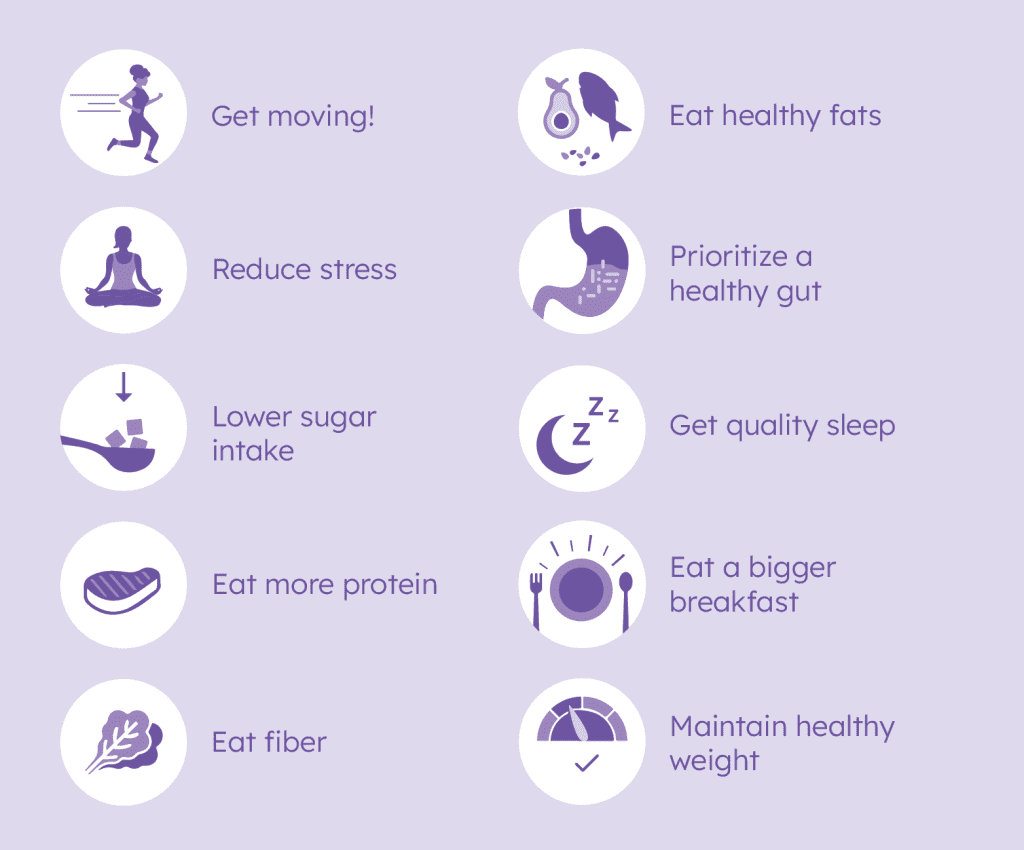
Support Gut Health
A healthy gut plays a crucial role in hormone production and regulation. By incorporating specific dietary and lifestyle practices, you can support your gut health and maintain hormonal balance.
Consuming probiotic-rich foods can help support the growth of beneficial bacteria in your gut. These bacteria play a vital role in hormone synthesis, inflammation regulation, and overall gut health. Include fermented foods like yogurt, kefir, sauerkraut, and kimchi in your diet to enhance your gut health and support hormonal balance.
Including fiber in your diet is important for promoting a healthy gut. Fiber helps regulate bowel movements, supports the growth of beneficial gut bacteria, and aids in the elimination of toxins and excess hormones. Consume a variety of fiber-rich foods, such as fruits, vegetables, whole grains, and legumes, to maintain optimal gut health.
Avoid unnecessary antibiotic use, as antibiotics can disrupt the balance of bacteria in your gut. While antibiotics are sometimes necessary to treat bacterial infections, taking them unnecessarily or too frequently can harm your gut health and impact hormone regulation. Only take antibiotics when prescribed by a healthcare professional and consider probiotic supplementation during and after antibiotic use to replenish beneficial bacteria.
Manage digestive issues promptly to prevent imbalances in your gut and hormones. If you experience symptoms like bloating, gas, diarrhea, or constipation, consult with a healthcare professional to identify the underlying cause and develop an appropriate treatment plan. Ignoring digestive issues can lead to long-term gut imbalances and hormone disruption.
Consider gut-healing supplements under the guidance of a healthcare professional. Supplements like L-glutamine, digestive enzymes, and herbs like slippery elm and aloe vera can support gut healing and promote hormonal balance. However, it’s essential to consult with a qualified professional to determine the right supplements and dosages for your specific needs.
Balance Blood Sugar Levels
Balancing blood sugar levels is important for maintaining hormonal balance and overall health. Consistently high or low blood sugar levels can lead to hormonal imbalances, energy fluctuations, and other health issues. By making specific dietary and lifestyle choices, you can support your body in regulating blood sugar levels.
Eating regular meals at consistent intervals is crucial for stabilizing blood sugar levels throughout the day. Skipping meals or going long periods without eating can cause blood sugar spikes and crashes, leading to hormonal imbalances. Aim to eat three balanced meals and two healthy snacks each day to maintain stable blood sugar levels.
Choosing low glycemic index foods can help prevent blood sugar spikes and promote more stable blood sugar levels. Low glycemic index foods, such as whole grains, legumes, fruits, and vegetables, are digested and absorbed more slowly, resulting in a gradual release of sugar into the bloodstream. Avoid high glycemic index foods, such as refined grains, sugary snacks, and processed foods, as they can cause rapid blood sugar fluctuations.
Including protein and healthy fats with carbohydrates can further slow down the absorption of sugar into the bloodstream. When you consume carbohydrates alone, your blood sugar levels can spike quickly. However, when you combine carbohydrates with protein and healthy fats, digestion slows down, and blood sugar levels remain more stable. For example, have a balanced meal that includes a lean protein source, whole grains, and vegetables.
Avoid excessive sugar consumption to prevent blood sugar imbalances and hormonal disruptions. Consuming too much sugar, especially in the form of refined sugars and sugary beverages, can lead to blood sugar spikes, insulin resistance, and weight gain. Opt for natural sweeteners like honey or maple syrup in moderation, and reduce your consumption of processed sweets and sugary drinks.
Managing stress levels is vital for blood sugar regulation. When you’re stressed, cortisol levels rise, and blood sugar levels can become dysregulated. Practice stress reduction techniques, engage in regular exercise, and incorporate mindfulness practices into your daily routine to manage stress effectively and maintain stable blood sugar levels.
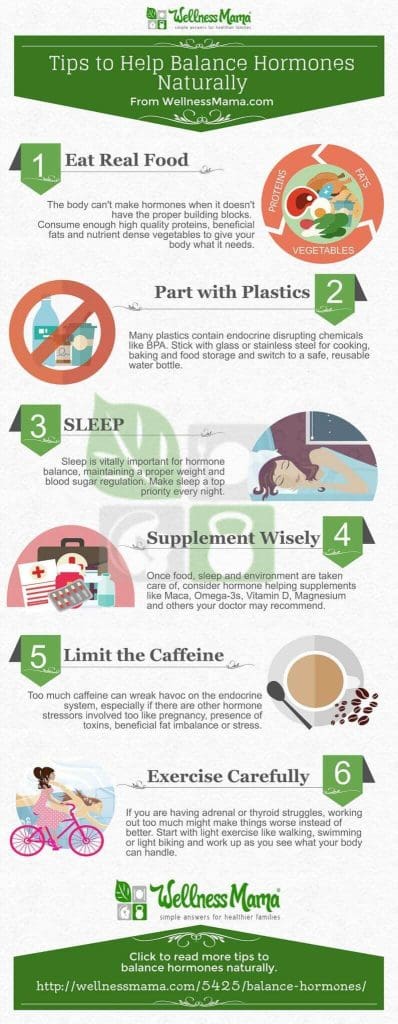
Regular Exercise
Regular exercise is not only important for overall health but also plays a significant role in maintaining hormonal balance. By engaging in a variety of physical activities, you can support healthy hormone production and regulation.
Engage in cardiovascular exercise that gets your heart rate up and improves cardiovascular health. Activities such as walking, running, cycling, dancing, and swimming are excellent cardiovascular exercises that promote blood flow, enhance oxygen delivery, and stimulate hormone production. Aim for at least 150 minutes of moderate-intensity aerobic activity or 75 minutes of vigorous-intensity aerobic activity each week.
Incorporate strength training into your exercise routine to build lean muscle mass and promote hormonal balance. Strength training exercises, such as lifting weights, using resistance bands, or bodyweight exercises, help increase muscle strength, boost metabolism, and support hormone production. Aim to strength train at least two days a week, targeting all major muscle groups.
Try incorporating activities like yoga or Pilates into your exercise routine. These practices not only help improve flexibility, posture, and balance but also have a calming effect on the nervous system. Yoga and Pilates can reduce stress levels, promote relaxation, and support hormonal balance. Find a class or follow online tutorials to get started.
Don’t forget about regular stretching. Stretching exercises can help improve flexibility, prevent injuries, and support overall physical well-being. Make it a habit to stretch your major muscle groups regularly, especially before and after exercise. Flexibility and mobility can aid in hormone balance and promote a healthy body.
Stay active throughout the day by incorporating movement into your daily routine. Taking breaks to walk or stretch, using stairs instead of elevators, and finding ways to move your body during sedentary activities can help boost your metabolism, improve circulation, and support hormonal balance.
Herbs and Supplements
Certain herbs and supplements have been found to support hormonal balance naturally. However, it’s important to remember that individual responses may vary, and it’s essential to consult with a healthcare professional before adding new supplements to your routine.
Consider adaptogenic herbs like ashwagandha, rhodiola, or holy basil. These herbs help your body adapt to stress and promote overall hormonal balance. They can reduce cortisol levels, improve cortisol response, and support your body’s ability to handle stress. Consult with a healthcare professional to determine the appropriate dosage and duration.
Try maca root or chaste tree berry supplements. Maca root has been shown to support hormone balance, boost energy levels, and improve mood. Chaste tree berry, also known as Vitex, can help regulate menstrual cycles and alleviate symptoms of hormonal imbalances, such as PMS. As with any supplement, it’s important to consult with a healthcare professional before adding them to your routine.
Consult with a healthcare professional before starting any new herbs or supplements. They can evaluate your specific needs, consider potential interactions with medications or existing medical conditions, and provide personalized recommendations. Your healthcare professional can also monitor your progress and make adjustments to your supplement regimen as needed.
Ensure the quality and safety of your supplements by choosing reputable brands and looking for third-party testing certifications. It’s essential to buy supplements from trusted sources that follow strict quality control measures. Look for certifications like USP (United States Pharmacopeia), NSF International, or ConsumerLab.com to ensure the purity, potency, and safety of the supplements you take.
Be aware of potential interactions with medications or existing medical conditions. Some herbs and supplements can interfere with certain medications or exacerbate existing medical conditions. That’s why it’s crucial to consult with a healthcare professional who can assess your individual circumstances and guide you accordingly. They can help you determine the right combination of herbs, supplements, and medications for optimal balance.
Limit Caffeine and Alcohol Intake
Both caffeine and alcohol can have an impact on hormone balance, so it’s important to consume them in moderation and be aware of their effects on your body.
Moderate your consumption of caffeine and be mindful of the sources. Caffeine stimulates the central nervous system, leading to increased cortisol production and potential hormonal imbalances. Limit your intake to 1-2 cups of coffee or other caffeinated beverages per day. If you’re sensitive to caffeine, consider switching to decaffeinated options or herbal teas.
Choose alternatives such as herbal tea to help reduce your caffeine intake. Herbal teas, such as chamomile, peppermint, or ginger, can provide a calming effect on the body without the stimulating effects of caffeine. These teas can be enjoyed throughout the day and may even offer additional health benefits.
Avoid dependency or excessive intake of caffeine and alcohol. Both substances can be addictive and disrupt hormonal balance when consumed in excess. Listen to your body and be mindful of how caffeine and alcohol affect you. If you notice negative effects such as increased anxiety, disrupted sleep, or hormonal imbalances, consider reducing or eliminating them from your routine.
Be mindful of alcohol’s effects on hormones. Alcohol can interfere with hormone production and regulation, especially in excessive amounts. It can disrupt the balance of estrogen, progesterone, testosterone, and other hormones in the body. If you choose to drink alcohol, do so in moderation and be aware of your body’s response. Limit consumption to one drink per day for women and two drinks per day for men.
Stay hydrated by drinking plenty of water throughout the day. Both caffeine and alcohol can dehydrate the body, so it’s important to counteract their diuretic effects by staying properly hydrated. Water supports overall health, including hormone production and regulation, so aim to drink at least eight glasses of water per day.
Ensure Adequate Vitamin D Levels
Vitamin D is a crucial nutrient for hormone balance and overall health. By ensuring adequate vitamin D levels, you can support hormone production, immune function, bone health, and more.
Get sun exposure to help your body produce vitamin D naturally. Spending time outdoors and exposing your skin to sunlight is the most effective way to get vitamin D. Aim for 10-30 minutes of sun exposure on your face, arms, or legs at least twice a week. Be cautious of the sun’s intensity and take necessary precautions to protect your skin.
Include vitamin D-rich foods in your diet to supplement sun exposure. While it can be challenging to get enough vitamin D from diet alone, there are some food sources that can help. Fatty fish like salmon, mackerel, and sardines, as well as egg yolks and fortified dairy products, are good sources of vitamin D. Include these foods in your meals regularly to support your vitamin D levels.
Consider taking vitamin D supplements, especially if you have limited sun exposure or live in areas with minimal sunlight. Vitamin D supplements can help maintain optimal levels, especially during the winter months or if you have a deficiency. Consult with a healthcare professional to determine the appropriate dosage and duration for your specific needs.
Monitor your vitamin D levels with regular blood tests. It’s important to periodically check your vitamin D levels to ensure you’re within the optimal range. Regular blood tests can determine if you need to adjust your sun exposure, dietary choices, or supplement regimen. Consulting with a healthcare professional can help you interpret the results and make informed decisions.
Consult with a healthcare professional before starting any new supplements or making significant changes to your vitamin D intake. They can evaluate your specific needs, consider potential interactions with medications or existing medical conditions, and provide personalized recommendations. Your healthcare professional can also monitor your vitamin D levels and make adjustments to your supplement regimen as needed.
In conclusion, maintaining hormonal balance naturally requires a holistic approach that encompasses various aspects of your lifestyle. By adopting a balanced diet, managing stress levels, limiting exposure to endocrine disruptors, maintaining a healthy weight, supporting gut health, balancing blood sugar levels, engaging in regular exercise, considering herbs and supplements, limiting caffeine and alcohol intake, and ensuring adequate vitamin D levels, you can promote hormonal harmony and overall well-being. Remember to consult with a healthcare professional for personalized advice and guidance on maintaining hormonal balance naturally.