
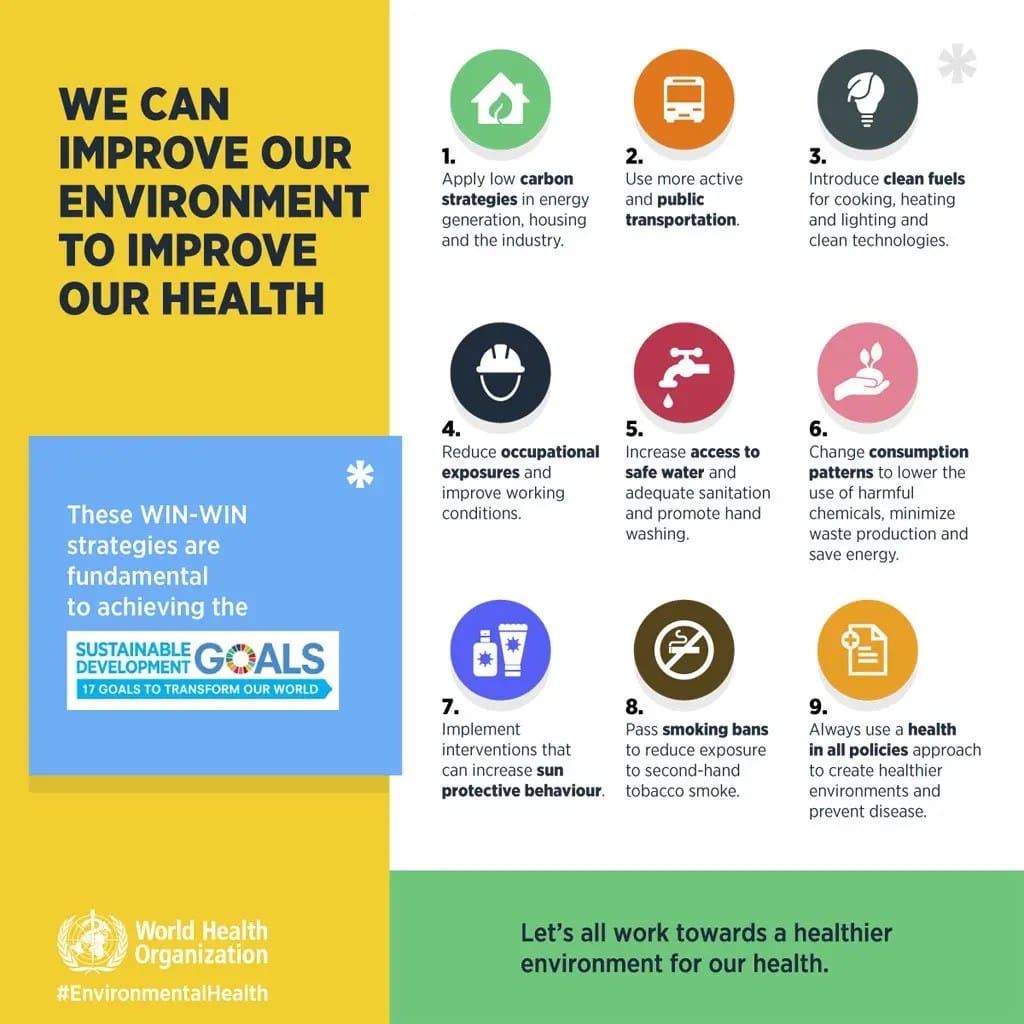
Welcome to a guide on how to create a healthy environment for preventive health. In this article, you will learn simple yet effective ways to improve your surroundings to promote overall well-being and reduce the risk of diseases. By making small changes in your lifestyle and living space, you can create an environment that supports a healthy lifestyle and prevents potential health issues. Let’s dive in and start making your environment a healthier place for a healthier you! Have you ever wondered how you can create a healthy environment in your everyday life that promotes preventive health? It’s easier than you think! By making small changes to your daily habits and surroundings, you can significantly impact your overall well-being. In this article, we will explore practical tips and strategies on how to create a healthy environment for preventive health. Let’s get started!
Importance of Preventive Health
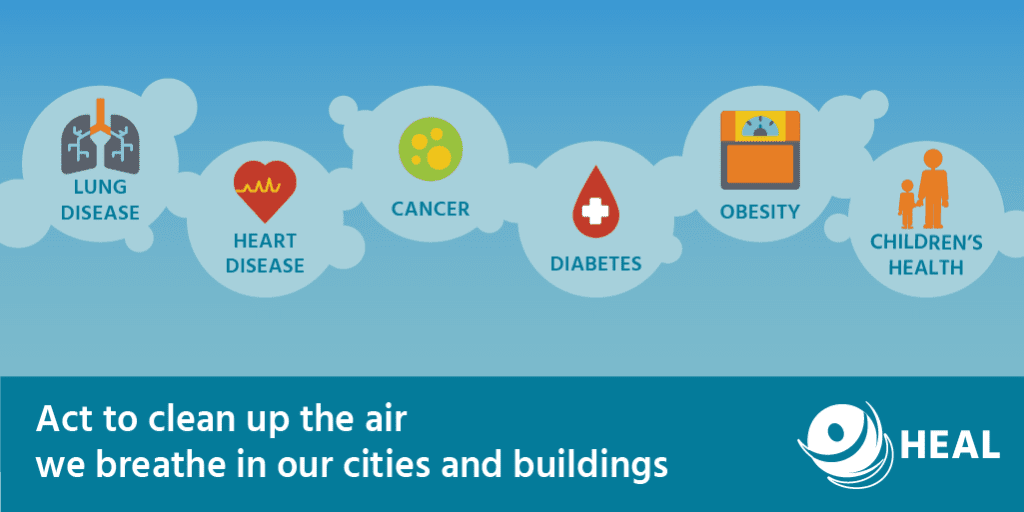
Preventive health measures are crucial in maintaining a healthy lifestyle and reducing the risk of chronic diseases. By focusing on prevention rather than treatment, you can enhance your quality of life and increase your longevity. Creating a healthy environment that prioritizes preventive health can have a profound impact on your overall well-being.
Why is preventive health important?
Preventive health is important because it helps detect and prevent potential health issues before they become serious problems. By incorporating preventive measures into your daily routine, you can reduce the risk of developing chronic diseases such as heart disease, diabetes, and cancer. Preventive health also promotes early detection of health conditions, which can lead to more effective treatment and better outcomes.
Creating a Healthy Diet
A healthy diet is the foundation of preventive health. By fueling your body with nutrient-rich foods, you can boost your immune system, improve your energy levels, and support your overall health. Creating a healthy diet doesn’t have to be complicated – small changes in your eating habits can make a big difference.
Tips for creating a healthy diet
- Include a variety of fruits and vegetables in your meals to get a wide range of nutrients.
- Choose whole grains over refined grains for added fiber and nutrients.
- Limit your intake of processed foods high in sugar, salt, and unhealthy fats.
- Stay hydrated by drinking plenty of water throughout the day.
- Limit your consumption of sugary beverages such as soda and juice.
Creating a healthy diet is essential for preventive health as it provides your body with the necessary nutrients to function optimally. By making smart choices about the foods you eat, you can improve your overall health and well-being.
Regular Physical Activity
Physical activity is a key component of preventive health. Regular exercise not only helps you maintain a healthy weight but also reduces the risk of developing chronic diseases such as heart disease, diabetes, and certain types of cancer. Incorporating physical activity into your daily routine is essential for creating a healthy environment for preventive health.
Benefits of regular physical activity
- Improves cardiovascular health and reduces the risk of heart disease.
- Helps maintain a healthy weight and reduce the risk of obesity.
- Boosts mood and reduces symptoms of anxiety and depression.
- Strengthens bones and muscles, reducing the risk of osteoporosis.
- Improves overall quality of life and longevity.
Regular physical activity is essential for preventive health as it provides numerous benefits to your body and mind. By engaging in regular exercise, you can improve your overall health and well-being while reducing the risk of developing chronic diseases.
Stress Management
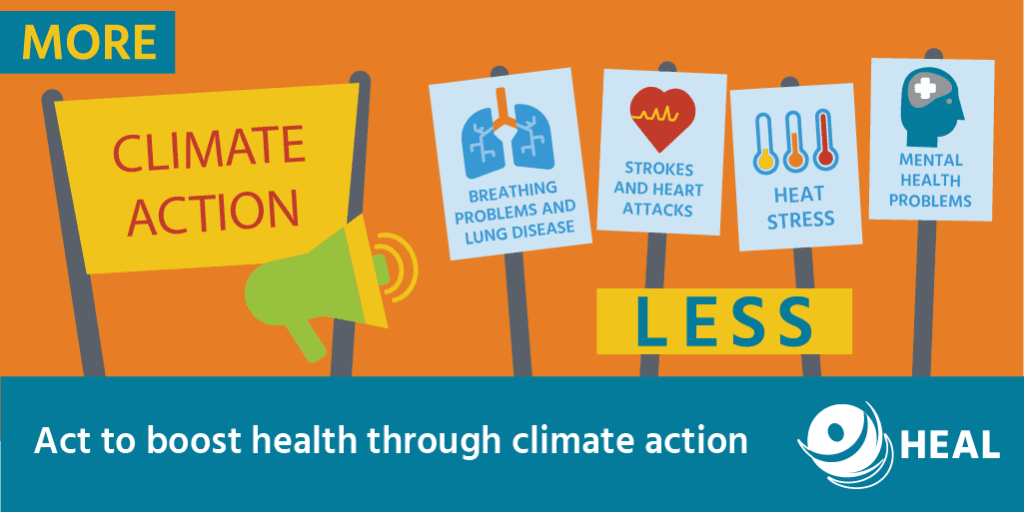
Chronic stress can have a negative impact on your physical and mental health. Creating a healthy environment for preventive health involves managing stress effectively to reduce its harmful effects on your body. By implementing stress management techniques into your daily routine, you can improve your overall well-being and reduce the risk of developing stress-related health issues.
Techniques for managing stress
- Practice mindfulness and meditation to reduce anxiety and promote relaxation.
- Engage in regular physical activity to release endorphins and reduce stress.
- Maintain a healthy work-life balance to prevent burnout and overwhelm.
- Get an adequate amount of sleep to recharge your body and mind.
- Reach out to friends and family for social support during challenging times.
Managing stress is crucial for preventive health as it helps prevent the negative impact of chronic stress on your body and mind. By implementing stress management techniques into your daily routine, you can create a healthier environment that promotes overall well-being.
Quality Sleep
Sleep plays a vital role in preventive health as it allows your body to rest, repair, and recharge. Getting an adequate amount of quality sleep is essential for maintaining optimal health and well-being. Creating a healthy sleep environment can help you improve the quality of your sleep and reduce the risk of sleep-related health issues.
Tips for improving sleep quality
- Establish a consistent sleep schedule by going to bed and waking up at the same time every day.
- Create a relaxing bedtime routine to signal to your body that it’s time to wind down.
- Keep your bedroom dark, quiet, and cool to promote restful sleep.
- Invest in a comfortable mattress and pillows that support your sleep posture.
- Avoid stimulants such as caffeine and nicotine close to bedtime.
Quality sleep is essential for preventive health as it allows your body to rest and recharge, preparing you for the day ahead. By prioritizing sleep and creating a healthy sleep environment, you can enhance your overall health and well-being.
Environmental Factors
Your physical environment can have a significant impact on your health and well-being. Creating a healthy environment for preventive health involves addressing environmental factors that may contribute to adverse health outcomes. By making changes to your surroundings, you can create a healthier space that promotes wellness and prevents health issues.
Tips for creating a healthy environment
- Keep your living and workspaces clean and clutter-free to reduce allergens and pollutants.
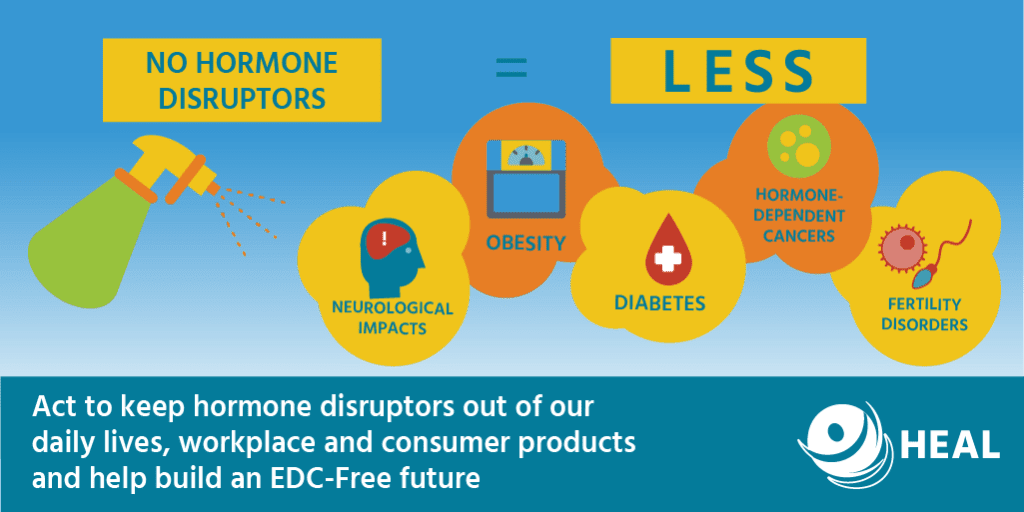
- Use natural cleaning products to minimize exposure to harmful chemicals.
- Ensure good ventilation in your home to improve air quality and reduce the risk of respiratory issues.
- Limit exposure to environmental toxins such as cigarette smoke, pesticides, and industrial pollutants.
- Incorporate plants into your indoor space to improve air quality and promote relaxation.
Creating a healthy environment involves considering the impact of your surroundings on your health and well-being. By making small changes to your physical environment, you can create a healthier space that supports preventive health and overall wellness.
Conclusion
Creating a healthy environment for preventive health is essential for maintaining optimal well-being and reducing the risk of chronic diseases. By incorporating healthy habits into your daily routine and making changes to your surroundings, you can promote wellness and prevent health issues in the long run. Remember, small changes can make a big difference when it comes to creating a healthy environment for preventive health. Start implementing these tips today and watch as your overall health and well-being improve. Stay proactive, stay healthy!