
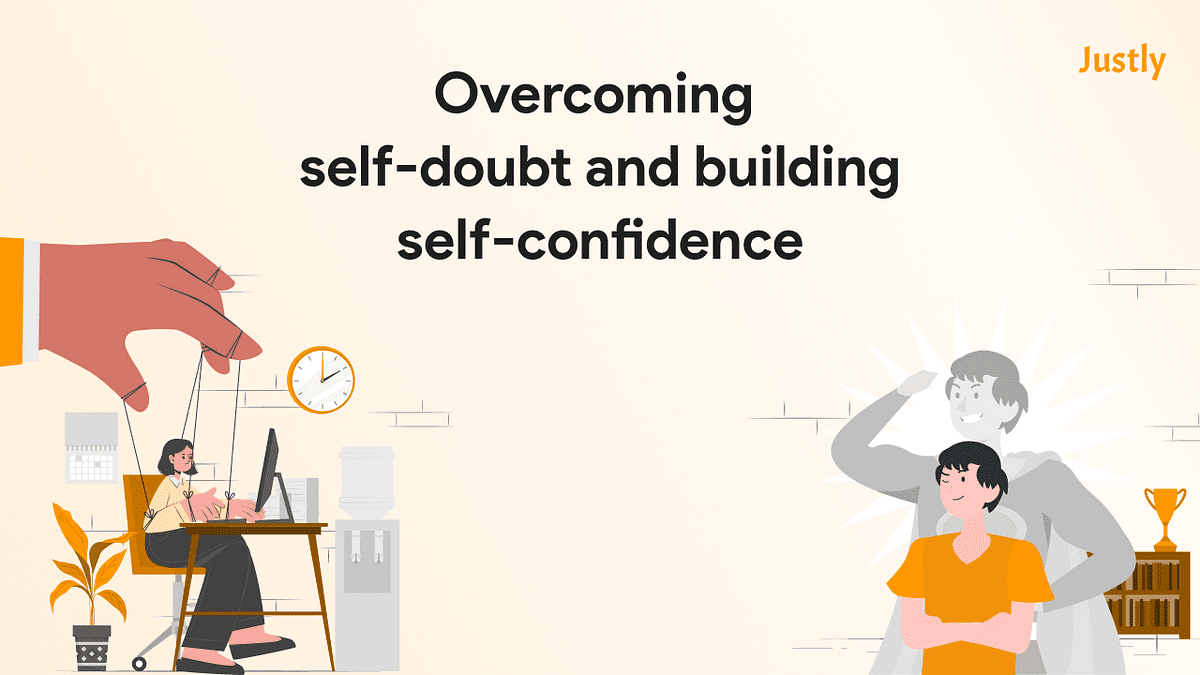
Welcome to an insightful article on how to overcome self-doubt and build self-confidence for better mental health. In this piece, you will learn practical tips and techniques to boost your confidence and silence that inner critic. By implementing these strategies, you can cultivate a positive self-image and improve your overall well-being. Say goodbye to self-doubt and hello to a more confident, empowered you. Let’s dive in and start your journey towards a healthier mindset. How To Overcome Self-doubt And Build Self-confidence For Better Mental Health
Have you ever found yourself doubting your abilities or feeling insecure about yourself? If so, you’re not alone. Self-doubt is a common experience that can impact your mental health and overall well-being. In this article, we will explore strategies on how to overcome self-doubt and build self-confidence for better mental health. By implementing these techniques into your daily routine, you can work towards developing a more positive self-image and improving your overall mental health.
Understanding Self-doubt
We all experience moments of self-doubt from time to time. However, when self-doubt becomes a constant presence in your life, it can have a negative impact on your mental health. Understanding the root causes of self-doubt can help you address and overcome it more effectively.
Self-doubt often stems from a fear of failure, comparison to others, or past negative experiences. It can manifest as negative self-talk, imposter syndrome, or perfectionism. Recognizing the signs of self-doubt in your own thoughts and behaviors is the first step towards addressing it.
Identifying Triggers of Self-doubt
Think about the situations or circumstances that trigger feelings of self-doubt for you. Is it when you’re faced with a challenging task, receive criticism, or compare yourself to others? By identifying these triggers, you can develop strategies to cope with them more effectively.
Challenging Negative Self-talk
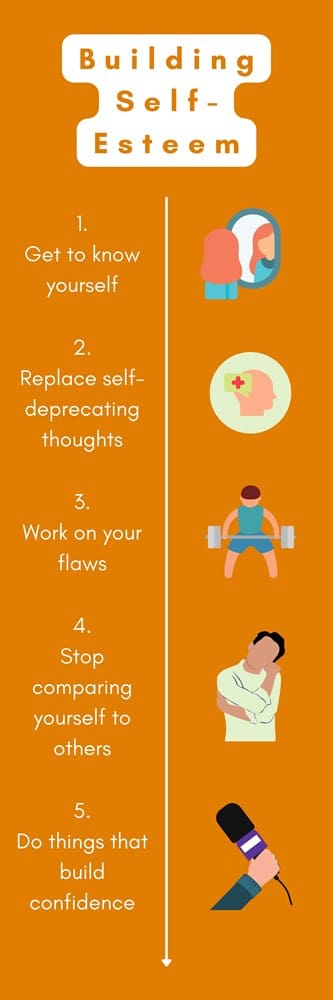
Pay attention to the way you talk to yourself. Are you constantly putting yourself down or doubting your abilities? Challenge these negative thoughts and replace them with more positive and encouraging self-talk. Remember, you are your own biggest supporter.
Building Self-confidence
Building self-confidence is a lifelong journey that requires practice and dedication. By taking small steps towards boosting your self-esteem, you can gradually build a stronger sense of self-confidence and improve your overall mental health.
Celebrating Small Wins
Acknowledge and celebrate your achievements, no matter how small they may seem. By recognizing your successes, you can boost your self-esteem and cultivate a more positive self-image. Keep a journal of your accomplishments and reflect on them regularly.
Setting Realistic Goals
Set realistic and achievable goals for yourself. Break down larger goals into smaller, manageable tasks, and celebrate your progress along the way. By setting yourself up for success, you can build confidence in your ability to overcome challenges and achieve your objectives.
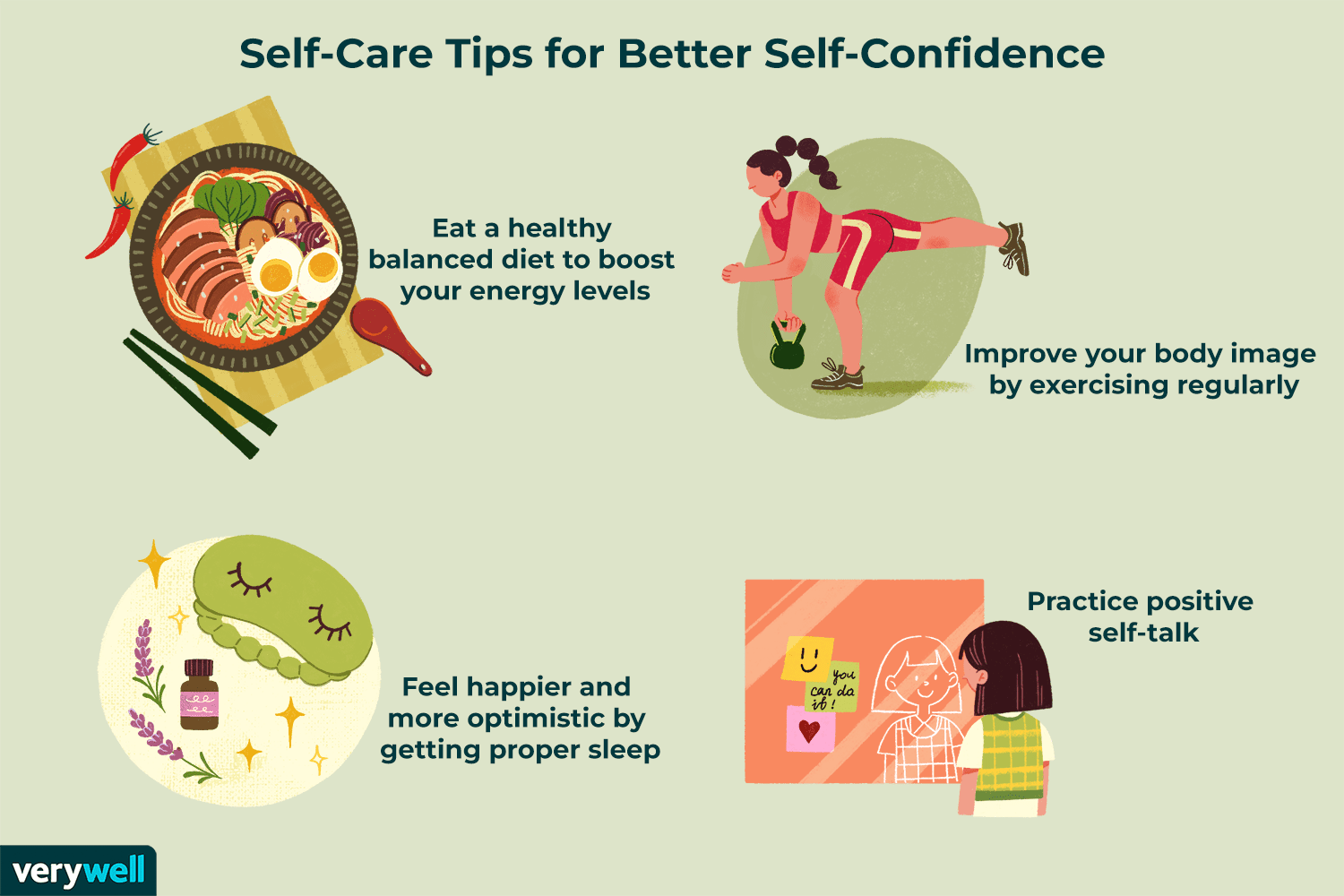
Practicing Self-care
Taking care of your physical, emotional, and mental well-being is essential for building self-confidence. Make time for activities that bring you joy and relaxation, such as exercise, meditation, or spending time with loved ones. Prioritize self-care as a way to boost your self-esteem and overall happiness.

Cultivating a Growth Mindset
Adopting a growth mindset can help you overcome self-doubt and build self-confidence. Instead of viewing challenges as obstacles, see them as opportunities for growth and learning. Embrace setbacks as valuable lessons that can help you develop resilience and perseverance.
Embracing Failure as a Learning Experience
Failure is a natural part of life and a valuable learning opportunity. Instead of letting setbacks define you, see them as chances to improve and grow. By reframing your perspective on failure, you can build resilience and self-confidence in the face of challenges.
Seeking Feedback and Support
Don’t be afraid to seek feedback from others or ask for support when you need it. Surround yourself with positive and encouraging individuals who believe in your abilities and can provide constructive criticism. Remember, asking for help is a sign of strength, not weakness.
Practicing Self-compassion
Self-compassion is the practice of treating yourself with kindness and understanding, especially in moments of self-doubt or insecurity. By showing yourself the same compassion you would offer to a friend, you can cultivate a more positive relationship with yourself and improve your mental health.
Practicing Mindfulness
Mindfulness is the practice of being present in the moment and observing your thoughts and emotions without judgment. By practicing mindfulness, you can develop a greater sense of self-awareness and self-compassion. Take time each day to practice mindfulness through meditation, deep breathing, or other relaxation techniques.
Forgiving Yourself
We all make mistakes and have moments of self-doubt. Instead of dwelling on past failures or shortcomings, practice self-forgiveness and let go of guilt and shame. Treat yourself with the same forgiveness and understanding you would offer to a loved one.
Seeking Professional Help
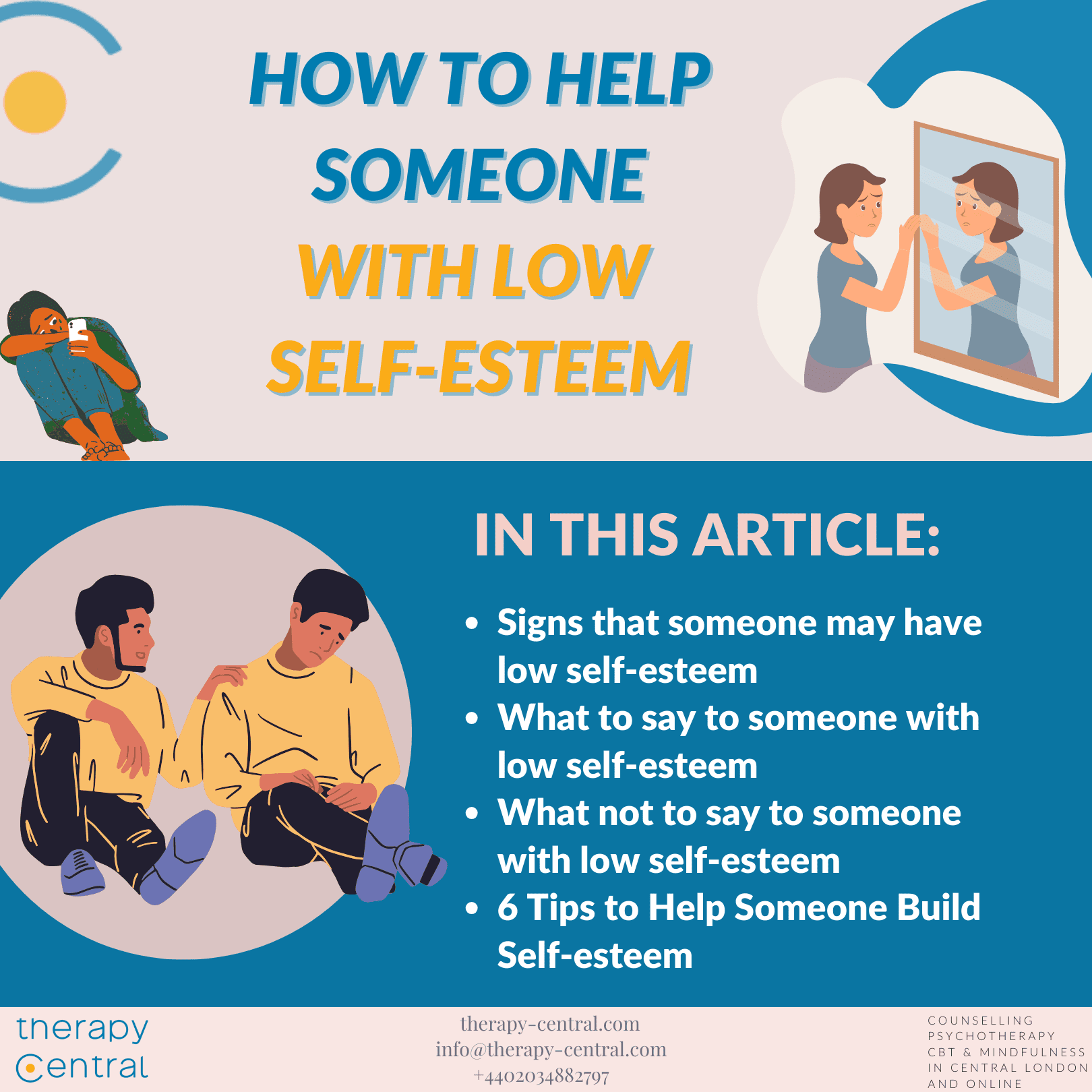
If self-doubt is significantly impacting your mental health and well-being, it may be beneficial to seek professional help. A therapist or counselor can work with you to address the root causes of your self-doubt and develop coping strategies to improve your self-confidence and mental health.
Therapy and Counseling
Therapy and counseling can provide a safe and supportive space to explore your feelings of self-doubt and develop healthy coping mechanisms. A mental health professional can offer guidance, support, and tools to help you overcome self-doubt and build self-confidence.
Medication and Treatment
In some cases, medication or other treatments may be recommended to address underlying mental health conditions that contribute to self-doubt. If you are experiencing symptoms of anxiety, depression, or other mental health issues, it’s important to consult with a healthcare provider for proper diagnosis and treatment.
Conclusion
Overcoming self-doubt and building self-confidence is a process that takes time, patience, and self-reflection. By recognizing the root causes of your self-doubt, practicing self-compassion, and seeking support when needed, you can develop a more positive self-image and improve your mental health. Remember, you are capable of achieving great things and deserving of love and acceptance, both from others and from yourself. Start your journey towards self-confidence and better mental health today.