

Are you looking to improve your overall well-being and achieve a state of holistic wellness? In this article, you will discover simple and effective steps to create a holistic wellness plan that encompasses all aspects of your health – physical, mental, and emotional. By following these guidelines, you can take charge of your well-being and embark on a journey towards a balanced and fulfilled life.

Assess Your Current Health
Take stock of your physical health
To begin creating a holistic wellness plan, it’s important to assess your current physical health. Take a moment to reflect on how you feel physically. Are you experiencing any pain or discomfort? Do you have any chronic conditions that require attention? Pay attention to any areas of your body that may need extra care or improvement.
Evaluate your mental and emotional well-being
In addition to your physical health, it’s essential to evaluate your mental and emotional well-being. How are you feeling on a daily basis? Are you experiencing stress, anxiety, or depression? Take note of your emotions and any patterns you observe. It’s crucial to have a clear understanding of your mental and emotional state in order to create a comprehensive wellness plan.
Assess your spiritual health
Lastly, take a moment to assess your spiritual health. This doesn’t necessarily mean religious beliefs, but rather a deeper connection to something greater than yourself. Reflect on your sense of purpose, values, and beliefs. Are you feeling spiritually fulfilled? Do you have practices or rituals that align with your spiritual beliefs? Understanding your spiritual health is a vital component of holistic well-being.
Establish Your Wellness Goals
Define what wellness means to you
Wellness means something different to everyone, so it’s important to define what it means to you. Take a moment to reflect on what a balanced and fulfilling life looks like to you. Consider aspects like physical health, mental well-being, relationships, and personal growth. By clarifying your own definition of wellness, you can create goals that align with your values and aspirations.
Set specific and realistic goals
Once you’ve defined what wellness means to you, it’s time to set specific and realistic goals. Break down your overall vision of wellness into smaller, achievable objectives. For example, if improving your physical well-being is a priority, set a goal to exercise for 30 minutes, three times a week. By setting specific goals, you can measure your progress and make adjustments along the way.
Prioritize your goals
With so many aspects of wellness to consider, it’s essential to prioritize your goals. Identify the areas of your life that require the most attention or that align with your values and desired outcomes. By prioritizing your goals, you can focus your time and energy on the most important aspects of your well-being.
Consider Your Lifestyle
Evaluate your daily routine
One key aspect of creating a holistic wellness plan is evaluating your daily routine. Take a look at how you spend your time and energy throughout the day. Are there any habits or activities that are hindering your well-being? Consider how you can adjust your routine to better support your physical and mental health.
Identify areas for improvement
Once you’ve assessed your daily routine, identify areas for improvement. Are there unhealthy behaviors, such as excessive screen time or poor eating habits, that you can address? Pinpointing these areas of improvement will help you create a plan to incorporate healthier habits into your lifestyle.
Make a plan to incorporate healthier habits
Now that you’re aware of areas for improvement, it’s time to make a plan to incorporate healthier habits into your daily life. Start small and focus on one habit at a time. For example, if you want to prioritize exercise, commit to taking a 15-minute walk every day. By gradually incorporating healthier habits, you can create lasting change that supports your overall well-being.
Physical Well-being
Regular exercise
Physical activity is crucial for maintaining overall health and well-being. Aim to engage in at least 150 minutes of moderate-intensity exercise or 75 minutes of vigorous exercise per week. Find activities you enjoy, such as walking, swimming, or dancing, and make them a regular part of your routine. Regular exercise can improve cardiovascular health, boost mood, and increase energy levels.
Proper nutrition
Eating a balanced and nutritious diet is essential for your physical well-being. Incorporate a variety of fruits, vegetables, whole grains, lean proteins, and healthy fats into your meals. Avoid processed foods, sugary snacks, and excessive consumption of alcohol or caffeine. Remember to listen to your body’s hunger and fullness cues and practice mindful eating.
Adequate sleep
Getting enough quality sleep is crucial for your physical and mental health. Aim for 7-9 hours of sleep per night and establish a consistent sleep routine. Create a calming bedtime routine, avoid electronic devices before bed, and create a sleep-friendly environment. Prioritizing adequate sleep allows your body to rest and rejuvenate, promoting overall well-being.

Mental and Emotional Health
Practice stress management techniques
Managing stress is essential for your mental and emotional well-being. Explore different techniques such as deep breathing, meditation, or yoga to help alleviate stress. Find activities that help you relax and unwind, such as reading, listening to music, or engaging in hobbies. Prioritize self-care activities that support your mental and emotional health.
Develop healthy coping mechanisms
Life can be challenging at times, so it’s important to develop healthy coping mechanisms. Find healthy ways to express and process your emotions, such as journaling, talking to a trusted friend, or seeking professional therapy. Avoid unhealthy coping mechanisms like excessive alcohol or drug use. Developing healthy coping mechanisms helps you navigate through difficulties and maintain a positive mindset.
Prioritize self-care activities
Self-care is essential for maintaining your mental and emotional well-being. Take time for activities that bring you joy and relaxation. This can include activities like taking a bubble bath, practicing mindfulness, engaging in hobbies, or treating yourself to something special. Prioritizing self-care allows you to recharge and replenish your emotional reserves.
Social Connections
Nurture relationships with family and friends
Strong social connections are vital for your overall well-being. Take the time to nurture and strengthen relationships with your family and friends. Make an effort to spend quality time together, whether it’s through regular phone calls, video chats, or in-person gatherings. Engage in activities that promote connection, such as cooking a meal together or going for a walk.
Join community groups or clubs
Participating in community groups or clubs can provide opportunities for social connection and personal growth. Consider joining a fitness class, book club, or volunteer organization that aligns with your interests. Engaging with like-minded individuals can foster a sense of belonging and expand your social network.
Seek support from others
Sometimes, we all need a little extra support, especially during challenging times. Don’t hesitate to reach out to trusted friends, family, or professionals for support. Whether you need someone to talk to or guidance in navigating a difficult situation, seeking support can provide much-needed comfort and guidance.
Spiritual Well-being
Explore your beliefs and values
Exploring your beliefs and values is essential for cultivating spiritual well-being. Take time to reflect on what is meaningful and important to you. This may involve exploring different spiritual or philosophical traditions, engaging in self-reflection, or seeking guidance from a mentor or spiritual advisor. Explore practices that resonate with your beliefs and values to deepen your spiritual connection.
Engage in mindfulness practices
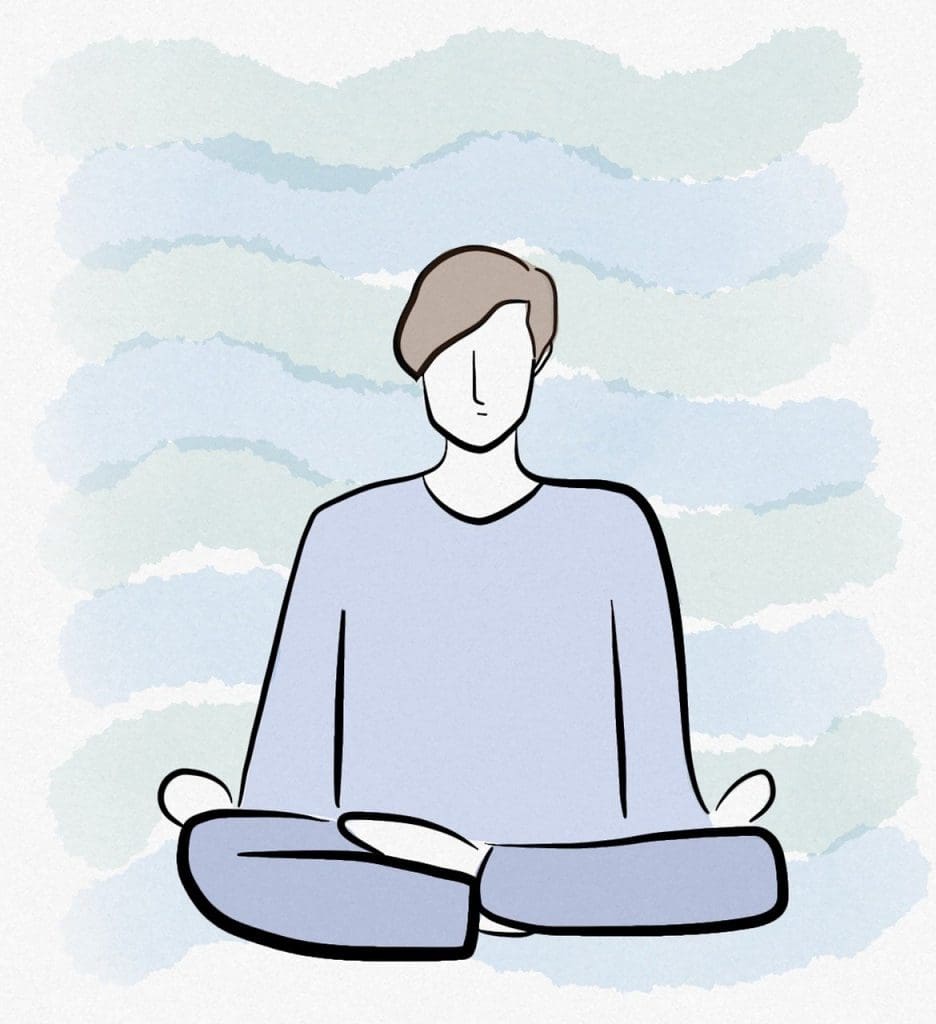
Mindfulness practices can help cultivate spiritual well-being by bringing your attention to the present moment. This can include practices such as meditation, deep breathing exercises, or mindful walking. Engaging in mindfulness allows you to quiet the mind, cultivate gratitude, and cultivate a sense of inner peace and presence.
Connect with nature or engage in religious activities
Creating opportunities to connect with nature or engage in religious activities can support your spiritual well-being. Spend time in nature, whether it’s going for a hike, walking on the beach, or tending to a garden. Alternatively, participating in religious activities that align with your beliefs can provide a sense of community and deepen your spiritual connection.
Holistic Therapies
Consider alternative therapies like acupuncture or aromatherapy
Alternative therapies such as acupuncture or aromatherapy can complement your holistic wellness plan. These practices focus on restoring balance and promoting well-being through non-conventional methods. Consider exploring these therapies with the guidance of a trained professional to see if they resonate with you.
Try energy healing practices such as Reiki or Qi Gong
Energy healing practices like Reiki or Qi Gong work with the body’s energy systems to promote healing and overall well-being. These practices involve the transfer of energy to balance the body, mind, and spirit. Consult a trained practitioner to experience the potential benefits of energy healing.
Explore holistic approaches to mental health like meditation or yoga
Holistic approaches to mental health, such as meditation or yoga, can be valuable tools for cultivating overall well-being. Meditation helps calm the mind and promote mental clarity, while yoga combines physical movement with mindful awareness. Incorporating these practices into your wellness plan can support your mental and emotional health.
Healthcare Support
Find a primary care physician
Having a trusted primary care physician is essential for your overall health and well-being. Schedule regular check-ups and build a relationship with your healthcare provider. They can provide guidance, conduct screenings, and address any health concerns you may have.
Consult with specialists if needed
If you have specific health concerns or conditions, it may be necessary to consult with specialists. Reach out to healthcare professionals who specialize in addressing your specific needs. They can provide expert advice, conduct additional tests if needed, and develop a treatment plan tailored to your individual needs.
Schedule regular check-ups and screenings
Regular check-ups and screenings are essential for detecting and preventing potential health issues. Follow your healthcare provider’s recommendations for routine screenings such as blood pressure checks, cholesterol checks, and mammograms or prostate exams. By prioritizing regular check-ups, you can stay proactive in managing your health.
Monitor Your Progress
Keep track of your goals and milestones
As you embark on your holistic wellness journey, it’s important to keep track of your goals and milestones. Document your goals and regularly assess your progress. Celebrate small victories along the way and use any setbacks as learning opportunities. By monitoring your progress, you can stay motivated and make necessary adjustments to your plan.
Reassess and adjust your plan as needed
Life is constantly evolving, and your wellness plan should reflect that. Regularly reassess and adjust your plan as needed. As you achieve your goals, set new ones that align with your ongoing wellness journey. Be flexible and open to modifications as you continue to grow and evolve.
Celebrate your achievements along the way
Remember to celebrate your achievements along the way. Each step you take towards holistic well-being is worth acknowledging and celebrating. Treat yourself to something special, share your accomplishments with loved ones, or simply take a moment to reflect on your progress. Celebrating your achievements will keep you motivated and inspired on your holistic wellness journey.
Creating a holistic wellness plan is a personal journey that requires self-reflection, goal-setting, and commitment to self-care. By assessing your current health, establishing wellness goals, considering your lifestyle, prioritizing your physical and mental well-being, nurturing social connections, exploring your spiritual beliefs, considering holistic therapies, seeking healthcare support, and monitoring your progress, you can create a comprehensive plan that supports your holistic well-being. Remember, your wellness journey is unique to you, so embrace the process and enjoy the positive impact it has on your life.