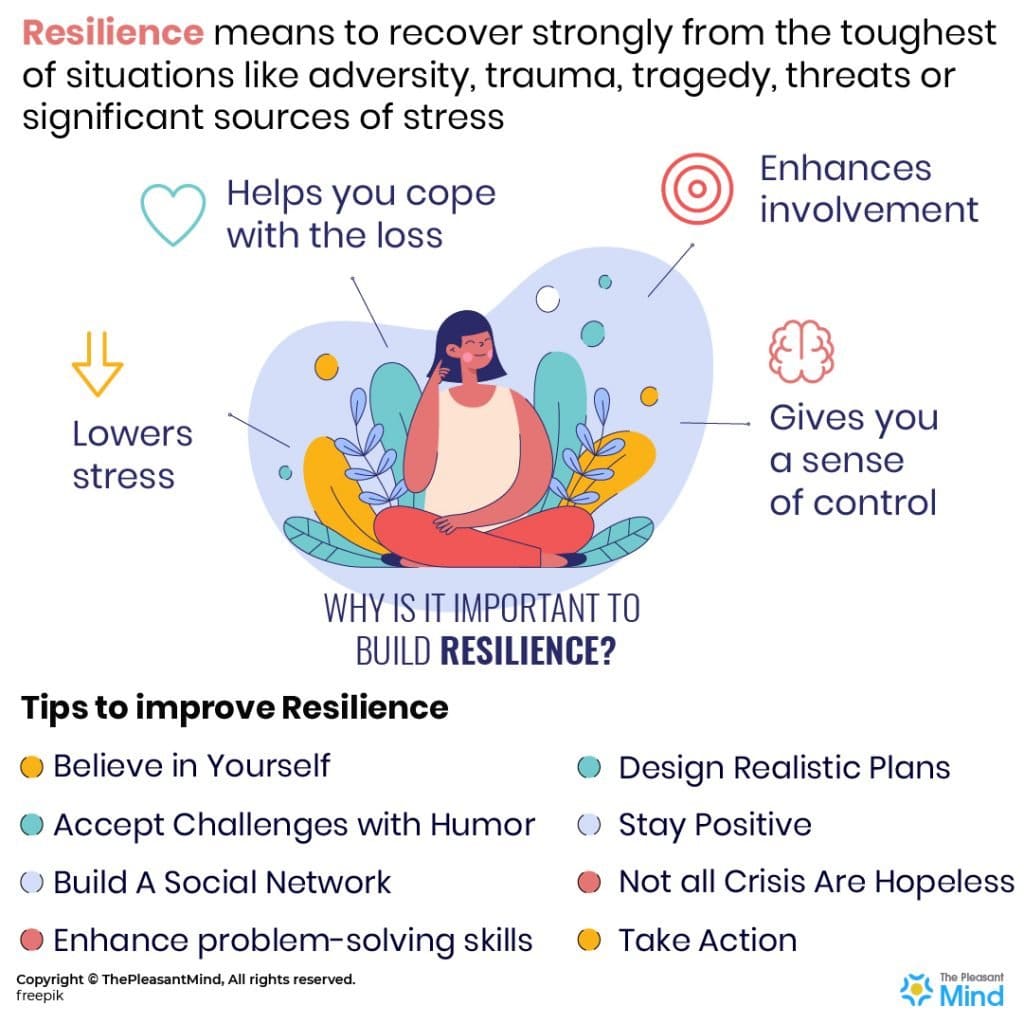
In today’s fast-paced and often demanding world, it’s essential for men to develop mental resilience and coping skills to navigate life’s challenges effectively. This article will provide practical tips and strategies on how to enhance your mental resilience and coping abilities, empowering you to face adversity head-on and emerge stronger. From cultivating a positive mindset to seeking support and practicing self-care, you’ll discover valuable insights to help you thrive in both your personal and professional life.
Seek Professional Help
Visit a therapist
Seeking professional help is an important step in enhancing your mental resilience and coping skills as a man. By visiting a therapist, you have the opportunity to work with a trained professional who can provide guidance and support. Therapists can help you explore your emotions, thoughts, and behaviors, and assist you in developing healthy coping mechanisms. They can also provide a safe and nonjudgmental space for you to express yourself and work through any challenges you may be facing.
Consult a psychologist
In addition to visiting a therapist, consulting a psychologist can also be beneficial for enhancing your mental resilience and coping skills. Psychologists are experts in human behavior and can help you gain a deeper understanding of yourself and your emotions. They can offer strategies and techniques to manage stress, improve communication, and build resilience. Consulting a psychologist can provide you with valuable insights and tools to navigate life’s challenges with greater ease.
Consider group therapy
Another option to consider when seeking professional help is group therapy. Group therapy involves meeting with a small group of people who may be facing similar challenges or dealing with similar issues. It provides an opportunity to share experiences, gain support, and learn from others who may be in a similar situation. Group therapy can be especially beneficial for men, as it creates a space for open and honest conversations, helping to break down feelings of isolation and stigma surrounding mental health.
Develop a Support System
Share your thoughts and feelings with trusted friends or family
Building a support system is essential for enhancing your mental resilience and coping skills. Sharing your thoughts and feelings with trusted friends or family members can provide a sense of validation and support. It’s important to have people in your life who you feel comfortable being vulnerable with, as they can offer valuable insights and perspectives. They can also provide emotional support during difficult times and help you gain a sense of perspective.
Join men’s support groups
In addition to your close friends and family, joining men’s support groups can provide additional support and understanding. These groups offer a unique space for men to come together and discuss their experiences, challenges, and emotions. Connecting with other men who may be facing similar issues can create a sense of camaraderie and help break down the barriers surrounding mental health. Men’s support groups can be found online or in your local community, and can offer a safe and supportive environment to share and grow.
Connect with a mentor or role model
Seeking out a mentor or role model can also be beneficial for enhancing your mental resilience and coping skills. Having someone to look up to and learn from can provide guidance and inspiration. A mentor or role model can offer advice based on their own experiences, helping you navigate challenges and develop effective coping strategies. They can also provide support and encouragement, pushing you to reach your full potential. Connecting with a mentor or role model can be done through professional networks, community organizations, or even online platforms.
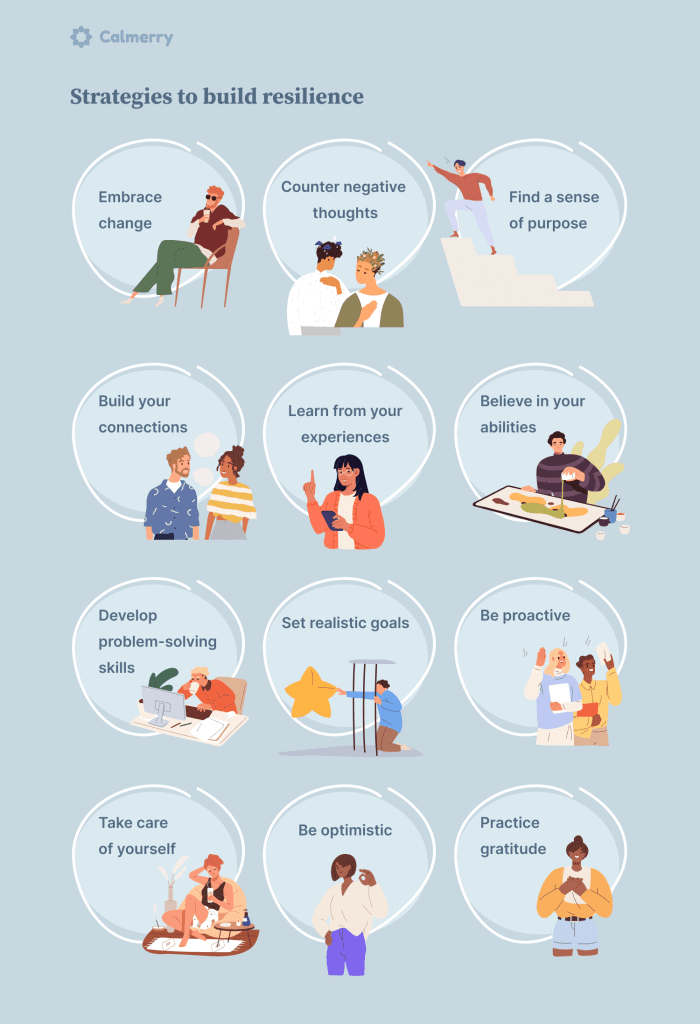
Practice Mindfulness and Meditation
Learn and incorporate mindfulness techniques
Mindfulness is a practice that involves being fully present in the current moment, without judgment. By learning and incorporating mindfulness techniques into your daily life, you can enhance your mental resilience and coping skills. Mindfulness can help you become more aware of your thoughts and emotions, allowing you to respond to them in a healthier and more effective way. It can also help reduce stress and anxiety, improve focus and concentration, and promote overall well-being. There are many resources available, such as books, apps, and online courses, that can teach you the principles and techniques of mindfulness.
Engage in meditation or deep breathing exercises
Another powerful tool for enhancing mental resilience and coping skills is meditation. Meditation involves training the mind to focus and redirect your thoughts. By setting aside dedicated time for meditation, you can cultivate a sense of calm and inner peace. Deep breathing exercises are often incorporated into meditation practices, as they can help induce relaxation and reduce stress. Regular meditation practice can improve your ability to manage stress, enhance self-awareness, and promote emotional well-being.
Explore yoga or tai chi for mental and physical relaxation
In addition to mindfulness and meditation, exploring practices such as yoga or tai chi can contribute to your mental resilience and coping skills. These mind-body practices combine physical postures, breathing techniques, and meditation to promote relaxation and improve overall well-being. Yoga and tai chi can help reduce stress, increase self-awareness, and improve mental clarity. Both practices also emphasize the connection between the mind, body, and breath, providing a holistic approach to mental health and resilience. There are various classes and resources available for beginners, making it accessible to all skill levels.
Engage in Regular Physical Exercise
Find physical activities you enjoy
Regular physical exercise is not only beneficial for your physical health but also for your mental resilience and coping skills. Engaging in physical activities that you enjoy can help reduce stress, increase energy levels, and improve your overall mood. Whether it’s playing a sport, going for a run, or taking dance classes, finding activities that bring you joy can make exercise more sustainable and enjoyable. Consider exploring different options and experimenting until you find activities that resonate with you.
Commit to a consistent exercise routine
To reap the full benefits of physical exercise, it’s important to commit to a consistent routine. Regular exercise can help regulate your mood, reduce symptoms of anxiety and depression, and enhance your overall well-being. It’s recommended to aim for at least 150 minutes of moderate-intensity aerobic activity or 75 minutes of vigorous-intensity aerobic activity each week. Additionally, incorporating strength training exercises at least twice a week can further contribute to stress relief and overall mental resilience.
Consider strength training for stress relief
In addition to cardiovascular exercise, incorporating strength training into your routine can also be beneficial for stress relief. Strength training involves using resistance, such as weights or resistance bands, to build muscular strength and endurance. It not only helps improve physical fitness but also has mental health benefits. Strength training can boost self-confidence, improve body image, and enhance your ability to cope with stress. Consider incorporating exercises like weightlifting, bodyweight exercises, or resistance training classes into your fitness routine.
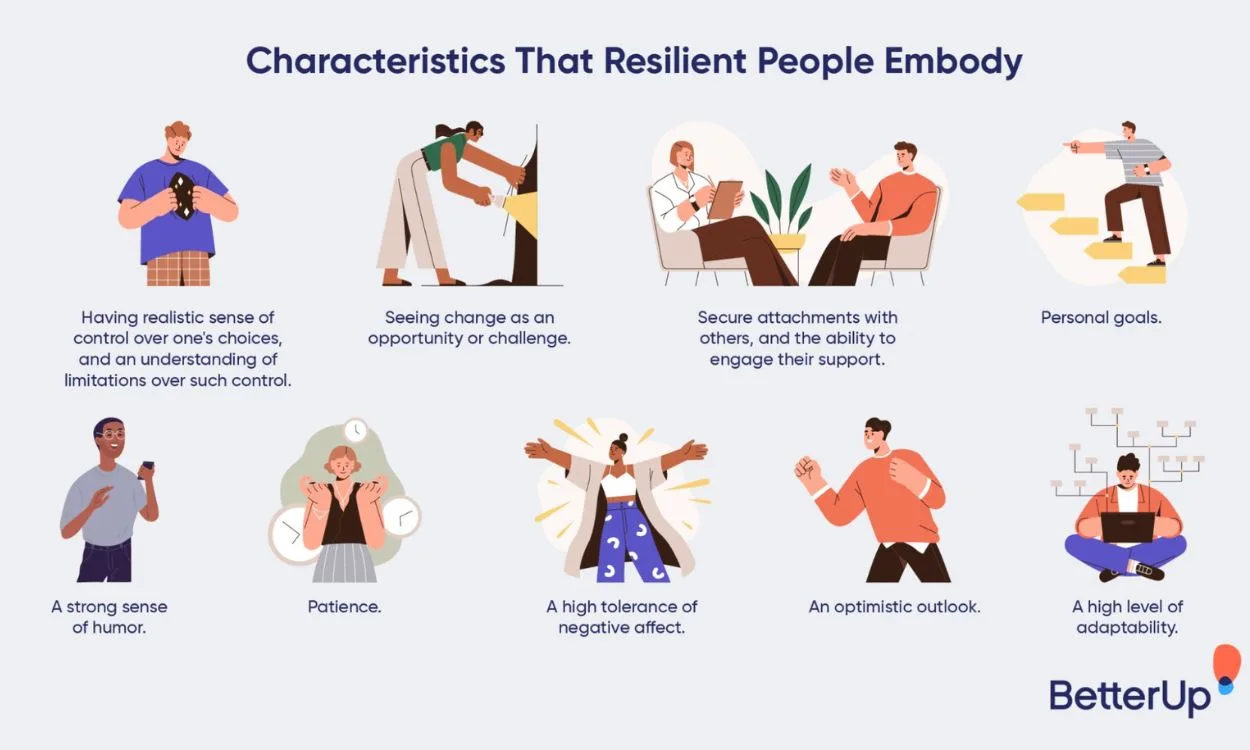
Manage Stress Effectively
Identify stressors and develop coping strategies
Managing stress effectively is crucial for enhancing mental resilience and coping skills as a man. Start by identifying your stressors, which may include work pressures, relationship challenges, or financial concerns. Once you have identified your stressors, you can then develop coping strategies to address them. This may involve problem-solving, setting boundaries, utilizing relaxation techniques, or seeking support from others. Understanding your triggers and having effective coping strategies in place can help you navigate stressful situations with greater ease.
Practice time management and prioritize tasks
Effective time management is another important aspect of managing stress. By practicing good time management skills and prioritizing tasks, you can reduce the feeling of being overwhelmed and increase your productivity. It’s helpful to make a to-do list, set realistic deadlines, and break tasks down into smaller, more manageable steps. This allows you to focus on one task at a time, reducing stress and increasing your sense of accomplishment. Prioritizing self-care activities, such as exercise, relaxation, and hobbies, is also essential for managing stress effectively.
Engage in stress-reducing activities like hobbies or creative outlets
Engaging in stress-reducing activities can provide a much-needed outlet for relaxation and self-expression. Hobbies or creative outlets, such as painting, playing an instrument, gardening, or writing, can help reduce stress and promote mental well-being. These activities allow you to focus on something enjoyable and provide a sense of accomplishment. It’s important to set aside time regularly for these activities and make them a priority. By engaging in stress-reducing activities, you can recharge, unwind, and enhance your overall mental resilience.
Cultivate Self-Compassion
Challenge self-judgment and negative self-talk
Cultivating self-compassion is essential for building mental resilience and coping skills. It involves treating yourself with kindness, understanding, and acceptance. Challenge self-judgment and negative self-talk by recognizing that everyone makes mistakes and has flaws. Instead of being overly critical of yourself, practice self-compassion by being understanding and forgiving. Treat yourself as you would treat a close friend or loved one, offering support and encouragement rather than judgment.
Practice self-care and self-acceptance
Self-care is an important aspect of self-compassion and mental resilience. It involves prioritizing your physical, emotional, and mental well-being. Engage in activities that promote self-care, such as getting enough sleep, eating nutritious foods, practicing relaxation techniques, and engaging in activities that bring you joy. Taking care of yourself allows you to recharge and replenish your energy, making you better equipped to navigate life’s challenges. Additionally, practice self-acceptance by embracing your strengths and imperfections, recognizing that you are enough just as you are.
Celebrate achievements and personal growth
Taking the time to celebrate your achievements, both big and small, is an important part of cultivating self-compassion and enhancing your mental resilience. Acknowledge and celebrate your progress, growth, and accomplishments. Whether it’s completing a challenging project at work or making positive changes in your personal life, recognizing your achievements allows you to build confidence and motivation. By celebrating your successes, you reinforce positive behaviors and cultivate a mindset of self-belief and resilience.
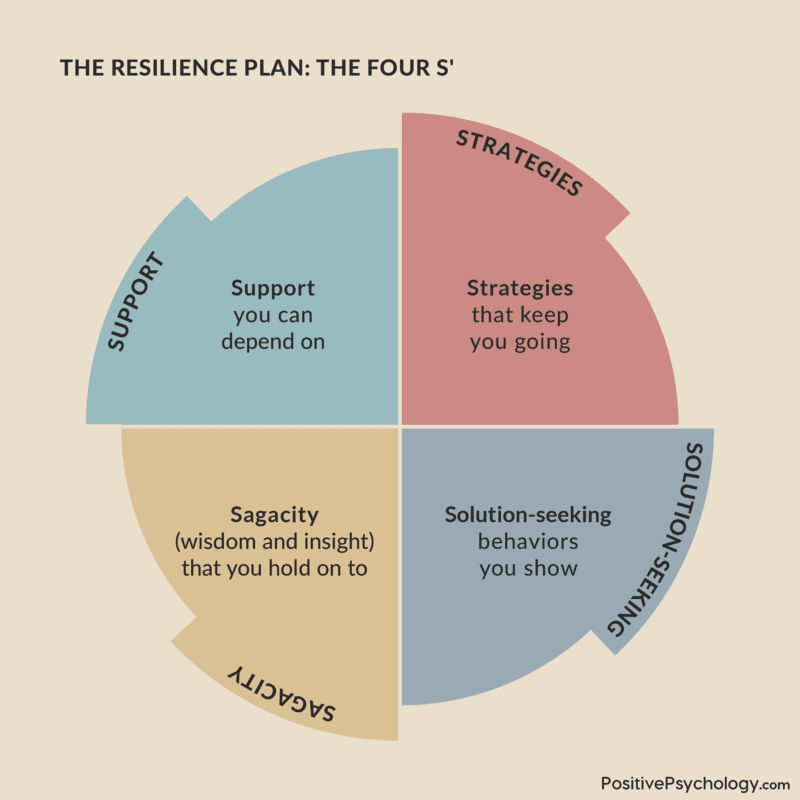
Develop Healthy Coping Mechanisms
Explore healthy ways to manage emotions and frustrations
Developing healthy coping mechanisms is vital for enhancing mental resilience and effectively dealing with challenging emotions and frustrations. Instead of turning to unhealthy coping mechanisms, such as excessive alcohol or drug use, explore healthier alternatives. This may include engaging in physical exercise, practicing deep breathing exercises, talking to a trusted friend or family member, or engaging in a creative outlet. Healthy coping mechanisms allow you to process emotions in a productive way and build resilience in the face of adversity.
Avoid excessive use of alcohol or drugs as coping mechanisms
While it may be tempting to turn to alcohol or drugs as a means of coping with stress or emotions, it’s important to recognize that these substances can be detrimental to your mental and physical well-being. Instead of relying on substances, seek healthier alternatives for managing stress and processing emotions. Engaging in professional support, practicing mindfulness techniques, or finding constructive outlets for stress and anger can provide healthier and more effective coping mechanisms.
Seek constructive outlets for stress and anger, such as journaling or exercise
Finding constructive outlets for stress and anger is essential for maintaining mental resilience and reducing the risk of harmful coping mechanisms. Consider engaging in activities such as journaling, where you can express and process your emotions in a safe and private space. Alternatively, physical exercise can also serve as a healthy outlet for stress and anger. Engaging in activities that allow you to release tension, such as boxing, running, or punching a bag, can help you manage intense emotions in a productive and beneficial way.
Enhance Emotional Intelligence
Practice active listening and empathy in relationships
Developing emotional intelligence is key to enhancing your mental resilience and coping skills. One aspect of emotional intelligence is practicing active listening and empathy in your relationships. Actively listening to others, with genuine interest and attention, allows you to better understand their perspectives and emotions. Similarly, practicing empathy enables you to put yourself in someone else’s shoes, showing understanding and compassion. By developing these skills, you can strengthen your relationships and improve your ability to navigate conflicts and challenging situations.
Develop self-awareness and emotional regulation
Another important aspect of emotional intelligence is self-awareness and emotional regulation. Self-awareness involves being in tune with your own emotions, strengths, weaknesses, and triggers. It allows you to better understand your emotional reactions and make conscious choices. Emotional regulation, on the other hand, involves managing and expressing your emotions in a healthy and constructive manner. By developing self-awareness and emotional regulation, you can respond to difficult situations more effectively and build resilience in the face of adversity.
Seek feedback to improve communication skills
Improving your communication skills can enhance your ability to cope with challenging situations and build stronger relationships. Seeking feedback from others can provide valuable insights into your communication style and areas for improvement. Ask trusted friends, family members, or colleagues for their honest feedback and actively listen to their observations. Use this feedback to make adjustments and practice effective communication techniques, such as active listening, assertiveness, and empathy. Continued learning and improvement in communication can support your mental resilience and coping skills.
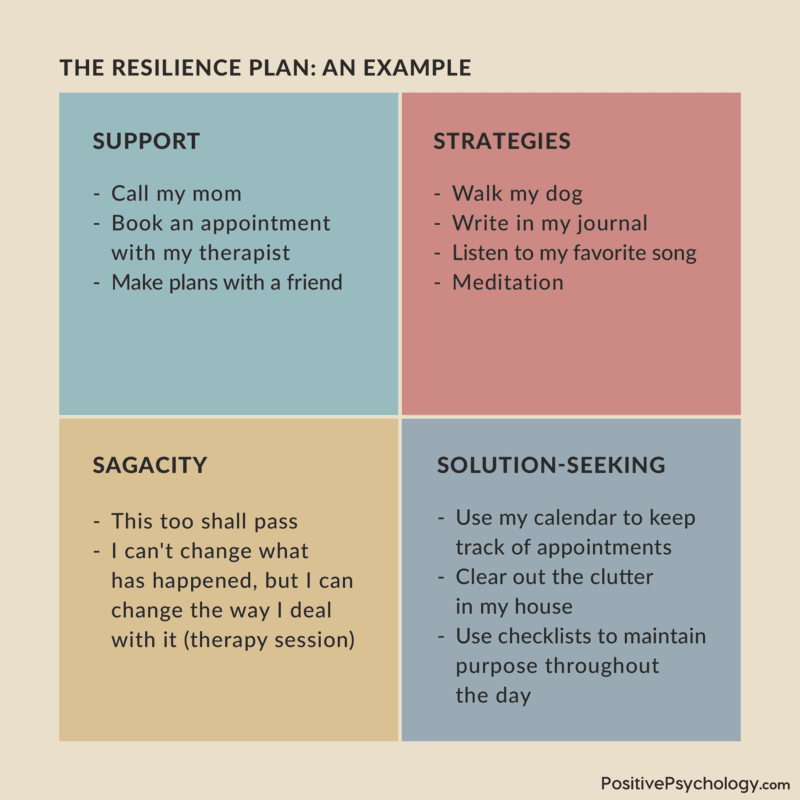
Challenge Gender Stereotypes
Question and challenge societal expectations of masculinity
Challenging gender stereotypes is an important step in enhancing your mental resilience and coping skills as a man. Society often places narrow expectations on masculinity, emphasizing traits such as stoicism and emotional detachment. By questioning and challenging these expectations, you can give yourself permission to embrace a more holistic and authentic version of yourself. Recognize that it’s okay to express a range of emotions and seek help when needed. Embracing a more flexible and inclusive definition of masculinity can contribute to your mental well-being and the breaking down of societal barriers.
Encourage emotional expression and vulnerability
Promoting emotional expression and vulnerability is crucial for men’s mental health and resilience. Encourage yourself and others to express their emotions openly and honestly, without fear of judgment or ridicule. Create a safe space for emotional discussions and validate the emotions of those around you. By fostering an environment that values emotional expression and vulnerability, you can contribute to your own mental resilience and the well-being of those around you.
Promote open conversations about mental health among men
One way to challenge the stigma surrounding men’s mental health is by promoting open conversations about the topic. Encourage discussions and create spaces where men can freely talk about their mental health challenges and seek support. By promoting open conversations, you can help break down the stigma and create a culture that values and supports men’s mental health. Encourage others to share their experiences and seek help when needed, reminding them that seeking support is a sign of strength.
Prioritize Self-Reflection and Personal Growth
Engage in regular self-reflection and introspection
Engaging in regular self-reflection and introspection is essential for personal growth and enhancing mental resilience. Take time to reflect on your thoughts, emotions, and behaviors, and consider how they align with your values and goals. This self-awareness allows you to identify areas for improvement and make intentional changes. Self-reflection can be done through journaling, meditation, or simply setting aside dedicated time for self-examination. By engaging in self-reflection, you can gain a deeper understanding of yourself and cultivate a sense of inner strength and resilience.
Set realistic and meaningful goals
Setting realistic and meaningful goals is an important part of personal growth and enhancing mental resilience. Consider what is truly important to you and what you want to achieve in various areas of your life. Set goals that are challenging yet attainable, ensuring that they align with your values and aspirations. By setting goals that are meaningful to you, you can foster a sense of purpose and motivation. Break these goals down into smaller, manageable steps and celebrate your progress along the way.
Continuous learning and self-improvement
Finally, prioritize continuous learning and self-improvement as a means of enhancing your mental resilience and coping skills. Embrace a growth mindset and seek opportunities for personal and professional development. This may involve taking courses, reading books, attending workshops, or seeking mentorship. By continuously learning and striving for self-improvement, you can expand your knowledge, skills, and perspectives, ultimately enhancing your ability to navigate life’s challenges with resilience and adaptability.
In conclusion, enhancing your mental resilience and coping skills as a man requires intentional effort and a commitment to self-care. Seek professional help when needed, develop a support system, and practice mindfulness and meditation. Engage in regular physical exercise, manage stress effectively, and cultivate self-compassion. Explore healthy coping mechanisms, enhance emotional intelligence, and challenge gender stereotypes. Finally, prioritize self-reflection and personal growth through goal-setting and continuous learning. By implementing these strategies, you can strengthen your mental resilience, improve your coping skills, and lead a more fulfilling and balanced life.